Why a Boxer Holter Starts at Three Years
One of the most anxiety-inducing aspects of owning a Boxer is the ever-present concern about their heart health. Many dedicated Boxer owners diligently schedule annual vet visits, but when it comes to specific cardiac screening, there’s a common question: why does the recommendation for a Holter monitor often begin when our beloved Boxers turn three years old? This guide will dive deep into the medical reasons behind this crucial age marker, helping you understand the silent threat of ARVC and how proactive monitoring can make all the difference.
Understanding ARVC in Boxers: The Silent Threat
For Boxer owners, the term ARVC (Arrhythmogenic Right Ventricular Cardiomyopathy) can strike a chord of fear. It’s a genetic heart condition that unfortunately disproportionately affects our breed, earning it the heartbreaking nickname "Boxer Cardiomyopathy." This isn't just a minor issue; it's a progressive disease that can lead to significant health problems, including fainting, weakness, and, in severe cases, sudden cardiac death. The insidious nature of ARVC is that it often lurks beneath the surface, showing no outward symptoms in its early stages, making early detection a critical challenge.
Imagine your Boxer, full of life, zooming around the yard, playing fetch with boundless energy. To all appearances, they are perfectly healthy. You’re giving them the best food, regular exercise, and all the love in the world. Yet, internally, their heart could be silently developing electrical abnormalities. This is the reality for many Boxer families, and it’s precisely why understanding ARVC and its typical progression is so vital. The goal of screening isn't to scare you, but to empower you with knowledge and the tools to intervene before the disease takes a more serious hold.
What Boxer ARVC Actually Does to the Heart
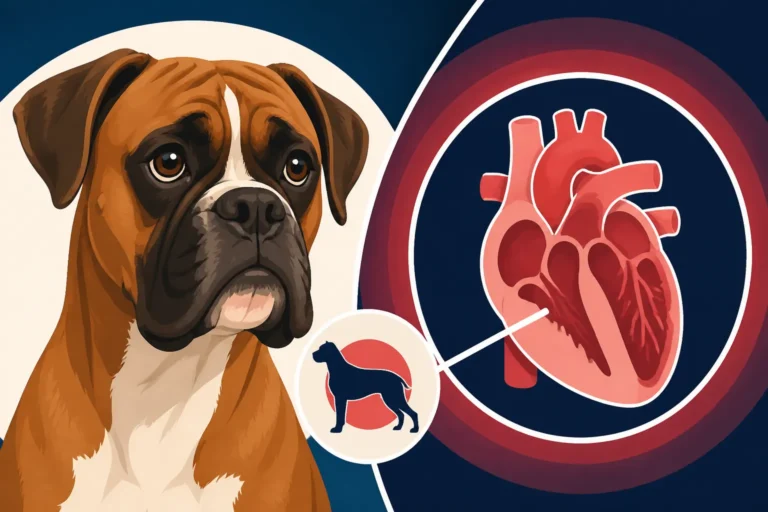
At its core, ARVC is a disorder of the heart muscle, specifically affecting the right ventricle, though the left can also be involved. Instead of healthy, contractile muscle tissue, fibrous and fatty tissue gradually infiltrates the heart. This structural change disrupts the heart's normal electrical pathways, leading to irregular heartbeats, known as arrhythmias. These arrhythmias often originate in the ventricles and are referred to as ventricular premature contractions (VPCs) or ventricular tachycardia (V-tach). When these abnormal beats become frequent or severe, they can impair the heart's ability to pump blood effectively, causing the symptoms we dread.
Think of your Boxer's heart as a beautifully orchestrated pump, with a precise electrical rhythm guiding each beat. In a Boxer with ARVC, it's like having faulty wiring. Sometimes, the misfires are minor, and the heart compensates. Other times, these electrical disturbances can be rapid and chaotic, causing the heart to essentially "quiver" instead of pump, which can be life-threatening. Understanding these internal mechanics helps us appreciate why even seemingly healthy Boxers need this specialized screening. It’s not about seeing a sick dog; it’s about looking for a hidden flaw in the wiring.
The Genetic Link and Prevalence in Boxers
The strong genetic component of ARVC in Boxers cannot be overstated. It’s an inherited condition, meaning it’s passed down through generations. While scientists have identified specific genetic markers, like the one tested by The Striatin Gene Test for Boxers, it's important to remember that genetics can be complex. Not every Boxer with the gene will develop clinical ARVC, and not every Boxer with ARVC will test positive for the known genetic markers. This complexity means that even with responsible breeding practices, the risk isn't entirely eliminated, and screening remains paramount.
The prevalence of ARVC in the Boxer breed is higher than in almost any other dog breed. Studies have shown that a significant percentage of Boxers carry the genetic predisposition or develop the condition at some point in their lives. This isn't a rare anomaly; it's a defining health challenge for the breed. Responsible breeders actively work to reduce the incidence by screening their breeding stock, but for many existing Boxer owners, the focus shifts to early detection and management. This widespread risk underscores why routine monitoring, starting at a specific age, has become a standard recommendation.
The Rationale Behind the Three-Year Mark for Holter Screening
So, why three years old? It’s not an arbitrary number. Veterinary cardiologists and breed experts have observed a typical pattern in the onset and progression of ARVC in Boxers. While some dogs might show signs earlier, and others later, the third year of a Boxer's life is often when these electrical abnormalities become more consistently detectable. This age represents a sweet spot where the disease, if present, is usually established enough to manifest on a Holter monitor, but often not yet so advanced that irreversible damage or severe symptoms have occurred.
It’s about catching the problem in its infancy, or at least in its adolescent stage, rather than waiting for a crisis. Imagine if you waited until your Boxer had Fainting Episodes in a Boxer or, even worse, A Boxer That Collapses After Exercise before considering a heart check. By then, the disease has progressed, potentially limiting treatment options and significantly impacting their quality of life. The three-year mark is a proactive measure, a deliberate strategy to stay ahead of ARVC before it takes a dramatic turn.
The Latent Period: When ARVC Hides
One of the most frustrating aspects of ARVC is its "latent period." During this time, which can span from puppyhood well into early adulthood, a Boxer may have the underlying genetic predisposition and even subtle changes in their heart, but they won't show any outward signs. Their energy levels might be normal, their appetite healthy, and their behavior unchanged. A standard veterinary check-up, including listening to their heart with a stethoscope, might not reveal anything amiss because the arrhythmias often occur intermittently.
This is where the Holter monitor becomes invaluable. While a regular ECG in the vet's office provides a snapshot of the heart's electrical activity at that precise moment, it's highly unlikely to catch an intermittent arrhythmia. It would be like trying to photograph a lightning strike in a 24-hour period by only taking one picture. The Holter, on the other hand, records the heart's activity for an extended duration, usually 24 to 48 hours, significantly increasing the chances of detecting these elusive irregular beats. This capability to monitor over time is why Whether a Boxer Arrhythmia Shows on a Normal ECG is so unlikely, and why the Holter is the gold standard for ARVC screening.
Disease Progression and Detectability
As Boxers with ARVC age, the fibrous and fatty infiltration in their heart muscle tends to worsen, leading to an increase in the frequency and complexity of the arrhythmias. What might have been only a few abnormal beats at two years old could become hundreds or thousands by three or four. This escalation makes the arrhythmias more likely to be captured by a Holter monitor. The three-year threshold balances the desire for early detection with the reality of disease progression, ensuring that most Boxers with clinically significant ARVC will show signs during this screening window.
This isn’t to say that ARVC never shows up earlier or later, but three years is the statistical sweet spot. Waiting too long risks missing the window for proactive management, while screening too early might yield false negatives, giving owners a false sense of security. It’s a carefully considered guideline based on extensive research and clinical experience with the breed. This consistent approach allows veterinarians to establish a baseline and track any changes over the years, providing the best possible care for your Boxer throughout their Boxer Lifespan and the Years That Decide It.
What a Holter Monitor Does for Your Boxer
So, what exactly is a Holter monitor and how does it work its magic on your energetic Boxer? Essentially, it’s a portable, battery-operated ECG device that continuously records your dog's heart activity over an extended period. Unlike the quick ECG performed in the vet's office, which lasts only a few minutes, the Holter captures data for 24 to 48 hours, sometimes even longer. This comprehensive recording allows veterinarians to analyze every single heartbeat during that period, identifying any irregularities that might indicate ARVC or other cardiac issues.
This continuous monitoring is crucial because ARVC arrhythmias are often paroxysmal – meaning they come and go. Your Boxer might be perfectly fine during their vet visit, but later that day, during a vigorous play session or even while resting, their heart could be experiencing significant electrical disturbances. The Holter monitor acts as an ever-vigilant observer, patiently gathering data that a brief, in-clinic examination simply cannot.
The Setup: What a Boxer Wears During a Holter Day
When your Boxer goes in for a Holter monitor, the process is usually pretty straightforward and non-invasive. The veterinary technician or cardiologist will typically shave a few small patches of fur on your Boxer’s chest and sides. This is to ensure good contact for the adhesive electrode pads, which are similar to the ones used for human ECGs. These pads are then connected via wires to the small Holter device itself, which is usually housed in a lightweight vest or harness that your Boxer wears.
The vest is designed to be comfortable and secure, preventing the device from moving around too much, which could interfere with the readings. Most Boxers tolerate the vest surprisingly well, though a bit of initial curiosity and perhaps a mild attempt to chew at it is not uncommon. Think of it as a temporary fashion statement for a good cause! The goal is for your Boxer to go about their normal daily routine as much as possible – playing, eating, sleeping – so the recording accurately reflects their typical heart activity. Your vet will provide specific instructions on how to care for the device and your dog during this period.
Reading a Boxer Holter Report
Once the 24 or 48 hours are up, you'll return to the vet to have the device removed. The data stored on the Holter monitor is then downloaded and analyzed by a veterinary cardiologist. This analysis involves carefully counting and categorizing every abnormal heartbeat, specifically looking for ventricular premature contractions (VPCs). The report will typically detail the total number of VPCs, their patterns (isolated, coupled, or in runs of ventricular tachycardia), and when they occurred (e.g., during activity, at rest).
The number of VPCs is a key indicator. While a completely healthy Boxer might have a very low number of occasional VPCs, a significantly elevated count, especially hundreds or thousands over 24 hours, is a strong indicator of ARVC. The report might also highlight any episodes of ventricular tachycardia, which are rapid sequences of abnormal beats that can be particularly dangerous. Understanding How Many PVCs a Boxer Can Have Safely is crucial, and your cardiologist will interpret these numbers in the context of your Boxer's overall health and the breed's known predisposition to ARVC. This detailed report forms the basis for any further diagnostic steps or treatment plans, such as starting Medication for a Boxer With an Arrhythmia.
| Holter Report Metric | Description | Significance for Boxer ARVC |
|---|---|---|
| Total PVC Count | The total number of Premature Ventricular Contractions recorded over the monitoring period (e.g., 24 hrs). | High counts (hundreds to thousands) strongly suggest ARVC. Lower counts might be normal. |
| Ventricular Tachycardia | Runs of three or more consecutive PVCs. | Indicates a more severe form of arrhythmia, increasing risk of fainting or sudden death. |
| R-on-T Phenomenon | A PVC occurring on the T-wave of the preceding heartbeat. | Can indicate increased risk of developing more serious arrhythmias. |
| Heart Rate (Min/Max/Avg) | The lowest, highest, and average heart rates during the monitoring period. | Helps assess overall cardiac function and response to activity/rest. |
| Activity Log Correlation | Cross-referencing abnormal beats with the owner's log of the Boxer's activities. | Helps determine if arrhythmias are activity-induced or spontaneous. |
| Striatin Gene Status | (Not directly from Holter, but crucial context) Genetic test result for the ARVC gene. | Provides genetic predisposition information, complementing the Holter's functional data. |
Preparing Your Boxer for a Holter Study
Getting ready for a Holter study isn't overly complicated, but a little preparation can make the experience smoother for both you and your Boxer. It's about ensuring the device can perform its job effectively and that your dog remains as comfortable and stress-free as possible during the recording period. Remember, the goal is to capture your Boxer’s typical heart activity, so you don't want to drastically alter their routine.
When you schedule the appointment, the veterinary team will usually provide specific instructions, but generally, it involves making sure your Boxer is clean, relatively calm, and that you're ready to accurately record their activities. This small bit of effort on your part contributes significantly to the accuracy and usefulness of the diagnostic information gained from the Holter.
What to Expect at the Vet for Holter Placement
When you arrive at the vet’s office for the Holter placement, the team will usually take your Boxer to a separate area where they can comfortably apply the electrodes and attach the device. As mentioned, a few small areas on their chest and sides will need to be shaved. This might be the most "unpleasant" part for your Boxer, but it’s quick and necessary for proper electrode adhesion. The skin will also be cleaned with an alcohol wipe to remove any oils or debris that could interfere with the signal.
Once the electrodes are in place, they'll be secured with adhesive tape and sometimes an additional wrap to ensure they stay put for the entire monitoring period. The wires will then be connected to the compact Holter recorder, which will be tucked into a special vest or harness that fits snugly but comfortably around your Boxer’s chest. The veterinary technician will check that all connections are secure and that the device is recording correctly. This entire process typically takes about 15-30 minutes, depending on how cooperative your Boxer is, and then they're ready to go home.
Daily Routine During the Holter Period
The most important instruction you’ll receive for the Holter monitoring period is to let your Boxer maintain their normal daily routine as much as possible. This means regular mealtimes, walks, play sessions, and sleep schedules. Don't restrict their activity or try to keep them unusually calm unless specifically instructed by your vet, as this could skew the results. If your Boxer is typically active, their heart activity during exercise is precisely what the cardiologists want to see.
You'll also be asked to keep a detailed log of your Boxer's activities. This log is incredibly important for interpreting the Holter results. Note down when they eat, play, go for walks, sleep, or if they experience any unusual symptoms like coughing, lethargy, or a brief moment of weakness. Even seemingly minor events should be recorded, along with the exact time. This correlation allows the cardiologist to see if any arrhythmias are linked to specific activities or states (e.g., How Many PVCs a Boxer Can Have Safely might differ significantly between rest and strenuous exercise). Many pet insurance companies, such as Healthy Paws, recognize the importance of these diagnostic tools, and while screening might not always be covered, treatment for a diagnosed condition typically is, making these initial steps even more valuable.
Caring for the Holter Device
While the vest and device are designed to be durable, they do require a bit of care. Try to prevent your Boxer from chewing on the wires or the device itself. A cone collar (E-collar) might be recommended if your Boxer is particularly determined. Keep the device dry; avoid baths, swimming, or excessive rain during the monitoring period. If it gets wet, it could malfunction or give inaccurate readings.
Check the electrodes periodically to ensure they are still firmly attached to your Boxer’s skin. If one comes loose, it can affect the quality of the recording. Your vet will provide you with contact information in case you encounter any issues or have questions while your Boxer is wearing the monitor. Adhering to these simple care instructions ensures that the expensive and important diagnostic tool provides the best possible data for your Boxer's health.
Interpreting Holter Results and Next Steps
Once the Holter monitor is removed and the data analyzed, your veterinary cardiologist will discuss the results with you. This can be a tense time, as you're waiting for critical information about your Boxer's heart. It’s important to remember that a Holter is a diagnostic tool; it provides data that helps guide future decisions, whether that’s a clean bill of health or the start of a management plan.
Understanding the implications of the results, whether good or bad, is key to being a proactive Boxer owner. The cardiologist will translate the technical report into actionable information, explaining what the numbers mean for your specific dog.
What a "Normal" Holter Looks Like
A "normal" Holter report for a Boxer typically means a very low number of ventricular premature contractions (VPCs), usually fewer than 50-100 over a 24-hour period, and no significant runs of ventricular tachycardia. It also means the heart rate maintains a healthy range throughout the day and night, without extreme fluctuations. If your Boxer's Holter comes back "normal," it's a huge sigh of relief! It means that at this point in time, there's no evidence of ARVC or other serious arrhythmias.
However, a "normal" result at age three doesn't mean you're in the clear for life. ARVC is a progressive disease, and the heart's electrical activity can change over time. This is why annual Holter screenings are so important for Boxers, even those with a history of normal results. Just as we discussed in Whether Boxer PVC Counts Change Year to Year, what's normal today might be different next year. Think of it as passing your annual physical – it's great news, but you still need to go back next year.
Diagnosing ARVC and Determining Severity
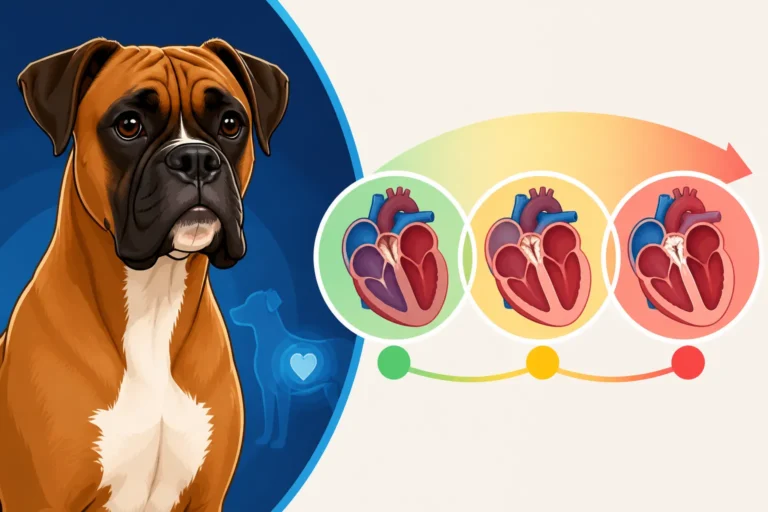
If the Holter report reveals a significant number of VPCs (often hundreds or thousands over 24 hours), or if it shows runs of ventricular tachycardia, then a diagnosis of ARVC is likely. The severity of the diagnosis is usually graded based on the frequency and complexity of these arrhythmias. For example, a Boxer with frequent isolated VPCs might be considered to have early or mild ARVC, while a Boxer experiencing long runs of V-tach would be diagnosed with a more severe form.
The cardiologist will take into account the total PVC count, the longest run of V-tach, and the presence of any other concerning findings. They may also recommend additional diagnostic tests, such as an echocardiogram (an ultrasound of the heart) to assess the heart's structure and function. This comprehensive evaluation helps determine the best course of action for your individual Boxer. Remember that understanding What Boxer Cardiomyopathy Costs a Family can be daunting, but early diagnosis through tools like the Holter can lead to management that improves quality of life and potentially reduces the severity of later interventions.
Treatment Options and Long-Term Management
If ARVC is diagnosed, the good news is that there are often effective treatment options available to manage the condition and improve your Boxer's quality of life. The primary goal of treatment is to reduce the frequency and severity of arrhythmias, thereby decreasing the risk of fainting, collapse, and sudden death. Medication, such as antiarrhythmics like Sotalol, is typically prescribed to stabilize the heart's electrical activity. Your vet might discuss options like Sotalol for a Boxer With Ventricular Beats or even dietary supplements like Fish Oil for a Boxer's Arrhythmia.
Long-term management involves ongoing monitoring, usually with annual or bi-annual Holter monitors, to assess the effectiveness of medication and track disease progression. Your Boxer might also need regular follow-up appointments with the cardiologist. While ARVC is a lifelong condition, with careful management, many Boxers can live comfortable, active lives for years after diagnosis. It’s a commitment, but one that is absolutely worth it for your beloved companion.
The Importance of Consistent Screening and Early Detection
As we’ve discussed, the three-year mark for starting Holter screening for your Boxer is a critical milestone, but it's not a one-and-done event. The nature of ARVC demands ongoing vigilance. Consistent, annual screening provides the best chance for early detection, which is undeniably linked to better outcomes and a higher quality of life for Boxers diagnosed with this challenging condition. Think of it as building a comprehensive health profile for your dog over time.
This proactive approach not only helps your Boxer but also contributes valuable data to the broader understanding of ARVC in the breed, potentially helping future generations of Boxers. It’s an investment in their future, and the peace of mind it offers is truly priceless.
Why Annual Holter Monitoring Is Recommended
Even if your Boxer has a perfectly clear Holter report at three years old, annual screening is strongly recommended. This is because ARVC can develop and progress over time. A Boxer who shows no arrhythmias at three could begin to develop them at four, five, or six years old. Regular screening allows your veterinary cardiologist to establish a baseline and quickly identify any changes or the onset of arrhythmias as they occur.
Imagine if you only screened once. If your Boxer developed arrhythmias at five, and you didn't screen again until a crisis hit at seven, you would have missed two crucial years of potential intervention. Annual Holters catch these changes early, often before your Boxer even shows symptoms. This proactive monitoring can literally add years to their life and significantly improve their comfort. This kind of consistent care, especially if a condition like ARVC is discovered, is where a good pet insurance plan, like those offered by Healthy Paws, can become indispensable, helping to manage the ongoing Annual Holter Screening as a Boxer Expense and potential treatment costs.
The Benefits of Early Diagnosis
The advantages of early diagnosis of ARVC through consistent Holter monitoring are profound. When the condition is caught in its early stages, before severe arrhythmias or structural damage has occurred, treatment is often more effective. Medications can be started proactively, helping to control the irregular heartbeats and slow the progression of the disease. This can significantly reduce the risk of critical events like Sudden Death in an Apparently Healthy Boxer.
Furthermore, an early diagnosis allows you to make informed decisions about your Boxer's lifestyle. You might need to adjust their exercise regimen, especially How Hard a Boxer With an Arrhythmia Can Work, or keep a closer eye on them during periods of excitement or stress. Early detection gives you the power to manage the disease rather than react to a crisis, ultimately leading to a longer, happier, and more comfortable life for your cherished Boxer. It also allows you to plan for the future, knowing what potential health challenges might lie ahead, and potentially securing insurance for Insuring a Boxer Before the First Lump or diagnosis.
Contributing to Breed Health and Future Generations
Beyond the individual benefits for your Boxer, consistent Holter screening plays a vital role in improving the overall health of the Boxer breed. When you screen your Boxer and share the results with your breeder (if applicable), or if a diagnosis is made, this information contributes to a larger database of knowledge about ARVC. This data is invaluable for researchers working to understand the disease better and for responsible breeders striving to produce healthier puppies.
Breeders who perform The Health Screening a Boxer Breeder Owes You often use Holter results to inform their breeding decisions, avoiding pairing dogs that carry a high risk of passing on ARVC. By participating in this critical screening, you're not just caring for your own Boxer; you're becoming a part of the solution for the breed as a whole. Every Holter test, every diagnosis, and every year of diligent monitoring helps paint a clearer picture of ARVC, moving us closer to a future where this devastating disease is less prevalent in our beloved Boxers.
Disclaimer
This article is intended for informational purposes only and is not a substitute for professional veterinary advice. Always consult with a qualified veterinarian or veterinary cardiologist regarding any health concerns or before making any decisions about your Boxer's care, diet, or treatment. The specific recommendations for Holter monitoring and ARVC management may vary based on individual circumstances and the latest veterinary research.