Whether a Boxer Can Fly in Cargo
For many Boxer owners, the thought of traveling long distances can bring up a huge dilemma: how do you bring your beloved companion with you? The idea of flying them in cargo might seem like a quick and efficient solution, especially when facing a big move or a necessary long-distance journey. However, the unique physiology of our flat-faced, big-hearted Boxers makes cargo travel a truly perilous undertaking, fraught with risks that every owner needs to understand before making such a weighty decision. This comprehensive guide will walk you through why flying a Boxer in cargo is generally discouraged, what specific dangers it poses, current airline regulations, and safer alternatives to consider for your furry family member.
Why Flying a Boxer in Cargo is So Risky
The decision to fly a Boxer in cargo isn't one to take lightly. It's not just about inconvenience; it's about significant health risks that can turn a journey into a nightmare. Boxers, like many other brachycephalic (short-nosed) breeds, are simply not built for the stresses of air travel, particularly in the cargo hold. Their adorable smooshed faces, while a hallmark of the breed, come with inherent challenges that are greatly exacerbated by the conditions in an aircraft's belly.
The Unique Respiratory Challenges of Brachycephalic Breeds
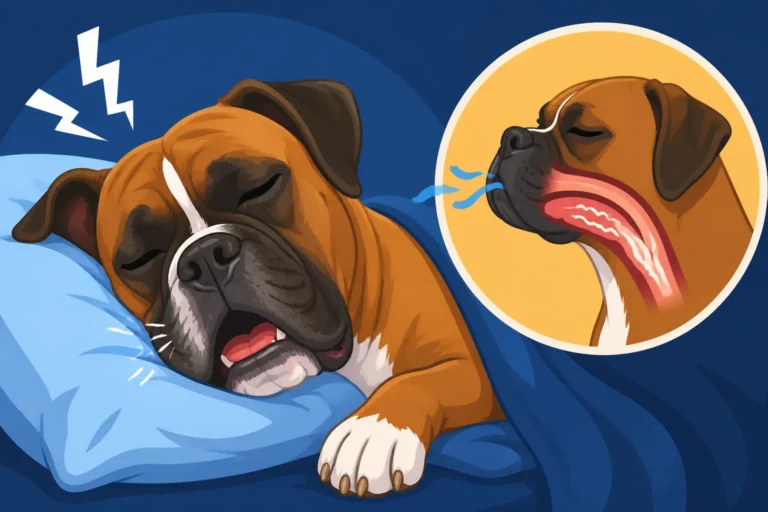
Our Boxers have endearing, pushed-in faces, which unfortunately mean they have elongated soft palates, narrowed nostrils, and sometimes hypoplastic (underdeveloped) tracheas. These anatomical quirks collectively lead to what's known as Brachycephalic Obstructive Airway Syndrome, or BOAS. While they might snore loudly and snort adorably when awake, these same features make breathing a constant effort. Under normal conditions, they manage, but introduce stress, temperature fluctuations, and changes in air pressure—all hallmarks of cargo travel—and their respiratory system can quickly become overwhelmed.
Imagine trying to breathe through a very narrow straw, all while running a marathon. That's a bit like what a Boxer experiences when stressed or overheated. The constricted airways make it harder for them to take in enough oxygen and efficiently cool themselves down. The noise, vibrations, and unfamiliar environment of a cargo hold add immense stress, causing them to pant more, which in turn increases inflammation in their already compromised airways. This creates a dangerous vicious cycle, where increased panting leads to more swelling, further restricting airflow, and potentially leading to respiratory distress or even collapse. It’s a terrifying prospect for any owner. You can learn more about concerns like Anesthesia Risk in a Flat-Faced Boxer as these respiratory issues apply to any situation requiring sedation or stress.
Temperature Sensitivity and Overheating Risks
Boxers are notoriously sensitive to temperature extremes, especially heat. Unlike breeds with longer snouts that have a larger surface area in their nasal passages to cool inhaled air, our Boxers are far less efficient at dissipating heat through panting. This makes them highly susceptible to overheating, a condition known as heatstroke, which can be fatal. In a cargo hold, even one that is supposedly climate-controlled, temperatures can fluctuate dramatically. On the tarmac, especially during loading and unloading, the ambient temperature can soar inside the metal crate, turning it into an oven.
The lack of consistent air circulation and the stress of the situation mean a Boxer can quickly reach dangerous body temperatures. Signs of overheating in a Boxer include excessive panting, drooling, bright red gums, staggering, and eventually collapse. Once a Boxer starts to overheat, it's a critical emergency, and there's little to no intervention possible once they are sealed in the cargo hold. This is why many airlines have strict seasonal and temperature-based embargoes for brachycephalic breeds, particularly during warmer months. It’s a stark reminder of how quickly things can go wrong. Think about how challenging it can be to keep them cool even during a simple walk, as discussed in How Fast a Flat-Faced Boxer Overheats.
Stress and Anxiety on a Boxer
Beyond the physical challenges, the psychological toll of cargo travel on a Boxer is immense. Boxers are incredibly people-oriented dogs, thriving on companionship and routine. Being separated from their family, placed in a noisy, dark, and vibrating crate in an unfamiliar environment, is profoundly stressful. This stress manifests in various ways: excessive panting, barking, pacing, or even destructive behaviors like chewing the crate.
The adrenaline and cortisol pumping through their system due to fear and anxiety further contribute to respiratory issues and an elevated heart rate. This isn't just about discomfort; prolonged or intense stress can weaken their immune system, exacerbate existing health conditions, and even lead to a fatal cardiac event, particularly if they have an undiagnosed heart condition like Boxer Cardiomyopathy. The emotional well-being of your Boxer is just as important as their physical health, and the trauma of cargo travel can have lasting effects, making them more anxious or reactive in the future. We often talk about their playful nature and strong bond; subjecting them to this kind of solitary confinement and fear goes against everything we know about their temperament.
Airline Policies and Restrictions for Brachycephalic Breeds
Given the heightened risks, many airlines have implemented stringent policies regarding the air travel of brachycephalic breeds like Boxers. These regulations are not arbitrary; they are a direct response to a tragic history of incidents where short-nosed dogs have suffered severe health crises or even died during cargo transport. Understanding these policies is crucial, as attempting to circumvent them or misrepresenting your dog's breed can have devastating consequences for your Boxer and legal repercussions for you.
Seasonal and Temperature Embargoes
One of the most common restrictions you'll encounter is the seasonal and temperature embargo. Most airlines will refuse to transport brachycephalic breeds in cargo during certain times of the year, typically the summer months, and when ground temperatures at any point of the journey (origin, transfer, or destination) exceed a specific threshold, often 75-85°F (24-29°C). Some airlines also have lower temperature limits for cold weather, though heat is the primary concern for Boxers. These embargoes are in place to minimize the risk of heatstroke, which is a leading cause of death for brachycephalic dogs in transit.
It's not enough to check the temperature at your departure city; you must consider the temperatures at all layovers and the final destination. Airlines use the forecast for these locations to determine if your Boxer can fly. These rules are non-negotiable, and trying to fly during an embargo period will result in your pet being denied boarding, often at the last minute. Always check directly with the specific airline well in advance, and confirm multiple times closer to your travel date, as policies can change without much public notice. Even if it's not a direct ban, the window for safe travel might be incredibly narrow. For instance, in some parts of the country, summer temperatures mean you might only be able to consider Road Trips With a Boxer in Summer, which can be exhausting but safer.
Specific Breed Bans and Restrictions
Beyond temperature embargoes, some airlines have outright bans on transporting brachycephalic breeds in cargo, regardless of the season or temperature. This is a growing trend as airlines prioritize animal welfare and seek to mitigate liability. Carriers like United Airlines, Delta Air Lines, and American Airlines have historically had very strict or even outright bans on certain brachycephalic breeds in cargo. For example, some may list Boxers specifically or a broader category of "snub-nosed breeds."
It's vital to research the specific airline you plan to use exhaustively. Don't rely on information from third-party websites that might be outdated. Go directly to the airline's official pet travel policy page, and consider calling their dedicated cargo or pet travel department for clarification. Even within the same airline, policies can vary for domestic versus international flights, or based on the type of aircraft. A ban means a ban, and no amount of paperwork or pleading will change it. This can be a huge source of frustration, but these measures are in place to protect your Boxer.
Required Documentation and Crate Specifications
If by some miracle you find an airline willing to transport your Boxer in cargo, the paperwork and crate requirements will be extensive and non-negotiable. You'll need a health certificate issued by a licensed veterinarian within a very specific timeframe (usually 10 days) of travel, stating your Boxer is fit to fly. This certificate must clearly state that your Boxer is healthy enough for air travel, and some vets may be hesitant to sign off on a brachycephalic breed due to the inherent risks. You might also need proof of vaccinations, an acclimatization certificate, and potentially import permits for international travel.
The crate itself must meet strict International Air Transport Association (IATA) guidelines. It needs to be made of rigid plastic or wood, large enough for your Boxer to stand up, turn around, and lie down comfortably without touching the top, with proper ventilation on all four sides. For brachycephalic breeds, extra ventilation might be required. Food and water dishes must be attached to the inside of the door and be refillable from the outside. "Live Animal" labels, directional arrows, and your contact information must be clearly visible. It’s not just about getting any crate; it’s about providing a safe, secure, and adequately sized environment that meets all regulatory standards. Investing in quality pet insurance like Healthy Paws for unexpected veterinary care, even if travel is deemed safe, is always a wise decision.
| Airline (Example) | Brachycephalic Restrictions | Temperature Embargo | Crate Requirements (General) | Notes |
|---|---|---|---|---|
| United Airlines | No Boxers in cargo | N/A | N/A | No pets as checked baggage for snub-nosed breeds. |
| Delta Air Lines | Restricted/Banned | Yes (often 20-29°C) | IATA compliant, sufficient size, ventilation. | Policies vary, direct contact is essential. |
| American Airlines | Restricted/Banned | Yes (often 20-29°C) | IATA compliant, sufficient size, ventilation. | Consult their official pet policy for specifics. |
| Lufthansa Cargo | Specific brachycephalic breeds accepted with specific measures (e.g., pre-booked, special containers) | Yes, strict upper limits | IATA compliant, proper ventilation, secured water/food. | One of the few offering more tailored brachycephalic transport, but still highly restrictive. |
Note: Airline policies are subject to change. Always verify directly with the airline before making travel plans.
Preparing Your Boxer for Necessary Cargo Travel
While strongly discouraged, sometimes flying your Boxer in cargo feels like the only option. Perhaps you're moving internationally, or a medical emergency necessitates immediate relocation. If you find yourself in this incredibly difficult position, and you've managed to find an airline willing to accommodate your Boxer, meticulous preparation is paramount. Every single step must be considered and executed with your Boxer's safety and comfort as the absolute priority. This isn't just about ticking boxes; it's about minimizing inherent risks in a high-stakes situation.
Vet Consultation and Health Clearance
The very first step, and arguably the most critical, is a thorough veterinary consultation. This isn't just a quick check-up; it needs to be an in-depth assessment specifically for air travel. Your vet will examine your Boxer for any underlying health conditions, especially those related to their respiratory and cardiovascular systems. They'll listen to their heart and lungs, check their overall body condition, and discuss their temperament. Be completely transparent with your vet about the travel plans and any concerns you might have about your Boxer's stress levels.
It's worth asking your vet if they recommend a mild sedative. While some airlines don't allow sedated animals, others might approve a very light, short-acting tranquilizer if deemed necessary by a vet to reduce anxiety, but there are risks involved. A sedative can depress the respiratory system, which is precisely what we want to avoid with a brachycephalic breed in a high-altitude, low-oxygen environment. The vet will need to issue a health certificate, typically within 10 days of travel, confirming your Boxer is fit to fly. If your Boxer has ever experienced significant breathing issues, a vet might refuse to issue this certificate, and that decision should be respected as it's for your dog's safety. Understanding potential health issues, such as Snoring and Noisy Breathing in a Boxer, is key to these discussions.
Crate Training and Acclimation
If your Boxer absolutely must travel in cargo, their crate should be their safe haven, not a terrifying new prison. This means starting crate training months in advance, well before travel day. The goal is for your Boxer to view their IATA-compliant travel crate as a comfortable, secure den. Begin by introducing the crate in a positive way, with treats, toys, and comfy bedding. Feed meals inside the crate, and gradually increase the time they spend in it, with the door closed, while you are nearby.
Practice leaving them alone in the crate for short periods, gradually extending the time. This helps them get used to the solitude they'll experience during the flight. Make sure the crate is the correct size, allowing them to stand, turn around, and lie down easily. Place an old t-shirt or blanket with your scent inside for comfort. A few days before the flight, let them spend several hours in the crate, perhaps overnight, to ensure they are fully acclimated. This familiarity will significantly reduce their stress levels during the actual journey. Consider if your Boxer can tolerate being left alone, as discussed in "Whether a Boxer Suits an Owner Who Works Shifts" as this is essentially what they will experience for hours.
Minimizing Stress Before and During the Flight
The day of travel will be stressful enough for everyone, but there are steps you can take to make it less traumatic for your Boxer. Feed them a light meal several hours before the flight, but avoid feeding them right before departure to minimize the risk of nausea or bloat. Ensure they have plenty of opportunities to relieve themselves before being crated. Attach a water bottle to the crate that they are familiar with and can operate, or freeze water in the bowl so it melts gradually.
Affix clear "Live Animal" labels to the crate and write "Brachycephalic Breed" in bold letters, along with your contact information. If possible, attach a small bag of their food to the outside of the crate with feeding instructions. Inform airline staff that you have a Boxer and politely ask them to be mindful of its care. During check-in, remain calm and reassuring. Your Boxer will pick up on your anxiety. Once they are checked in, resist the urge to linger or cause a scene. Trust that you have done everything you can. If you have pet insurance, ensure all your Healthy Paws policy details are easily accessible in case of any unforeseen circumstances or if you need to access emergency veterinary care at your destination. Knowing how quickly a Boxer can overheat helps you advocate for them. Perhaps pack a Cooling Vests and Fans for a Boxer for after they arrive at the destination, even if they can't wear it on the plane.
Alternatives to Cargo Travel
Considering the extreme risks associated with flying a Boxer in cargo, it's always advisable to explore alternatives. For many Boxer owners, these alternatives, while sometimes more time-consuming or expensive, offer a far safer and less stressful experience for their beloved companions. Your Boxer's health and well-being should always be the priority, and thankfully, there are other ways to travel long distances together without putting them at undue risk.
Road Travel: Pros and Cons
For domestic travel, or even cross-border journeys to Canada or Mexico, traveling by car is often the safest and most comfortable option for a Boxer. It allows you to control the environment completely. You can maintain a comfortable temperature, stop frequently for potty breaks, exercise, and hydration, and your Boxer remains by your side, reducing stress and anxiety. You can also bring all their familiar items – their bed, toys, and favorite treats – making the journey feel more like an adventure than a frightening ordeal. This can be especially important for older Boxers, as discussed in Caring for a Boxer Past Eight, who might find changes to routine particularly upsetting.
However, road travel isn't without its cons. Long car journeys can be exhausting for both you and your Boxer. It requires careful planning of routes, pet-friendly accommodations (always check Hotel Pet Fees for a Boxer in advance!), and ensuring you have enough supplies. Depending on the distance, it can take significantly longer than flying, potentially adding days to your travel time. Fuel costs, accommodation, and food for both of you can also add up. For some, the time commitment simply isn't feasible, especially if moving across the entire country. But for shorter long-distance trips, or if you have the time, it's generally the preferred method for Boxer families.
Pet Transport Services
If road travel isn't an option for you, or if you're moving internationally to a country that doesn't outright ban brachycephalic imports (which many do, or have very strict quarantine periods), a professional pet transport service might be worth exploring. These services specialize in moving pets safely and efficiently. Many companies offer ground transport services, either shared or private, which can be an excellent alternative to flying. They use climate-controlled vehicles and make regular stops for pet care.
For international moves, some specialized companies might be able to facilitate air travel under highly controlled conditions, but this is usually via private charter or specialized cargo, which comes with a significant price tag. They often have experience navigating complex international regulations and can help with all the necessary permits and health checks. However, it's crucial to choose a reputable, experienced company that has specific expertise with brachycephalic breeds. Ask for references, read reviews, and ensure they are transparent about their protocols for Boxer-type dogs. While more expensive than handling it yourself, it can offer peace of mind, knowing your Boxer is in the hands of professionals dedicated to their welfare. If an emergency arises, having a comprehensive pet insurance plan from a provider like Healthy Paws can truly alleviate the financial strain of unexpected veterinary bills, giving you one less thing to worry about during a stressful move.
Avoiding Travel Entirely (if possible)
Sometimes, the safest and kindest option for your Boxer is not to travel at all, if your circumstances allow for it. This might mean making difficult choices, such as finding a trusted friend or family member to care for your Boxer long-term, or even exploring rehoming options if your new lifestyle truly can't accommodate their needs or the risks of transporting them. This is an emotionally charged decision, but one made out of love and a commitment to their well-being.
If you are only traveling for a vacation, consider leaving your Boxer with a reputable pet sitter or at a trusted boarding facility. Many excellent boarding kennels are equipped to handle brachycephalic breeds, offering climate-controlled environments and attentive care. A professional pet sitter can also come to your home, allowing your Boxer to stay in their familiar surroundings. While separation can be hard, it's far less risky than putting them in a cargo hold. Always ensure your chosen caregiver is aware of your Boxer's unique needs, such as their sensitivity to heat and potential for Why a Boxer's Chest Shape Invites Bloat if stressed or fed improperly. The financial aspect of Emergency Vet Fees for a Boxer at Midnight is also a good reason to avoid unnecessary risks.
Disclaimer
The information provided in this guide is for general informational purposes only and does not constitute veterinary advice. Always consult with a qualified veterinarian for any health concerns or before making any decisions about your Boxer's care or travel plans. Airline policies are subject to change without notice; always verify current regulations directly with the chosen airline.