Kidney and Liver Values in an Aging Boxer
It’s a tough truth that as our beloved Boxers get older, their bodies start to slow down and wear out in ways we can’t always see. One of the biggest worries for any Boxer owner with a senior dog is the health of their internal organs, particularly the kidneys and liver. These vital organs work tirelessly, often without us knowing there's a problem until things are quite advanced. This guide is here to walk you through what to expect, how to monitor your aging Boxer's kidney and liver values, and what you can do to support them through their golden years.
The Vital Roles of Kidneys and Liver in Your Boxer's Health
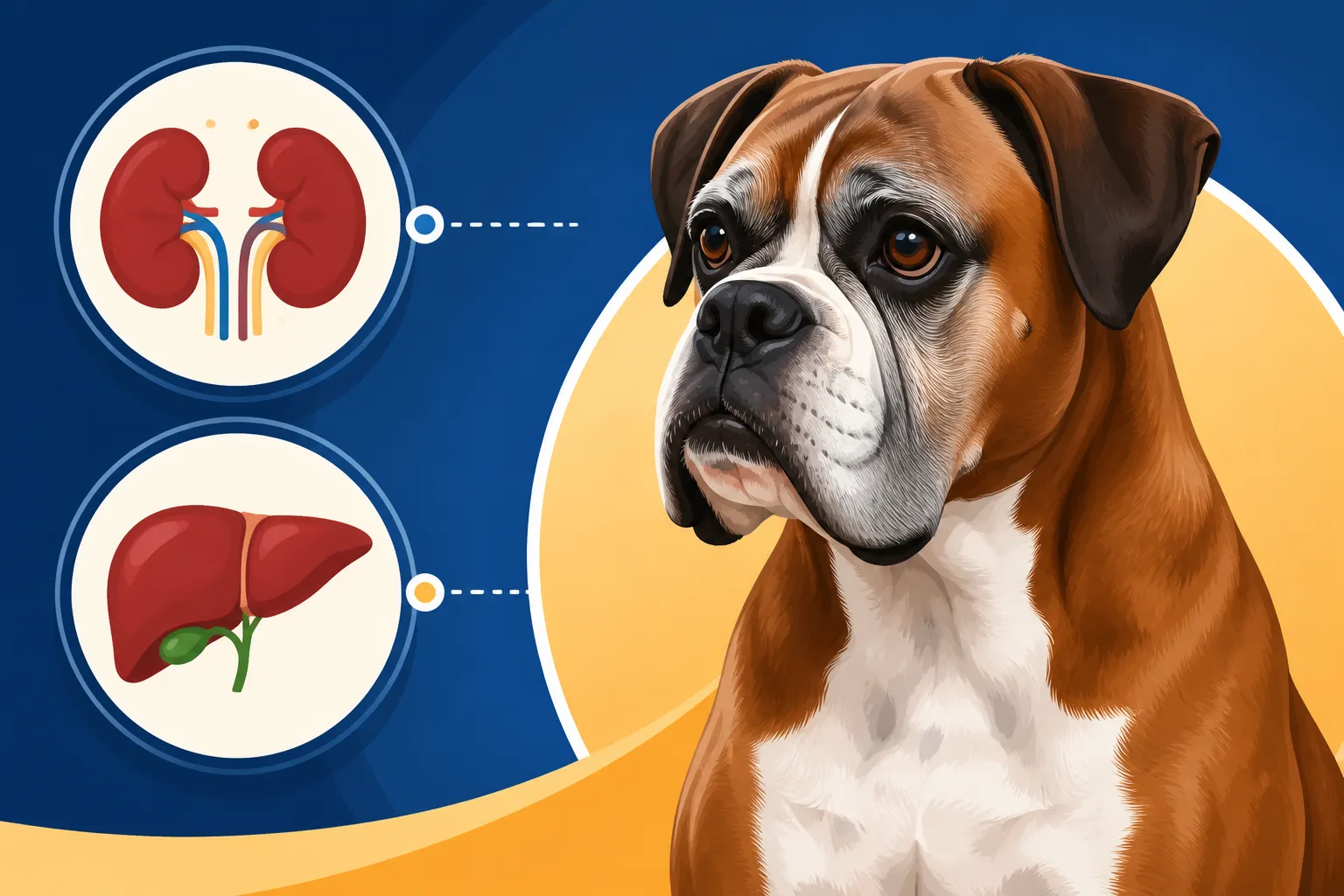
When your Boxer is romping around, chasing squirrels, or doing their famous "kidney bean" wiggle, it's easy to forget the complex machinery humming inside them. But their kidneys and liver are absolute powerhouses, performing essential functions that keep them healthy and happy. As they age, understanding these roles becomes even more crucial, as it helps us appreciate why certain values on a blood panel are so important.
What Your Boxer's Kidneys Do
Think of your Boxer's kidneys as the ultimate filtration system, working overtime 24/7. Their primary job is to filter waste products and excess water from the blood, producing urine. This process is absolutely critical for maintaining a healthy balance of electrolytes, blood pressure, and red blood cell production. If the kidneys aren't doing their job properly, toxins can build up in the bloodstream, leading to a cascade of problems throughout the body.
For an aging Boxer, kidney function can naturally start to decline. It's not usually a sudden crash, but more of a gradual slowing down. This can be heartbreaking to watch, as the dog you remember with boundless energy might start to seem a bit sluggish or "off." Their thirst might increase dramatically, and they might need to pee more often, sometimes even having accidents inside the house – not because they've forgotten their training, but because their kidneys can't concentrate urine effectively anymore. These are often early indicators that the filters are getting a bit clogged, so to speak.
The Liver: Your Boxer's Unsung Hero
The liver, on the other hand, is a multi-tasking marvel. It’s involved in digestion, metabolism, detoxification, and protein synthesis – basically, it’s like the body's central processing unit. The liver cleanses the blood of toxins, processes nutrients from food, stores energy, and produces bile for digestion. It's also responsible for producing clotting factors and other essential proteins.
Because the liver has such a vast array of jobs, when it starts to falter in an aging Boxer, the symptoms can be incredibly varied and sometimes vague. You might notice changes in appetite, lethargy, or even a yellowish tint to their gums or eyes (jaundice) in more advanced cases. The liver also has an amazing capacity for regeneration, which is both a blessing and a curse. It can often compensate for damage for a long time, meaning that by the time overt symptoms appear, the problem might be quite advanced. This is why regular monitoring, especially as your Boxer ages, is so incredibly important. It's often the unsung hero until it starts to struggle.
Recognizing Early Warning Signs of Organ Decline in Boxers
One of the hardest parts about canine health, especially with stoic breeds like Boxers, is that they can be incredibly good at hiding discomfort. They often don't show clear signs of illness until a disease has progressed significantly. This is particularly true for kidney and liver issues. Being vigilant and knowing what subtle changes to look for can make a huge difference in catching problems early and giving your senior Boxer the best chance at a longer, more comfortable life. It’s all part of Caring for a Boxer Past Eight.
Subtle Changes in Behavior and Appetite
Often, the first clues that something is amiss with your Boxer's kidneys or liver come in the form of slight shifts in their everyday routine and personality. You might notice they're just not quite themselves. Perhaps they're a little less enthusiastic about their morning walk, or they're sleeping more than usual. This general lethargy can easily be dismissed as "just getting old," but it's worth noting.
Changes in appetite are another big red flag. A Boxer who usually devours their food might start picking at it, or even turn their nose up entirely. They might become finicky, wanting only certain treats and refusing their regular kibble. On the flip side, some Boxers with kidney disease might develop an increased thirst, leading to more frequent urination and potentially accidents indoors. You might find yourself refilling their water bowl more often than ever before. If you also notice your Boxer suddenly shedding more than usual or showing Weight Gain and Coat Loss in a Boxer, these could be related to underlying metabolic issues, including thyroid problems, but also impact liver and kidney health indirectly.
Visible Symptoms to Watch For
While behavioral changes can be subtle, there are more overt physical symptoms that should send you straight to the vet. For kidney issues, beyond increased thirst and urination, you might notice your Boxer starts to lose weight despite eating normally (or sometimes, not eating normally). Their breath might develop an ammonia-like smell due to the buildup of toxins. In advanced cases, you might see weakness, vomiting, or diarrhea.
With liver problems, the symptoms can be a bit more diverse. Jaundice, a yellowish tint to the whites of the eyes, gums, or skin, is a classic sign of liver dysfunction because the liver isn't processing bilirubin correctly. You might also notice a distended abdomen due to fluid buildup, or dark urine. Some Boxers with liver disease might even exhibit neurological signs like disorientation, circling, or seizures, known as hepatic encephalopathy, because toxins are affecting their brain. Don't ignore these signs. Even if you think it's just a normal part of "What Changes in a Boxer After Seven," it's always best to get it checked out.
Decoding Blood Test Results: Kidney and Liver Values Explained
Visiting the vet for routine senior checks is one of the most proactive things you can do for your aging Boxer. These visits often include blood work, which, while sometimes daunting to look at, provides invaluable insight into your dog's internal health. Understanding what these numbers mean can empower you to have better conversations with your vet and make informed decisions about your Boxer's care. This is an essential part of the annual health check-up, alongside other tests like the Annual Holter Screening as a Boxer Expense.
Key Kidney Markers: BUN and Creatinine
When your vet runs a senior blood panel, they'll be looking closely at a few key indicators for kidney function:
- BUN (Blood Urea Nitrogen): This measures the amount of urea nitrogen in your Boxer's blood. Urea nitrogen is a waste product formed in the liver and filtered out by the kidneys. High BUN levels can indicate kidney disease, but they can also be affected by dehydration, diet, or other factors. So, it's not always a definitive sign on its own.
- Creatinine (CREA): Creatinine is a waste product from muscle metabolism. Unlike BUN, creatinine levels are less affected by factors like hydration or diet. Elevated creatinine is a much stronger indicator of reduced kidney function. If both BUN and creatinine are high, it’s a significant concern for kidney disease.
- SDMA (Symmetric Dimethylarginine): This is a newer, highly sensitive marker that can detect kidney disease much earlier than BUN and creatinine, sometimes months or even years before other values show significant changes. Many vets are now including SDMA in routine senior panels because it offers such a powerful early warning system.
Liver Enzymes and Bilirubin: What They Indicate
For the liver, vets typically look at a panel of enzymes that can indicate liver cell damage or problems with bile flow:
- ALT (Alanine Aminotransferase): This enzyme is present in liver cells. When liver cells are damaged (due to injury, inflammation, or disease), ALT leaks into the bloodstream, causing elevated levels.
- ALP (Alkaline Phosphatase): ALP can be elevated with liver disease, but it can also increase due to certain medications (like steroids), bone growth (common in young, growing Boxers, but less so in seniors), or other conditions. So, it needs to be interpreted in context.
- AST (Aspartate Aminotransferase): Similar to ALT, AST can indicate liver damage, but it's also found in muscle cells. Therefore, if only AST is high, your vet might investigate muscle injury as well.
- Bilirubin (Total Bilirubin): Bilirubin is a byproduct of red blood cell breakdown, which the liver processes and excretes in bile. High bilirubin levels can cause jaundice and indicate liver dysfunction or problems with bile flow.
- Albumin (ALB): Albumin is a protein produced by the liver. Low albumin levels can suggest chronic liver disease, as the liver isn't producing enough of this essential protein.
It's important to remember that these values are just pieces of a larger puzzle. A single abnormal value doesn't always mean severe disease. Your vet will look at the entire blood panel, along with your Boxer's physical exam, history, and symptoms, to get the full picture.
When to Worry About Abnormal Numbers
Seeing "high" or "low" next to certain values on your Boxer's blood work can be scary. However, context is everything.
For example, slightly elevated liver enzymes might be due to a temporary inflammation or even certain medications. A vet might suggest retesting in a few weeks or recommend additional diagnostics like a bile acid test or an ultrasound.
For kidney values, consistently elevated BUN and creatinine, especially with high SDMA, are more concerning. This could indicate chronic kidney disease, a condition that progresses over time. Your vet might then stage the kidney disease based on IRIS (International Renal Interest Society) guidelines, which helps guide treatment.
Here's a simplified table of common blood markers and what they generally indicate:
| Marker | Organ Primarily Indicated | What High Levels Suggest | What Low Levels Suggest |
|---|---|---|---|
| BUN | Kidneys | Kidney dysfunction, dehydration, high protein diet | Liver disease (reduced urea production), overhydration |
| Creatinine | Kidneys | Reduced kidney function, muscle damage (less common) | Low muscle mass (less common) |
| SDMA | Kidneys | Early kidney disease (more sensitive than BUN/Creatinine) | – |
| ALT | Liver | Liver cell damage, inflammation | – |
| ALP | Liver | Liver disease, bile flow issues, steroid use, bone growth | – |
| Total Bilirubin | Liver | Liver dysfunction, bile duct obstruction, red blood cell destruction | – |
| Albumin | Liver | – | Chronic liver disease, severe intestinal/kidney protein loss, malnutrition |
It’s crucial to discuss these results thoroughly with your veterinarian. They can provide the most accurate interpretation based on your individual Boxer's health profile. If they recommend further tests, such as urine analysis, radiographs, or ultrasound, follow their advice. These additional diagnostics provide more specific information and can confirm or rule out diagnoses. Getting a comprehensive understanding is key, and this may sometimes require consulting with specialists. Even with a good insurance plan like Healthy Paws, understanding these potential costs is important, as The Yearly Bill for a Seventy-Pound Boxer can quickly escalate with specialist care.
Supporting Your Aging Boxer's Kidney and Liver Health
Once you have a clearer picture of your Boxer's kidney and liver health, the next step is to explore management strategies. While we can’t turn back the clock, there’s a lot we can do to support these vital organs, slow the progression of disease, and significantly improve your Boxer’s quality of life. This often involves a multi-faceted approach combining diet, medication, and attentive care.
Dietary Adjustments and Nutritional Support
Diet plays a colossal role in managing kidney and liver disease in dogs.
For Boxers with kidney disease, the focus is often on a diet that is:
- Lower in protein: While protein is essential, too much can create more waste products that stressed kidneys struggle to filter. The key is high-quality protein in appropriate amounts, not necessarily extremely low protein, especially in early stages.
- Controlled in phosphorus: Phosphorus is a mineral that healthy kidneys excrete. When kidney function declines, phosphorus can build up, leading to serious complications. Prescription kidney diets are specifically formulated to have reduced phosphorus.
- Supplemented with Omega-3 fatty acids: These can help reduce inflammation and may improve kidney function.
- Rich in antioxidants: To combat oxidative stress on the cells.
For liver disease, dietary recommendations can vary depending on the specific condition. Generally, a liver-supportive diet might include:
- Highly digestible protein: To provide necessary amino acids without overworking the liver.
- Controlled copper levels: In some liver conditions, copper can accumulate and cause damage, so a low-copper diet is vital.
- Increased carbohydrates: For energy without relying heavily on protein or fat metabolism.
- Antioxidants and B vitamins: To support liver function and regeneration.
Working with your vet or a veterinary nutritionist is paramount here. They can recommend specific prescription diets (like those from Purina Pro Plan Veterinary Diets or Royal Canin Veterinary Diets) that are tailored to your Boxer's needs. Don't just guess; the wrong diet can do more harm than good. You might be transitioning to Softer Meals for an Aging Boxer anyway, making it a good time to adjust the formulation.
Medication and Management Strategies
Beyond diet, your vet might prescribe various medications to manage symptoms and slow disease progression.
For kidney disease, these might include:
- Medications to control blood pressure: High blood pressure can damage the kidneys further.
- Phosphorus binders: To reduce the absorption of phosphorus from food.
- Erythropoietin: To stimulate red blood cell production if anemia is present.
- Antacids: To manage stomach upset and nausea, which are common in kidney disease.
For liver disease, medications could involve:
- Ursodiol: To improve bile flow.
- Antibiotics: If a bacterial infection is suspected.
- Lactulose: To help reduce ammonia absorption from the gut in cases of hepatic encephalopathy.
- Denamarin (S-Adenosylmethionine and Silybin): A popular supplement that supports liver cell health and detoxification.
Your vet will also guide you on how frequently you need follow-up blood tests to monitor these values and adjust medications as needed. This ongoing management is a critical part of ensuring your Boxer's comfort. Having pet insurance, especially from a provider like Healthy Paws, can be a huge relief here, as the cost of ongoing medications and specialist visits can add up quickly.
Proactive Care and Regular Vet Visits
The absolute best way to stay ahead of kidney and liver issues in your aging Boxer is through proactive care. This means sticking to a schedule of regular veterinary check-ups, even if your Boxer seems perfectly healthy.
For senior Boxers, annual or even semi-annual check-ups with blood work and urinalysis are highly recommended. These routine screenings are what allow your vet to catch subtle changes in kidney or liver values before they become serious problems. Early detection means earlier intervention, which can significantly impact the long-term prognosis.
Beyond vet visits, you, as the owner, are your Boxer's best advocate. Pay close attention to their water intake, urination habits, appetite, energy levels, and general demeanor. Keep a journal if it helps you track these things. If you notice any changes, no matter how small, don't hesitate to call your vet. It's always better to be overly cautious than to wait until your Boxer is clearly ill. Maintaining their overall well-being, including regular exercise within their limits and a loving, low-stress environment, is also vital. Remember, if you are considering whether to proceed with extensive treatments later, it's a deeply personal decision, and discussions around "Deciding Against Treatment for a Boxer" are valid and important to have with your veterinary team. Ultimately, the goal is to maximize their comfort and joy in their senior years.
Disclaimer
This information is intended for educational purposes only and should not be taken as professional veterinary advice. Always consult with a qualified veterinarian for any health concerns or before making any decisions about your Boxer's care. Individual situations may vary, and a professional diagnosis and treatment plan are essential.