Why a Boxer Should Never Free Feed
It's incredibly tempting, especially when you have a busy life, to just keep your Boxer's food bowl full. You imagine your beloved companion will graze throughout the day, eating only when hungry, like a responsible adult. But for Boxer owners, free-feeding isn't just a convenient habit; it's a decision fraught with potential health risks and behavioral challenges that can seriously impact your dog's well-being. This guide will explain precisely why a Boxer should never free-feed and offer practical, actionable steps to establish a healthy, structured meal routine.
The Unique Challenges of Free-Feeding for Boxers
Boxers are not just any dog. They are a breed with specific physiological characteristics and a robust metabolism that make free-feeding a particularly unsuitable and even dangerous practice. Understanding these breed-specific traits is the first step to ensuring your Boxer thrives on a proper feeding regimen.
Bloat Risk and Meal Timing
One of the most terrifying threats to a Boxer's life is bloat, medically known as Gastric Dilatation-Volvulus (GDV). This acute condition occurs when the stomach fills with gas and twists, cutting off blood supply and quickly becoming fatal if not treated immediately. Boxers are highly predisposed to bloat due to their deep, narrow chests, a conformation characteristic of many large, athletic breeds. When a Boxer free-feeds, they might gulp down large quantities of food and air at irregular times, especially if they've been particularly active or stressed, increasing the risk of their stomach dilating and potentially twisting.
Imagine your Boxer has been running around the yard, full of typical Boxer exuberance, chasing a ball or playing with the kids. They come inside, panting and thirsty, and head straight for a perpetually full food bowl. They might eat rapidly, inhaling food and air, and then perhaps drink a lot of water right afterward. This sudden ingestion of a large meal and water, often combined with post-meal activity or excitement, creates the perfect storm for bloat. Structured meal times, on the other hand, allow you to control the size of meals and ensure a period of rest before and after eating, significantly reducing this terrifying risk. For more on this, you can look into Why a Boxer's Chest Shape Invites Bloat.
This controlled feeding also helps you understand how much your Boxer is actually consuming. With free-feeding, it's hard to tell if they're eating too little (a sign of illness) or too much (leading to weight gain). A consistent schedule means you know exactly when they've eaten and how much, making it easier to spot changes in appetite that could signal a problem. It removes the guesswork and gives you a vital window into their daily health.
Weight Management and a Boxer's Physique
Boxers are naturally athletic dogs, built with a lean, muscular physique that needs to be maintained to support their high energy levels and protect their joints. Free-feeding, however, is a direct ticket to obesity for many Boxers. They are often highly food-motivated, and if given unlimited access, many will simply eat more than they need, particularly if they are bored or not getting enough mental and physical stimulation.
An overweight Boxer is a Boxer struggling with a host of health problems. Excess weight puts undue strain on their heart and joints, exacerbating conditions like Boxer Hip Dysplasia and Spondylosis or even contributing to the development or worsening of heart conditions common to the breed. Imagine trying to run and play with an extra 10-20 pounds strapped to your body – it's exhausting and painful. For a Boxer, whose very identity is tied to their boundless energy and playful nature, carrying extra weight dramatically diminishes their quality of life.
Maintaining a lean, healthy weight is critical for a Boxer's long-term health and vitality. When you schedule meals, you can precisely measure their food portions according to their age, activity level, and metabolic needs, ensuring they receive adequate nutrition without overeating. This also allows you to adjust their diet as their needs change, such as when they become less active as they age or if they require a special diet. It's a proactive approach to keeping them in peak condition.
Dietary Needs and Sensitive Stomachs
Many Boxer owners can attest to their breed's sensitive digestive systems. They can be prone to issues like colitis, gas, and general tummy upset. Free-feeding makes it incredibly difficult to pinpoint what might be causing an issue, or to implement a specific dietary plan if needed. When food is available all day, you lose control over when and how much they are eating, making it nearly impossible to observe patterns related to their digestion.
If your Boxer suddenly develops loose stools or excessive gas, and they've been free-feeding, how do you know if it's because they ate too much, ate too quickly, or if the food itself is the culprit? It’s a puzzle with too many missing pieces. Boxer Colitis and the Young Dogs It Hits is a prime example of a condition where diet management is key, and controlled feeding is essential for monitoring and treatment.
With scheduled meals, you can introduce new foods gradually, monitor their response, and easily adjust portion sizes or ingredients if digestive upset occurs. This level of control is simply not possible with free-feeding. It also helps you manage treats and supplements, ensuring they are integrated into a balanced daily intake rather than adding to an unknown total calorie count. For Boxers with known sensitivities, precise dietary management is not a luxury, it's a necessity.
Understanding a Boxer's Metabolism and Activity Levels
The Boxer's spirited personality and robust physical presence demand a thoughtful approach to their nutrition and exercise. Their unique metabolism and high activity levels mean that a casual, free-feeding approach simply doesn't align with their biological needs.
Energy Demands of an Active Breed
Boxers are renowned for their incredible energy and athleticism. They are the quintessential "velcro dogs" that thrive on interaction, play, and vigorous exercise. This high level of activity means they burn through a lot of calories. However, free-feeding doesn't necessarily translate to adequate energy distribution throughout the day. A Boxer might gorge themselves early in the morning, leading to an energy crash later, or they might pick at food, not consuming enough to fuel their active lifestyle.
Consider a young Boxer puppy, growing rapidly and needing consistent fuel for their development and endless play. Or an adult Boxer who loves a good game of fetch in the park, followed by a long walk. Their bodies are constantly working, and their metabolic rate is generally quite high. Providing controlled, balanced meals at regular intervals ensures a steady supply of energy, preventing both over-fuelling and under-fuelling that can result from erratic eating habits. It helps manage their blood sugar levels, which is important for maintaining their characteristic zest for life without sudden dips or surges.
Moreover, if your Boxer is involved in dog sports like agility or obedience, their energy needs will fluctuate. Free-feeding removes your ability to strategically fuel them before and after intense sessions. Knowing exactly how much and when they've eaten allows you to provide the optimal nutrition required for peak performance and recovery, ensuring their muscles and minds are ready for anything you ask of them.
The Importance of Structured Meal Schedules
A structured meal schedule does more than just control caloric intake; it creates routine and predictability, which can be incredibly beneficial for a Boxer's overall well-being. Dogs, much like humans, thrive on routine. Knowing when meals are coming helps manage their internal clock, reduces anxiety around food, and can even improve house training by making bowel movements more predictable.
When meals are served at consistent times, your Boxer learns to anticipate their food. This anticipation can be a valuable tool in managing behavior, as it provides a predictable reward system. It also allows their digestive system to work more efficiently, as it prepares for food at specific intervals. Their bodies become accustomed to processing food at these times, which can lead to better nutrient absorption and fewer digestive upsets. Feeding a Boxer Twice a Day is a common and highly recommended approach, splitting their daily calorie needs into two manageable portions.
Imagine the chaos in a multi-dog household if one dog is free-feeding. Resource guarding can become an issue, or one dog might simply eat all the food, leaving others underfed. A schedule eliminates this competition, ensuring every dog gets their fair share. It's about creating a calm, orderly environment around food, which is foundational to a happy and healthy Boxer.
Monitoring Intake for Health and Training
One of the most critical aspects of scheduled feeding is the ability to accurately monitor your Boxer's food intake. This isn't just about weight management; it's a vital diagnostic tool. If your Boxer suddenly skips a meal or eats less than usual, it's a clear indicator that something might be wrong. With free-feeding, a slight dip in appetite might go unnoticed for hours, or even days, delaying a necessary vet visit.
Accurate intake monitoring is also indispensable for training. Food is a powerful motivator for many Boxers, and using their regular kibble as part of training sessions can be incredibly effective, especially for puppies. If they have constant access to food, it loses its value as a reward. But if meals are a scheduled event, portions of their daily allowance can be strategically used for positive reinforcement throughout the day, reinforcing good behavior. You can integrate small portions of their kibble into puzzle toys from Chewy or engage them with a few pieces during a Keeping Boxer Training Sessions Interesting.
Furthermore, for Boxers prone to food allergies or sensitivities, tracking every morsel is non-negotiable. If you need to implement an elimination diet or introduce a prescription food, knowing exactly what and how much they are eating is paramount. Brands like Ollie, known for fresh, customized meal plans, often emphasize precise portioning to meet individual dog's needs, which is directly at odds with the free-feeding model. Without this oversight, you're essentially flying blind, unable to make informed decisions about their health or behavior.
Practical Strategies for Controlled Feeding
Transitioning from free-feeding to scheduled meals might seem daunting, especially if your Boxer is used to constant access to food. However, with a clear plan and consistent effort, you can establish a healthy and beneficial feeding routine for your companion.
Establishing a Consistent Feeding Schedule
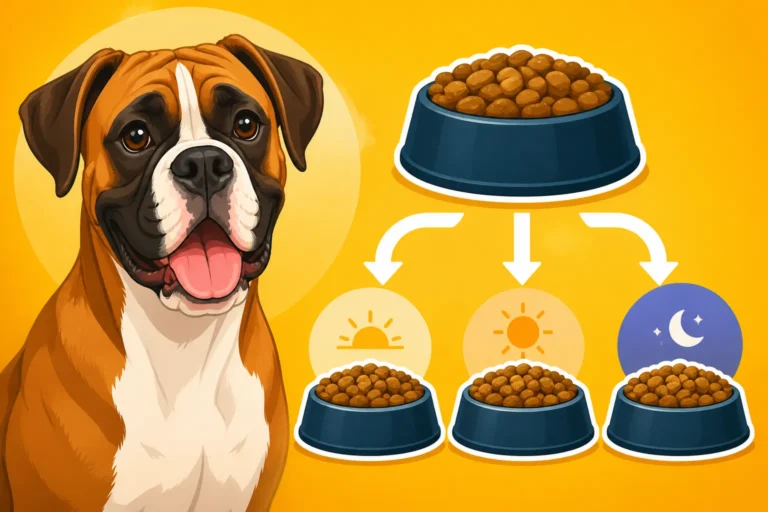
The first step is to pick a schedule and stick to it. Most adult Boxers do very well with two meals a day, roughly 12 hours apart. For example, you might aim for 7 AM and 7 PM. Puppies, with their higher metabolic rate and rapid growth, often need three smaller meals spread throughout the day until they are around six months old. The key here is consistency. Your Boxer will quickly learn when to expect their meals, and this predictability can actually reduce anxiety and food-related behaviors like begging, because they know food is coming.
It's helpful to establish a routine around meal times. This might involve a short walk before breakfast, then feeding, followed by a calm period. Avoiding intense exercise immediately before or after meals is crucial for Boxers to mitigate bloat risk. Think of it like this: their bodies need to be in a relaxed state to properly digest their food. Having a set schedule also makes it easier to manage their potty breaks, as digestion and elimination often follow a predictable pattern after eating.
If you have multiple dogs, feed them in separate, quiet areas to prevent resource guarding or one dog eating another's food. This structured approach helps reinforce that mealtime is a calm, individual event. Over time, your Boxer will adapt and even thrive on this routine, understanding that the food will come, just not all at once.
Choosing the Right Food and Portions
Once you have your schedule, it's time to focus on what and how much your Boxer is eating. Start by selecting a high-quality dog food appropriate for their age, activity level, and any specific health needs. Brands available on platforms like Amazon or Chewy offer a vast selection, but always read labels carefully. Look for foods with real meat as the primary ingredient and avoid excessive fillers or artificial additives, which can be particularly irritating to a Boxer's sensitive stomach.
The most common mistake is to simply follow the feeding guide on the back of the dog food bag without adjustment. These are general guidelines, and your individual Boxer's needs might vary significantly. Factors like their actual weight, ideal weight, daily exercise, and even their metabolism will influence how much they need. It's always best to start with the lower end of the recommended range for their target weight and then adjust based on their body condition. You should be able to easily feel your Boxer's ribs under a slight layer of muscle and fat, and they should have a discernible waist when viewed from above. If you're unsure, your vet can help you determine an ideal caloric intake.
Always use a dedicated measuring cup to ensure accurate portions. Eyeballing it can lead to unintentional overfeeding. If you're struggling to keep your Boxer lean, consider a puzzle feeder for one of their meals. This not only slows down their eating, reducing bloat risk, but also provides mental stimulation, which is crucial for a breed as intelligent as the Boxer. For more insights on this, refer to Reading a Boxer's Ribs and Waist.
Addressing Begging and Scavenging Behaviors
Transitioning from free-feeding can sometimes bring out begging or scavenging behaviors, as your Boxer adjusts to the idea that food isn't always available. This is a common hurdle, but it's manageable with patience and consistency. The most important rule is: do not give in. If you succumb to those sad Boxer eyes and offer scraps from your plate or extra treats, you're only reinforcing the begging behavior.
Instead, reinforce positive behaviors. Teach your Boxer a "place" command, where they go to a specific mat or bed during your meal times. Reward them with a designated chew toy or a small portion of their regular kibble after your meal, once they've been calm in their place. This teaches them that good behavior, not begging, leads to rewards. You can find durable chew toys suitable for Boxers on Chewy or Amazon to keep them occupied.
Managing their exercise is also key. A well-exercised Boxer is a calmer Boxer. Ensure they're getting adequate physical and mental stimulation throughout the day. A bored Boxer is often a hungry Boxer. If your Boxer is particularly persistent, consider increasing their mental engagement through training sessions or interactive toys. Remember, consistency is your most powerful tool in shaping their behavior and helping them adjust to a healthier, more structured feeding routine.
Here's a quick comparison of the two feeding styles for your Boxer:
| Feature | Free-Feeding (Always Food Available) | Scheduled Feeding (Set Times & Portions) |
|---|---|---|
| Bloat Risk | High: Erratic, rapid eating and gulping air, especially after activity. | Lower: Controlled meal size, consistent timing, rest before/after eating. |
| Weight Management | Poor: Often leads to overeating and obesity. | Excellent: Precise portion control, easier to maintain ideal weight. |
| Digestive Health | Difficult to monitor: Hard to identify food sensitivities or issues. | Good: Easy to track intake, monitor reactions, and manage specific diets. |
| Nutrient Absorption | Can be inconsistent due to irregular eating. | Optimized with regular, predictable digestion cycles. |
| Behavioral Impact | Can lead to begging, resource guarding, or boredom eating. | Establishes routine, reduces anxiety, aids in training motivation. |
| Health Monitoring | Hard to notice changes in appetite as food is always present. | Clear indicator of illness if a meal is missed or eaten sparingly. |
| Puppy Growth | Can lead to too rapid growth or inconsistent energy. | Supports steady growth and consistent energy for developing puppies. |
Disclaimer
This article is for general informational purposes only and does not constitute professional advice. Laws, prices and regulations vary by location and change over time. Consult a qualified professional for guidance on your specific situation.