Splitting a Boxer’s Ration Into Three Meals
It’s a scenario many Boxer owners know all too well: your beloved Boxer practically inhales their meal in seconds, then looks at you with those big, soulful eyes, as if they haven't eaten in weeks. This fast eating, combined with their unique body shape, can contribute to very real health concerns like bloat. This guide will walk you through why splitting your Boxer's daily food ration into three smaller, more frequent meals can be a game-changer for their health, digestion, and overall well-being, and how to make this routine work for your family.
The Critical Link Between Meal Timing and Boxer Health
When it comes to our Boxers, their zest for life often extends to their food bowl. They’re not exactly known for being dainty eaters! But this enthusiastic approach to mealtimes, coupled with their distinct physical characteristics, makes how and when they eat profoundly important. It’s not just about managing their hunger; it’s about proactively protecting them from potentially life-threatening conditions.
The Ever-Present Bloat Risk in Deep-Chested Boxers
Let's face it, the topic of bloat, or Gastric Dilatation-Volvulus (GDV), is one that sends shivers down every Boxer owner's spine. It's a terrifying, rapid-onset condition where a dog's stomach fills with gas, twists, and cuts off blood supply, requiring emergency surgery. Boxers, with their deep, narrow chests, are unfortunately at a higher risk for this devastating issue. When a Boxer eats a large meal quickly, they tend to gulp down a significant amount of air along with their food. This excess air can contribute to the initial distension of the stomach, setting the stage for a potential bloat episode. Splitting their daily food into multiple smaller portions means there's less volume of food and gas entering the stomach at any one time, reducing the sudden expansion and potential stress on the digestive system. It’s a simple, yet incredibly impactful preventative measure that can bring a significant amount of peace of mind. Many owners worry about Why a Boxer's Chest Shape Invites Bloat, and meal timing is a key part of managing that risk.
Addressing Rapid Eating and Digestive Health
Boxers are often champion gobblers. They see food, they conquer food. This isn't just a quirky habit; it's a behavior that can lead to digestive upset. When they eat too quickly, they're not properly chewing their food, which means larger pieces enter the stomach, making it harder for digestive enzymes to break them down efficiently. This can result in indigestion, gas, and even regurgitation. Furthermore, as mentioned, fast eating often involves gulping air, contributing to discomfort and potential bloat risk.
By offering smaller, more manageable meals throughout the day, we give their digestive system less work to do at any single sitting. It allows for a more even breakdown of food and absorption of nutrients. It also inherently slows down their eating pace, even if only slightly, because the sheer volume of food is less overwhelming. Think of it like us trying to eat a Thanksgiving feast in five minutes versus enjoying smaller plates spread out over an afternoon. The latter is far easier on the system!
Stabilizing Energy Levels and Mood
Boxers are bundles of energy, especially in their younger years. Their metabolism runs high, and they burn through calories quickly. If they only receive one or two large meals a day, their blood sugar levels can spike after eating and then drop significantly before the next meal. This can lead to noticeable dips in energy, making them sluggish, or, conversely, it can make them excessively hungry and prone to acting out in search of food.
A three-meal schedule helps to smooth out these peaks and valleys in blood sugar. By providing a steady influx of nutrients, you help maintain more consistent energy levels throughout the day. This can lead to a more even-tempered dog, less prone to frantic begging or energy crashes. It supports their active lifestyle more effectively, ensuring they have the sustained fuel they need for their playful antics and daily exercise.
The Practicalities of Implementing a Three-Meal Schedule
Okay, so we understand why splitting meals is so beneficial for our Boxers. Now, let’s get down to the nitty-gritty of how to actually make it happen in the hustle and bustle of daily life. It might sound daunting at first, but with a little planning, it’s completely manageable and worth the effort for your Boxer's health.
Calculating and Dividing the Right Portions
The golden rule here is crucial: you are splitting their existing daily ration, not increasing it. If your Boxer currently eats, say, three cups of food a day, you'll still be feeding three cups, just in smaller, more frequent increments.
- Step 1: Know Your Boxer's Total Daily Calories: First, refer to your dog food packaging for the recommended daily amount based on your Boxer's weight, age, and activity level. Better yet, consult your veterinarian for a precise recommendation, especially if your Boxer has specific dietary needs or if you’re trying to manage their weight. For instance, an active, seventy-pound Boxer might need a certain number of calories, and knowing that total is the starting point, as discussed in Daily Calories for a Seventy-Pound Boxer.
- Step 2: Divide by Three: Once you have that total daily amount, simply divide it by three. So, if your Boxer eats 3 cups a day, they'll get 1 cup per meal. If they eat 4.5 cups, it’s 1.5 cups per meal. This ensures they're still getting the appropriate amount of nutrition without overfeeding. It's often helpful to use a dedicated measuring cup to ensure accuracy each time.
It's tempting to eyeball it, especially when you're busy, but consistency in portion size is important for managing their weight and ensuring they're getting all their required nutrients.
Establishing a Consistent Feeding Schedule
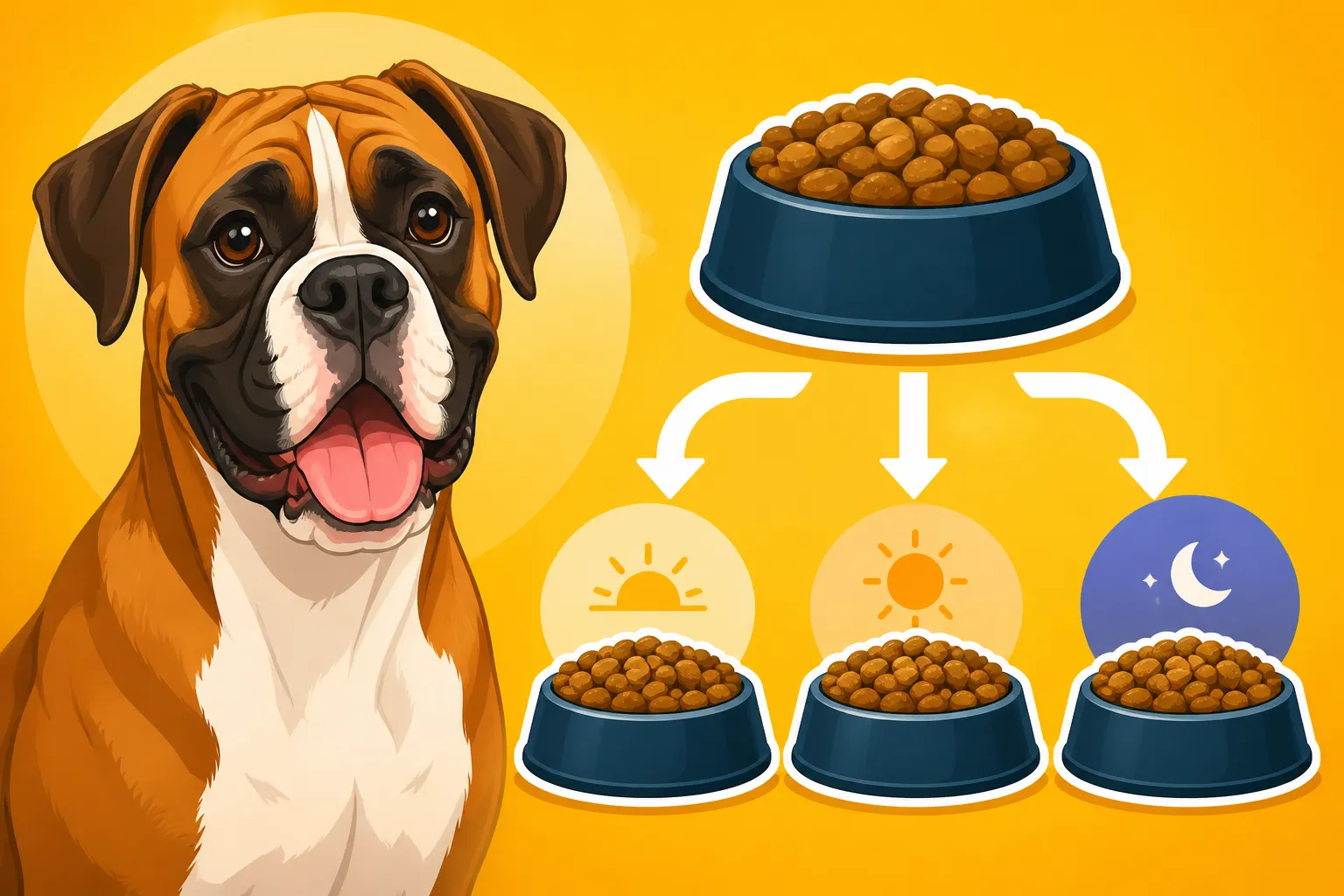
Consistency is key for dogs, and Boxers thrive on routine. While a three-meal schedule means more meals, it doesn't have to complicate your day. Here's a common breakdown that works for many households:
- Morning Meal: The first meal can be given shortly after you wake up, before your morning coffee or getting ready for work. This helps kickstart their metabolism and satisfy initial hunger.
- Midday Meal: This is often the trickiest for working families. If you’re home for lunch, fantastic! If not, this is where automatic feeders become invaluable. They can be programmed to dispense the meal at a set time. Alternatively, if you have a reliable pet sitter or a trusted neighbor, they might be able to pop over.
- Evening Meal: The final meal can be given in the late afternoon or early evening, a few hours before bedtime. This allows ample time for digestion before they settle down for the night, further reducing bloat risk. Remember the importance of Resting a Boxer Before and After Meals.
The exact timings aren't as critical as the consistency. Try to stick to roughly the same three times each day, even on weekends, to help regulate your Boxer's digestive system and manage their expectations.
Leveraging Slow Feeder Bowls and Feeding Aids
Since one of the primary goals of splitting meals is to reduce the amount of air a Boxer gulps down, using slow feeder bowls or puzzle toys is an excellent complementary strategy. Even with smaller portions, some Boxers will still try to vacuum their food up!
- Slow Feeder Bowls: These bowls have ridges, mazes, or pillars inside that force your Boxer to eat around obstacles, significantly slowing down their ingestion. You can find a wide variety of designs on platforms like Chewy or Amazon, making it easy to find one that suits your Boxer's size and eating style. They are a great tool, and we've talked before about Bowls That Stop a Boxer Swallowing Air.
- Puzzle Feeders/Dispensing Toys: For their midday meal, especially if you're not home, a puzzle feeder or a kibble-dispensing toy can be a fantastic option. Not only does it slow down their eating, but it also provides mental stimulation, turning mealtime into a fun, engaging activity. This can be particularly beneficial for energetic Boxers who need outlets for their brains and bodies throughout the day.
By combining smaller, more frequent meals with aids that slow down consumption, you create a powerful defense against rapid eating and its associated risks.
Beyond Bloat: The Broader Benefits of a Three-Meal Schedule
While preventing bloat is a massive win, switching to three meals a day offers a wealth of other advantages for your Boxer’s overall health and happiness. It's truly a holistic approach that can enhance various aspects of their well-being, often subtly but significantly.
Enhancing Nutrient Absorption and Digestive Ease
Think about it: when your Boxer scarfs down a huge meal, their digestive system gets hit with a large load all at once. It has to work incredibly hard to process everything efficiently. For some dogs, especially those with sensitive stomachs, this can lead to undigested food passing through too quickly, meaning they might not be getting all the nutrients they could be.
With smaller, more frequent meals, the digestive system has an easier time. Each meal is a lighter load, allowing enzymes to work more effectively and giving the intestines more opportunity to absorb nutrients. This isn't just theory; many owners report that their Boxers on a three-meal schedule have more consistent, healthier stools and seem to get more out of their food. It’s about gentle, sustained processing rather than a frantic rush.
Mitigating Hunger-Driven Behaviors and Boosting Contentment
A hungry Boxer can be a resourceful Boxer, and sometimes, that resourcefulness isn't exactly charming. Intense hunger between meals can manifest in a variety of undesirable behaviors: incessant begging, counter-surfing, excessive chewing on inappropriate items, or even increased excitability and demand barking. If you've ever dealt with A Boxer That Wrecks Things When Under-Exercised, you know how destructive a bored or overly-hungry Boxer can be.
By distributing their food throughout the day, you significantly reduce those long stretches of intense hunger. Your Boxer feels more satisfied and less driven by a constant quest for food. This can lead to a calmer household, fewer chewed shoes, and a generally happier dog who isn't always fixated on their next meal. It frees up their mental energy for training, play, and just being a loving companion, rather than a food-seeking missile.
Supporting Sensitive Stomachs and Managing Specific Conditions
Boxers are a breed known, anecdotally at least, for having somewhat sensitive digestive systems. Some are prone to conditions like Inflammatory Bowel Disease (IBD) or various forms of colitis. For Boxers struggling with these issues, a three-meal approach can be particularly beneficial. We see this often with Boxer Colitis and the Young Dogs It Hits.
Smaller meals are inherently less taxing on an inflamed or sensitive digestive tract. They prevent the stomach from becoming overly distended, which can exacerbate discomfort in dogs with GI issues. It can also help regulate gut motility, leading to more predictable bowel movements and potentially reducing episodes of diarrhea or vomiting. For Boxers that need medication with food, spreading out meals also offers more opportunities to administer doses easily, ensuring consistent treatment without disrupting their routine too much.
Overcoming Common Challenges in a Three-Meal Household
While the benefits of a three-meal schedule are clear, it’s only natural to have questions and concerns about how to integrate it into your specific lifestyle. We all lead busy lives, and adding another task to the day can feel overwhelming. Let’s tackle some of the most common hurdles Boxer owners face.
Managing the Midday Meal in a Working Household
This is arguably the biggest challenge for many families. If you're out of the house for most of the day, that midday meal can seem impossible. But don't despair, there are several excellent solutions:
- Automatic Feeders: These are a lifesaver. Modern automatic feeders are reliable, programmable, and some even have voice recorders so your Boxer can hear your voice at mealtime! They come in various sizes and styles, and many can be set to dispense precise portions at specific times. This takes the guesswork and the rushing out of your hands. You can find many options from pet supply retailers like Chewy or Amazon.
- Dog Walkers/Pet Sitters: If your budget allows, hiring a trusted dog walker or pet sitter to come in during the middle of the day can serve multiple purposes: they can feed your Boxer, give them a potty break, and even some much-needed exercise and human interaction. This is especially valuable for high-energy Boxers who might also benefit from a stretch and play session during the day.
- Family/Neighbor Support: If you have family living nearby or a kind neighbor who's home during the day, they might be willing to help out. Even a quick pop-in to drop food can make a world of difference. Always offer to reciprocate, of course!
Even if you can’t manage a perfect three meals a day, getting as close as possible—for example, a larger morning, a smaller midday with a feeder, and a regular evening—is still a huge improvement over just two large meals.
Dealing with Picky Eaters and Over-Excitement at Mealtime
Some Boxers, despite their general love of food, can be surprisingly finicky. Others get so utterly overjoyed at mealtime that they become almost unmanageable. Splitting meals can sometimes heighten these behaviors, as they know food is coming more frequently.
- For the Picky Eater: If your Boxer picks at their smaller meals, don't immediately offer alternatives or supplements. Give them a set time (e.g., 15-20 minutes) to eat, then pick up the bowl. They'll quickly learn that food is available at certain times and won't linger. Ensure the food itself is appealing; sometimes a small amount of warm water or a vet-approved food topper can entice them. Consistency will be your best friend here.
- For the Overly Excited Eater: Implement strict mealtime routines. Ask your Boxer to sit and wait patiently before you even set the bowl down. If they break the sit, pick up the bowl and start again. This teaches them that calm behavior earns them their meal. Make sure to use those slow feeder bowls to reduce the speed of consumption once they do get to eat. For Boxers on heart medication, managing excitement is even more critical, and we've discussed this in Whether Excitement Triggers a Boxer's Arrhythmia.
It might take a few days or even a week for them to fully adjust, but Boxers are smart and adaptable, especially when food is involved!
The Importance of a Gradual Transition
Suddenly switching from two meals to three can sometimes upset a sensitive Boxer's stomach or confuse their routine. A gradual transition is always best:
- Start with slightly smaller portions at their usual two mealtimes.
- Introduce a very small portion as a third, "snack" meal about halfway between their two regular meals.
- Slowly increase the size of the third meal while decreasing the size of the original two meals, until all three are roughly equal and you've reached your target total daily intake.
This process can take a week or two, but it allows your Boxer’s digestive system and internal clock to adjust smoothly without too much disruption. Patience is key, as with any dietary change for our furry friends.
Creating a Stable and Healthy Feeding Routine for Your Boxer
Transitioning your Boxer to a three-meal-a-day schedule is more than just a logistical change; it's an investment in their long-term health, happiness, and even your peace of mind. By addressing the specific vulnerabilities of the breed, like bloat risk and rapid eating, you’re taking a proactive step to ensure they live a full, energetic, and comfortable life.
Remember, this isn't about radically altering their diet, but rather intelligently redistributing their existing nutrition. It helps to stabilize their energy, ease their digestion, and can even improve their behavior by curbing extreme hunger. Yes, it might require a little initial planning and possibly some new tools like an automatic feeder or a slow-eating bowl from Chewy or Amazon, but the benefits far outweigh the minor adjustments.
Observe your Boxer during this transition. Pay attention to their energy levels, their stool quality, and their overall demeanor. You'll likely find that a more consistent feeding rhythm makes for a happier, healthier, and much more contented Boxer, ready to wiggle and play without the discomfort of an overfilled belly or the gnawing pangs of intense hunger. It's one of those simple changes that truly makes a profound difference in the daily life of your beloved companion.
| Aspect | Two Meals a Day | Three Meals a Day |
|---|---|---|
| Bloat Risk | Higher, especially with fast eating | Lower due to smaller stomach load and less air gulping |
| Digestive Ease | Heavier load on digestive system at once | Lighter, more frequent loads for easier processing |
| Energy Stability | Peaks and valleys (sugar spikes/crashes) | More consistent blood sugar and energy levels |
| Hunger Management | Longer periods of intense hunger between meals | Reduced hunger, potentially fewer hunger-driven behaviors |
| Nutrient Absorption | Potentially less efficient with rapid eating | Improved due to better breakdown and absorption |
| Owner Convenience | Easier for working households without aids | Requires more planning or automatic feeders |
Disclaimer
This article is for general informational purposes only and does not constitute professional advice. Laws, prices and regulations vary by location and change over time. Consult a qualified professional for guidance on your specific situation.