Whether a Boxer Needs High-Protein Food
It's easy to look at your Boxer's muscular, athletic build and assume they need an exceptionally high-protein diet to maintain that impressive physique. Many of us fall into the trap of thinking "more is always better" when it comes to protein for active dogs. However, the truth about a Boxer's protein needs is a bit more nuanced than simply piling on the protein. This guide will help you understand what constitutes appropriate protein levels for your Boxer, ensuring they get the right nutrition without overdoing it.
The Role of Protein in Your Boxer's Diet
Protein is an absolute cornerstone of any dog's diet, and Boxers are certainly no exception. It's not just about building big muscles; protein plays a vital role in countless bodily functions, from immune health to hormone production. Understanding its fundamental importance is the first step in deciding if "high-protein" is truly necessary for your beloved companion.
Building Blocks for Boxer Muscle and Health
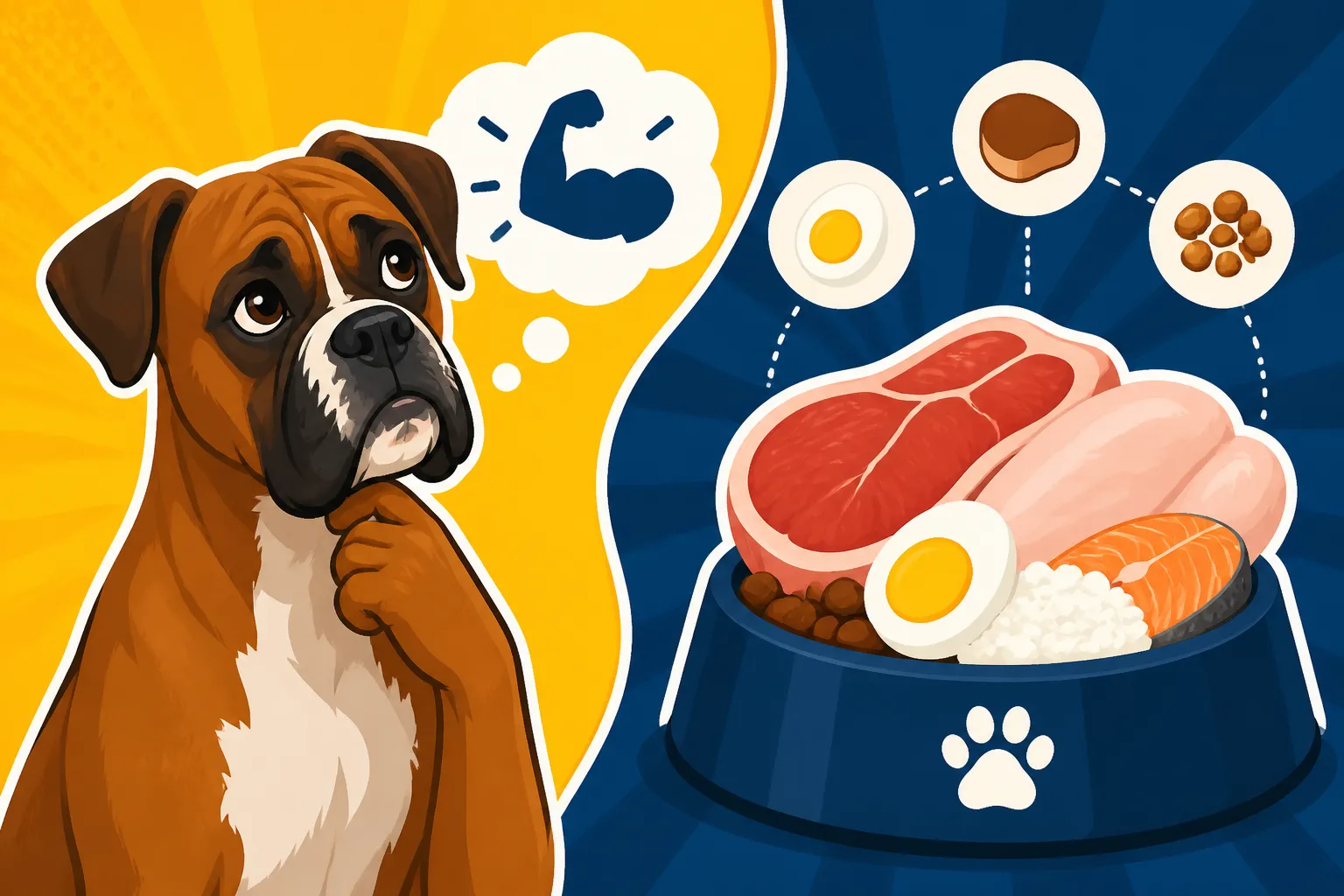
Think of protein as the LEGO bricks for your Boxer's body. These bricks are made up of amino acids, and your Boxer needs a constant supply of them to repair tissues, grow new cells, and maintain their powerful musculature. Without adequate protein, especially the essential amino acids they can't produce themselves, their body simply can't function optimally. For a breed like the Boxer, known for its strong, agile build, this is particularly important for maintaining healthy muscle mass and supporting their active lifestyle. A lean, muscled Boxer is a happy, healthy Boxer, and protein is critical to achieving that condition.
Beyond muscle, protein is crucial for producing enzymes, hormones, and antibodies, all of which are essential for a robust immune system and proper metabolic function. It helps with hair and skin health, ensuring that short, sleek Boxer coat remains shiny and healthy. It also plays a role in blood clotting and oxygen transport, underlining its widespread impact across your dog's entire system. It truly is a workhorse nutrient.
Energy and Satiety: More Than Just Muscle
While carbohydrates and fats are typically the primary sources of energy for dogs, protein can also be utilized for energy when needed. This is particularly relevant for highly active Boxers who might burn through other energy stores quickly. However, one often-overlooked benefit of protein is its role in satiety. Foods rich in protein tend to keep dogs feeling fuller for longer. This can be a huge advantage for Boxers, who sometimes act like bottomless pits! Feeding a diet with adequate protein can help manage their appetite, prevent overeating, and consequently help maintain a healthy weight. Feeding a Boxer to Stay Lean and Muscled is vital for their long-term health, and protein plays a significant part in that. If your Boxer is constantly scavenging or seems unsatisfied after meals, checking the protein content of their food, alongside overall calorie intake, might be a good place to start.
How Much Protein Does a Boxer Actually Need?
This is where the term "high-protein" can get a little fuzzy. What one person considers high-protein, another might see as standard. The key isn't necessarily a super-high percentage, but rather finding the optimal level that supports your Boxer's specific needs without going overboard.
General Guidelines vs. Individual Needs
The Association of American Feed Control Officials (AAFCO) sets minimum protein requirements for dog food. For adult dogs, this minimum is typically 18% on a dry matter basis, and for growing puppies, it's 22%. However, these are just minimums to prevent deficiency, not necessarily optimal levels for a healthy, active Boxer. Most commercial dog foods, especially those marketed for active or large breeds, far exceed these minimums, often ranging from 25% to 35% protein.
For an average, healthy adult Boxer with a moderate activity level, a diet with protein in the 25-30% range is often perfectly adequate. However, every Boxer is an individual. A very high-energy working Boxer might benefit from the higher end of that spectrum, while a more sedate senior Boxer might do well on slightly less, especially if they have underlying health conditions that require dietary adjustments. It's crucial to look at the whole picture – your Boxer's age, activity, and overall health – rather than just chasing a single percentage.
Protein Needs Through a Boxer's Life Stages
A Boxer's protein requirements aren't static; they change significantly throughout their life.
- Puppies: Growing Boxer puppies need more protein to fuel their rapid development. Their bodies are building muscle, bone, and organs at an incredible rate. Look for puppy formulas designed for large breeds, which typically have protein levels around 28-32%. Crucially, these formulas also balance calcium and phosphorus appropriately for large breed growth, which is as important as protein. Feeding a Boxer Puppy Through the Growth Year is a delicate balance.
- Adults: Once your Boxer reaches maturity, usually around 18-24 months, their growth slows, and their protein needs stabilize. As mentioned, 25-30% is a good general range for an active adult. However, an exceptionally athletic Boxer involved in dog sports might lean towards the higher end, while a more relaxed family dog might thrive on the lower end.
- Seniors: As Boxers age, their metabolism can slow, and some might even start to lose muscle mass (sarcopenia). For some senior Boxers, a slightly higher protein diet can actually help maintain muscle mass, provided their kidneys are healthy. However, if a senior Boxer has kidney issues, protein may need to be carefully controlled. Always consult your vet when adjusting a senior Boxer's diet, especially for Kidney and Liver Values in an Aging Boxer.
The Impact of Activity Levels on Protein Requirements
This is where many Boxer owners intuitively jump to "high-protein." Boxers are energetic dogs! They love to run, play, and zoom.
- Highly Active Boxers: A Boxer that regularly participates in intense activities like agility, flyball, or long, strenuous hikes will naturally burn more calories and break down more muscle tissue during exercise. For these canine athletes, a protein content closer to the 30-35% range can be beneficial for muscle repair and recovery. They need that extra fuel to rebuild and stay strong.
- Moderately Active Boxers: Most family Boxers fall into this category. They get a couple of good walks a day, play in the yard, and have bursts of energy. For them, the 25-30% protein range is usually ideal. It supports their muscle tone and energy levels without overtaxing their system. Daily Calories for a Seventy-Pound Boxer is a good read if you're trying to figure out their overall caloric intake alongside protein.
- Sedentary Boxers: If your Boxer is less active due to age, injury, or temperament, their protein needs might be slightly lower. Overfeeding protein to a sedentary dog can contribute to weight gain, and Why Extra Weight Hurts a Boxer's Heart is a serious consideration for Boxers. A vet-recommended diet that focuses on lean protein and controlled calories would be appropriate here.
Here's a quick reference table to illustrate general protein guidelines:
| Life Stage | Activity Level | Suggested Dry Matter Protein Range | Key Consideration |
|---|---|---|---|
| Puppy (up to 18-24 months) | High | 28-32% | Supports rapid growth; balanced Ca/P ratio is crucial |
| Adult (2-7 years) | High | 30-35% | Muscle repair, recovery for intense activity |
| Adult (2-7 years) | Moderate | 25-30% | General maintenance, lean muscle support |
| Adult (2-7 years) | Low | 20-25% | Weight management, lower energy needs |
| Senior (8+ years) | Moderate/High | 25-30% | Muscle mass maintenance (if kidneys are healthy) |
| Senior (8+ years) | Low (with kidney issues) | <20% (vet-supervised) | Kidney protection, reduced phosphorus |
Note: These are general guidelines. Always consult your veterinarian for specific dietary recommendations for your individual Boxer.
Choosing Quality Protein Sources for Your Boxer
It's not just about the percentage of protein; the quality and source of that protein are equally, if not more, important. A diet with 30% protein from poor quality ingredients is less beneficial than a diet with 25% protein from highly digestible, premium sources.
Common and Novel Proteins in Commercial Dog Food
When you look at dog food labels, the first few ingredients are crucial because they make up the largest portion of the food. For Boxers, you want to see identifiable, whole protein sources at the top of that list.
- Common Protein Sources: Chicken, beef, turkey, lamb, and fish (like salmon or whitefish) are excellent and common protein sources. These provide a complete amino acid profile, meaning they contain all the essential amino acids your Boxer needs. Many popular brands available on platforms like Chewy offer a wide variety of formulas featuring these proteins.
- Novel Proteins: If your Boxer has food sensitivities or allergies, novel proteins like duck, venison, rabbit, or even kangaroo might be recommended by your vet. These are proteins your dog hasn't been exposed to before, reducing the likelihood of an allergic reaction. Companies like Ollie, known for their fresh, customized meal plans, often incorporate novel proteins, as do many premium kibble brands you can find on Amazon. When considering a food trial for a sensitive Boxer, a Novel Protein Diets for a Boxer can be very effective.
- Protein Meals: You might also see ingredients like "chicken meal" or "lamb meal." Don't be fooled by the word "meal." These are often highly concentrated protein sources. They are rendered products where the water has been removed, making them a potent source of amino acids. As long as the source is clearly identified (e.g., "chicken meal" rather than "meat meal"), they can be a valuable part of a good dog food.
What you want to avoid are foods where the primary protein sources are ambiguous "meat by-products" without clear identification, or where plant-based proteins (like corn gluten meal) are listed very high up, implying they are the main protein contributor. While plant proteins can contribute, a Boxer's diet should be centered around animal-based protein for optimal health. Whether a Boxer Needs Grain in the Diet is another aspect of diet that gets a lot of discussion, and often gets conflated with protein.
Balancing Protein with Other Nutrients
Even with the best protein sources, a Boxer's diet needs to be balanced. Protein is just one piece of the nutritional puzzle.
- Fats: Healthy fats are essential for energy, skin and coat health, and absorption of fat-soluble vitamins. For an active Boxer, fats provide dense calories. Protein and Fat for a Muscular Boxer need to work in tandem.
- Carbohydrates: While often villainized, complex carbohydrates from sources like sweet potatoes, peas, and brown rice provide sustained energy and fiber for digestive health.
- Vitamins and Minerals: A complete and balanced dog food will have all the necessary vitamins and minerals to support overall health.
- Fiber: Fiber is crucial for digestive regularity, which is particularly important for Boxers who can sometimes have sensitive stomachs. Whether Fiber Helps a Boxer's Loose Stools is a common question, and adequate fiber, alongside quality protein, can make a big difference.
When evaluating a dog food, look for a guaranteed analysis that shows not only protein, but also fat, fiber, and moisture content. The ingredients list should clearly indicate wholesome sources for all these components. Many owners find that purchasing food through a dedicated pet supply retailer like Chewy allows them to filter by ingredients and nutritional content, making it easier to compare options.
The Risks of Imbalance: Too Much or Too Little Protein
While the focus often leans towards ensuring enough protein, it's just as important to understand the potential consequences of getting the balance wrong, whether it's too much or too little.
What Happens with Protein Excess?
The good news is that healthy dogs are generally quite efficient at processing excess protein. Their bodies can break down surplus amino acids and excrete the nitrogen waste via the kidneys. The remaining calories can be used for energy or stored as fat. However, this doesn't mean "more is always better" for your Boxer.
- Kidney Strain: For Boxers with pre-existing kidney disease or impaired kidney function, a very high-protein diet can put an additional strain on their kidneys. The kidneys have to work harder to filter out the waste products. This is why veterinary consultation is paramount for senior Boxers or those with kidney issues. For healthy Boxers, there's little evidence that a higher protein diet causes kidney disease, but it can exacerbate it if it's already present.
- Weight Gain: If the "high-protein" food also comes with high calories, and your Boxer isn't burning them off, those extra calories (even from protein) will be stored as fat. This can lead to obesity, which brings its own host of health problems.
- Digestive Upset: Some Boxers, particularly those with sensitive stomachs, might experience digestive upset (diarrhea, gas) from a sudden switch to a very high-protein diet, especially if it's accompanied by very high fat content. This is why any dietary change should be gradual.
- Cost: High-protein dog foods often come with a higher price tag. If your Boxer doesn't truly need that extra protein, you might be spending more money for no added benefit.
The Dangers of Protein Deficiency
On the flip side, not enough protein can be far more detrimental to your Boxer's health. While less common with modern commercial dog foods that meet AAFCO standards, it's a serious concern if a dog is fed an inappropriate diet.
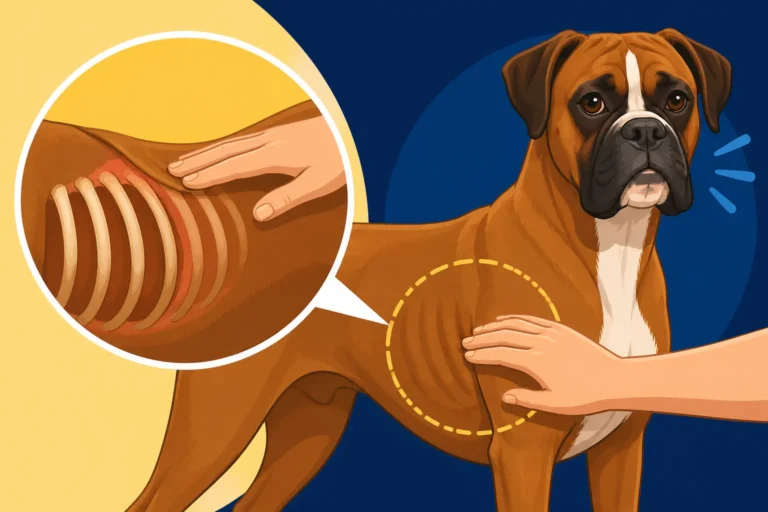
- Muscle Wasting: Without sufficient protein, your Boxer's body will start to break down its own muscle tissue to get the amino acids it needs. This leads to weakness, loss of muscle mass, and a noticeable decline in physical condition.
- Poor Coat and Skin: Protein is vital for healthy skin and a shiny coat. A deficiency can lead to dull, brittle fur, poor skin elasticity, and even skin lesions.
- Weakened Immune System: The antibodies that fight off infection are made from protein. A lack of protein can compromise your Boxer's immune response, making them more susceptible to illness.
- Stunted Growth in Puppies: Protein deficiency in Boxer puppies can lead to severely stunted growth and developmental problems, as their bodies simply can't build the necessary tissues and structures.
- Anemia and Fluid Imbalance: Protein plays a role in red blood cell production and maintaining fluid balance within the body. Deficiency can contribute to anemia and swelling (edema).
Ultimately, your Boxer doesn't necessarily need a diet that screams "high-protein" on the label, but rather one that provides a quality, balanced, and appropriate amount of protein for their specific life stage, activity level, and health status. Always prioritize whole, identifiable protein sources, balance them with healthy fats and carbohydrates, and consult your veterinarian for personalized dietary advice. You might explore various reputable brands available through retailers like Chewy or specialty providers like Ollie to find the perfect fit for your beloved Boxer.
Disclaimer
This article is for general informational purposes only and does not constitute professional advice. Laws, prices and regulations vary by location and change over time. Consult a qualified professional for guidance on your specific situation.