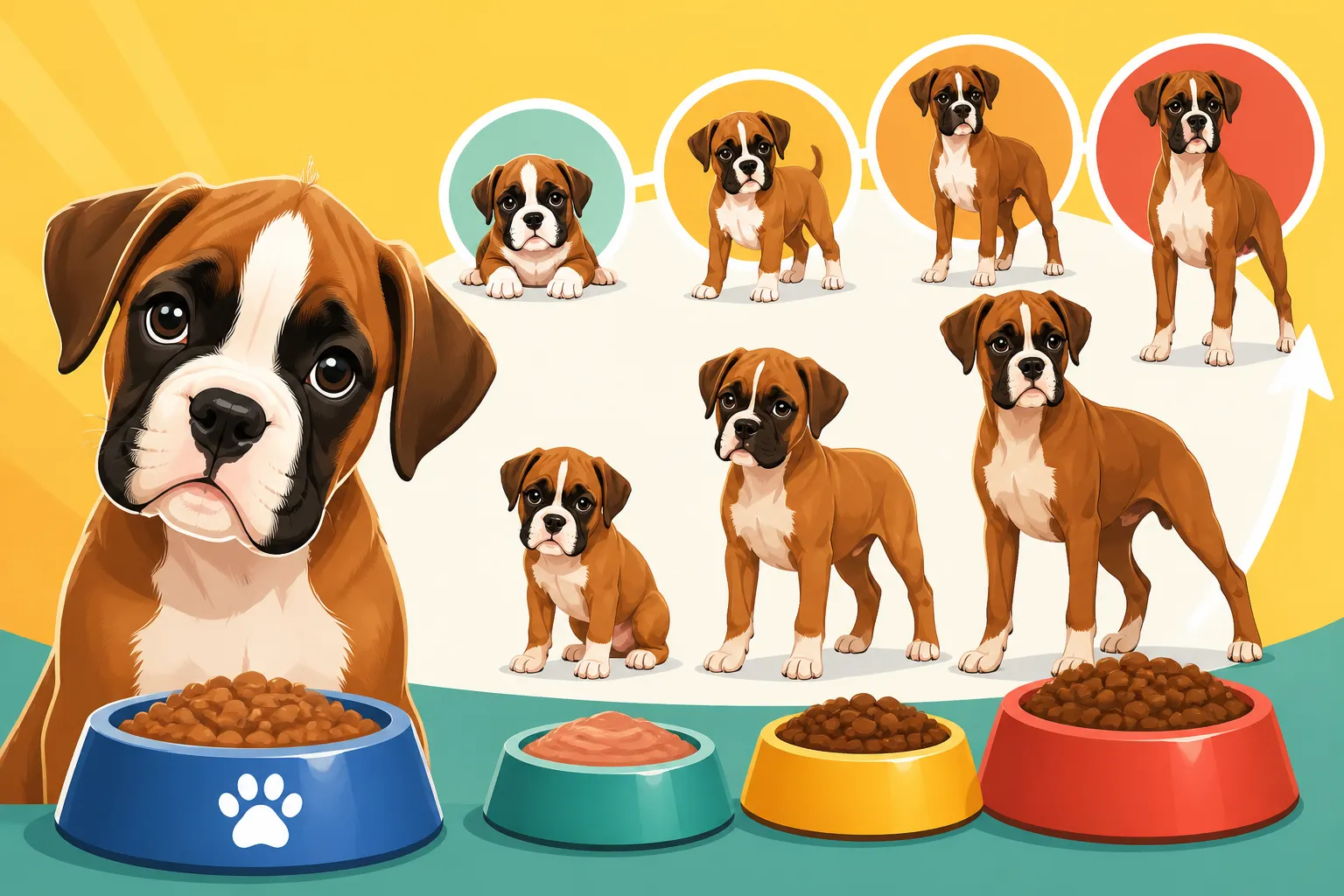
Feeding a Boxer Puppy Through the Growth Year
Bringing home a Boxer puppy is an absolute joy, but it also comes with a unique set of responsibilities, especially when it comes to their diet. These energetic, rapidly growing bundles of muscle and mischief need very specific nutrition to support their development, and it's easy for new owners to feel overwhelmed by all the choices and advice out there. This guide is here to walk you through everything you need to know about feeding your Boxer puppy from the day you bring them home all the way through their incredible growth year, ensuring they get the best start in life.
The Unique Nutritional Needs of a Growing Boxer Puppy
Boxer puppies are not just small adult Boxers; they are distinct physiological entities with demanding nutritional requirements that differ significantly from mature dogs or even puppies of smaller breeds. Their rapid growth rate, combined with their naturally high energy levels and genetic predisposition to certain joint and bone issues, means their diet needs to be carefully managed. Understanding these unique needs is the foundation of responsible Boxer ownership.
The Rapid Growth of a Boxer Puppy
From the moment you bring them home, usually around eight weeks old, Boxer puppies are on a fast track to becoming powerful, seventy-pound adults. This isn't a slow, gentle progression; it's a monumental undertaking for their bodies. They're not just getting bigger; their bones are lengthening, their muscles are developing, and their internal organs are maturing at an astonishing pace. This period of rapid growth is critical, and any nutritional missteps can have long-lasting consequences.
Think about it: a small breed puppy might double its weight a few times, but a Boxer puppy can increase its birth weight many, many times over in its first year. This puts immense stress on their developing skeletal system. If they grow too quickly due to an improper diet, their bones and joints, particularly their growth plates, can suffer damage that leads to conditions like hip or elbow dysplasia later in life. This is why specialized large breed puppy food is so vital – it's designed to promote a controlled growth rate, not necessarily the fastest.
It's a common misconception that more food, or food with higher protein and fat, will simply create a bigger, stronger Boxer. In reality, unchecked rapid growth can actually weaken their structure. The goal is to provide enough nutrients to fuel healthy development without accelerating the process beyond what their genetics are prepared for. This delicate balance is what makes feeding a Boxer puppy such a critical art.
Energy Demands and Caloric Needs
If you've spent even five minutes with a Boxer puppy, you know they are practically pure kinetic energy. They zoom, they bounce, they box, and they explore with an enthusiasm that seems boundless. All of this activity, combined with the immense work their bodies are doing internally to grow, demands a significant amount of calories. However, it's not just about quantity; it's about the quality and source of those calories.
Unlike adult dogs who might maintain their weight on a lower caloric intake once their growth is complete, Boxer puppies are burning through energy constantly. A typical Boxer puppy needs more calories per pound of body weight than an adult Boxer, simply because of their metabolic rate and growth. This means you'll often find yourself feeding them what seems like an astonishing amount of food. The key is that this food needs to be nutrient-dense, providing sustained energy without packing on unhealthy fat.
However, even with high energy demands, overfeeding is still a risk. An overweight puppy, even if still growing, puts undue strain on those developing joints. The trick is to provide enough calories to fuel their boundless energy and robust growth without allowing them to become pudgy. This often means regular monitoring of their body condition and adjusting their food intake as their activity levels and growth spurts fluctuate.
Protein, Fat, and Calcium: Getting the Balance Right
When we talk about the specific nutrients a Boxer puppy needs, protein, fat, and calcium are often at the top of the list, and for good reason. Protein is the building block for all that magnificent muscle your Boxer is developing. High-quality animal protein sources are crucial, ensuring they get all the essential amino acids necessary for strong muscles, healthy organs, and a robust immune system. Look for named meat sources like chicken meal, lamb meal, or beef in the ingredient list.
Fat, on the other hand, is a concentrated source of energy, vital for powering your puppy's high metabolism and playful antics. It also plays a critical role in brain development, healthy skin, and a shiny coat. But just like with calories, too much fat can lead to excessive weight gain. The fat content in a large breed puppy food is usually carefully balanced to provide energy without promoting too rapid growth. You might find brands like Ollie that focus on fresh, balanced meals, which can be a great option for precise nutritional control.
Perhaps most critically, calcium and phosphorus levels are paramount for proper bone development. While calcium is essential for strong bones, an excess, or an imbalance with phosphorus, can be detrimental to large breed puppies. Too much calcium can interfere with bone remodeling and lead to skeletal deformities. This is why you should never supplement a large breed puppy's diet with extra calcium unless specifically instructed by your veterinarian. Large breed puppy formulas are meticulously formulated to have optimal calcium-to-phosphorus ratios and controlled calcium levels to support healthy, steady bone growth, helping to prevent issues like Growth Limits on a Boxer Puppy's Joints.
Choosing the Right Food for Your Boxer Puppy
Navigating the pet food aisle can feel like deciphering ancient hieroglyphs, especially when you're trying to make the best choice for your rapidly growing Boxer puppy. There are so many brands, types, and claims out there. But by understanding a few key principles and knowing what to look for, you can confidently select a diet that supports your Boxer's health and development.
Understanding Large Breed Puppy Formulas
This is perhaps the single most important factor when choosing food for your Boxer puppy. A generic "puppy food" simply isn't adequate. Boxers, being a deep-chested, fast-growing large breed, require a formula specifically designed for large breed puppies. These specialized foods are not just bigger kibble pieces; they are formulated with a different nutritional profile.
The primary difference lies in the controlled levels of calcium, phosphorus, and energy (fat and protein). As mentioned, large breed puppy formulas are designed to promote slow and steady growth, rather than fast and furious. This is crucial for the proper development of their bones and joints. Rapid growth, particularly an overabundance of calcium, can lead to developmental orthopedic diseases. These formulas typically have slightly lower fat and protein percentages than regular puppy foods, but still more than adult foods, ensuring they get enough energy without encouraging unhealthy weight gain or accelerated bone growth.
Using a general puppy food for a Boxer can be akin to giving a growing child a diet meant for a bodybuilder – too much of certain nutrients can actually be harmful. Always look for packaging that explicitly states it's for "large breed puppies" or "large and giant breed puppies." This designation is your assurance that the formula takes their unique growth curve into account, laying the groundwork for a strong and healthy Boxer Lifespan and the Years That Decide It.
Deciphering Dog Food Labels
Reading a dog food label can feel like a chore, but it's where you'll find the most vital information about what you're feeding your Boxer. The first thing to look for is an AAFCO (Association of American Feed Control Officials) statement. This statement confirms that the food provides "complete and balanced nutrition" for a specific life stage, in this case, "growth" or "all life stages" (which also covers growth). Without this statement, you can't be sure the food meets essential nutritional requirements.
Next, dive into the ingredient list. Ingredients are listed in descending order by weight. For a Boxer puppy, you want to see a high-quality, named meat protein as the first ingredient, such as "deboned chicken," "lamb meal," or "salmon." Avoid generic terms like "meat by-products" or "animal digest" as primary protein sources. Whole grains like brown rice or oats, or vegetables like sweet potatoes and peas, are good sources of carbohydrates and fiber. You'll want to avoid artificial colors, flavors, and excessive fillers. Many reputable brands, often found on platforms like Chewy, offer detailed ingredient breakdowns and transparency that can help you make an informed choice.
It's also important to check the guaranteed analysis, which tells you the minimum percentages of crude protein and fat, and maximum percentages of crude fiber and moisture. For large breed puppies, pay close attention to the calcium and phosphorus levels. A general guideline for large breed puppy food is a calcium level between 1.0% and 1.5% on a dry matter basis, with a calcium-to-phosphorus ratio between 1:1 and 1.5:1. Your vet can help you interpret these numbers for specific brands if you're unsure.
Wet vs. Dry vs. Fresh vs. Raw
The debate over different food formats is ongoing, and each has its proponents and considerations for a Boxer puppy.
Dry Kibble: This is the most common and often most economical choice. High-quality dry kibble for large breed puppies is formulated to be nutritionally complete and can help keep teeth cleaner. Its convenience and long shelf life are undeniable. However, some Boxers might find it less palatable, and it contains less moisture, requiring diligent water intake. Many popular large breed puppy formulas come in kibble form, making it widely accessible.
Wet Food: Canned wet food is often more palatable due to its higher moisture content and richer aroma. This can be great for picky eaters or for encouraging hydration. However, it's typically more expensive, and feeding a full-grown Boxer puppy solely on wet food can become very costly very quickly. It also doesn't offer the same dental benefits as kibble. Often, wet food is used as a topper or a special treat rather than a primary diet for growing Boxers.
Fresh/Cooked Food: Services like Ollie provide pre-portioned, human-grade, gently cooked meals. These diets offer excellent control over ingredients, are highly palatable, and have high moisture content. They can be particularly beneficial for Boxer puppies with sensitive stomachs or allergies, as you know exactly what's in the bowl. The downside is typically the higher cost and the need for refrigeration. For a large, fast-growing breed like the Boxer, the cost can be a significant factor, but the nutritional benefits and palatability can be worth it for some families.
Raw Food (BARF/Prey Model): Raw diets typically consist of raw muscle meat, organs, and bones. Advocates claim benefits like improved digestion, shinier coats, and better energy. However, feeding a raw diet to a growing large breed puppy comes with significant risks. It's incredibly challenging to ensure a complete and balanced diet, especially regarding the crucial calcium-to-phosphorus ratio, which is vital for proper bone development in Boxers. Imbalances can lead to severe skeletal issues. There are also risks of bacterial contamination. If you consider a raw diet, it is imperative to consult with a board-certified veterinary nutritionist to formulate a safe and balanced plan tailored specifically for your Boxer puppy's growth needs. Without expert guidance, it is generally not recommended for growing puppies due to the high risks involved.
Feeding Schedule and Portion Control
Getting the "what" right is only half the battle; the "how" and "when" of feeding your Boxer puppy are equally critical. A consistent feeding schedule and diligent portion control are paramount for healthy growth, proper digestion, and even for managing potential health risks like bloat, a condition Why a Boxer's Chest Shape Invites Bloat for which Boxers are genetically predisposed.
How Many Meals a Day for a Boxer Puppy
The frequency of meals for your Boxer puppy will evolve as they grow, much like their bodies. In the early weeks and months, frequent small meals are essential for their rapidly developing digestive system and to maintain stable blood sugar levels.
- 8 to 12 weeks: This is a crucial stage. Your Boxer puppy should be eating three to four meals a day. Their stomachs are small, and they need consistent nutrition to fuel their intensive growth. Spreading meals out also helps prevent overwhelming their digestive system and reduces the risk of bloat by not allowing them to gorge on large quantities at once.
- 3 to 6 months: As they get a little older and their digestive systems mature, you can often transition to three meals a day. They still need regular feeding to support their energy levels and continued growth, but the need for very frequent meals starts to lessen slightly.
- 6 months to 12-18 months: By six months, most Boxer puppies can comfortably eat two meals a day. This schedule often continues into adulthood. However, some owners of deep-chested breeds like Boxers choose to stick with three smaller meals a day even into adulthood as an additional measure to help prevent bloat, as Whether a Boxer Should Rest After Meals is often recommended.
Sticking to a schedule is not just about nutrition; it aids in house training, helps them feel secure in a routine, and allows you to monitor their appetite and digestion consistently. If you notice a sudden change in appetite or a refusal to eat, it's often the first sign that something might be amiss.
Calculating the Right Portions
This is where many new Boxer owners struggle. Dog food bags provide general guidelines, but every puppy is an individual. The amount of food your Boxer puppy needs depends on several factors: their current age, weight, activity level, metabolism, and the caloric density of the food you're feeding.
Start with the feeding recommendations on your large breed puppy food bag, based on your puppy's current weight and age. However, this is just a starting point. The most effective way to determine the right portion is through body condition scoring. You should be able to:
- Feel their ribs easily when you run your hands along their side, but not see them prominently.
- See a distinct waistline when viewed from above, like an hourglass shape.
- Observe a tuck-up from the side, where their belly rises from their chest.
If you can easily see ribs, your puppy might need a little more food. If you can't feel their ribs without pressing, they might be overweight and need a reduction in food. Adjust their daily portion in small increments (e.g., a quarter cup) and monitor their body condition over a few days. Remember, the goal is controlled growth, not maximum weight. Regularly assessing their body condition is far more important than strictly adhering to a bag's recommendations. Platforms like Amazon make it easy to find measuring cups for precise portions, removing guesswork.
The Importance of a Consistent Schedule
Dogs thrive on routine, and Boxers are no exception. A consistent feeding schedule provides a sense of security and predictability for your puppy, reducing anxiety and making house training much smoother. When your puppy eats at predictable times, they will also need to relieve themselves at predictable times, making it easier for you to anticipate potty breaks.
Beyond routine, a consistent schedule is vital for digestion. Their digestive system gets into a rhythm, preparing to process food at specific times. This can help prevent an upset stomach, gas (something Boxers are famously prone to!), and irregular bowel movements. Feeding them at different times each day can disrupt this rhythm, potentially leading to digestive woes.
Furthermore, a schedule helps you observe your puppy's eating habits. If they suddenly lose interest in food or take an unusually long time to eat, it's immediately noticeable when you have a set routine. This early detection can be critical for addressing potential health concerns promptly. Think of it as building a healthy foundation, not just for their bodies, but for their overall well-being and your peace of mind.
Monitoring Your Boxer Puppy's Growth and Health
Bringing up a Boxer puppy is a journey filled with milestones, and monitoring their growth and health is one of the most fulfilling parts. Since Boxers grow so rapidly, keeping a close eye on their development is crucial to ensure they are on the right track and to catch any potential issues early.
Tracking Weight and Body Condition
Your Boxer puppy will put on weight at an astonishing rate during their first year. While it's exciting to see them grow, it's important to ensure this growth is steady and healthy, not overly fast or slow. Regularly weighing your puppy, perhaps once a week initially, then every two weeks, can give you valuable data. You can use a bathroom scale (weigh yourself, then weigh yourself holding the puppy, and subtract) or ask your vet to weigh them during visits.
However, weight alone doesn't tell the whole story. Body condition scoring (BCS) is arguably more important. As discussed, you should be able to feel their ribs without seeing them, see a visible waistline, and have a clear abdominal tuck. A "ribby" appearance with visible ribs indicates they might be too thin, while a lack of a discernible waist or tuck, or difficulty feeling ribs, means they are likely overweight. Growth spurts are normal, where they might suddenly shoot up in height, and their weight might lag slightly, making them look a bit gangly before they fill out again. This is perfectly normal for a Boxer.
Keeping a small log of their weight and any visual changes in their body condition can be incredibly helpful for your vet during check-ups. It provides a detailed history of their development and helps ensure they are maintaining that ideal lean, athletic Boxer physique as they grow towards being a seventy-pound dog.
Recognizing Signs of Overfeeding or Underfeeding
Being able to spot the signs of improper feeding is key to making timely adjustments to your Boxer puppy's diet.
Signs of Overfeeding:
- Excess weight gain: This is the most obvious sign. If your puppy looks round, lacks a waist, or you can't easily feel their ribs, they are getting too much food. An overweight puppy is at higher risk for joint problems and other health issues.
- Lethargy: While Boxers are naturally energetic, a constantly sluggish puppy might be overfed or experiencing other health issues.
- Loose stools or diarrhea: Overfeeding, especially with rich food, can upset a puppy's sensitive digestive system, leading to soft or runny stools. If you see Bloody Mucus in a Young Boxer's Stool, this could indicate a more serious issue like Boxer Colitis and the Young Dogs It Hits, and warrants an immediate vet visit.
Signs of Underfeeding:
- Visible ribs, spine, or hip bones: If these bones are clearly prominent without needing to feel for them, your puppy is too thin.
- Lack of energy: While some puppies are naturally calmer, a consistently low-energy puppy might not be getting enough calories to fuel their growth and activity.
- Constant hunger: While Boxer puppies always seem hungry, if they are frantically scavenging for food or intensely focused on your meals even immediately after eating, they might not be receiving enough nutrition.
- Poor coat quality: A dull, dry, or flaky coat can sometimes be an indicator of nutritional deficiencies, though it can also point to other health problems or allergies.
Always consult your veterinarian if you're concerned about your puppy's weight or health. They can provide personalized advice and rule out any underlying medical conditions.
When to Transition to Adult Food
The transition from large breed puppy food to adult maintenance food is another critical step. Doing it too early or too late can have implications for their development. Generally, most Boxers are ready to transition between 12 to 18 months of age.
The exact timing often depends on their individual growth rate and when their growth plates have closed. While they might still be "filling out" and gaining muscle mass even after a year, their rapid skeletal growth typically slows down or stops around this time. Continuing to feed a large breed puppy formula past this point, with its higher caloric density and controlled calcium levels designed for active growth, isn't usually harmful but can contribute to unnecessary weight gain if not carefully managed. Some vets prefer to wait until 18 months, especially for larger or slower-maturing individuals.
A good indicator that they are ready is when their growth curve has leveled off, and they are starting to look more like a mature Boxer than a gangly puppy. Your veterinarian is your best resource for determining the precise timing for your specific dog. They can assess your Boxer's individual development and advise you on the optimal moment to make the switch, ensuring they continue on a healthy trajectory into adulthood.
Addressing Common Feeding Challenges
Even with the best intentions and the right food, feeding a Boxer puppy can come with its quirks and challenges. From finicky appetites to sensitive tummies, it's helpful to know how to navigate these common hurdles effectively and empathetically.
Picky Eaters and Food Refusal
Boxers, for all their boisterous energy, can sometimes be surprisingly picky eaters. One day they devour their food with gusto, the next they turn their nose up. This can be incredibly frustrating and worrying for owners, especially when you're trying to ensure they get all the nutrients for growth.
First, rule out any medical issues. A sudden and complete refusal to eat, especially if accompanied by lethargy, vomiting, or diarrhea, warrants an immediate vet visit. A Boxer with a Heart Murmur Heard at a Boxer Puppy Check or other underlying conditions might show a decreased appetite. If your vet gives a clean bill of health, then you might have a true picky eater on your hands.
To encourage eating, try making mealtime less stressful. Avoid hovering or bribing with unhealthy human foods, which can reinforce pickiness. Offer their food, give them about 15-20 minutes, and if they don't eat, pick it up until the next mealtime. This teaches them that food is available at certain times, and if they don't eat it, it goes away. You can also try adding a small amount of warm water or low-sodium chicken broth to kibble to enhance the aroma and texture. Some owners find that fresh food brands, like Ollie, are incredibly appealing to picky eaters due to their human-grade ingredients and palatability. Rotating flavors within the same brand can also sometimes reignite interest, as long as the base formula remains consistent for their large breed needs.
Sensitive Stomachs and Diarrhea
Boxers, unfortunately, can be prone to sensitive stomachs and gastrointestinal issues, sometimes manifesting as intermittent diarrhea or loose stools. This is a common frustration for many Boxer owners who spend countless hours cleaning up messes and worrying about their puppy's gut health.
If your Boxer puppy experiences diarrhea, the first step is always to rule out serious causes. Parasites, viral infections (like Parvovirus), and bacterial overgrowth can all cause severe gastrointestinal distress. A vet visit for a stool sample check is crucial. If it's persistent, especially if you see Bloody Mucus in a Young Boxer's Stool, it needs immediate attention. Once serious issues are ruled out, it might be dietary.
Common culprits for sensitive Boxer stomachs include sudden food changes, rich treats, table scraps, or food intolerances (often to common proteins like chicken or beef). If you suspect a food intolerance, your vet might recommend a novel protein diet (e.g., duck, venison, or fish) for a period to see if symptoms improve. For acute bouts of mild diarrhea, a bland diet of plain boiled chicken (no skin or bones) and white rice for a few days can help reset their digestive system. Gradually reintroduce their regular food once stools firm up. Probiotics, either as supplements or found in some specialized foods, can also support gut health. You can find a range of sensitive stomach foods and supplements at retailers like Chewy. It’s a delicate balance to figure out Whether a Boxer Puppy Outgrows Loose Stools.
Bloat Prevention: Elevated Bowls, Slow Feeders, and Resting
Bloat, or Gastric Dilatation-Volvulus (GDV), is a life-threatening condition where the stomach fills with gas and twists, and Boxers are among the breeds at highest risk due to their deep-chested conformation. While the exact causes are not fully understood, certain feeding practices are believed to increase the risk.
-
Elevated Bowls: The topic of elevated bowls is contentious. Historically, they were recommended to prevent bloat. However, some studies have suggested they might increase the risk in large, deep-chested breeds. Most veterinarians now advise against them or state there's no clear benefit. It's best to feed your Boxer puppy at ground level.
-
Slow Feeders: Eating too quickly, known as "gulping," can lead to swallowing excessive air, which contributes to bloat. Slow feeder bowls or puzzle feeders are excellent tools for Boxers. They have ridges or compartments that force the dog to eat more slowly, making them take smaller bites and swallow less air. You can find a variety of effective slow feeders on Amazon that cater to even the most enthusiastic eaters.
-
Resting Before and After Meals: This is a crucial preventive measure. Avoid strenuous exercise (running, jumping, intense play) for at least one hour before and two hours after meals. Allowing your Boxer puppy to rest calmly during these periods gives their stomach time to digest food without the added agitation that could contribute to twisting. This is also why feeding smaller, more frequent meals (two or three times a day, even into adulthood) is often recommended for Boxers, as it prevents overloading the stomach. Understanding Why a Boxer's Chest Shape Invites Bloat is essential for all Boxer owners.
Supplements and Treats
In the world of pet care, supplements and treats can feel like a minefield of choices. For a growing Boxer puppy, it's important to approach these additions to their diet thoughtfully, ensuring they genuinely benefit their development without causing harm.
Are Supplements Necessary for a Boxer Puppy?
For most Boxer puppies being fed a high-quality, AAFCO-compliant large breed puppy food, additional supplements are generally not necessary and can even be detrimental. As discussed, reputable large breed puppy foods are meticulously formulated to provide all the essential vitamins, minerals, protein, and fat in the correct ratios for healthy, controlled growth.
Adding extra calcium, for instance, can upset the delicate calcium-to-phosphorus balance and lead to serious skeletal abnormalities in fast-growing breeds like Boxers. The same goes for other vitamins and minerals; excessive amounts can be toxic or interfere with the absorption of other vital nutrients.
The only exception might be specific veterinary recommendations. For example, if your Boxer puppy has a diagnosed joint issue, your vet might suggest a joint supplement containing glucosamine and chondroitin. Similarly, fish oil (omega-3 fatty acids) is often recommended for its anti-inflammatory properties, benefiting skin, coat, and general health, and can be given safely if dosed correctly. Always, always consult your veterinarian before adding any supplements to your Boxer puppy's diet. They can assess your individual dog's needs and ensure any supplements are appropriate and safely administered.
Choosing Healthy Training Treats
Treats are invaluable for training your smart, yet sometimes distractible, Boxer puppy. However, they can quickly add extra calories and lead to weight gain if not chosen wisely. The key is moderation and quality.
Opt for small, low-calorie treats. Remember, you'll be giving many throughout a training session, especially when teaching basic obedience or working on complex behaviors. Soft, easily chewable treats are ideal, as they can be consumed quickly without distracting from the training task. Look for treats with wholesome ingredients, ideally without artificial colors, flavors, or excessive preservatives. Many commercial brands offer specific "training treats" that fit this description.
You can also use small pieces of cooked chicken, cheese, or even pieces of their regular kibble as high-value rewards. Just be sure to account for these calories in their daily food ration to prevent overfeeding. Brands like Chewy offer a wide variety of healthy training treats designed for puppies. Consider Treats That Survive Boxer Training Sessions – Boxers are enthusiastic chewers, so durability can be a factor even in treats!
Safe Chews for a Boxer Puppy
Chewing is a natural and necessary behavior for puppies, especially for Boxers who explore the world with their mouths and need to relieve teething discomfort. Providing appropriate chews is crucial for dental health, mental stimulation, and saving your furniture!
- Avoid anything too hard: While Boxers have strong jaws, bones, antlers, and very hard nylon toys can be too hard and risk breaking teeth. If you can't indent it with your thumbnail, it's likely too hard.
- Opt for rubber chew toys: Brands like Kong offer durable rubber toys that can be stuffed with peanut butter (xylitol-free!), plain yogurt, or canned pumpkin for extended chewing sessions. These are great for mental enrichment and helping to soothe sore gums during teething.
- Dental chews: Certain dental chews designed for puppies can help reduce plaque and tartar buildup while satisfying their urge to chew. Choose ones appropriate for their size and age. Supervise your puppy with any dental chew to ensure they are chewing safely and not attempting to swallow large pieces.
- Edible chews: Rawhides are generally not recommended due to choking hazards and digestive upset. Safer edible options might include bully sticks or other natural chews, but these should always be given under supervision, and their calorie content factored into the daily diet.
- Rotate chews: Keep a variety of safe chews on hand and rotate them to maintain your puppy's interest and prevent boredom. This is essential for Chews That Redirect a Mouthy Boxer and teaching them what is and isn't appropriate to chew on.
Hydration and Water Intake
Water is often overlooked when discussing a puppy's nutrition, but it is just as vital as food, if not more so. Proper hydration is critical for every bodily function, from digestion and nutrient absorption to temperature regulation and organ health. For an active, growing Boxer puppy, maintaining adequate water intake is paramount.
The Importance of Fresh Water
Your Boxer puppy needs constant access to fresh, clean water. This isn't just about preventing thirst; it's about ensuring their bodies can function optimally. Water facilitates digestion, allowing their bodies to break down food and absorb nutrients efficiently. It also helps transport those nutrients to all the growing cells and tissues throughout their body.
Beyond nutrition, water plays a crucial role in regulating body temperature. Boxers, being a brachycephalic (flat-faced) breed, are particularly prone to overheating. Their ability to pant effectively to cool down is somewhat compromised compared to longer-nosed breeds, making constant access to water even more critical. During and after play sessions, especially on warmer days, your Boxer puppy will need to drink frequently.
Always use clean bowls and refill them regularly. Bacteria can quickly grow in stagnant water, and a dirty bowl can deter your puppy from drinking. Consider having multiple water bowls throughout your home, and always bring fresh water with you when you're out and about, especially during walks or park visits.
Monitoring Water Intake
While constant access to water is important, it's also helpful to monitor your Boxer puppy's water intake.
-
Too Little Water: Signs of dehydration include lethargy, sunken eyes, dry gums, and reduced skin elasticity (when you gently pinch the skin on their back, it should snap back quickly; if it stays tented, they might be dehydrated). A puppy that isn't drinking enough might not be feeling well, could be experiencing pain, or could simply not be finding their water bowls. If you suspect dehydration, contact your vet immediately.
-
Too Much Water: While less common than dehydration, excessive water intake (polydipsia) can sometimes be a sign of underlying health issues such as kidney disease, diabetes, or even certain medications. If your Boxer puppy is constantly drinking an unusually large amount of water, it's important to consult your veterinarian to rule out any medical conditions.
For a Boxer puppy, active play sessions will naturally lead to increased water consumption. As you can imagine, a puppy that's zooming around like a little rocket needs to replenish fluids far more often than one simply napping. Keeping an eye on their water habits is just another way you can stay attuned to their overall health and well-being.
Transitioning to Adult Boxer Food
The day will come when your gangly, playful Boxer puppy officially crosses the threshold into young adulthood. While their spirit might always retain a puppy-like exuberance, their nutritional needs will change. Knowing when and how to transition them to adult dog food is crucial for maintaining their health and preventing digestive upset.
The Right Time to Switch
As discussed earlier, most Boxers are ready to transition from large breed puppy food to an adult maintenance formula between 12 to 18 months of age. The key signal is the cessation of their rapid skeletal growth. While they might still "fill out" with muscle over the next year or so, the intense bone development phase is largely complete.
Transitioning too early, before their growth plates have fully closed, could potentially deprive them of the specific nutrient balance needed for proper bone and joint development. Conversely, continuing to feed a puppy formula for too long isn't necessarily harmful but can lead to excessive weight gain. Puppy foods are typically higher in calories and fat to support intense growth and energy, and an adult Boxer with slower metabolism could easily become overweight on such a diet.
Your veterinarian is the absolute best resource for pinpointing the ideal time for your individual Boxer. They can assess your dog's maturity, body condition, and overall health to give you tailored advice. Some Boxers mature a little slower, others might hit their stride earlier, and their vet will know best.
How to Make the Transition Smoothly
Once you've determined it's time to switch, the process should always be gradual. A sudden change in diet can lead to gastrointestinal upset, including vomiting and diarrhea, which is unpleasant for everyone involved, especially a Boxer prone to sensitive digestion.
The general rule of thumb is to transition over 7 to 10 days, slowly increasing the proportion of the new adult food while decreasing the puppy food. Here's a common schedule:
- Days 1-3: 75% old food, 25% new food
- Days 4-6: 50% old food, 50% new food
- Days 7-9: 25% old food, 75% new food
- Day 10 onwards: 100% new food
During this transition, closely monitor your Boxer for any signs of digestive upset like loose stools, gas, or changes in appetite. If you notice any issues, slow down the transition. For example, if diarrhea occurs on Day 4, go back to the Day 1 ratio for a couple more days before trying to increase the new food again. Some Boxers with very sensitive stomachs might need an even slower transition, stretching it over two weeks or more.
It's also a good idea to choose a high-quality adult food that is suitable for large breeds. Many brands that offer excellent large breed puppy formulas also have corresponding adult large breed formulas, which can make the transition even smoother as the base ingredients might be similar. You can find a vast selection of these options from trusted retailers like Chewy. By taking your time and observing your Boxer closely, you can make this dietary shift a seamless part of their journey into a healthy adulthood.
| Feature | Large Breed Puppy Food | Regular Puppy Food | Adult Dog Food |
|---|---|---|---|
| Target Breed Size | Large and Giant Breeds (e.g., Boxers, Labs, Great Danes) | Small and Medium Breeds | All Sizes (specific large breed adult formulas also exist) |
| Growth Rate Focus | Controlled, slow, and steady growth to protect developing joints | Rapid growth for smaller breeds | Maintenance for mature dogs, no active growth |
| Calcium Levels | Lower, tightly controlled (e.g., 1.0-1.5% dry matter) to prevent skeletal issues | Higher, adequate for smaller, faster-growing bones | Maintenance levels |
| Phosphorus Ratio | Balanced Ca:P ratio (e.g., 1:1 to 1.5:1) crucial for bone health | Balanced for smaller breeds | Balanced for adult maintenance |
| Protein & Fat Levels | Moderate, supporting muscle development without encouraging too rapid weight gain or growth | Higher, fueling very rapid growth and high energy needs of smaller pups | Lower than puppy foods, designed for maintenance and energy for an adult |
| Kibble Size | Often larger to encourage chewing and slow eating | Varies, often smaller | Varies by formula/breed size |
| When to Use | From weaning until 12-18 months of age (Boxers) | From weaning until 6-12 months of age (depending on breed) | After puppyhood, typically 12-18 months onwards |
| Main Benefit | Reduces risk of developmental orthopedic diseases like hip/elbow dysplasia | Supports rapid development of smaller dogs | Maintains health and ideal weight in mature dogs |
Disclaimer
This article is for general informational purposes only and does not constitute professional advice. Laws, prices and regulations vary by location and change over time. Consult a qualified professional for guidance on your specific situation.