Why Extra Weight Hurts a Boxer’s Heart
It's a common dilemma for Boxer owners: you look at your beloved companion, see their strong, muscular build, and think they're in tip-top shape. But sometimes, that powerful frame can hide a creeping excess weight that, for a Boxer especially, can have truly devastating consequences, particularly for their hearts. This guide will delve deep into why carrying even a few extra pounds can severely impact your Boxer's cardiovascular health and what you can do to keep their ticker strong and healthy for years to come.
The Boxer's Predisposition: A Double Whammy for the Heart
Boxers are magnificent dogs, known for their athleticism, loyal nature, and unfortunately, a genetic predisposition to certain heart conditions. When you combine these inherent vulnerabilities with the added stress of excess weight, you're setting the stage for a perfect storm that can dramatically shorten their vibrant lives. It's not just about aesthetics; it's about life and limb, or rather, life and heart.
The Boxer Heart: A Look at ARVC and SAS
When we talk about Boxer hearts, two conditions immediately come to mind: Arrhythmogenic Right Ventricular Cardiomyopathy (ARVC), often simply called Boxer Cardiomyopathy, and Subaortic Stenosis (SAS). ARVC is a scary disease where the heart muscle is gradually replaced by fatty or fibrous tissue, leading to irregular heartbeats, fainting spells, and in tragic cases, sudden death. It's a silent killer that can strike without much warning. You can read more about What Boxer ARVC Actually Does to the Heart to understand its mechanics better.
Then there's Subaortic Stenosis, a congenital narrowing of the aorta just below the aortic valve, which makes the heart work much harder to pump blood to the body. While not directly caused by weight, the added strain of obesity can significantly worsen the prognosis for a Boxer living with SAS. Imagine trying to push water through a partially blocked hose – that's what your Boxer's heart is doing, and extra body weight means it needs to push even more water. Screening for Subaortic Stenosis in a Boxer Puppy is crucial for early detection. These aren't just abstract medical terms; they are very real, very common threats to our Boxers, and anything that makes them worse is something we absolutely must address.
How Obesity Exacerbates Existing Conditions
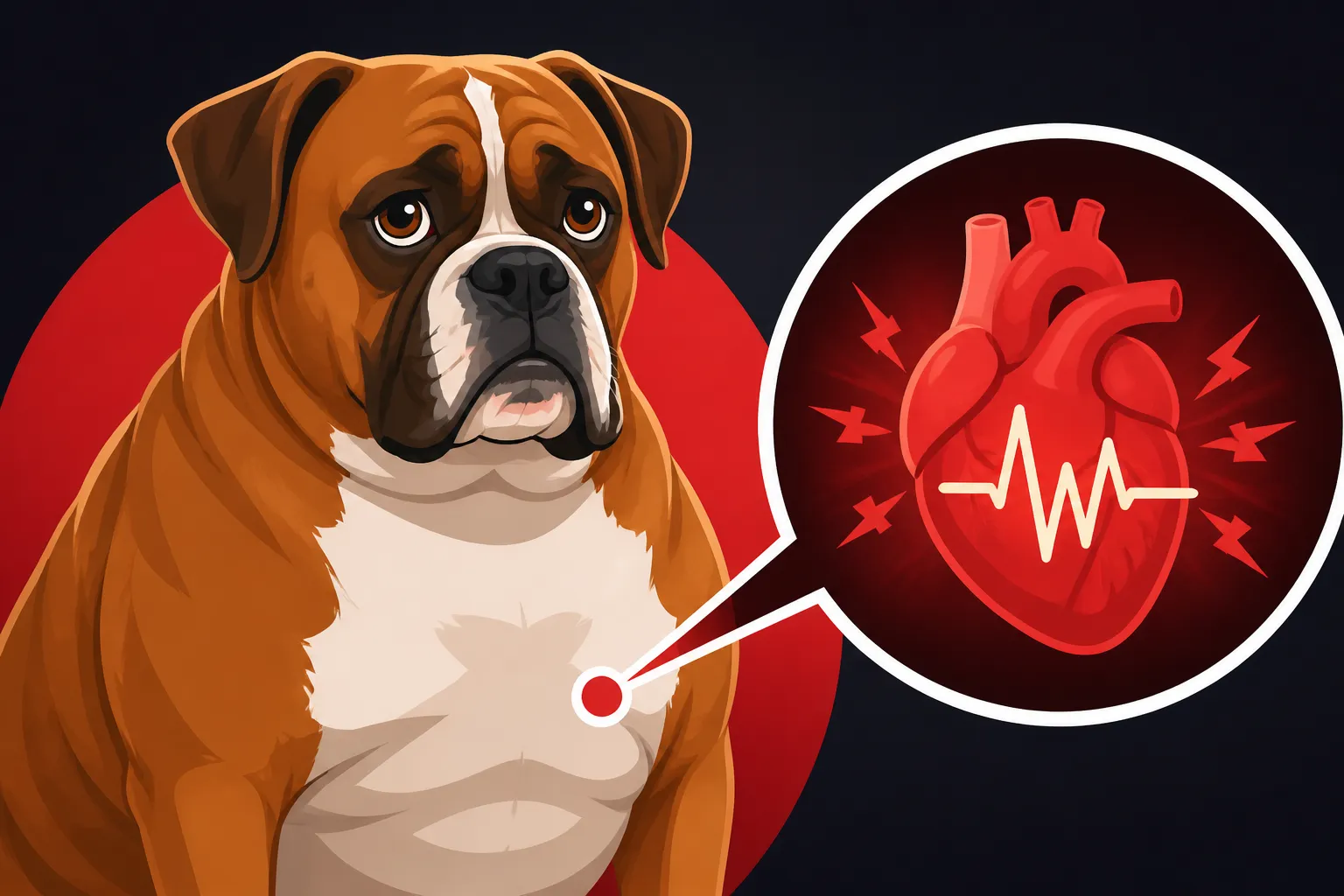
For a Boxer already battling or predisposed to ARVC or SAS, carrying extra weight is like throwing gasoline on a fire. Obesity forces the heart to work harder to circulate blood through a larger body mass, increasing blood pressure and the overall workload. This added strain can accelerate the progression of existing heart disease, making a mild case of ARVC more severe, or turning a manageable SAS into a life-threatening condition much faster. It's not just the extra fat around the body; it's the extra fat infiltrating heart tissues, further compromising function for dogs with ARVC.
Furthermore, obesity often leads to a more sedentary lifestyle. An overweight Boxer is less likely to want to run and play, which in itself can contribute to muscle atrophy and a general decline in cardiovascular fitness, creating a vicious cycle. Their bodies just aren't designed to carry that excess load, especially when their heart muscle might already be compromised. Every extra pound your Boxer carries places an additional burden on an organ that, for many Boxers, is already working overtime due to genetic vulnerabilities.
How Excess Weight Stresses the Heart
Beyond exacerbating pre-existing conditions, excess weight fundamentally alters the healthy functioning of a Boxer's heart, turning a strong, efficient pump into a struggling, inefficient one. It's a complex cascade of events, but understanding these mechanisms can truly highlight the importance of maintaining a lean physique. This isn't just about appearances; it's about the very mechanics of their survival.
Increased Workload and Blood Pressure
Think of your Boxer's heart as a tireless engine, constantly pumping blood throughout their body. When your Boxer gains weight, their body essentially becomes "bigger" in terms of tissue mass that needs to be supplied with blood and oxygen. This means the heart has to pump harder and more frequently to push blood through a more extensive network of blood vessels. It’s like driving your car uphill constantly – the engine has to work much harder, and over time, it wears down faster.
This increased effort directly translates to higher blood pressure, also known as hypertension. Persistent high blood pressure forces the heart muscle to thicken (a condition called concentric hypertrophy) to cope with the increased resistance. While this might sound like a stronger heart, it's actually less efficient. A thickened heart muscle becomes stiffer, less able to fill properly with blood between beats, and eventually, less effective at pumping blood out. This chronic strain can lead to heart failure, even in Boxers without a specific genetic predisposition to ARVC or SAS.
Inflammation and Fatty Deposits
Obesity isn't just about carrying extra fat; it's a state of chronic low-grade inflammation throughout the body. Fat tissue, particularly visceral fat (the fat surrounding organs), is not just inert storage. It's metabolically active, releasing inflammatory chemicals that circulate in the bloodstream. This systemic inflammation can damage blood vessels, making them less elastic and contributing to plaque buildup, further increasing the heart's workload.
Moreover, in some severe cases of obesity, fat cells can even infiltrate the heart muscle itself. For Boxers already prone to ARVC, where normal heart muscle is replaced by fatty and fibrous tissue, this is a particularly insidious problem. It creates a fertile ground for the electrical disturbances that cause arrhythmias. These fatty deposits can interfere with the heart's ability to contract effectively and maintain a regular rhythm, paving the way for the life-threatening irregular beats characteristic of Boxer cardiomyopathy. It's a silent invasion that can undermine the very core of their circulatory system.
Reduced Cardiac Efficiency and Oxygen Supply
An overweight Boxer's body requires more oxygen because there's simply more tissue to oxygenate. However, the heart and lungs, already burdened by excess weight, might struggle to meet this increased demand. This can result in reduced cardiac efficiency – the heart isn't able to pump enough oxygenated blood to adequately supply all the body's tissues, especially during activity. Imagine trying to run a marathon while carrying a heavy backpack; your heart and lungs would be gasping for air and struggling to keep up.
This oxygen deficit is particularly critical for Boxers, who are already a brachycephalic breed and can have compromised airways. When the heart isn't working efficiently, vital organs, including the heart itself, may not receive enough oxygen. This can lead to fatigue, exercise intolerance, and a general decline in quality of life. In severe cases, it can trigger heart attacks or worsen existing heart conditions, creating a dangerous cycle where reduced efficiency leads to more strain, which further reduces efficiency. It's a downward spiral that we desperately want to avoid for our beloved Boxers.
Beyond the Heart: Other Health Risks of Obesity
While the impact on the heart is paramount for Boxers, it's crucial to understand that excess weight doesn't just target one organ system. Obesity is a systemic disease that can wreak havoc on nearly every aspect of your Boxer's health, diminishing their quality of life and potentially shortening their overall Boxer Lifespan and the Years That Decide It. It's a domino effect, where one health issue can quickly lead to another.
Joint Pain and Mobility Issues
Boxers are powerful, athletic dogs built for strength and agility. Their joints – hips, elbows, knees, and spine – are designed to support a specific, lean body weight. When an extra five, ten, or even fifteen pounds are added, these joints bear an undue burden. This constant stress accelerates wear and tear on cartilage, leading to painful conditions like arthritis, hip dysplasia, and spondylosis. Imagine wearing a weighted vest all day, every day; your joints would suffer, too.
For a dog that loves to run, jump, and "box" with its paws, chronic joint pain can be devastating. It reduces their willingness to exercise, making it harder to shed those extra pounds and further contributing to weight gain. This creates a cruel cycle: weight gain leads to joint pain, which leads to less exercise, which leads to more weight gain. This isn't just about discomfort; it severely limits their ability to enjoy life, impacting their playful nature and often leading to a need for long-term pain management. You can find more information about Joint Support in a Boxer's Diet if your Boxer is already experiencing these issues.
Respiratory Challenges for a Brachycephalic Breed
Boxers are a brachycephalic breed, meaning they have a shortened skull, which results in a compressed upper airway. While not as extreme as some other brachycephalic breeds, Boxers can still be prone to breathing difficulties, especially in heat or during strenuous exercise. When an overweight Boxer carries extra fat around their neck and chest, it further constricts these already compromised airways.
This added pressure makes breathing even more difficult, leading to noisy breathing, snoring, and reduced oxygen intake. In hot weather, an overweight Boxer's ability to cool itself through panting is significantly impaired, putting them at extreme risk of overheating, which can quickly become a life-threatening emergency. The extra effort just to breathe puts more strain on their cardiovascular system, exacerbating any underlying heart conditions. It's a fundamental challenge to their very ability to live comfortably and safely.
Increased Risk of Diabetes and Certain Cancers
Obesity is a major risk factor for several serious diseases in dogs, including diabetes mellitus. Similar to humans, excess fat tissue can lead to insulin resistance, where the body's cells don't respond properly to insulin, resulting in high blood sugar levels. If left unmanaged, diabetes requires lifelong insulin injections and careful dietary control, and can lead to a host of other complications.
Alarmingly, research also suggests a link between obesity and an increased risk of certain types of cancer in dogs. Boxers are already at a heightened risk for various cancers, including mast cell tumors, lymphoma, and mammary tumors. Adding obesity into the equation can further tip the scales, potentially influencing tumor growth and development. While the exact mechanisms are still being studied, chronic inflammation associated with obesity is thought to play a role. For a breed already facing a battle against cancer, this is an unwelcome added burden.
Recognizing and Assessing Your Boxer's Weight
It can be tough to objectively look at our own dogs and determine if they're carrying too much weight. We see them every day, and a gradual increase might not be immediately obvious. Plus, Boxers are naturally muscular, which can sometimes disguise excess fat. However, being able to accurately assess your Boxer's body condition is one of the most important things you can do for their long-term health. Don't rely solely on the number on the scale; it's about their body shape and feel.
The Body Condition Score: More Than Just the Scale
Instead of focusing just on a target weight, veterinarians use a Body Condition Score (BCS) system to assess a dog's fat reserves. This typically ranges from 1 (emaciated) to 9 (morbidly obese), with 4 or 5 being ideal. It's a visual and tactile assessment, meaning you look at your dog and feel their body. This is far more accurate than just weight, as a tall, heavily muscled Boxer might weigh more than a shorter, leaner one, yet both could be at an ideal BCS.
A healthy Boxer should have a noticeable waist when viewed from above, and their abdomen should tuck up slightly when viewed from the side. You should be able to easily feel their ribs, spine, and hip bones with a light touch, without seeing them overtly protruding. If you have to press hard to feel them, or if you can't feel them at all, your Boxer is likely overweight. Learning to gauge this yourself is a powerful tool in preventative care.
Here’s a simplified breakdown of the Body Condition Score (BCS) to help you assess your Boxer:
| BCS Score | Description | Key Observations for Boxers | Implications |
|---|---|---|---|
| 1 | Emaciated | Ribs, lumbar vertebrae, pelvic bones, and all bony prominences evident from a distance. No discernible body fat. Obvious loss of muscle mass. | Severe malnutrition. High risk of organ failure, immune suppression. Immediate veterinary intervention and specialized refeeding required. |
| 2 | Very Thin | Ribs, lumbar vertebrae, and pelvic bones easily visible. No palpable fat. Some loss of muscle mass. | Underweight. Energy deficit, compromised immune system. May indicate underlying illness or insufficient caloric intake. Consult vet to rule out medical causes and establish a feeding plan. |
| 3 | Thin | Ribs easily palpable and may be visible with no palpable fat. Top of lumbar vertebrae visible. Minimal waist evident. | Slightly underweight. May be appropriate for some highly active Boxers, but often signifies inadequate nutrition. Monitor weight, adjust food if necessary, and ensure sufficient calories to maintain muscle mass. |
| 4 | Ideal | Ribs easily palpable without excess fat covering. Waist easily noted when viewed from above. Abdominal tuck evident. | Optimal body condition. This is the goal for a Boxer! Maintains good mobility, lower disease risk. Continue current feeding and exercise regimen. |
| 5 | Ideal | Ribs palpable with slight fat covering. Waist noted when viewed from above. Abdominal tuck evident. | Optimal body condition. Still within a healthy range, slightly more cushioning than BCS 4. Excellent target for most Boxers. Continue current feeding and exercise regimen. |
| 6 | Overweight | Ribs palpable with difficulty; heavy fat cover. Waist discernible but not prominent. Abdominal tuck still present but less defined. | Early stage overweight. This is where many Boxers start to creep past their ideal. Increased risk of joint strain, reduced exercise tolerance. Start making slight adjustments to diet and increasing activity. |
| 7 | Heavy | Ribs difficult to palpate; heavy fat cover. No waist. Abdominal tuck absent. Obvious rounding and distention of abdomen. | Moderately overweight. Significant health risks begin to accumulate, especially for the heart and joints. Consult vet for a tailored weight loss plan, including dietary changes and monitored exercise. |
| 8 | Obese | Ribs not palpable under a very heavy fat cover. Massive fat deposits over lumbar area and chest. No waist or abdominal tuck. | Severely overweight. Mobility significantly impaired, high risk of major health complications (heart disease, diabetes, etc.). Urgent veterinary intervention needed for safe and effective weight loss. |
| 9 | Grossly Obese | Massive fat deposits over thorax, spine, and base of tail. Extreme abdominal distention. | Morbidly obese. Extremely debilitating. Quality of life severely compromised, life expectancy dramatically reduced. Requires aggressive, medically supervised weight loss program. |
Feeling a Boxer's Ribs Through Muscle
It’s easy to confuse a Boxer’s naturally deep chest and powerful musculature with being overweight. They are, after all, very sturdy dogs! But there's a key difference between muscle and fat. To properly check your Boxer's condition, run your hands along their sides. You should be able to feel their ribs quite easily, almost like feeling the knuckles on your hand, with just a thin layer of skin and muscle over them. You shouldn't have to press hard to locate them.
If you have to push to feel the ribs, or if it feels like a thick, spongy layer is obscuring them, that's fat. Also, feel along their spine and hips. You should be able to make out these bony landmarks without them protruding sharply. If they're completely covered and feel soft, your Boxer is likely carrying too much weight. This hands-on approach is critical, especially when Feeling a Boxer's Ribs Through Muscle can be tricky given their build. Regular weekly checks of this kind will help you catch any creeping weight gain early.
Consulting Your Veterinarian for an Honest Assessment
If you're unsure about your Boxer's body condition, the very best thing you can do is consult your veterinarian. They have an objective eye and the medical expertise to provide an accurate assessment. They can help you determine your Boxer's ideal weight range, calculate their current BCS, and pinpoint any specific areas where fat might be accumulating, such as over the neck, back, or around the base of the tail.
Your vet can also rule out any underlying medical conditions that might be contributing to weight gain, such as hypothyroidism (which Boxers can be prone to), or other health issues that could make weight loss more challenging. They can also offer tailored advice, specific dietary recommendations, and exercise guidelines appropriate for your individual Boxer's age, activity level, and any existing health concerns. This professional guidance is invaluable in creating a safe and effective weight management plan.
Strategies for Healthy Weight Management
Once you've determined your Boxer needs to shed a few pounds, or if you simply want to prevent weight gain, implementing a solid weight management strategy is key. It's not about crash diets or extreme exercise; it's about sustainable changes to their daily routine that prioritize their health and well-being. Patience and consistency are your greatest allies here.
Adjusting Calorie Intake and Portion Control
The most fundamental aspect of weight loss is creating a caloric deficit: your Boxer needs to burn more calories than they consume. This starts with precise portion control. Don't just "eyeball" their food; use a measuring cup. The feeding guidelines on dog food bags are just that – guidelines – and often represent the needs of intact, highly active dogs. Your Boxer, especially if spayed or neutered, may need significantly less. For insights into general feeding, refer to How Many Cups a Boxer Eats a Day.
Many vets recommend reducing your Boxer's current food intake by about 10-20% as a starting point, then monitoring their progress. If your Boxer is currently 70 pounds and should be 60, you'll need to feed them for their target weight, not their current weight. High-quality, protein-rich foods can help your Boxer feel fuller for longer and maintain muscle mass while losing fat. Consider reputable brands like Chewy's house brands or even specialized prescription diets if recommended by your vet. Be mindful of treats, too! They contribute significantly to daily calorie intake, so opt for low-calorie options or use small pieces of healthy vegetables like carrots or green beans.
Tailoring Exercise to Your Boxer's Needs (and Limitations)
Exercise is the other half of the weight loss equation, but it needs to be approached thoughtfully, especially for Boxers. They are energetic dogs, but also prone to overheating due to their brachycephalic features, and if they have underlying heart conditions, strenuous exercise can be risky. The goal is consistent, moderate activity rather than sporadic, intense bursts.
Start with shorter, more frequent walks, gradually increasing the duration and intensity as your Boxer's stamina improves. Two to three 20-30 minute walks a day, combined with some indoor play, might be more effective and safer than one long, exhausting hike. Consider activities like swimming (with close supervision and a life vest due to their head shape), fetch in a cool environment, or even obedience training sessions that get them moving mentally and physically. For Boxers with heart conditions, discussing Exercise After a Boxer ARVC Diagnosis with your vet is paramount to ensure their safety. Remember to always provide fresh water and avoid exercising during the hottest parts of the day.
Choosing the Right Food and Treats
The type of food you feed your Boxer plays a huge role in their weight and overall health. Look for high-quality commercial dog foods with meat as the first ingredient. Many brands offer "weight management" or "light" formulas that are lower in calories and fat but still provide essential nutrients. These diets often incorporate higher fiber content to help your Boxer feel satiated without overeating. Companies like Ollie, known for their fresh, portion-controlled meals, can be an excellent option for precise calorie management, as they tailor plans to your dog's specific needs.
Beyond kibble, be incredibly mindful of treats. Those tasty biscuits can pack a surprising caloric punch. Consider using small pieces of their regular kibble as training rewards, or healthy, low-calorie alternatives like baby carrots, apple slices (without seeds), or green beans. Always check ingredient lists and avoid treats with excessive fillers, artificial colors, or high sugar content. Even a few extra treats a day can sabotage a weight loss effort. Many online retailers like Amazon and Chewy offer a wide variety of healthy, low-calorie dog treats specifically designed for weight management. For those interested in deeper nutritional insights, exploring Whether a Boxer Needs High-Protein Food can be beneficial.
The Long-Term Outlook: A Lighter Boxer, a Longer Life
Managing your Boxer's weight isn't a one-time fix; it's a lifelong commitment. The benefits of maintaining an ideal body condition are profound, extending far beyond just a healthier heart. It impacts their joy, their mobility, and ultimately, the precious time you get to spend with them. Think of it as an investment in their happiness and longevity.
Preventing Weight Gain Before It Starts
The easiest weight to manage is the weight that's never gained. Starting good habits early, even from puppyhood, can prevent a lifetime of struggle. Teach your Boxer puppy proper portion control, use healthy treats for training, and establish a consistent exercise routine. Regular weigh-ins and body condition checks are crucial for Taking Weight Off a Boxer Without Losing Muscle and ensuring they stay within their ideal range. It’s much harder to shed pounds than it is to avoid putting them on in the first place.
This proactive approach includes understanding your Boxer's individual metabolism. Some Boxers are naturally leaner and more active, while others may have a slower metabolism and gain weight more easily. Adjust their food intake and exercise levels accordingly throughout their lives, especially as they age or their activity levels change. Being vigilant about their body condition and making small, timely adjustments to their diet and exercise can prevent those few extra pounds from turning into a significant health problem.
The Benefits of a Healthy Weight
The rewards of keeping your Boxer at a healthy weight are immense and multifaceted. First and foremost, a lean Boxer puts less strain on their heart, reducing the risk of developing or worsening heart conditions like ARVC and SAS. This can mean a more robust cardiovascular system, fewer fainting episodes, and potentially a longer, healthier life. They’ll have more energy, breathe easier, and enjoy their playful nature without undue discomfort.
Beyond the heart, a healthy weight protects their joints from premature wear and tear, reducing the likelihood of painful arthritis and improving their mobility well into their senior years. They'll have a lower risk of diabetes, certain cancers, and respiratory issues, especially for a brachycephalic breed. Overall, a Boxer at an ideal weight is a happier, more active, and more comfortable companion, able to fully participate in all the joyful activities that make life with a Boxer so special. This commitment also positively impacts Caring for a Boxer Past Eight.
Staying Consistent: A Lifelong Commitment
Weight management is not a diet; it's a lifestyle. It requires consistency, patience, and a deep understanding of your Boxer's needs. There will be days when it's harder to get that walk in, or when those pleading Boxer eyes make you want to share an extra bite of your dinner. But resisting those urges, and sticking to the plan, is paramount for their health.
Regular check-ups with your vet are essential to monitor their weight, adjust their diet as needed, and address any new concerns. Remember that their nutritional requirements will change as they age. A young, active Boxer needs more calories than a senior Boxer whose metabolism has slowed down. By remaining consistent in providing a balanced diet, appropriate exercise, and regular veterinary care, you are giving your Boxer the best possible chance at a long, healthy, and happy life right by your side. It’s an ongoing journey, but one that is well worth the effort for the boundless love and companionship they bring. For a deeper understanding of ongoing costs, considering The Yearly Bill for a Seventy-Pound Boxer can provide valuable insights.
Disclaimer
This article is for general informational purposes only and does not constitute professional advice. Laws, prices and regulations vary by location and change over time. Consult a qualified professional for guidance on your specific situation.