Boxer Hair Woven Into Fabric
If you're a Boxer owner, you know the struggle is real: no matter how much you brush, clean, or vacuum, Boxer hair finds its way into everything. It’s not just sitting on top; it feels truly woven into the very fabric of your life – and your furniture, clothes, and car seats! This guide is here to help you tackle that pervasive Boxer hair, offering both effective removal strategies and proactive measures to reclaim your home from the furry tumbleweeds.
The Ubiquitous Boxer "Fabric": Understanding Why Their Hair Gets Everywhere
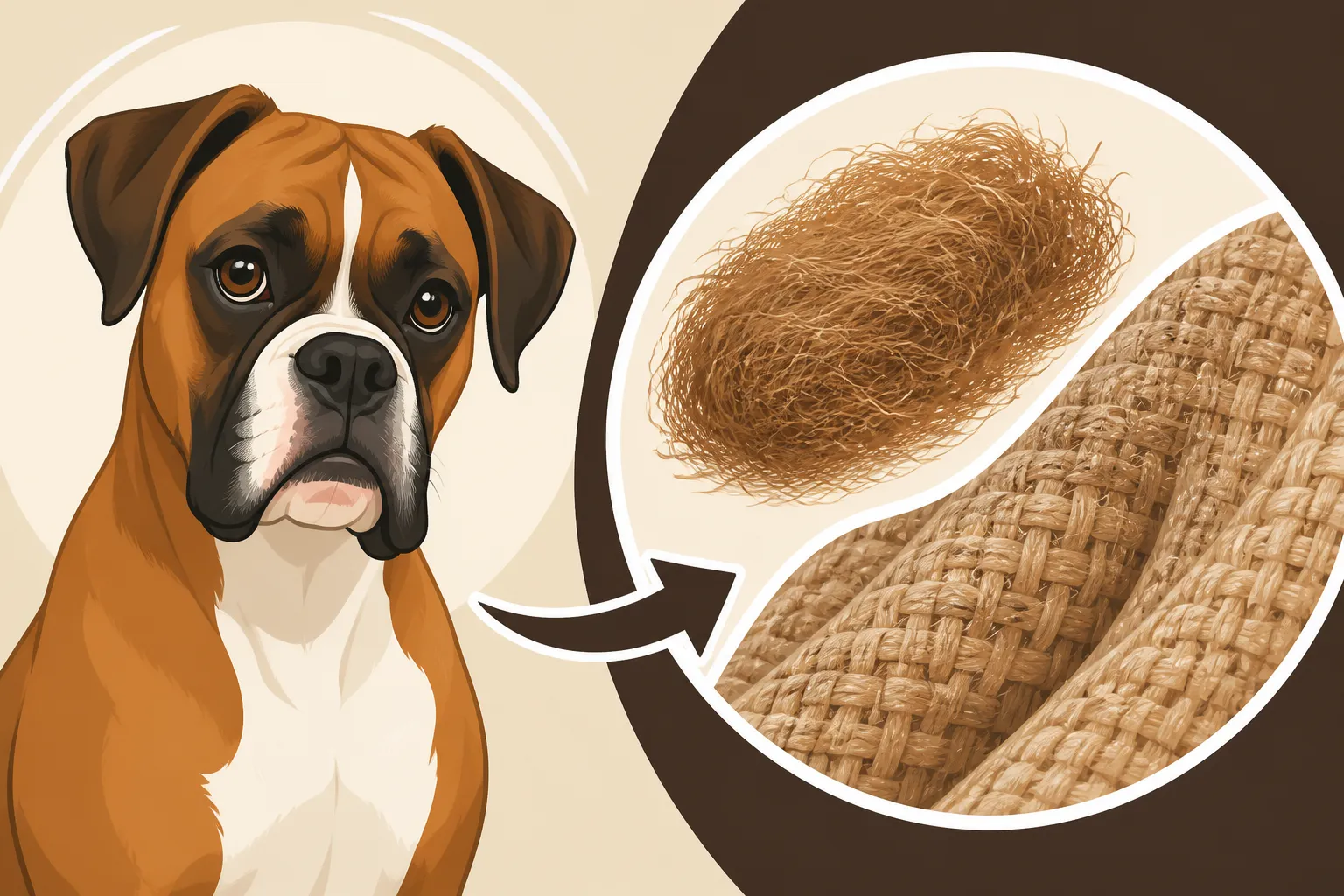
It’s a common misconception that because Boxers have short, smooth coats, they don't shed much. Oh, if only that were true! While they might not leave behind long, fluffy strands like a Golden Retriever, Boxer hair is deceptively prolific. Their short, stiff hairs are like tiny needles, perfectly designed to burrow deep into fabric fibers, making them incredibly difficult to dislodge.
This isn't just surface-level shedding. Boxers consistently shed their undercoat and guard hairs, with seasonal peaks often in spring and fall. But honestly, for most of us, it feels like a year-round affair. These short hairs don't just float away; they migrate with alarming efficiency. One minute, your Boxer is happily snoozing on the rug; the next, those hairs have transferred to your socks, then to the sofa, and finally to your favorite black shirt. It's a never-ending cycle of hair transference, and it can feel like you're fighting a losing battle against the sheer volume. For more on this, check out How Much Hair a Boxer Really Sheds.
The texture of Boxer hair plays a huge role in its ability to embed. Unlike soft, fine hairs that might clump together, Boxer hairs are sturdy and relatively straight. When they encounter the weave of upholstery, carpet, or clothing, they don't just sit on the surface; they actually work their way into the loops and threads, interlocking with the fabric itself. This is why a simple lint roller often feels like it's barely making a dent – it's only grabbing the surface hairs, leaving the deeply embedded ones untouched. This unique "weaving" action makes specialized tools and techniques essential for effective removal.
The Battleground: Fabrics Most Susceptible to Boxer Hair
Let's face it, if it's fabric, it's a potential landing strip for Boxer hair. However, some materials are far more problematic than others, turning into veritable hair magnets that cling onto every single strand. Understanding which fabrics are most vulnerable can help you prioritize your cleaning efforts and even make wiser choices when furnishing your home or choosing your wardrobe.
Your upholstery is often ground zero. Sofas, armchairs, and dog beds are prime locations for hair accumulation because they are where your Boxer spends most of their lounging time. Materials like velvet, microfiber, corduroy, and even some tightly woven synthetics seem to grab Boxer hair with an almost aggressive determination. The microscopic hooks and loops in these fabrics are perfect for trapping those short, stiff hairs, making it look like your furniture has grown a furry new skin. Even materials designed for durability, like certain canvas blends, can become a repository for hair, especially in the seams and crevices where hairs love to gather. Finding suitable and resilient materials is key, and this applies to things like Chew-Proof Bedding for a Boxer That Digs and other items from Crates, Beds and Gear Sized for a Boxer.
Carpets and rugs are another major battleground. While long-pile carpets might seem like they'd hide the hair, they actually provide more surface area for it to hide within. Low-pile and commercial-grade carpets are often just as bad, offering a dense, fibrous trap that vacuums struggle to penetrate. The static electricity generated by walking across these surfaces can also make the hairs cling even more tenaciously.
Then there's your clothing. You put on a freshly laundered shirt, and within minutes, you're adorned with a fine dusting of Boxer fuzz. Dark colors, especially black and navy, are the biggest culprits for showing every single hair. Natural fibers like wool and cotton can also be particularly challenging, as their open weaves allow hair to embed deeply. Even synthetic activewear, designed to wick moisture, can wick up Boxer hair with equal enthusiasm. Your car interior is perhaps the ultimate fabric hair trap, especially if your Boxer regularly rides along. The carpeted floors, fabric seats, and even the headliner can become saturated with hair, exacerbated by vibrations and friction during drives. Removing hair from a car is notoriously difficult, often requiring a combination of tools and a lot of elbow grease.
Effective Strategies for Extracting Boxer Hair from Fabric
Dealing with Boxer hair woven into fabric requires a multi-pronged attack. It's not usually a one-and-done situation; you'll likely need a combination of methods to truly get things clean. The key is consistency and using the right tools for the job.
Adhesive Rollers and Tapes
The classic lint roller is often the first line of defense, and for surface-level hair on clothes or light upholstery, it can be quite effective. Keep several around: one in your car, one by the door, and one in your laundry room. Look for rollers with extra-sticky sheets or those specifically marketed for pet hair. You can find large multipacks of these on Amazon or Chewy, which helps keep them stocked since you'll go through them quickly. While they are good for a quick touch-up, they often can't reach the hair embedded deep within the fabric. For a more aggressive approach, some people use strong packing tape wrapped around their hand, sticky side out. This often has more adhesive power than a standard lint roller sheet.
Rubber Tools and Gloves
This is where the magic really starts for embedded hair. Rubber creates static electricity and friction, which helps pull those stubborn hairs out of fabric weaves.
- Rubber Gloves: Put on a pair of rubber dishwashing gloves, dampen them slightly, and wipe your hands over the affected fabric. The hair will cling to the gloves and ball up, making it easier to collect. This works wonders on upholstery, car seats, and even carpets.
- Rubber Squeegees: A window squeegee or a pet hair squeegee (often found in the automotive cleaning aisle) can be highly effective. Drag it across carpet or upholstery, and watch as the hairs gather into neat piles.
- Specialty Brushes: There are numerous pet hair removal brushes on the market made from rubber or silicone, specifically designed to grip and pull hair from fabric. They often have bristles or nubs that work like tiny rakes. You might find a great option that complements The One Brush a Boxer Coat Actually Needs for actual grooming. For more options, explore Brushes That Work on a Boxer Coat.
Vacuum Cleaners and Attachments
Your vacuum cleaner is an essential tool, but not all vacuums or attachments are created equal for pet hair.
- Pet Hair Attachments: Many modern vacuums come with specialized pet hair attachments, often small, motorized brushes that excel at agitating and lifting hair from upholstery and stairs. These are invaluable.
- Strong Suction: Look for vacuums with powerful suction. Bagless vacuums are often good for pet owners as you can easily empty the hair collected without having to buy replacement bags constantly.
- Robot Vacuums: A robot vacuum set to run daily can be a lifesaver for maintaining floors, picking up loose hairs before they have a chance to embed deeply in carpets or migrate to furniture. Brands like Roomba or Roborock, often available on Amazon, have models specifically designed with pet hair in mind.
- Wet/Dry Vacs: For really tough spots in the car or on outdoor rugs, a wet/dry shop vac can provide incredible suction power.
Washing and Drying
For items that can be laundered, like throws, bedding, or clothing, your washing machine and dryer are powerful allies.
- Pre-Shake: Before putting items in the wash, give them a good shake outdoors to dislodge as much loose hair as possible.
- Dryer First: A brilliant trick is to put hairy items in the dryer before washing, on a cool air cycle for about 10-15 minutes with a dryer sheet. The tumbling action and static cling will often pull a surprising amount of hair into the lint trap. Then, clean the lint trap thoroughly before washing.
- Laundry Additives: Add about half a cup of white vinegar to the rinse cycle. Vinegar helps relax fabric fibers, making it easier for hair to release. There are also specific pet hair removal laundry additives available that claim to help release hair in the wash.
- Clean Your Washer: After washing particularly hairy loads, wipe down the inside of your washing machine drum to remove any leftover hairs before your next laundry cycle.
| Method | Best For | Pros | Cons |
|---|---|---|---|
| Adhesive Lint Rollers | Quick touch-ups, light surface hair on clothes | Portable, convenient, widely available | Expensive over time, not for embedded hair |
| Rubber Gloves/Squeegees | Embedded hair on upholstery, carpets, car seats | Very effective for deep hair, reusable | Manual effort, can be tiring for large areas |
| Vacuum Cleaners | Floors, large furniture pieces, regular maintenance | Powerful suction, covers large areas quickly | Can be bulky, specialized attachments needed |
| Washing/Drying (Cool Air) | Launderable items, bedding, throws | Removes significant amounts of hair | Requires lint trap cleaning, not for all items |
Proactive Measures: Minimizing Boxer Hair on Your Fabrics
While the strategies above are great for extraction, the best defense is a good offense! Taking proactive steps to minimize the amount of hair your Boxer sheds and spreads will save you countless hours of cleaning in the long run.
Consistent Grooming is Key
This is probably the most crucial preventative measure. Regular brushing helps to remove loose hair before it has a chance to fall out and embed itself in your furniture. Aim for at least a few times a week, and daily during peak shedding seasons. While Boxers have short coats, a good deshedding tool designed for short hair can work wonders. A rubber curry brush or a shedding blade used gently can pull out an astonishing amount of dead hair. Think of it as harvesting the hair before it harvests your sofa! Grooming outside can also help keep the hair out of your house entirely.
Strategic Bathing Routines
Bathing can also help control shedding by removing dead hair and dander. However, don't overdo it, as excessive bathing can dry out your Boxer's skin, potentially leading to more shedding. Use a mild, moisturizing dog shampoo, like those often recommended for Shampoo for a Boxer With Sensitive Skin, and ensure you rinse thoroughly. A good frequency is usually once every 4-6 weeks, or as needed. During the bath, use a rubber grooming mitt to really work through the coat and help loosen dead hairs. For more on appropriate bathing, see How Long a Boxer Goes Between Baths.
Protective Covers and Designated Zones
One of the simplest ways to protect your beloved furniture is to cover it. Washable throw blankets, slipcovers, or even dedicated pet blankets can create a barrier between your Boxer and your upholstery. When these covers get hairy, you can simply toss them in the wash. This is especially useful for favorite lounging spots. For your car, invest in a good quality, waterproof car seat cover or hammock that you can easily remove and wash or shake out. Designate specific, easy-to-clean beds or mats for your Boxer in various rooms. Training them to use these designated spots, rather than sprawling on the sofa, can significantly reduce hair transfer.
Diet and Overall Health
A healthy Boxer with a healthy coat will often shed less, or at least have healthier hair that might be easier to manage. Ensure your Boxer is on a high-quality diet appropriate for their age and activity level. Sometimes, adding a supplement like fish oil, rich in Omega-3 fatty acids, can improve coat health and reduce shedding. Always discuss any dietary changes or supplements with your vet. A healthy diet also supports a robust immune system, which can prevent skin issues that might lead to excessive shedding. While not directly about hair on fabric, issues like Flea and Heartworm Cover at Boxer Weight are important because scratching due to parasites can increase hair loss. Likewise, maintaining a healthy weight as discussed in Taking Weight Off a Boxer Without Losing Muscle contributes to overall vitality and coat health.
Ultimately, living with a Boxer means living with their hair. It's part of their charm, a furry reminder of their constant presence. But with a combination of diligent grooming, smart cleaning strategies, and protective measures, you can absolutely reduce the amount of Boxer hair woven into the very fabric of your life. It's about managing the problem, not eliminating it entirely, and finding a balance that works for you and your beloved companion.
Disclaimer
This article is for general informational purposes only and does not constitute professional advice. Laws, prices and regulations vary by location and change over time. Consult a qualified professional for guidance on your specific situation.