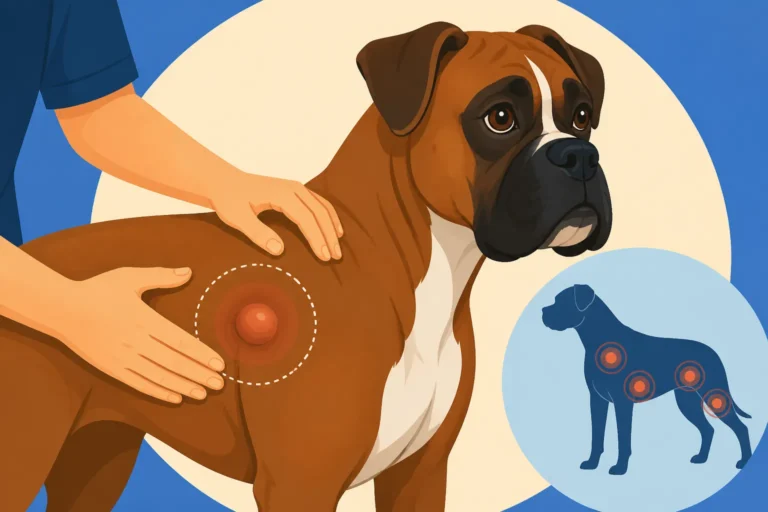
Shampoo for a Boxer With Sensitive Skin
There's nothing quite as frustrating as watching your beloved Boxer constantly scratching, chewing, and generally making themselves miserable with irritated skin. Their short, sleek coats can sometimes hide a multitude of underlying issues, but more often than not, those red patches and flaky bits are right there for all to see. Finding the right shampoo isn't just about getting them clean; it's about bringing them genuine relief, and this guide will walk you through exactly what to look for, and what to avoid, to soothe your Boxer's sensitive skin.
Understanding Why Your Boxer's Skin Is So Sensitive
Boxers are truly special dogs, known for their playful personalities and strong, athletic builds. But beneath that handsome brindle or fawn coat often lies skin that requires a little extra care and attention. Many Boxer owners find themselves on a quest for the "perfect" shampoo because their dogs seem prone to a variety of skin irritations. It’s not just in your head; there are very real reasons why your Boxer might have such sensitive skin.
The Boxer's Unique Skin Barrier and Coat
One of the most immediate things you notice about a Boxer is their coat. It's short, smooth, and lies close to the body, often described as "wash and wear" because it requires minimal grooming compared to breeds with long, flowing locks or dense undercoats. While this might seem like a blessing for upkeep, it actually means their skin has less natural protection from the elements and potential irritants. Unlike dogs with thick fur, a Boxer's skin is much more exposed. This can make them more susceptible to direct contact with allergens in their environment, from certain grasses to household cleaning products that might linger on floors.
Furthermore, Boxers are genetically predisposed to certain sensitivities. Their lineage, while robust in many ways, has given them a propensity for allergies, both environmental and food-related, that often manifest as skin problems. This means their immune system might overreact to things other dogs barely notice, leading to inflammation, itching, and discomfort. You might even notice that Why a Boxer's Short Coat Shows Every Rash more readily than on a long-haired breed, simply because there's nothing to hide it.
Common Culprits Behind Boxer Skin Irritation
When your Boxer starts scratching, it can feel like a guessing game trying to figure out the cause. Often, it's a combination of factors, but pinpointing the most likely culprits can help you tailor your approach, including choosing the right shampoo.
Allergies: This is a huge one for Boxers. They can suffer from environmental allergies (atopy) triggered by pollen, dust mites, or mold, which often result in itchy paws, bellies, and ears. Food allergies or sensitivities can also present as skin issues, leading to widespread itchiness, redness, or even secondary infections. It’s important to distinguish between general diarrhea and something more serious like Telling Boxer Colitis From Ordinary Diarrhea, which can sometimes accompany broader sensitivities.
Contact Dermatitis: This occurs when your Boxer's skin comes into direct contact with an irritating substance. Think about walking through a freshly fertilized lawn, or lying on a rug cleaned with harsh chemicals. Because their coats offer minimal barrier, these substances have direct access to their skin, triggering an inflammatory response.
Dry Skin: Especially in drier climates or during certain seasons, a Boxer's skin can become dehydrated, leading to flakiness and itchiness. Over-bathing with the wrong shampoo can also strip natural oils, exacerbating dryness.
Other Skin Conditions: While less common than allergies, Boxers can also experience various other skin-related issues. Sometimes, what looks like a persistent rash might be something else entirely, which is why regular checks are vital. It's not uncommon to find bumps and growths on a Boxer, and knowing the difference between a benign lump and something more concerning is critical. You can learn more about identifying these in our article, Boxer Skin Tumors That Are Not Cancer. In puppies, certain parasitic conditions like Demodex Mange in a Boxer Puppy can also cause skin irritation, though this usually requires specific medical treatment rather than just a sensitive shampoo.
Understanding these underlying factors is the first step toward finding a shampoo that truly helps, rather than inadvertently making things worse.
Key Ingredients to Look For in a Sensitive Skin Boxer Shampoo
When you're staring at a wall of dog shampoos, trying to decipher labels can be overwhelming. For a Boxer with sensitive skin, your focus should be on ingredients that actively soothe, moisturize, and support their skin's natural barrier, without introducing new irritants.
Soothing and Anti-Inflammatory Components
The primary goal of a sensitive skin shampoo is to calm existing irritation. Look for ingredients known for their anti-inflammatory and soothing properties.
- Colloidal Oatmeal: This is a classic for a reason. Finely ground oatmeal, when mixed with water, forms a soothing, protective barrier on the skin. It helps reduce itching and inflammation, making it a go-to for many veterinarians and pet owners dealing with sensitive skin. It’s gentle, natural, and highly effective.
- Aloe Vera: Renowned for its healing and soothing capabilities, aloe vera can help cool inflamed skin and promote healing. Make sure it's a pure, pet-safe formulation, as some human products might contain additives.
- Chamomile: Often used in herbal remedies for its calming effects, chamomile can also have a gentle anti-inflammatory action when included in dog shampoos.
- Allantoin: Derived from the comfrey plant, allantoin is known for its ability to promote cell proliferation and help heal skin. It’s a great ingredient for relieving dry, itchy, and irritated skin.
- Green Tea Extract: A powerful antioxidant, green tea extract can help protect skin cells from damage and reduce inflammation.
Moisturizing and Skin-Barrier Supporting Ingredients
An irritated skin barrier is often a dry, compromised one. A good sensitive skin shampoo won't just clean; it will also replenish moisture and help rebuild the skin's natural defenses.
- Ceramides: These are lipids that naturally occur in the skin and are crucial for maintaining its barrier function. Shampoos containing ceramides can help restore and protect this barrier, reducing moisture loss and preventing irritants from penetrating.
- Fatty Acids (Omega-3 & Omega-6): While often thought of as dietary supplements (Fish Oil for a Boxer's Skin and Heart), topical application of fatty acids can also benefit skin health by supporting the lipid barrier and reducing inflammation. Look for ingredients like linoleic acid or gamma-linolenic acid.
- Glycerin: A humectant, glycerin draws moisture from the air into the skin, helping to keep it hydrated and supple. It’s a very common and effective moisturizing agent in many gentle shampoos.
- Vitamin E: Another antioxidant, Vitamin E helps protect skin cells and can aid in moisturizing and healing damaged skin.
- Natural Oils (Coconut, Jojoba, Argan): These oils, in small, balanced quantities, can provide natural moisture and conditioning to the skin and coat. Ensure they are part of a well-formulated shampoo and not just pure oils that could clog pores.
Hypoallergenic and Gentle Formulations
Beyond specific ingredients, pay attention to the overall formulation of the shampoo. The aim is to be as gentle and non-reactive as possible.
- pH Balance: A dog's skin pH is different from a human's. Using human shampoo on your Boxer can disrupt their skin's natural acidity, leading to irritation. Always choose a shampoo specifically formulated for dogs, which will have the appropriate pH balance.
- Soap-Free (Detergent-Free) Formulas: Many conventional shampoos use harsh detergents (soaps) that can strip the skin of its natural oils, leaving it dry and vulnerable. Soap-free shampoos cleanse effectively without this harsh action, making them ideal for sensitive skin.
- Fragrance-Free and Dye-Free: Artificial fragrances and dyes are common culprits for skin reactions. Opt for shampoos that clearly state they are free of these additives. While a pleasant scent might appeal to us, it’s often a major irritant for sensitive dogs.
- Paraben-Free and Sulfate-Free: These chemicals are often used as preservatives or foaming agents, respectively, but can be harsh and potentially irritating for sensitive skin. Many natural and sensitive skin formulations proudly exclude them.
The right shampoo will not only clean your Boxer but also actively contribute to their skin's health, helping to alleviate discomfort and prevent future flare-ups. Remember, the goal is to cleanse gently without stripping or irritating, supporting the skin's natural defenses. This focus is key to Washing a Boxer Without Drying Out Its Skin effectively.
| Category | Look For | Avoid At All Costs |
|---|---|---|
| Soothing Agents | Colloidal Oatmeal, Aloe Vera, Chamomile | Harsh astringents, essential oils not dog-safe |
| Moisturizers | Ceramides, Glycerin, Vitamin E, Jojoba Oil | Mineral oil (can clog pores), petrolatum |
| Cleansing Base | Soap-free, plant-derived cleansers | Sulfates (SLS, SLES), harsh detergents |
| Additives | Natural preservatives (if needed), pH-balanced | Artificial fragrances, dyes, parabens, phthalates, alcohol |
Ingredients to Strictly Avoid for Sensitive Boxer Skin
Just as important as knowing what to include in your Boxer's shampoo is understanding what to rigorously exclude. Many common shampoo ingredients, while fine for some dogs or even humans, can wreak havoc on a Boxer's already sensitive skin.
Harsh Chemicals and Irritants
These are the big offenders that can strip the skin, disrupt its natural barrier, and trigger allergic reactions or irritation.
- Sulfates (Sodium Lauryl Sulfate – SLS, Sodium Laureth Sulfate – SLES): These are common foaming agents found in many shampoos. While they create a rich lather, they are also notorious for being harsh detergents that can strip the skin of its natural oils, leading to dryness, irritation, and a compromised skin barrier. For a Boxer with sensitive skin, sulfates are almost guaranteed to cause problems.
- Parabens: Used as preservatives in many personal care products, parabens (like methylparaben, propylparaben, butylparaben) have raised concerns due to their potential to mimic estrogen and disrupt hormones. While the full extent of their impact on pets is still debated, it's wise to avoid them, especially for a sensitive dog.
- Phthalates: These chemicals are often used as solvents and to help fragrances last longer. They are another group of potential endocrine disruptors and can be irritating to sensitive skin.
- Synthetic Fragrances and Dyes: These are perhaps the most common culprits for allergic reactions and skin irritation in sensitive dogs. That lovely "fresh linen" or "tropical breeze" scent in a shampoo is often created with a cocktail of chemicals that can be highly irritating. Similarly, dyes add nothing beneficial and can cause reactions. Always opt for fragrance-free and dye-free products.
- Alcohol: Often found in drying shampoos or sprays, alcohol can be incredibly dehydrating and irritating to a Boxer's skin, especially if it's already dry or inflamed. It strips moisture and can exacerbate flakiness and itchiness.
Common Allergens and Potential Aggravators
Even some "natural" ingredients can be problematic if your Boxer has specific sensitivities. The goal is to minimize anything that could trigger a reaction.
- Artificial Preservatives: Beyond parabens, other artificial preservatives can be harsh. Look for shampoos with natural preservation systems or those with minimal, well-tested preservatives.
- Certain Essential Oils: While some essential oils can be beneficial, many are too potent or even toxic for dogs, especially when applied topically or ingested. Tea tree oil and eucalyptus oil, for example, can be highly irritating and even harmful to dogs, particularly at high concentrations. Strong citrus oils can also be problematic. If a shampoo contains essential oils, ensure they are dog-safe and present in very low, diluted concentrations. When dealing with any kind of skin anomaly, it’s always best to be cautious, so avoiding potential aggravators is key, even when it’s something like Boxer Skin Tumors That Are Not Cancer that you're just monitoring.
- Insecticides (unless vet-prescribed): Some shampoos contain insecticides for flea and tick control. Unless your vet has specifically prescribed one for an active infestation, avoid these for general bathing of a sensitive-skinned Boxer. The chemicals can be harsh and unnecessary.
By being diligent about reading labels and avoiding these problematic ingredients, you can significantly reduce the chances of your Boxer experiencing further skin irritation and help pave the way for a healthier, happier coat.
Applying and Maintaining a Sensitive Skin Bathing Routine
Having the right shampoo is only half the battle. How you bathe your Boxer and the ongoing care you provide play an equally crucial role in managing their sensitive skin. A consistent, gentle routine can make all the difference.
The Proper Bathing Technique for Your Itchy Boxer
The way you bathe your Boxer can either soothe their skin or inadvertently cause more irritation. It's not just about getting them wet and sudsy; it's about a methodical, gentle approach that prioritizes their skin health.
First, always use lukewarm water. Water that’s too hot can further dry out and irritate already sensitive skin, while cold water won't be as effective for cleaning or as comfortable for your dog. Thoroughly wet your Boxer's entire coat, making sure the water penetrates down to the skin. This ensures the shampoo can spread evenly and work its magic.
Next, gently apply the sensitive skin shampoo. Work it into a light lather (remember, good sensitive shampoos won't create mountains of foam due to lack of sulfates) using your fingertips, massaging it gently into their skin. Pay special attention to areas where your Boxer seems most itchy or where skin folds might trap moisture and dirt, such as under their jowls or around their tail pocket. You might also want to pay extra attention to areas like their lip folds, which can be prone to soreness if not kept clean, as detailed in Sore Skin Under a Boxer's Lip Fold. Many sensitive skin shampoos recommend allowing the product to sit on the coat for 5-10 minutes. This "contact time" allows the soothing ingredients to penetrate the skin and do their work. Don't skip this step!
The most crucial part of bathing a sensitive-skinned Boxer is rinsing – and then rinsing again. Residue from even the gentlest shampoo can become an irritant if left on the skin. Rinse until the water runs completely clear and you can no longer feel any slipperiness on their coat or skin. Once you think you’re done, rinse for another minute or two, just to be sure.
Finally, gently towel dry your Boxer. Avoid vigorous rubbing, which can irritate sensitive skin. Instead, blot and squeeze the water out of their coat. If your Boxer tolerates it, allowing them to air dry in a warm, draft-free area is ideal, or use a low-heat, pet-specific dryer. It's especially important to ensure you're Drying a Boxer's Folds After a Bath thoroughly to prevent yeast or bacterial growth in those warm, moist areas. Generally, for sensitive skin, avoid bathing too frequently; typically, once every 3-4 weeks is sufficient, but your vet can advise based on your Boxer's specific condition. More on this can be found in How Long a Boxer Goes Between Baths.
Beyond the Bath: Supporting Skin Health
Bathing is just one piece of the puzzle. A holistic approach to your Boxer's health, focusing on diet, supplements, and environmental control, will provide the best long-term relief for sensitive skin.
Diet: What goes into your Boxer's body is just as important as what goes on their skin. Many skin sensitivities are linked to food allergies or intolerances. Consider discussing a Novel Protein Diets for a Boxer with your vet, which involves feeding a protein source your dog has never encountered before to rule out common allergens like chicken or beef. An elimination diet, such as Eight Weeks of One Protein for an Itchy Boxer, can be very effective in identifying dietary triggers. High-quality food provides essential nutrients for skin and coat health. Brands like Ollie, which offer fresh, minimally processed dog food, can be a great option for some sensitive Boxers, as they often contain fewer potential irritants and higher quality ingredients than some kibble.
Supplements: Omega-3 fatty acids, commonly found in fish oil, are powerful anti-inflammatory agents that can support skin health from the inside out. Including a high-quality Fish Oil for a Boxer's Skin and Heart supplement in their daily routine can significantly reduce inflammation and improve the skin's barrier function, leading to less dryness and itchiness. Probiotics can also help support a healthy gut, which is increasingly linked to overall immune and skin health.
Environmental Control: Minimize exposure to common environmental allergens and irritants. This might mean dusting and vacuuming more frequently to reduce dust mites, using air purifiers, wiping down your Boxer's paws after outdoor walks, and avoiding harsh chemical cleaners on your floors. Be mindful of seasonal changes and adjust their routine accordingly.
Regular Health Checks: Always keep an eye on your Boxer's skin. Regular weekly checks, where you run your hands over their entire body, are crucial for spotting any new lumps, bumps, redness, or changes in texture early. This proactive approach, as discussed in Checking a Boxer for Lumps Every Week, can help you catch potential issues before they become major problems. If skin irritation persists despite your best efforts, always consult your veterinarian. They can help diagnose underlying conditions, prescribe medicated shampoos if necessary, or recommend further tests.
Product Recommendations and Where to Find Them
When it comes to sensitive skin shampoos, you'll find a wide array of options designed to be gentle and effective. While I can't recommend specific products or provide current pricing, I can guide you on what types of products to look for and where you might find them.
Focus on oatmeal-based shampoos, often labeled as "hypoallergenic," "sensitive skin," or "allergy relief." Many reputable pet brands offer formulations specifically for dogs with delicate skin. Look for those explicitly stating they are free of fragrances, dyes, sulfates, and parabens. Some brands also offer "medicated" shampoos that contain ingredients like chlorhexidine or miconazole for specific bacterial or yeast infections; these should only be used under veterinary guidance. For general sensitive skin, stick to the soothing and moisturizing formulations.
You'll typically find a comprehensive selection of these types of shampoos at major online pet retailers like Chewy and Amazon. These platforms allow you to filter by ingredient, read customer reviews (especially from other Boxer owners!), and compare different formulations. Your local pet supply store is another excellent resource, as staff there can often offer guidance and you can see the product labels in person. Don't forget to check with your veterinarian's office, too; they often carry professional-grade sensitive skin shampoos that may not be available elsewhere and are specifically formulated for a dog's pH.
Remember, every Boxer is an individual. What works wonders for one might not be the perfect solution for another. It might take a little trial and error to find the shampoo that truly brings your sensitive-skinned Boxer the comfort they deserve, but with patience and the right knowledge, you'll get there.
Disclaimer
This article is for general informational purposes only and does not constitute professional advice. Laws, prices and regulations vary by location and change over time. Consult a qualified professional for guidance on your specific situation.