Whether a White Boxer Should Be Kept Indoors at Noon
One of the most common worries for white Boxer owners is how much sun is too much, especially when the sun is at its peak. It's a valid concern, as these beautiful, often vibrant dogs have unique needs when it comes to UV exposure, and misunderstanding those needs can lead to serious health issues. This guide is here to shed light on why your white Boxer might be particularly sensitive to the midday sun and, more importantly, what practical steps you can take to keep them safe and comfortable.
Understanding the White Boxer's Sun Sensitivity
It's not just a coincidence that white Boxers seem to get sunburned more easily; there's a real biological reason behind it. Unlike their fawn or brindle counterparts, white Boxers lack significant pigmentation in their skin and often their eyes and nose. This isn't just about coat color; it’s about the underlying melanin that protects skin from harmful ultraviolet (UV) radiation.
The Role of Melanin in Skin Protection
Melanin is the natural pigment that gives color to skin, hair, and eyes. It acts as a protective shield, absorbing UV rays and dissipating them as heat, preventing them from damaging DNA in skin cells. Think of it like a natural sunscreen. In dogs, as in humans, the more melanin present, the better the natural protection against the sun. Fawn and brindle Boxers have plenty of melanin, which contributes to their coat color and gives their skin a darker, more protected base.
White Boxers, however, carry genes that inhibit melanin production in their coat and often in their skin. While they are still 100% Boxers, their white fur, pink noses, and often lighter-colored eyes mean they have far less of this crucial protective pigment. This absence leaves their skin vulnerable. It's like having skin that's permanently fair, even if their ancestors came from sunnier climes. This vulnerability isn't just about discomfort from sunburn; it's about a significantly increased risk for more serious conditions. You might notice this especially on areas with sparse hair, like their belly, ears, and nose.
Increased Risk of Sunburn and Skin Cancer
Because of this lack of melanin, a white Boxer's skin is much more susceptible to sunburn. Just like a fair-skinned person who bakes on the beach without protection, a white Boxer can get a nasty sunburn in a surprisingly short amount of time, even on a cloudy day, because UV rays still penetrate. This isn't just painful in the moment; repeated sunburns are a significant risk factor for skin cancer, particularly squamous cell carcinoma and hemangiosarcoma.
Boxers already have a predisposition to certain types of cancer, and for white Boxers, the sun adds another layer of concern when it comes to skin malignancies. Regular, diligent checks are crucial for any Boxer, but especially for white ones. Any new The Lumps a Boxer Owner Has to Check For, especially on sun-exposed areas, warrant immediate veterinary attention. This is why it's so important to be proactive about sun protection, rather than reactive after a burn has occurred. The cumulative damage over years can be truly detrimental to their long-term health, directly influencing concerns like Skin Cancer Risk on a White Boxer.
The Dangers of Midday Sun Exposure
The sun's intensity isn't consistent throughout the day. It peaks when the sun is highest in the sky, typically between 10 AM and 4 PM, depending on your geographic location and the season. This "midday sun" is the most dangerous time for a white Boxer to be outdoors without protection, not just because of sunburn, but also due to the inherent risks Boxers face with heat.
Peak UV Radiation and Rapid Sunburn
During these peak hours, UV radiation is at its strongest. This means that exposure during midday will cause sunburn much faster and more severely than exposure in the early morning or late afternoon. For a white Boxer with their already vulnerable skin, even a seemingly short period in direct midday sun can result in painful, blistering sunburn. Imagine how quickly your own skin burns without sunscreen at the beach at noon – it’s a similar, if not intensified, experience for them.
This intense UV exposure doesn't just damage the outer layer of skin; it penetrates deeper, contributing to cellular damage over time. This is where the long-term risk of Whether a White Boxer Burns in Normal Sun becomes a serious concern. It's not just about comfort, but about preventing the kind of deep tissue damage that can lead to cancer decades down the line. Even areas that seem protected by fur can still be susceptible if the fur is thin or sparse, like the ears, the bridge of the nose, and the delicate skin around their eyes.
Overheating and Brachycephalic Challenges
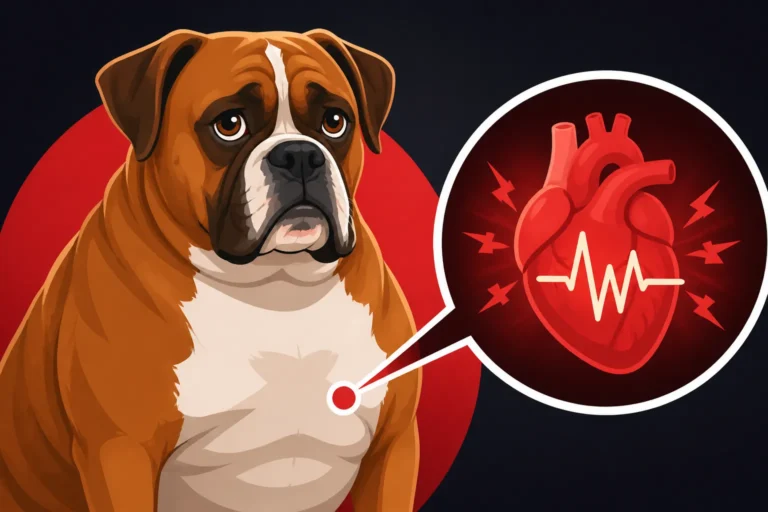
Beyond sunburn, Boxers, by their very nature, are particularly susceptible to overheating. Their brachycephalic (flat-faced) skull structure means they have a shorter snout and often narrower airways compared to longer-nosed breeds. This makes panting, their primary method of cooling down, less efficient. When you combine this anatomical challenge with the high ambient temperatures and direct sun exposure of midday, you create a perfect storm for heatstroke.
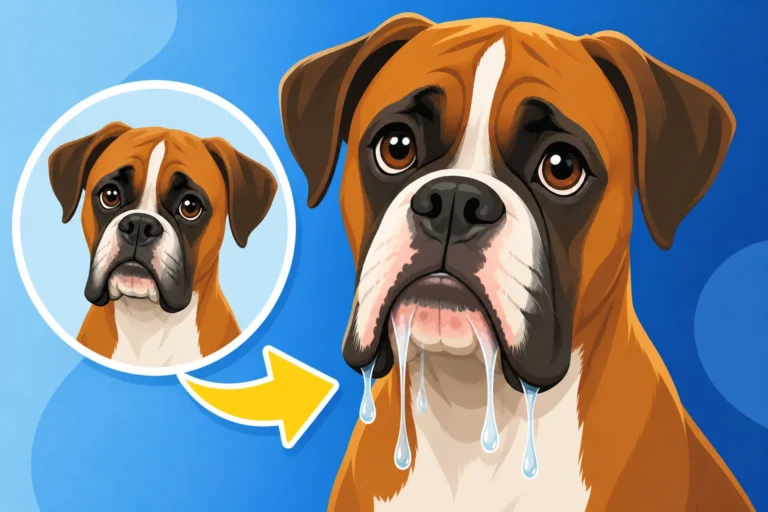
A white Boxer might feel the heat even more intensely because white fur can absorb certain wavelengths of heat, though some argue it reflects more. Regardless, direct sunlight on their skin, especially on their back, head, and ears, will raise their body temperature quickly. Signs of overheating can include excessive panting, drooling, weakness, staggering, and even collapsing. This is a life-threatening emergency, far more immediate than sunburn. Understanding How Fast a Flat-Faced Boxer Overheats is crucial, and the midday sun exacerbates this risk dramatically. It’s not just about physical activity; simply lying in the sun can be enough to trigger dangerous heat accumulation.
Practical Strategies for Protecting Your White Boxer
Given these risks, managing your white Boxer's sun exposure, especially during peak hours, isn't just recommended—it's essential for their health and well-being. This often means making some adjustments to your daily routine and providing them with appropriate protection.
Strategic Timing for Outdoor Activities
The simplest and most effective strategy is to adjust when your white Boxer spends time outdoors. The safest times for walks, playtime in the yard, or even just relaxing outside are typically before 10 AM and after 4 PM. During these hours, the sun's UV index is significantly lower, and ambient temperatures are generally cooler.
This might mean getting up a little earlier for their morning romp or saving their longer walks for the cooler evening. Even a seemingly innocuous stroll at 1 PM in summer can quickly become dangerous. On extremely hot days, or days with a very high UV index, you might even need to consider shorter, more frequent indoor play sessions or finding indoor dog-friendly spaces. Remember that even on cloudy days, a significant amount of UV radiation can still reach the ground, so don't be fooled into thinking overcast skies offer complete protection.
Utilizing Sunscreen and Protective Gear
Just like we use sunscreen, there are options available for your dog. Look for dog-specific sunscreens that are zinc oxide-free, as zinc can be toxic if ingested. Apply it liberally to vulnerable areas like the nose, ear tips, and any sparsely haired areas of the belly or inner thighs. Always do a patch test first to ensure your dog doesn't have a sensitivity. Brands available on sites like Chewy or Amazon often carry these specialized products.
Beyond sunscreen, protective gear can make a huge difference. Lightweight, breathable UV-protective shirts or vests can cover large areas of their body. There are also hats or visors designed for dogs that can protect their sensitive noses and eyes. While a Boxer might initially resist wearing new gear, positive reinforcement and gradual introduction can help them get used to it. Think of it as part of their essential wardrobe for summer, just like a cooling vest. Cooling Vests and Fans for a Boxer can also offer dual protection by both cooling and covering their back.
Creating Shade Havens and Indoor Alternatives
If your white Boxer must be outdoors for any period during the day, ensure they have constant access to ample, dense shade. A single tree might not be enough as the sun moves. Consider pop-up canopies, umbrellas, or a shaded porch. The goal is to provide a place where they can completely escape direct sunlight.
For those midday hours, the best place for your white Boxer is often indoors. Air conditioning or fans can keep them cool and comfortable. Engage them with indoor games, puzzle toys, or training sessions to burn off energy. Long-lasting chews from Chewy can also keep them occupied. If you work long hours and your Boxer is alone, consider a dog walker who can visit during cooler parts of the day, or look into doggy daycare options that offer indoor, climate-controlled play areas. Making sure their primary living space is comfortable and safe is paramount.
When to Seek Veterinary Advice
Even with the best preventative measures, sometimes things happen, or you might notice something concerning on your white Boxer's skin. Knowing when to call the vet is vital. Early detection and treatment can make a significant difference in the outcome of sun-related issues.
Recognizing Signs of Sunburn or Heatstroke
It's important to differentiate between mild irritation and a true emergency.
Signs of Sunburn:
- Redness and Inflammation: The skin, especially on the ears, nose, or belly, appears pink or red and might feel warm to the touch.
- Pain or Tenderness: Your Boxer might flinch or show discomfort when touched in the affected areas.
- Blistering or Peeling: In more severe cases, you might see fluid-filled blisters or areas where the skin is starting to peel.
- Dry, Cracking Skin: Chronic sun exposure can lead to persistently dry, flaky, or cracked skin in affected areas.
If you suspect sunburn, cool compresses can offer some relief, but a vet visit is recommended to assess the severity and prescribe appropriate treatment to prevent infection or further damage. Sunburn on a White Boxer's Nose can be particularly painful and prone to secondary issues.
Signs of Heatstroke (Emergency):
- Excessive Panting: Much more heavy and rapid than usual.
- Profuse Drooling: Thick, ropey saliva.
- Bright Red Gums or Tongue: A clear indicator of overheating.
- Vomiting or Diarrhea: Can be severe or bloody.
- Weakness, Staggering, or Collapse: Inability to stand or disorientation.
- Seizures: A grave sign indicating severe neurological impact.
- Elevated Body Temperature: Rectal temperature above 104°F (40°C).
Heatstroke is an emergency. If you notice these signs, immediately move your Boxer to a cooler area, apply cool (not ice cold) water to their body, especially the armpits and groin, and get them to an emergency vet clinic immediately. This is not something you can treat at home.
Monitoring for Skin Changes and Suspicious Lumps
Regularly performing a weekly "lump check" is crucial for all Boxers, but especially for white ones due to their increased risk of skin cancer. Run your hands over your dog's entire body, paying close attention to sun-exposed areas. Look for:
- New Lumps or Bumps: Any new growth, regardless of size or color.
- Changes in Existing Growths: A lump that has changed in size, shape, color, or texture.
- Non-Healing Sores: Wounds that don't seem to heal or that repeatedly scab over and open up.
- Crusty Patches: Areas of skin that are persistently crusty, scaly, or irritated.
If you find anything suspicious, schedule a vet visit promptly. Early detection of skin cancers, as with any cancer in Boxers (who are tragically prone to them, as explored in Why Cancer Kills More Boxers Than Anything Else), significantly improves the prognosis. Your vet might recommend a fine needle aspirate or a biopsy to determine the nature of the lump. Don't wait to see if it goes away; with cancer, time is of the essence. A product like Sunscreen Safe for a White Boxer can reduce exposure, but constant vigilance is also key.
Here's a quick comparison of sun protection strategies for your white Boxer:
| Protection Method | Pros | Cons | Best Use Cases |
|---|---|---|---|
| Indoor Access | Complete UV protection; temperature control | Limits outdoor exercise; can lead to boredom | Midday peak sun hours; extreme heat days |
| Shade (Trees/Canopy) | Natural; readily available in many yards | Shade moves; not always dense enough; minimal cooling | Brief outdoor stints; lounging |
| Dog Sunscreen | Targeted protection; allows direct sun (briefly) | Must be applied regularly; can be licked off | Nose, ears, belly; short outdoor exposure |
| UV Protective Apparel | Covers large body areas; often breathable | Some dogs resist wearing clothes; can be warm | Longer outdoor play during less intense sun; hikes |
| Strategic Timing | Highly effective; free; natural | Requires schedule adjustment; limited midday activity | All outdoor activities, year-round |
When it comes to the safety and comfort of your beloved white Boxer, being informed and proactive about sun protection is truly an act of love. Remember, their unique physiology makes them more vulnerable, and it's up to us, their owners, to be their shield against the sun's harsh rays.
Disclaimer
This article is for general informational purposes only and does not constitute professional advice. Laws, prices and regulations vary by location and change over time. Consult a qualified professional for guidance on your specific situation.