Sunburn on a White Boxer’s Nose
If you're a white Boxer owner, you know the immense joy and personality these dogs bring into our lives. But you also know the unique challenges, and one of the most common worries is the delicate skin, particularly on that precious nose. Sunburn on a white Boxer's nose isn't just an aesthetic issue; it can be genuinely painful for your dog and, in the long run, lead to serious health problems. This guide is here to walk you through understanding why it happens, how to spot it, and most importantly, how to keep your beloved Boxer's nose safe and healthy under the sun.
Why White Boxers Are More Susceptible to Sunburn
It might seem obvious, but the lack of pigment in a white Boxer's skin is the fundamental reason they are so prone to sunburn. Just like fair-skinned people, they don't have the natural defenses that darker pigmentation provides. Understanding the science behind this can help you better protect your dog.
Understanding Melanin and Skin Pigmentation
Melanin is a natural pigment found in the skin, hair, and eyes of both humans and animals. Its primary job is to protect against the harmful effects of ultraviolet (UV) radiation from the sun. Think of melanin as your body's built-in sunscreen; it absorbs and scatters UV rays, preventing them from damaging skin cells. Dogs with darker coats and skin have more melanin, offering them a degree of natural protection.
However, white Boxers, particularly those with pink noses, pale paw pads, and light skin, produce very little to no melanin in these areas. This means their skin is essentially bare, leaving it highly vulnerable to sunburn. The UV rays can penetrate easily, causing inflammation, pain, and cellular damage. It’s why you’ll notice these unpigmented areas are often the first to burn, even after relatively short exposure. Their ears, the thin skin on their bellies, and of course, that prominent nose are all danger zones.
The Delicate Nature of a Boxer's Nose Leather
The nose leather of any dog is a unique and highly sensitive part of their anatomy, but for a white Boxer, it’s particularly exposed. The skin on the nose is typically thinner than elsewhere on the body, and often, it lacks pigment entirely, appearing pink or flesh-colored. This makes it an especially prime target for sun damage.
Beyond its delicate nature, the nose is a critical sensory organ for a Boxer. They rely on it for navigating their world, smelling every exciting scent, and even helping them regulate body temperature through evaporation. It’s constantly exposed to the elements, whether they’re sniffing the ground on a walk or peering out the window. Unlike other body parts that might be covered by fur, the nose is generally uncovered, making it difficult to protect without specific interventions. The combination of minimal melanin and constant exposure means a white Boxer's nose requires extra vigilance when it comes to sun protection.
Recognizing the Signs of Sunburn on Your Boxer's Nose
It’s easy to overlook a mild sunburn, especially on a dog that can’t tell you it hurts. But learning to spot the subtle and obvious signs can help you intervene quickly and prevent more serious complications. Your Boxer relies on you to be their eyes and ears, or in this case, their skin checker!
Early Indicators and Mild Cases
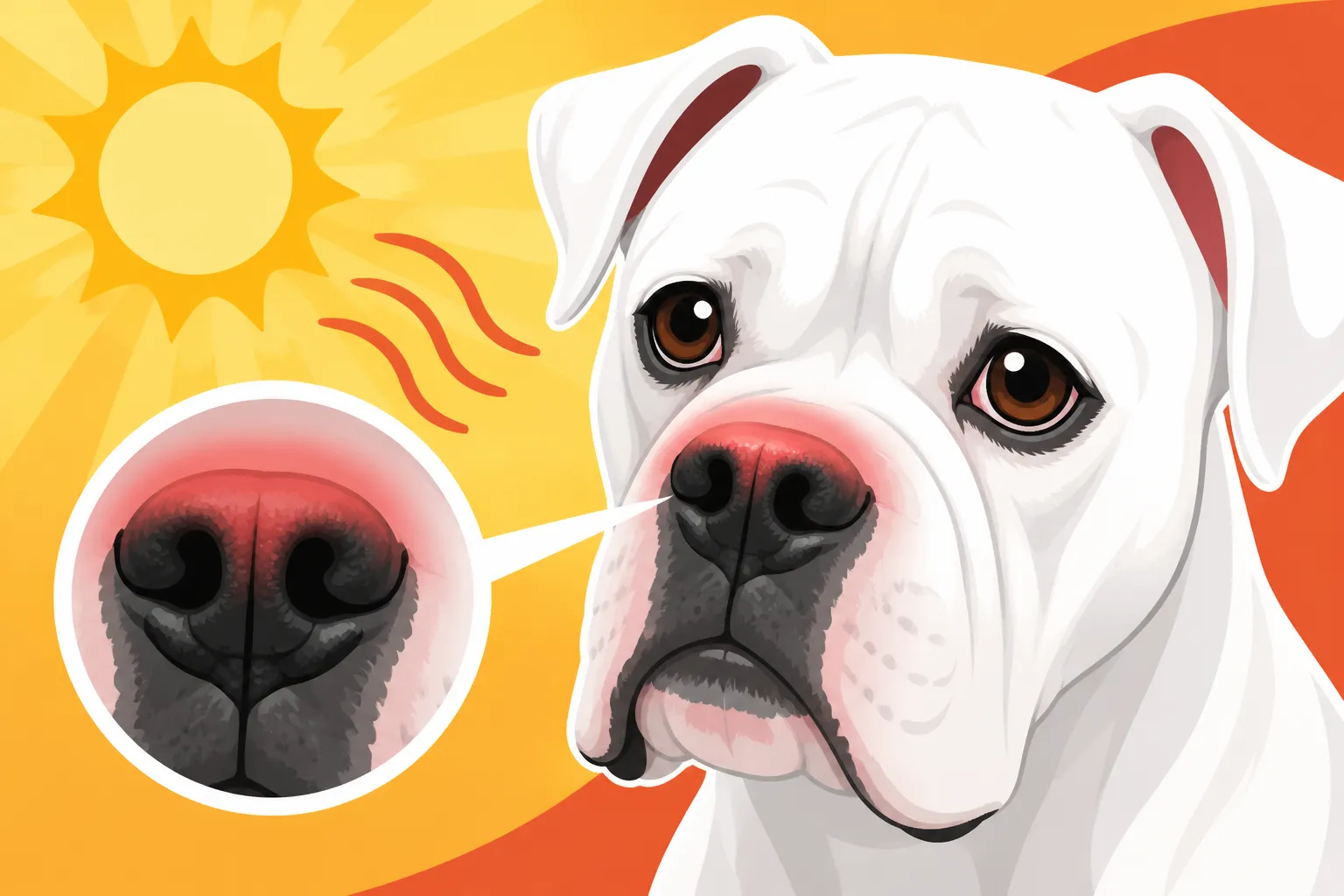
In its earliest stages, a sunburn on your Boxer’s nose might resemble what you’d see on your own skin after a little too much sun. The first thing you'll likely notice is a subtle reddening of the unpigmented areas. The pink skin on their nose might appear a deeper, more angry red. You might also observe slight swelling or puffiness around the affected area.
Your Boxer might start exhibiting behaviors indicating discomfort. They may become sensitive to touch, flinching or pulling away if you try to pet their nose or muzzle. Some dogs will paw at their nose more frequently or rub their face against furniture or the carpet, trying to alleviate the irritation. Their nose might also feel warm to the touch, and in some cases, you might even notice a very subtle peeling of the outermost layer of skin a day or two later. It’s crucial to catch these mild cases early, as repeated mild sunburns can accumulate damage over time and increase the long-term risk of Skin Cancer Risk on a White Boxer.
More Severe Sunburns and Complications
When a Boxer's nose experiences more severe sunburn, the signs become much more pronounced and concerning. Instead of just redness, you might see blistering, where small, fluid-filled pockets form on the skin. These blisters can be quite painful and are prone to rupturing, which then leads to weeping sores. The skin might begin to peel significantly, revealing raw, tender new skin underneath. In very severe cases, the nose can even crack and bleed, creating open wounds that are not only agonizing for your dog but also highly susceptible to secondary bacterial infections.
An infection would present with symptoms like pus, a foul odor, increased swelling, and even systemic signs like lethargy or a fever. If left untreated, severe sunburn and subsequent infections can lead to chronic skin issues, scarring, and a significantly elevated risk of developing squamous cell carcinoma, a type of skin cancer that often targets sun-damaged areas. This is why immediate veterinary attention is paramount for anything beyond a very mild case.
Practical Strategies for Sun Protection
The good news is that sunburn is largely preventable with consistent effort and the right approach. Protecting your white Boxer’s nose means being proactive and integrating sun-safe habits into your daily routine. It’s about more than just slapping on some sunscreen; it’s a holistic strategy.
Timing Walks and Seeking Shade
One of the simplest yet most effective ways to protect your Boxer’s nose (and entire body) from the sun is to adjust your outdoor schedule. The sun's UV rays are strongest between 10 AM and 4 PM. During these peak hours, even a short walk can expose your white Boxer to harmful radiation.
Aim for walks early in the morning, ideally before the sun fully asserts its power, or later in the evening, after it has begun to set. This not only reduces UV exposure but also helps keep your Boxer cooler, which is crucial for a brachycephalic (flat-faced) breed like the Boxer. When you are outdoors, always seek out shaded areas. If your yard lacks natural shade, consider creating some with umbrellas or shade cloths. If you’re at a park, stick to tree-lined paths. Even on cloudy days, UV rays can penetrate, so maintaining vigilance is key. This careful timing isn't just about sunburn; it's also vital for preventing overheating. You can learn more about managing their exercise in heat by checking out Walking a Boxer Before Sunrise in Summer or understanding The Temperature a Boxer Should Stop Walking At.
Applying Canine-Specific Sunscreen
For those times when your Boxer must be out during higher UV periods, or for prolonged exposure, a canine-specific sunscreen is your best friend. This isn't the same as human sunscreen, which often contains ingredients like zinc oxide or PABA that can be toxic if ingested by dogs. Since dogs frequently lick their noses, it's crucial to use a product formulated specifically for pets.
Look for sunscreens that are non-toxic, fragrance-free, and designed for animal use. Many pet-specific brands are available, often carried by online retailers like Chewy or Amazon, or your local pet supply store. When applying, be generous, especially on the nose, ear tips, and any other exposed, thinly furred, or unpigmented areas. Reapply frequently, particularly after your Boxer licks their nose, eats, or has been active. A good rule of thumb is every 2-4 hours, or more often if they are very diligent about licking. You can dive deeper into selecting the right product in Sunscreen Safe for a Boxer.
Protective Gear and Indoor Management
While less common, some Boxers will tolerate protective gear, offering an additional layer of defense. Dog-specific hats or visors can provide shade for their sensitive noses and eyes. It might take some gentle introduction and positive reinforcement to get your Boxer comfortable wearing one, but for dogs that spend a lot of time outdoors, it can be a worthwhile effort.
Ultimately, the most effective protection, especially during the harshest parts of the day, is often simply keeping your white Boxer indoors. This is particularly true if you live in a climate with intense sun exposure. Consider this your go-to strategy, especially during those scorching summer afternoons. For more insights on this approach, check out Whether a White Boxer Should Be Kept Indoors at Noon. Indoor time also helps them manage their overall body temperature, preventing them from overheating quickly, a common concern for flat-faced breeds like Boxers. While not directly for sunburn, maintaining their comfort with tools like cooling vests can also be beneficial in hot weather. You can find more information about these in Whether a Cooling Vest Helps a Flat-Faced Boxer.
To illustrate the range of sun protection methods, here’s a quick overview:
| Protection Method | Best For | Key Considerations | Frequency/Timing |
|---|---|---|---|
| Timing Outdoor Activities | Everyday walks, general outdoor time | Avoid 10 AM – 4 PM sun, consider overcast days | Daily, adjust based on UV index |
| Seeking Shade | Any outdoor activity (walks, yard play) | Natural (trees) or artificial (umbrellas, shade cloths) | Always, when outdoors |
| Canine Sunscreen | Prolonged exposure, unpigmented areas | Must be pet-safe, non-toxic; test a small patch first | Every 2-4 hours, or after licking |
| Protective Apparel | Specific activities (beach, long hikes) | Dog hats/visors; comfort and tolerance vary by dog | As needed, during sun exposure |
| Indoor Management | Peak sun hours, high UV index days | Ultimate protection from direct sun exposure | Daily, especially summer afternoons |
Treating a Sunburned Boxer's Nose
Even with the best precautions, accidents happen, and your Boxer might end up with a sunburned nose. Knowing how to provide immediate care and when to seek professional help is essential for their comfort and long-term health.
At-Home Care for Mild Sunburns
If you notice a mild sunburn on your Boxer's nose – just a bit of redness and tenderness without blistering or open wounds – you can usually manage it at home. The first step is to gently cool the affected area. A cool, damp cloth (not icy cold) held against the nose for a few minutes can help reduce inflammation and soothe the skin. Repeat this several times a day.
Next, you'll want to apply a soothing agent. Plain petroleum jelly can help moisturize and protect the damaged skin, creating a barrier. Some pet owners also find pure aloe vera gel (ensure it’s 100% aloe and free of alcohol, fragrances, or other additives that could be harmful if ingested) to be helpful for its soothing properties. Apply these gently and sparingly. The biggest challenge here is preventing your Boxer from licking it all off! An Elizabethan collar (e-collar) or cone might be necessary to allow the topical treatment to absorb and prevent further irritation from licking. Continuously monitor the area for any signs of worsening, such as increased redness, swelling, or the development of blisters or scabs.
When to Seek Veterinary Attention
While mild cases can often be handled at home, there are definite red flags that indicate a trip to the vet is in order. If your Boxer’s nose shows any signs of severe sunburn, such as significant blistering, deep cracking, or weeping sores, don't delay in calling your veterinarian. These types of injuries are not only intensely painful but also carry a high risk of infection, which could lead to much more serious health problems.
Signs of a secondary infection include pus, a foul odor emanating from the nose, extreme swelling, or if your Boxer becomes lethargic, loses their appetite, or develops a fever. Your vet can accurately assess the severity of the burn, prescribe pain relief to make your Boxer more comfortable, and provide antibiotics if an infection has set in. They may also offer specialized healing creams or balms that are safer and more effective than over-the-counter human products. Remember, while preventative measures are always the best course of action, knowing when to seek professional help is crucial for managing your Boxer’s health and well-being.
Disclaimer
This article is for general informational purposes only and does not constitute professional advice. Laws, prices and regulations vary by location and change over time. Consult a qualified professional for guidance on your specific situation.