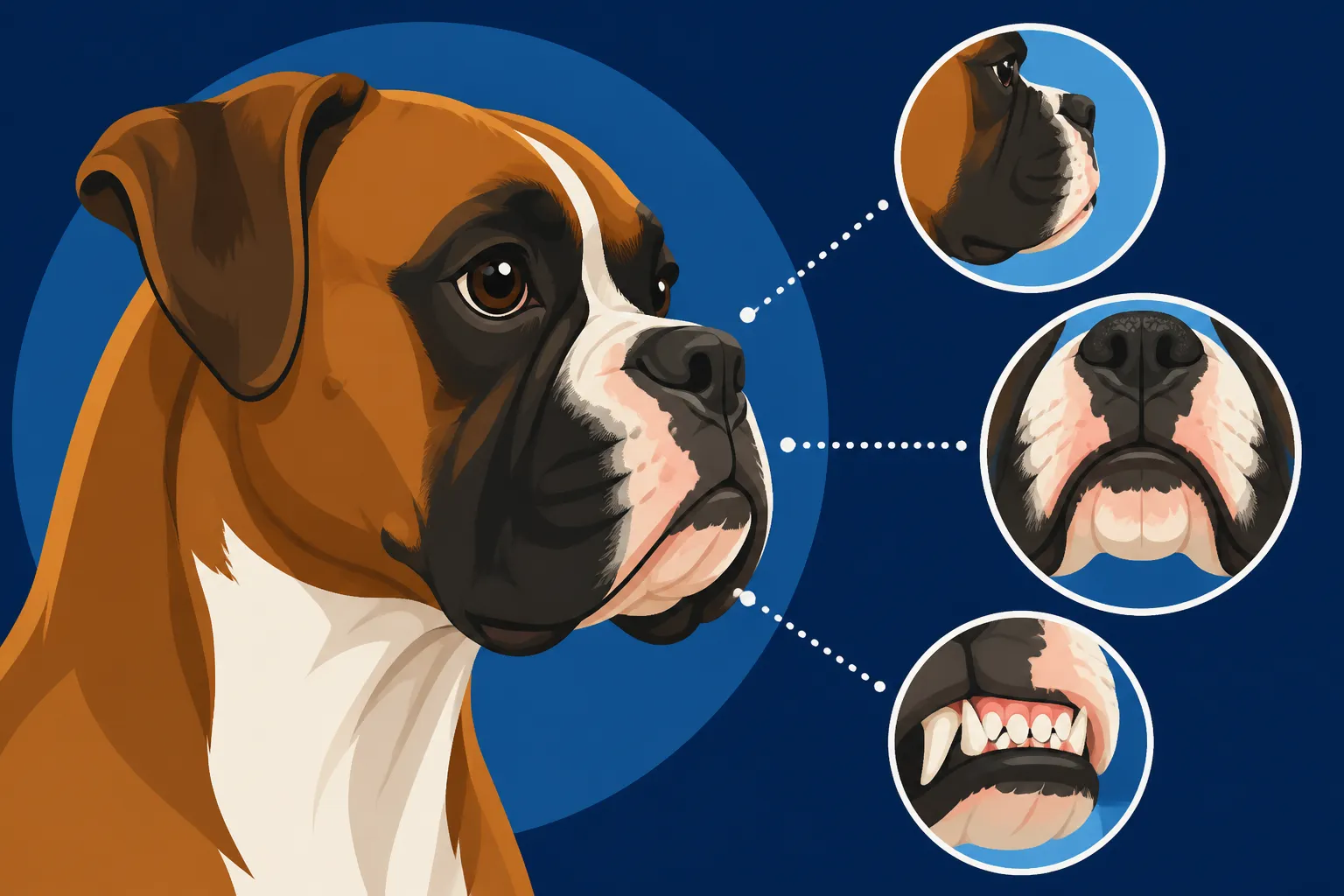
The Boxer Chin, Muzzle and Bite
When you first fall in love with a Boxer, you're immediately struck by their magnificent, distinct face. But sometimes, what makes them so unique – their prominent chin, powerful muzzle, and especially that undershot bite – can also be a source of confusion or even worry for new owners. Understanding these signature features isn't just about appreciating their beauty; it's crucial for their health and daily care. This guide will walk you through everything you need to know about your Boxer's unforgettable facial structure, from what's considered ideal in the breed standard to practical tips for keeping those adorable jowls clean and healthy.
Understanding the Boxer's Distinctive Muzzle
The Boxer's muzzle is arguably its most recognizable feature, defining much of its characteristic appearance and even some of its health considerations. It's a structure that commands attention, both for its aesthetic appeal and its functional design.
The Brachycephalic Nature of the Boxer Muzzle
Boxers are what we call a "brachycephalic" breed, a term that simply means "short-headed." This describes dogs with short noses and flat faces. Think about it – a Boxer's muzzle is relatively short and broad compared to, say, a German Shepherd's long, tapered snout. This unique anatomy is a defining trait, but it's also something every Boxer owner needs to be deeply aware of. It's why they have that somewhat pushed-in, square face that gives them such a charmingly serious or clownish expression, depending on their mood.
This brachycephalic structure isn't just cosmetic; it significantly impacts how your Boxer breathes and regulates body temperature. Their shortened air passages mean they can't cool themselves as efficiently through panting as longer-nosed breeds. This is a critical factor when considering exercise in warm weather or managing excitement. While we adore their flat faces, it’s always important to remember the built-in challenges this structure can present, especially when it comes to keeping them cool and comfortable.
Muzzle Proportions and the Breed Standard
The official breed standard provides a very specific picture of what an ideal Boxer muzzle should look like, and it's quite a fascinating blueprint. It describes a muzzle that is broad and deep, never pointed, and with the breadth maintained as much as possible right to the tip. Imagine a strong, solid block – that's the kind of substantial muzzle a Boxer should have. The length is also carefully defined; it should be about one-third the length of the head, from the tip of the nose to the back of the skull. This proportion is key to the Boxer's balanced and powerful head.
Another important aspect is that the muzzle should turn up slightly at the end, giving the Boxer that characteristic "turned-up nose" look. This upward curve, combined with the deep stop (the indentation between the eyes), contributes to the breed's distinct and often thoughtful expression. When you look at The Boxer Head the Standard Describes, you'll see how all these elements come together to form the powerful, yet noble, headpiece that is so admired. A muzzle that is too long, too short, or lacks depth can throw off this crucial balance and is considered a deviation from the ideal.
The Unique Boxer Chin and Jaw
Beyond the muzzle, the Boxer's chin and jaw structure are equally captivating and play a significant role in their overall appearance and function. This powerful lower jaw is not just a cosmetic feature; it's a legacy of their working past.
The Prominent Chin of a Boxer
Take a moment to look at your Boxer's profile, particularly the chin. You'll notice it's quite pronounced, often projecting forward, creating a distinct shelf or angle beneath their lower lip. This is exactly what the breed standard calls for: a strong, broad chin that extends beyond the upper jaw and contributes to the squareness of the muzzle. It should feel sturdy and solid when you gently cup their face.
This prominence isn't just for show; it's integral to the Boxer's powerful jawline. A weak or receding chin, one that seems to slope back rather than project forward, would be considered a fault. The chin contributes to the breed's confident and resolute expression, balancing the deep muzzle above it. It's one of those subtle details that, when correctly formed, truly completes the iconic Boxer head.
The Boxer's Undershot Jaw Explained
Perhaps the most famous and sometimes misunderstood aspect of the Boxer's facial anatomy is its undershot jaw. In simple terms, "undershot" means that the lower jaw extends beyond the upper jaw. If you gently part your Boxer's lips, you'll see that their lower incisors (front teeth) sit in front of their upper incisors. This isn't a defect; it's a hallmark of the breed, a defining characteristic that has been purposefully bred into Boxers for generations.
This undershot jaw is directly linked to the Boxer's ancestors, the Bullenbeisser, which were powerful hunting dogs used to hold onto large prey. Why Boxer Ancestors Needed a Wide Grip explains how this specific bite allowed them to get a firm, powerful grip without obstructing their breathing. For your modern-day Boxer, it means a jaw that, while it looks a little unconventional, is incredibly strong. It's perfectly normal for their lower teeth, or sometimes even a bit of their tongue, to show when their mouth is closed, especially when they're relaxed or panting happily. This unique jaw configuration is part of what makes a Boxer, a Boxer!
The Boxer's Bite: What's Acceptable and What's Not
While the undershot jaw is a defining feature, the way the teeth align within that jaw is crucial. Not all undershot bites are created equal, and understanding the nuances can help you identify a healthy bite versus one that might cause problems.
The Ideal Boxer Scissor Bite (Reverse Scissor)
Despite being an undershot breed, there's an ideal alignment that's often referred to as a "reverse scissor" or sometimes just "undershot bite" in the context of the Boxer standard. This isn't a true scissor bite like you'd find in a German Shepherd, where the upper teeth closely overlap the lower. For a Boxer, the lower jaw projects, and the lower incisors should ideally meet just in front of the upper incisors, forming a straight line. The upper and lower jaws should be broad and square, fitting together cleanly.
The critical aspect is how the canines — those long, pointed "fang" teeth — align. The lower canines should fit snugly into the space between the upper incisors and the upper canines. This alignment ensures the dog can close its mouth fully and comfortably, which is essential for eating, playing, and general oral health. It's a powerful bite designed for holding, not for snipping, and this specific dental architecture is a testament to their heritage.
Common Bite Faults and Health Implications
While an undershot jaw is correct for a Boxer, there are degrees and configurations that can be problematic and are considered faults in the breed standard. A severely undershot jaw, where there's a significant gap between the upper and lower incisors, or an overshot jaw (where the upper jaw extends too far beyond the lower, which is rare in Boxers but can happen in mixes), can both lead to issues. Perhaps more concerning are conditions like a "wry mouth," where one side of the jaw is longer than the other, causing a crooked appearance and improper alignment of all teeth.
These bite faults aren't just cosmetic. They can lead to significant health complications. For example, teeth might rub against the gums or palate, causing painful sores or chronic irritation. Food can become easily trapped, increasing the risk of dental disease, plaque, and tartar buildup. In severe cases, a dog might struggle to properly grasp food, chew comfortably, or even close its mouth entirely. This can impact their digestion and overall quality of life. Understanding Whether a Boxer's Bite Traps Food is vital for proactive care and recognizing when a veterinary dental check-up might be necessary.
Whether a Boxer's Teeth Should Show
It's a common sight: a Boxer with a perpetually silly expression, their lower teeth peeking out from under their upper lip. So, is this normal, or is it a fault? According to the breed standard, the teeth and tongue should ideally not be visible when the mouth is closed. However, in reality, many Boxers, especially when relaxed or excited, will show some teeth, particularly those lower incisors. This is often just a natural consequence of their undershot jaw and the way their lips sit.
What's important is the extent to which they show. If the teeth are constantly exposed to the point of drying out, or if the lower lip doesn't provide adequate coverage, it might lead to issues like irritation or even chapping. For most Boxers, a little peek of tooth is just part of their charm. If you’re ever unsure, your vet can assess the dental health and comfort of your dog’s bite. For a deeper dive into this, you might find What an Undershot Boxer Bite Means incredibly helpful, as it explains the nuances of this distinctive feature.
Care and Maintenance for the Boxer's Facial Features
The Boxer's unique facial structure, while endearing, does come with its own set of care requirements. Proper hygiene and attention to these areas are essential to prevent discomfort and health issues.
Dental Care for an Undershot Jaw
Caring for a Boxer's teeth can be a bit more challenging due to their undershot jaw and the way their teeth align. Those tight spaces and the forward projection of the lower jaw can create nooks and crannies where food particles and plaque love to hide. Regular dental care is paramount to prevent tartar buildup, gum disease, and bad breath. This means daily brushing with a dog-specific toothbrush and toothpaste is ideal, even if it feels a bit like a wrestling match with your affectionate land shark.
Beyond brushing, consider incorporating dental chews and toys designed to help scrape away plaque. You can find a fantastic selection of dental treats and chew toys at places like Chewy, specifically formulated for strong chewers and different jaw structures. These aren't a substitute for brushing, but they can be a great supplemental tool. Regular professional dental cleanings under anesthesia, as recommended by your vet, are also vital. These cleanings can be a significant expense, so it’s wise to understand Dental Cleaning Prices for a Boxer and factor them into your budget.
Cleaning Boxer Muzzle Folds and Jowls
Those adorable, wrinkly muzzle folds and deep jowls that give your Boxer so much character are also prime spots for collecting moisture, food debris, and general grime. This moist, warm environment can become a breeding ground for bacteria and yeast, leading to skin irritation, foul odors, and even painful infections. It’s a common Boxer owner frustration, but totally manageable with a consistent routine.
The key is daily cleaning. After meals, after a good drink, or even after a slobbery play session, gently wipe out the folds with a soft, damp cloth or a pet-safe facial wipe. Make sure to dry the area thoroughly afterwards to prevent moisture buildup. Some owners use a very mild, non-toxic antiseptic wipe, available from pet suppliers like Chewy, if their Boxer is prone to skin issues in these areas. Be vigilant and check these areas every day, as even a small amount of trapped food can quickly become a problem. For a detailed guide on this, refer to Wiping a Boxer's Jowls and Muzzle Folds.
Managing Drool and Mess
Let’s be honest: Boxers drool. It’s part of the package! Their loose jowls, combined with their enthusiasm for life and propensity to mouth things, means slobber is an almost constant presence in a Boxer household. From long strings of drool after a drink of water to enthusiastic "slobber sprays" when they shake their head, managing the mess is an ongoing effort. It's not a flaw, just a fact of Boxer life.
You can try a few strategies to keep the drool somewhat contained. Have dedicated "drool cloths" strategically placed around the house for quick clean-ups. Many Boxer owners use bibs, especially during meal times or when guests are over, to catch excess drool. Raised feeding bowls can sometimes help minimize the mess around their eating area. Products like pet-safe floor cleaners or furniture protectors can also be invaluable for preserving your home. And remember, that wet kiss your Boxer gives you is just their way of sharing the love – and sometimes a little bit of lunch! If you're looking for more ways to cope, Drool Around a Boxer Household offers some excellent practical advice.
The Boxer's Facial Features and Breed Health
While the Boxer's face is undeniably charming, its unique structure also brings specific health considerations that every owner should be aware of. Being proactive and informed can make a significant difference in your Boxer's well-being.
Breathing Concerns in Brachycephalic Boxers
As a brachycephalic breed, Boxers can be prone to Brachycephalic Obstructive Airway Syndrome (BOAS). This isn't a single condition but a combination of anatomical abnormalities that can obstruct the airway, including stenotic nares (narrow nostrils), an elongated soft palate, and everted laryngeal saccules. These features, inherent to their short muzzle, make it harder for them to breathe, especially during exercise, excitement, or in hot weather. You might notice your Boxer snorting, snoring loudly, or having noisy breathing, even when at rest. Snoring and Noisy Breathing in a Boxer goes into great detail about these sounds and what they might indicate.
It's crucial to be mindful of your Boxer's breathing, particularly on warm days. They can overheat quickly because they can't pant efficiently to cool themselves. Keep them out of direct sun, ensure access to fresh water, and limit strenuous exercise during peak heat. If you notice excessive panting, struggling to breathe, or blue-tinged gums, seek veterinary attention immediately as these are signs of heatstroke or severe respiratory distress.
Eye Protection and Tear Staining
Boxers often have relatively prominent eyes set within their broad skulls. While this contributes to their expressive faces, it can also make their eyes more vulnerable to injury. Their eyes might not be as recessed or protected by surrounding bone as in other breeds, making them susceptible to scratches from branches, dust, or even playful nips from other dogs. Always be on the lookout for squinting, redness, excessive tearing, or discharge, which could indicate an eye injury or infection.
Another common facial issue is tear staining. You might notice reddish-brown streaks under your Boxer's eyes. This can be due to a variety of factors, including blocked tear ducts, allergies, or simply the shape of their eye socket causing tears to overflow. While often more of an aesthetic concern, persistent moisture can lead to skin irritation. Regular, gentle cleaning of the area around their eyes with a damp cloth or pet-safe eye wipe, as described in Cleaning a Boxer's Eyes Daily, can help keep these stains at bay and prevent secondary skin issues.
Anesthesia Risk and the Boxer Face
One of the most critical health considerations related to a Boxer's brachycephalic features is the increased risk associated with anesthesia. Because of their shortened snouts, relatively large tongues, and potentially elongated soft palates, Boxers have narrower airways compared to other breeds. This anatomical setup means they are more prone to respiratory distress during and after sedation or general anesthesia. Their airways can be more easily obstructed, leading to complications.
When your Boxer needs any procedure requiring anesthesia, it's vital to choose a veterinary practice experienced with brachycephalic breeds. They should employ specific protocols, such as pre-oxygenation, careful monitoring throughout the procedure, and extended recovery time with close observation. Discussing these concerns with your vet beforehand is essential. Understanding Anesthesia Risk in a Flat-Faced Boxer will empower you to ask the right questions and ensure your Boxer receives the safest possible care during any procedure.
The Aesthetic Appeal and Cultural Significance
Beyond the practicalities of care and health, the Boxer's chin, muzzle, and bite contribute immensely to their unique aesthetic and cultural appeal, making them one of the most beloved breeds worldwide.
Why the Boxer Face Resonates with Owners
There’s just something about a Boxer's face, isn't there? That broad, powerful muzzle, those deep-set, intelligent eyes, and that slightly worried or perpetually thoughtful expression — it all adds up to an incredibly captivating visage. For many owners, it’s this unique face that first draws them in. It’s a face that seems to convey a huge range of emotions, from goofy joy to deep empathy, often making them seem almost human in their expressions. They are often called the "clowns of the canine world" partly because of how expressive their faces are, capable of making you laugh with just a look.
This distinct facial structure is also a big part of their charm. While some might initially find the undershot jaw or visible teeth unusual, most Boxer enthusiasts quickly fall in love with these quirks. It's a face that’s strong and noble, yet inherently playful and gentle, reflecting the breed's dual nature. The way their jowls move when they’re focused on a treat, or the way their brow furrows in concentration, creates an undeniable connection with their human companions.
How the Face Reflects Boxer Temperament
The Boxer's face isn't just a physical attribute; it's a window into their soul, reflecting their well-known temperament. That strong, powerful jaw suggests a formidable dog, and indeed, Boxers can be excellent guardians, possessing an inherent watchfulness. Yet, the overall expression is often one of warmth and approachability, especially when they're relaxed. This contrasts beautifully with their muscular build and strong features, embodying their reputation as "nature's gentleman" – powerful, yet gentle.
Their alert eyes and often furrowed brow hint at their intelligence and keen observation skills, even if they can be stubborn at times! The playful glint in their eyes, combined with that perpetually slightly open, often-drooling mouth, speaks volumes about their enthusiastic, fun-loving nature. It's a face that can look serious one moment and utterly comical the next, perfectly mirroring their energetic, loyal, and sometimes goofy personality. If you want to delve deeper into their character, Boxer Temperament in the Standard and in Life provides a wonderful exploration of what makes this breed so special, inside and out.
Summary of Boxer Facial Features
To help summarize the key aspects of the Boxer's distinctive chin, muzzle, and bite, here's a quick overview:
| Feature | Ideal Description | Common Faults | Care/Health Consideration |
|---|---|---|---|
| Muzzle | Broad, deep, one-third head length, slightly turned up | Too long, too pointed, lacking depth | Brachycephalic breathing issues, overheating risk |
| Chin | Strong, broad, projects forward beyond upper jaw | Receding, weak, not prominent | Minor impact on function, aesthetic only |
| Bite/Jaw | Undershot, lower incisors meet in front of upper ones, canines align cleanly | Severely undershot, overshot, wry mouth, misaligned canines | Dental disease, chewing difficulties, irritation |
| Jowls/Folds | Loose, contributes to square head | Excessive folds causing constant irritation | Skin fold dermatitis, infection, odor, drool mess |
| Teeth Visible | Ideally not visible when mouth is closed | Constantly visible, leading to dryness | Aesthetic, potential for drying teeth/gums |
Disclaimer
This article is for general informational purposes only and does not constitute professional advice. Laws, prices and regulations vary by location and change over time. Consult a qualified professional for guidance on your specific situation.