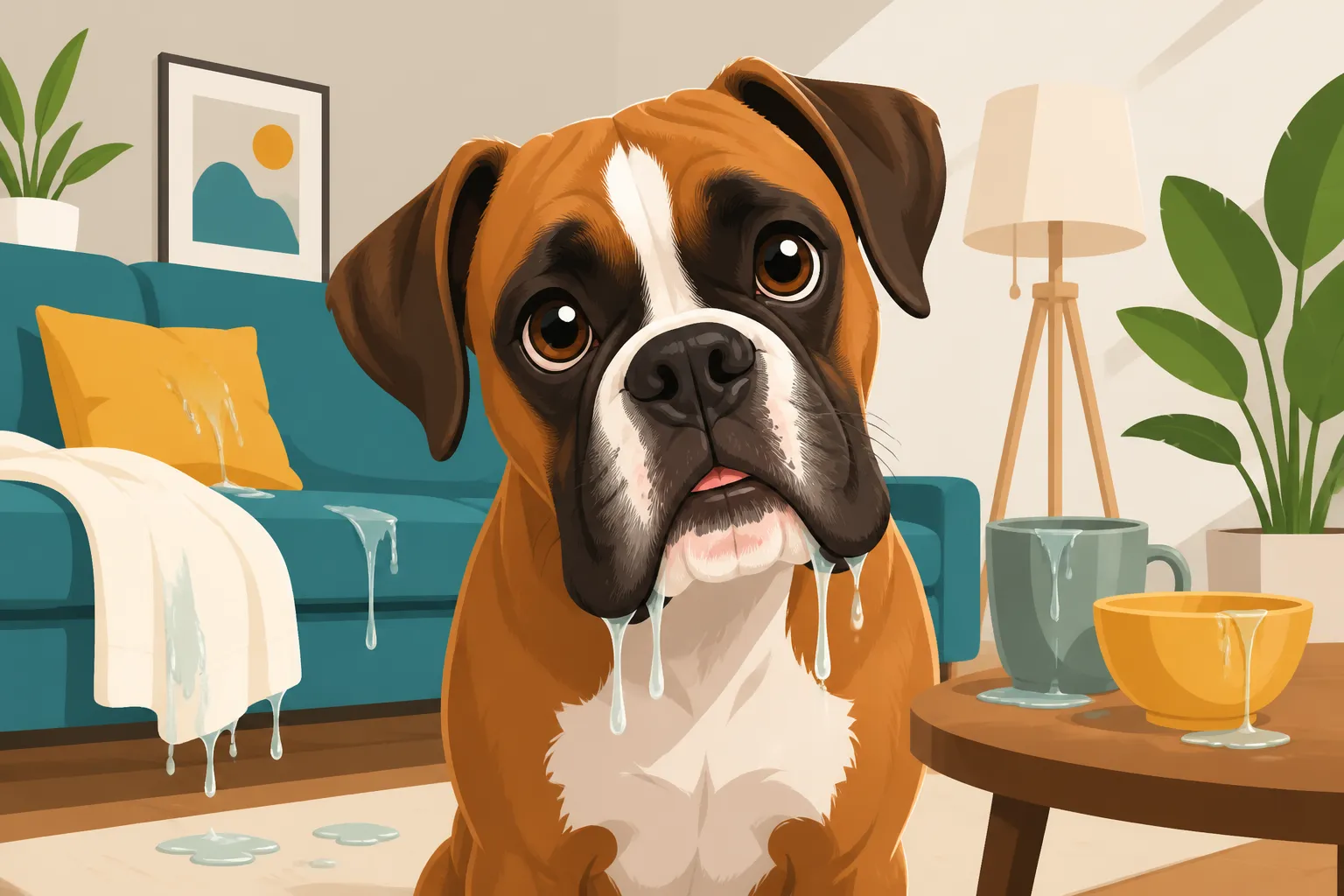
Drool Around a Boxer Household
Let's be honest, living with a Boxer means living with slobber. Those sweet, expressive faces come with a unique talent for decorating your walls, floors, and clothes with glistening trails of doggy drool. It's a reality most Boxer owners embrace with a sigh and a towel, but it doesn't mean you can't learn to manage the wet realities of a Boxer household and keep your home (and yourself) a little drier. This guide will walk you through why your beloved Boxer is such a drool machine and, more importantly, how to effectively handle the inevitable slobber without losing your mind.
Why Boxers Are Such Droolers
If you've ever found yourself asking, "Why is my Boxer always drooling?", you're not alone. It’s a common trait of the breed, stemming from a combination of their unique physical characteristics and their endearing, excitable personalities. Understanding the root causes can help you anticipate and manage the drool better.
The Boxer's Unique Facial Anatomy
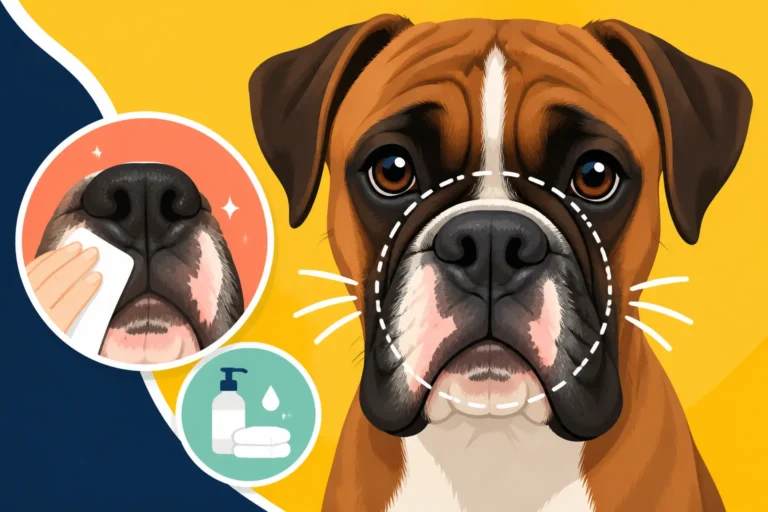
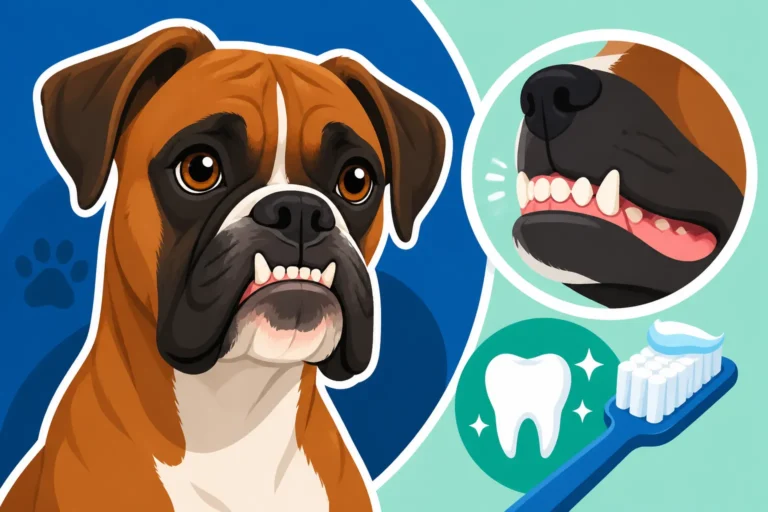
One of the biggest contributors to Boxer drool is their distinctive head and muzzle shape. Boxers are a brachycephalic breed, meaning they have a relatively short, broad skull. This, combined with their characteristic "undershot" jaw and prominent jowls, creates the perfect architecture for slobber to accumulate and escape. Their loose jowls, or flews, don't fully contain saliva in the way a dog with tighter lips might. Instead, gravity and movement take over, leading to those signature drips and strings. It's simply how their beautiful faces are built, and it's a trade-off for all that wonderful Boxer expression. You might find yourself Wiping a Boxer's Jowls and Muzzle Folds more often than you'd think.
Excitement and Anticipation Drool
Beyond their anatomy, Boxers are renowned for their enthusiastic and sensitive nature. They are often bundles of energy and emotion, and these strong feelings can trigger a surge in saliva production. Think about it: does your Boxer drool most when you're preparing their dinner? Or when you grab the leash for a walk? This is anticipation drool in action. Their salivary glands kick into overdrive as they predict a pleasurable event. It’s a perfectly normal physiological response, often seen in highly food-motivated or play-driven dogs, which Boxers most certainly are! It’s their way of telling you, "I'm ready! I'm excited!"
Drooling as a Natural Cooling Mechanism
While dogs primarily cool themselves by panting, increased salivation can also play a role in thermoregulation, especially for brachycephalic breeds. Boxers, with their short snouts, can struggle to cool themselves efficiently, making them more prone to overheating. When they get hot, they'll pant more heavily, and with those loose jowls, more drool will inevitably escape. So, if it’s a warm day or your Boxer has been particularly active, expect the drool factor to escalate. This is a sign to pay close attention to your dog's comfort and ensure they have access to cool water and shade. Managing this is a crucial part of Keeping a Boxer Cool When It Cannot Pant Enough.
The Many Forms of Boxer Drool
Not all Boxer drool is created equal. From thin, watery drips to thick, sticky ropes, the consistency and spread of your Boxer's slobber can vary. Understanding these different "types" and where they tend to land can help you prepare for and prevent messy situations.
Slobber vs. Thin Drool
You've probably noticed that Boxer drool isn't always the same. Sometimes it's a thin, watery liquid that seems to drip constantly, especially after drinking or on a hot day. This is often just excess saliva, perhaps mixed with a bit of water. Other times, however, it's that famous, thick, ropey slobber that stretches when your dog shakes their head and leaves distinct marks. This thicker drool tends to be more concentrated saliva, often produced during intense excitement or when they've been chewing on something particularly tasty. The difference in consistency often dictates how easy or difficult it is to clean up, with the thicker, stickier kind requiring a bit more effort.
Common Drool Zones: Walls, Floors, Furniture
Boxer drool has a knack for finding its way onto every surface imaginable. Your kitchen floor near the water bowl is an obvious hotspot, often developing slick patches that can catch an unsuspecting foot. Walls, especially at Boxer height, become canvases for drool "art" when your dog shakes their head or rubs against them. The couch, your favorite armchair, and even your bed are prime targets, particularly if your Boxer is allowed on the furniture. Many an owner has sat down only to discover a fresh, damp spot left by their furry friend. This ubiquitous spread is just part of the charm (and challenge) of living with these wonderful dogs.
The "Shaking Head" Effect
Perhaps the most iconic (and often most frustrating) aspect of Boxer drool is the "shaking head" effect. Your Boxer finishes a drink, or gets excited, or just feels the urge to give a good shake, and suddenly, slobber is flung far and wide. This isn't just a small splatter; it can be an impressive arc of glistening doggy essence, reaching surprising distances and coating everything in its path – including you! It’s often how those distinctive trails end up on the walls or ceiling. While you can't entirely prevent a dog from shaking, being aware of it can help you position yourself or objects out of the "splash zone" when you anticipate it.
Managing Drool in a Boxer Household
Living with a drooly Boxer doesn't mean resigning yourself to a permanently damp home. There are plenty of practical strategies and routines you can implement to keep the slobber under control and maintain a cleaner, drier living space.
Daily Wiping and Cleaning Routines
The simplest and most effective way to manage Boxer drool is through consistent cleaning. Keep dedicated "drool rags" or old towels strategically placed around the house – near the food and water bowls, by the door, and in areas where your Boxer frequently lounges. A quick wipe of your Boxer's jowls after they drink, eat, or get excited can significantly reduce the amount of slobber that ends up elsewhere. For floors, a damp mop or a steam cleaner can be your best friend. For walls, a gentle household cleaner can usually take care of the marks, though for more stubborn, dried-on streaks, you might need a specialized product. Remember that Cleaning Boxer Slobber Off Walls is a recurring task.
| Surface | Recommended Cleaning Method | Tips for Boxer Drool |
|---|---|---|
| Hardwood/Tile | Damp mop with mild floor cleaner; steam cleaner | Wipe up immediately to prevent slipping; use enzyme cleaner for dried, sticky spots. |
| Walls | Warm water with mild soap; Magic Eraser (test first) | Use a gentle touch; wipe down regularly to prevent build-up; position dog beds away from walls. |
| Furniture (Fabric) | Upholstery cleaner; enzyme spray; washable covers | Invest in waterproof covers. For direct stains, blot (don't rub) with enzyme cleaner. Let air dry. |
| Furniture (Leather) | Damp cloth with mild soap; leather cleaner/conditioner | Wipe quickly to prevent absorption; follow with a leather conditioner to prevent drying/cracking. |
| Carpet/Rugs | Carpet cleaner; enzymatic stain remover | Treat fresh stains by blotting; let enzyme cleaner sit as directed for older, set-in drool. |
| Windows/Glass | Glass cleaner; microfiber cloth | Easy to clean, but often overlooked! Wipe down regularly for clear views. |
Protecting Surfaces and Fabrics
Prevention is always better than cure, especially when it comes to slobber. Consider investing in waterproof or easily washable covers for your furniture. Many pet-friendly couch covers are available on sites like Amazon and Chewy, designed to withstand spills and drool while still looking good. For floors, strategically placed washable rugs or runners in high-traffic, high-drool areas (like in front of the water bowl) can catch drips before they hit your permanent flooring. Even having a designated "Boxer towel" on a specific section of the couch can help manage the mess. This approach saves your furniture from stains and makes laundry duty much simpler than deep cleaning.
Strategic Placement of Water Bowls
Where you place your Boxer's water bowl can make a surprising difference in the overall drool situation. If it's in a carpeted area or directly next to your pristine walls, you're inviting trouble. Move water bowls to areas with hard, easily cleanable floors, like the kitchen or utility room. Placing a large, absorbent mat or a shallow tray underneath the bowl can catch stray drips and splashes. Some owners even use elevated bowls, which can sometimes reduce gulping and the resulting water-with-drool overflow, though the efficacy can vary from dog to dog. Remember to keep the bowl clean, as fresh water is always more appealing and can encourage better hydration. Feeding a Boxer Twice a Day can also help manage feeding-related drool by providing a predictable schedule.
Products and Tools for Drool Management
While consistent cleaning and good habits are key, there are also some fantastic products out there designed to make life with a drooly Boxer a little easier. From specialized cleaners to protective gear, these tools can be invaluable additions to your Boxer-owner arsenal.
Specialized Cleaning Solutions
Regular household cleaners are great for general tidying, but for persistent drool stains and odors, you might need something more robust. Enzymatic cleaners are a lifesaver for breaking down organic matter like saliva, making them highly effective on carpets, upholstery, and hard surfaces. These cleaners don't just mask odors; they neutralize them by breaking down the proteins in the drool. You can find excellent enzymatic pet stain and odor removers from brands available through retailers like Chewy or Amazon. For walls and other hard surfaces, a simple vinegar and water solution can work wonders, or consider a melamine foam eraser (like a "Magic Eraser") for tough, dried-on streaks, always testing in an inconspicuous spot first.
Drool Bibs and Apparel
Yes, drool bibs for dogs exist, and for some Boxers, they are an absolute game-changer! Especially useful for super drooly individuals or during times of heightened excitement (like meal prep or car rides), a comfortable, absorbent bib can catch a significant amount of slobber before it ever reaches your floors or furniture. Look for bibs made from soft, washable materials, ideally with a waterproof backing to prevent saturation. Many styles are available, from simple bandanas to more robust, full-coverage options. It might seem a little silly at first, but a well-chosen drool bib can save you countless wipes and keep your Boxer's chest drier, potentially preventing skin irritation.
Furniture Covers and Washable Bedding
To protect your home's biggest investments from slobber, invest in high-quality furniture covers and easily washable bedding. Look for covers that are waterproof or highly water-resistant, durable, and machine washable. They come in various styles to match your decor and can be easily removed for cleaning. For your Boxer's bed, choose one with a removable, washable cover. Even better, consider beds made with water-resistant or memory foam inserts that can be wiped clean. Many pet supply stores and online retailers like Chewy offer a wide range of options specifically designed for large, drooly breeds. This way, your Boxer can lounge in comfort without you constantly worrying about the slobber.
When Drooling Might Signal a Problem
While drooling is a normal part of Boxer life, there are instances where excessive or sudden drooling could indicate an underlying health issue. It's important to differentiate between routine slobber and a potential problem that requires veterinary attention.
Sudden or Excessive Drooling
If your Boxer suddenly starts drooling much more than usual, or if the drool's consistency changes dramatically (e.g., becoming foamy or bloody), it's a red flag. This isn't just "happy Boxer" drool. A sudden onset of excessive salivation, known as ptyalism, can be a symptom of various problems, from an upset stomach to something lodged in their mouth. It’s important to pay attention to your Boxer's baseline drool levels so you can recognize when something is out of the ordinary. A change in drooling habits, particularly if it's accompanied by other symptoms, warrants a call to your vet. You might also want to read about A Boxer That Drools More Than It Used To.
Associated Symptoms: Pain, Nausea, Dental Issues
Abnormal drooling is rarely the only symptom if a health issue is present. Look for other signs such as:
- Difficulty eating or swallowing: Your Boxer might drop food, chew awkwardly, or refuse to eat altogether.
- Paw at their mouth: This could indicate something stuck between their teeth or in their gums, or pain.
- Vomiting or retching: Nausea often precedes vomiting and can cause increased salivation.
- Lethargy or changes in behavior: If your Boxer is suddenly quiet, withdrawn, or unwilling to play, paired with drooling, something is amiss.
- Bad breath or visible mouth sores: Dental problems, gum disease, or oral growths can all lead to increased drooling and foul odor. This is often linked to Boxer Dental Care and the Undershot Bite.
- Facial swelling or tenderness: An abscess or injury could be the culprit.
When to Call the Vet
Don't hesitate to contact your veterinarian if you notice any of the above warning signs in conjunction with unusual drooling. Even if you're unsure, a quick phone call can help you decide if an immediate visit is necessary. It's always better to be safe than sorry, especially with Boxers who are prone to certain health conditions. Your vet can examine your Boxer's mouth, throat, and overall health to determine the cause of the excessive drooling and recommend appropriate treatment. Sometimes, it's a minor irritation, but other times it could be a sign of a more serious issue that needs prompt attention.
Disclaimer
This article is for general informational purposes only and does not constitute professional advice. Laws, prices and regulations vary by location and change over time. Consult a qualified professional for guidance on your specific situation.