The German Words Behind the Boxer’s Name
It's one of those questions that seems so simple, yet the answer is steeped in history and a little bit of playful myth: where did the name "Boxer" come from for our beloved canine companions? Many people assume it's simply because of their adorable tendency to bat at things with their front paws, like a prize fighter. While that image certainly fits their personality, the truth of their name's origin is actually a bit more nuanced, rooted deeply in their German heritage and the functional roles their ancestors played. Let's delve into the fascinating story behind the German words that gave us the name Boxer, stripping away the popular assumptions to uncover the linguistic journey.
Unpacking the German Roots: Not Just About Paws
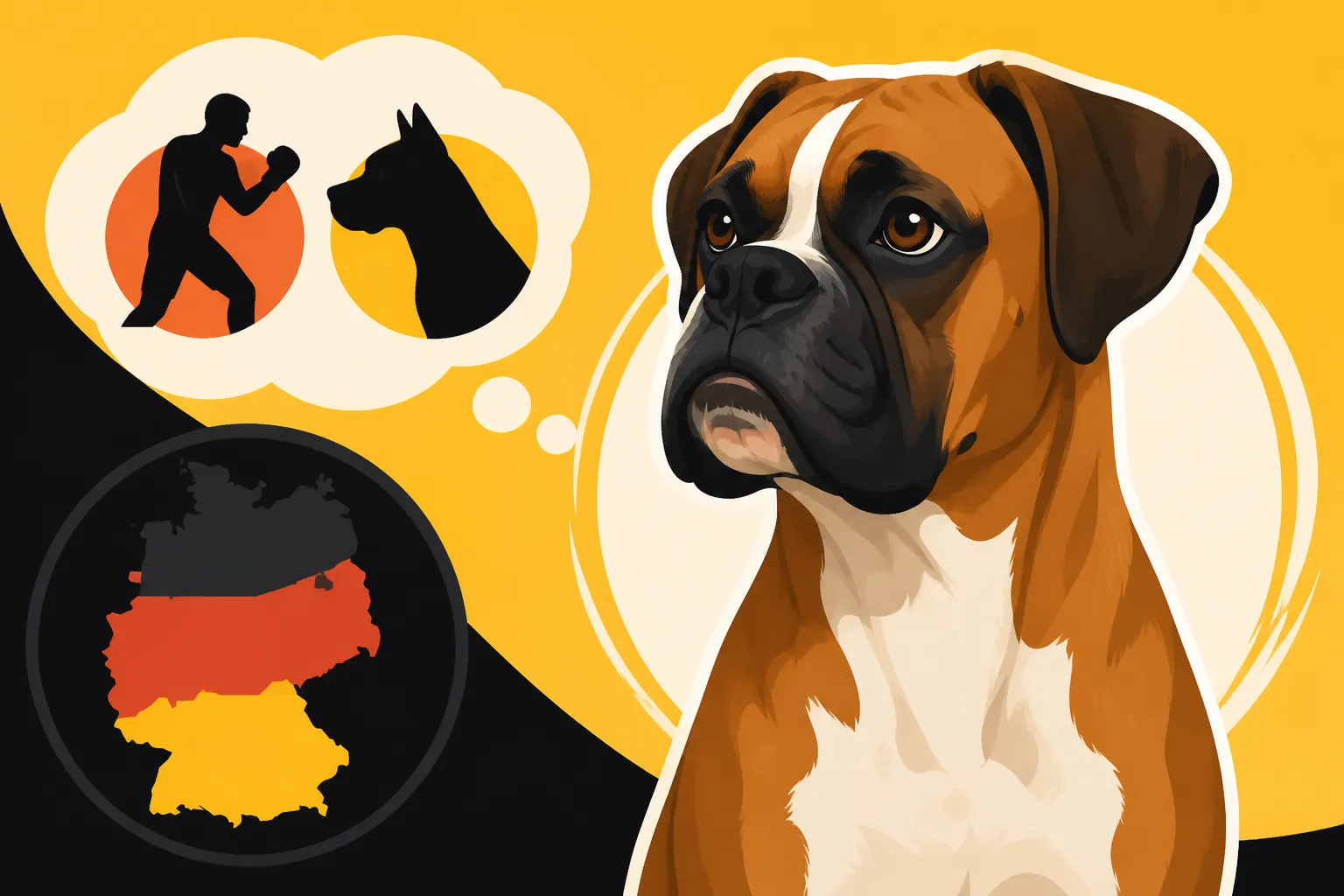
When you first hear "Boxer," especially if you've ever watched one play, it's easy to jump to conclusions about those famous front paws. They truly do use them in a way that’s reminiscent of boxing, playfully swiping and batting at toys, other dogs, and even their human family members. This charming characteristic is so ingrained in their identity that it's often cited as the direct source of their name. However, the actual linguistic history suggests a slightly different, more practical origin, though the playful pawing undoubtedly solidified the name's perception over time.
The "Boxl" Theory and Its Origins
One of the prevailing theories amongst breed historians and enthusiasts points to a regional German slang term or a more specific descriptor for the breed's ancestors. While there isn't one definitive, universally accepted etymological smoking gun, the term "Boxl" has often surfaced in discussions about the name's origin. This isn't a direct translation of "boxer" in the sporting sense, but rather an older, perhaps colloquial, word that may have been used to describe a certain type of dog in specific German regions.
Imagine bustling marketplaces in 19th-century Germany, where these powerful, tenacious dogs were a common sight, often working alongside butchers or guarding livestock. It's plausible that a local dialect used a term like "Boxl" to refer to these specific short-muzzled, strong-jawed dogs, perhaps deriving from their stocky build or their role in controlling cattle. It speaks to a time before formal breed clubs and standardized names, when dogs were known by their function or their appearance within a community. Over time, as the breed became more formalized and recognized, this informal term could have been adapted and streamlined into "Boxer."
The "Boxer" as a Verb: What About the Paws?
Now, let's address the elephant in the room — or rather, the Boxer with the punching paws! The common idea that the name comes from their "boxing" behavior is incredibly compelling, precisely because it's so visually accurate. Any Boxer owner will tell you how frequently their dog uses its front paws in play, whether it's an exuberant greeting, a sparring match with a squeaky toy, or a gentle tap to demand attention. This behavior is a hallmark of the breed's playful and affectionate nature.
While this characteristic perfectly describes a Boxer, it's more likely a happy coincidence that reinforced the name rather than being its original source. The name was likely already taking shape, or had taken shape, when this particular playful trait was noticed and embraced by the public. It's a bit like how we might say someone is a "people person" – it describes them perfectly, but it's not where their name came from. The energetic, engaging way Boxers interact with their world simply made the name "Boxer" stick and resonate deeply with people, becoming an intrinsic part of their charm. This innate tendency to use their paws so expressively is part of why we love them, and it makes their name feel incredibly fitting, regardless of its precise linguistic genesis. If you've ever wondered Whether Boxers Really Use Their Paws Like Fists, rest assured, they absolutely do!
The Bullenbeisser Connection: Tracing Ancestry Through Names
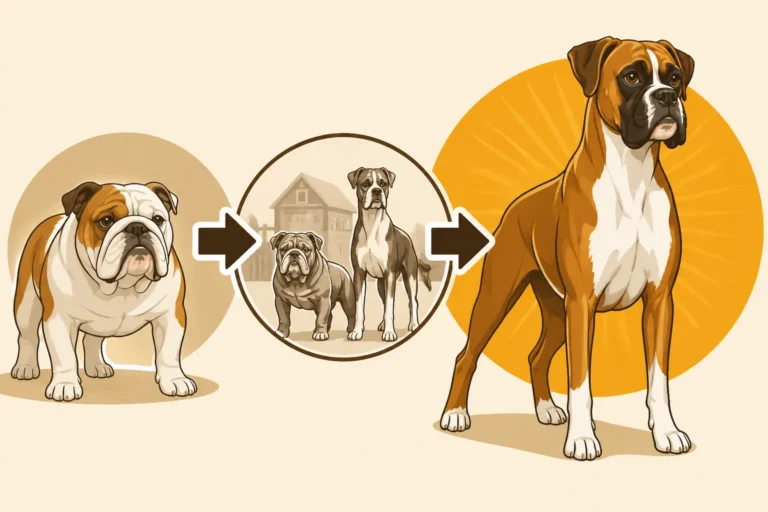
To truly understand the German words behind the Boxer's name, we must journey further back in time to its direct ancestors. The modern Boxer didn't just appear out of nowhere; it's the result of careful breeding and selection, evolving from powerful working dogs that were critical to tasks now largely done by machines. These ancestral dogs carried names that directly reflected their purpose, giving us a clearer path to the Boxer's identity.
The Old German "Bullenbeisser" and Its Meaning
The primary ancestor of the Boxer is the Bullenbeisser, an Old German breed whose name is incredibly descriptive of its role. Breaking down the word "Bullenbeisser" (pronounced "BULL-en-bye-ser") reveals its literal meaning: "bull-biter." These formidable dogs were mastiff-type hounds, bred for their strength, agility, and powerful jaws, which they used to hunt large game like wild boar, deer, and even bear. Their most crucial function, however, was in bull-baiting, a practice common in medieval Europe, where dogs would hold a bull by the nose or ears.
This name, "Bullenbeisser," isn't just a label; it's a testament to the dog's sheer tenacity and the demanding work it performed. It tells us that these were dogs built for gripping and holding, with incredible physical and mental fortitude. Over generations, these larger, more unwieldy Bullenbeissers were selectively bred down in size and refined, with infusions from other breeds like the Old English Bulldog, to create the more agile, yet still powerful, dogs that would eventually become the Boxer. If you're curious about the specific genetic contributions, exploring Which Breeds Were Crossed to Make the Boxer provides a deeper dive into this fascinating lineage.
Here's a quick look at the word breakdown:
| German Word | English Translation | Historical Significance |
|---|---|---|
| Bullen | Bulls | Refers to cattle, large game |
| Beisser | Biter | Describes their function: gripping and holding |
| Bullenbeisser | Bull-biter | Name of the Boxer's primary ancestor, denoting working purpose |
From Regional Names to a Standardized Breed
As the late 19th century arrived, interest in developing distinct dog breeds grew across Europe. The descendants of the Bullenbeisser were already known by various regional names in Germany, reflecting their local adaptations and specific uses. However, with the establishment of formal kennel clubs and the concept of a "breed standard," there was a movement to consolidate these types into a recognized, consistent breed. This is where the name "Boxer" began its journey from a potential colloquialism or descriptor to an official designation.
The process of standardization involved defining physical traits, temperament, and, crucially, a singular name. The first Boxer club, the Deutscher Boxer Club, was founded in Munich in 1895, marking a pivotal moment. It was this club that formally adopted "Boxer" as the name for the breed. This standardization was essential for promoting the breed, ensuring consistent characteristics, and allowing it to be recognized in dog shows. The 1902 standard, in particular, solidified many of the traits we recognize today. If you're interested in the details of how the breed was officially established, The German Boxer Club and Its 1902 Standard offers a comprehensive account of this foundational period.
The Influence of English and American Adoption
Once the Boxer breed was formally established in Germany, its appealing qualities—strength, loyalty, and lively temperament—quickly captured attention beyond its homeland. As the breed spread to other countries, particularly English-speaking nations, its German name traveled with it. This adoption played a crucial role in cementing "Boxer" as the universally recognized term for these dogs.
Anglicization and Global Recognition
When the Boxer first made its way across the Atlantic and to other parts of the world, particularly after the World Wars, the name "Boxer" was largely adopted without significant alteration. Unlike some breeds whose names were completely translated or changed to suit local languages, "Boxer" was already straightforward and distinct enough to be incorporated directly into English. This ease of adoption helped the breed gain widespread recognition relatively quickly.
The name's simple, punchy quality also made it memorable and easy to pronounce for non-German speakers. It didn't require complex translation or pronunciation guides, which likely contributed to its swift and universal acceptance. This natural anglicization meant that the German origins of the name, whether from "Boxl" or the playful "boxing" association, were effectively carried over and solidified in the global consciousness. It truly became the name for this specific type of dog, no matter where you were.
Pop Culture and the Enduring "Boxing" Myth
Even though the direct linguistic origin might lean away from the "paw-punching" explanation, the visual association is just too strong for it to ever fully disappear from popular culture. As Boxers became more common in households around the world, their characteristic playful pawing became one of their most beloved and recognized traits. This behavior perfectly aligns with the English word "boxer" (meaning a fighter, especially with fists), creating a reinforcing loop that made the name feel incredibly apt.
This vivid image has been used in everything from cartoons to product advertisements, firmly embedding the "boxing" interpretation in the public's mind. Brands that cater to dog owners, such as Chewy, often highlight these playful, energetic aspects of the breed, appealing to owners who love their Boxer's spirited antics. It's a testament to the breed's engaging personality that even if the paw-play wasn't the original source of the name, it's certainly the most memorable and universally understood reason for it today. It's a happy narrative that encapsulates their charm.
What the Name Tells Us About the Boxer's Legacy
Ultimately, the journey of the Boxer's name—from the ancient "Bullenbeisser" to the standardized "Boxer"—tells us a great deal about the breed's rich heritage and its enduring qualities. It’s more than just a label; it’s a condensed history, reflecting both their formidable past and their beloved present.
A Nod to History and Function
The name "Boxer," when viewed through the lens of its Bullenbeisser ancestry, is a subtle but powerful nod to the breed's working origins. It evokes a sense of strength, determination, and a certain fearlessness that was absolutely essential for a dog tasked with handling large, dangerous animals. The power and grit implied by the "bull-biter" lineage are still present in the modern Boxer's sturdy build and courageous spirit. They were bred for jobs that required immense physical and mental toughness, and that legacy is carried forward in their very name.
Even if the "Boxl" theory holds more weight, it still points to a descriptor used for a robust, working-class dog, integral to communities. Understanding this historical context helps us appreciate the depth and substance behind what appears to be a simple, playful name. It reminds us that these wonderful companions are descended from dogs with serious responsibilities. For a broader perspective on their historical role, reading about The Boxer's Working History can provide valuable insights into how their capabilities shaped their journey.
A Reflection of Personality
While the historical origins are fascinating, the enduring popularity of the name "Boxer" also speaks volumes about the breed's lively and endearing personality. Today, when most people hear "Boxer," they immediately think of a joyful, energetic, and often clownish dog that loves to play. The image of a dog "boxing" with its paws perfectly captures their spirited and affectionate nature. They are often described as eternal puppies, maintaining their zest for life and playful energy well into adulthood.
This dual understanding—a name rooted in a powerful working past, yet perfectly describing a loving, playful companion—is part of what makes the Boxer so unique. It’s a breed that embodies both strength and tenderness, seriousness and silliness. So, whether you trace the name back to a specific German slang or embrace the delightful "boxing" image, one thing is certain: the name "Boxer" perfectly encapsulates the spirit of these truly exceptional dogs. It's why so many of us fall head over heels for their antics and robust character. If you want to know more about the general reasons behind their name, check out Why the Boxer Is Called a Boxer.
Disclaimer
This article is for general informational purposes only and does not constitute professional advice. Laws, prices and regulations vary by location and change over time. Consult a qualified professional for guidance on your specific situation.