The Boxer Head the Standard Describes
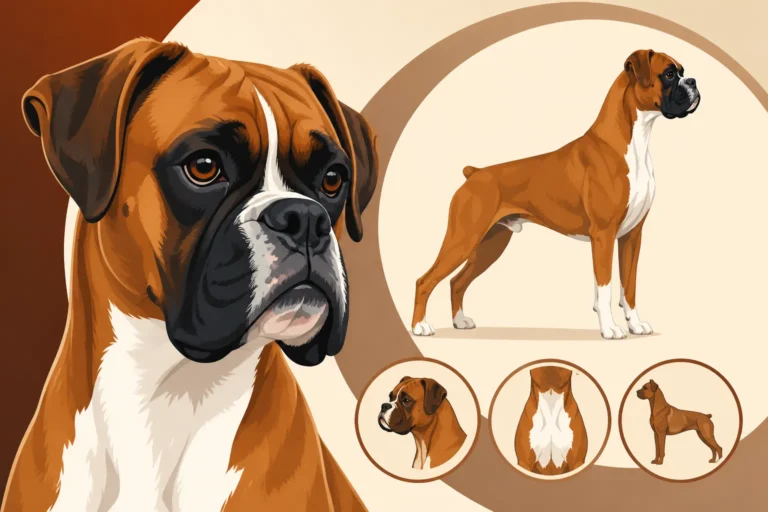
When you first fall in love with a Boxer, it's often their incredible personality and stunning physique that capture your heart. But delve a little deeper, especially if you're looking at well-bred Boxers or considering showing, and you'll quickly realize that the breed standard is a meticulous blueprint, and nowhere is this more evident than in the description of their head. Understanding exactly what the official standard demands in a Boxer's head can feel like deciphering a complex architectural drawing, especially with all the talk of proportions, planes, and expressions. This guide is here to break down those intricacies, helping you understand not just what a Boxer's head should look like, but why those features are so important for the breed's health, function, and unmistakable charm.
Understanding the Boxer Standard's "Head" Section
For many, a dog's head is simply its face. But for a breed like the Boxer, the head is a cornerstone of its identity, telling a story about its lineage, its health, and its adherence to the specific traits that define it. The breed standard, whether from the American Kennel Club (AKC) or other national kennel clubs, isn't just a beauty contest rulebook; it's a guide for maintaining the integrity and health of the breed. The head section is particularly detailed because it encompasses so many defining Boxer characteristics. It dictates everything from the breadth of the skull to the turn-up of the muzzle, and each element plays a role in the dog's overall well-being and function, beyond mere aesthetics.
Why the Head is So Crucial for Boxer Type and Health
The Boxer's distinctive head isn't just for show. It's a key indicator of correct breed type, reflecting the breed's ancestry as a gripping dog (Bullenbeisser) and influencing its capabilities. A correctly proportioned head with the right amount of stop, a broad muzzle, and proper bite allows the Boxer to breathe efficiently, even with its brachycephalic (short-nosed) structure, and to articulate its unique range of expressions. When these features deviate too far from the standard, it can lead to health issues. For example, a muzzle that is too short can severely impede breathing, while an incorrect bite can cause dental problems or difficulty eating. This is why reputable breeders pay such close attention to head type – they're not just aiming for a pretty face, but a healthy, functional dog.
It’s often a frustration for new owners that their beloved Boxer puppy might not have the "perfect" head, or that a vet might express concerns about their flat face. It helps to understand that the standard seeks a balance. The Boxer is a brachycephalic breed, but the standard aims to avoid the extremes that can cause suffering. A proper understanding of The Boxer the Breed Standard Describes can help owners appreciate the nuances and the critical role these characteristics play in the breed's overall picture.
Distinguishing a Well-Bred Head from Poorly-Bred Traits
Walking through a dog park, you'll see Boxers with a wide range of head types. Some have long, snipey muzzles, others have flat faces that seem almost squashed, and some have eyes that protrude too much. These variations often stem from breeding decisions that don't prioritize the breed standard. A well-bred Boxer will have a head that is harmonious, powerful yet elegant, and clearly defined. The skull should be clean-cut, not coarse or clunky. The wrinkles on the forehead should appear when the ears are attentive, not as a permanent furrow.
On the other hand, poorly bred Boxers might exhibit exaggerated features that look "cute" but are detrimental. A muzzle that is too short or too pinched can lead to severe respiratory issues, necessitating careful management in hot weather and during exercise. Similarly, light-colored or round eyes can give an undesirable "hard" or "startled" expression, deviating from the breed's characteristic intelligent and noble look. Understanding these distinctions helps owners appreciate the efforts of responsible breeders who strive to produce Boxers that embody both the iconic look and the robust health intended by the standard.
Deconstructing the Boxer's Cranium and Muzzle
The Boxer head is a study in contrasts: powerful yet refined, with a distinct blend of curves and angles. Getting it right is paramount for breed type, and it all starts with the relationship between the skull and the muzzle.
The Skull: Broad, Not Bulky
The Boxer standard calls for a skull that is broad, but not round. It should have a clean, smooth curve, with the occipital bone (the bump at the back of the head) not overly pronounced. When viewed from the side, the skull should form a distinct, but not abrupt, stop where it meets the muzzle. This "stop" is that indentation between the eyes, and in a Boxer, it should be well-defined. The forehead should be slightly arched, creating a distinct furrow between the eyes when the dog is alert. Importantly, the skull should never appear heavy or coarse; it should be proportional to the overall size of the dog, projecting an impression of strength and nobility without being overdone.
Consider the analogy of a beautifully sculpted piece of art; every line and curve has a purpose. A skull that is too flat can make the head look weak, while one that is too domed appears untypical. The broadness is essential for housing a powerful jaw and providing a good attachment point for strong neck muscles. When a Boxer is alert, you might notice subtle wrinkles on their forehead, adding to their expressive nature, but these should not be deep, permanent furrows.
The Muzzle: The Signature Feature
Ah, the Boxer muzzle! This is arguably the most recognizable feature of the Boxer head. The standard dictates a muzzle that is broad, deep, and not excessively long. It should be approximately one-third the length of the entire head, measured from the tip of the nose to the stop. The width of the muzzle should be nearly equal to its depth. This specific proportion is critical. A muzzle that is too long or too narrow, often called "snipey," is a significant fault as it undermines the breed's ancestral purpose and its characteristic expression. Conversely, a muzzle that is too short can lead to serious breathing difficulties, which is something conscientious owners must consider, especially in warm climates.
One of the most defining characteristics of the Boxer muzzle is its slight upward turn, sometimes described as being "pushed up." This is not an extreme upturn, but rather a subtle curve that contributes to the Boxer's unique profile. This "turn-up" is rooted in the breed's history, allowing their ancestors, the Bullenbeisser, to breathe effectively while holding onto game. You can learn more about this fascinating historical aspect in our article Why the Boxer Was Given a Turned-Up Muzzle. The upper lip should meet the underlip, and the front of the muzzle should form a blunted, almost square shape. This contributes to the Boxer's iconic powerful yet elegant appearance.
The Undershot Jaw and Teeth
The Boxer's bite is another key defining feature: it should be undershot. This means the lower jaw extends beyond the upper jaw, and the lower incisors should project in front of the upper incisors. This is often referred to as a "reverse scissors" bite. The lower jaw itself should be broad and strong, contributing to the powerful appearance of the head. It's crucial that the teeth are healthy and correctly aligned within this undershot configuration. While a certain degree of undershot is required, an excessive gap between the upper and lower teeth can be a fault, as it might affect the dog's ability to grasp or chew food properly.
The standard also addresses the visibility of teeth. Whether a Boxer's Teeth Should Show is a common question. Ideally, when the Boxer's mouth is closed, their teeth should not be visible. The lips should adequately cover them. However, sometimes due to excitement or exertion, a Boxer might show a tooth or two, which is generally not considered a fault unless it's a permanent display due to structural issues. This undershot jaw is part of the breed's functional heritage, providing a strong, gripping bite. Maintaining good dental hygiene for an undershot jaw can sometimes be a challenge, and products found at retailers like Chewy, such as specialized dental chews or toothbrushes designed for unique angles, can be incredibly helpful. Read more about this specific bite in What an Undershot Boxer Bite Means.
The Boxer's Face: Eyes, Ears, and Expression
Beyond the fundamental structure of the skull and muzzle, the eyes and ears complete the Boxer's distinctive facial portrait, contributing significantly to its overall expression and character.
The Eyes: Dark, Expressive, and Alert
The Boxer's eyes are often described as its windows to the soul, and the standard places significant emphasis on their appearance. They should be dark brown, not light, and of medium size. They should not be too round or too deep-set, nor should they bulge. The preferred shape is somewhat almond-like, giving the dog an intelligent and alert expression. The rims of the eyes should be dark and tight, free from any looseness that might expose the haw (the inner eyelid), which can lead to eye irritation or excessive tearing.
The placement of the eyes is also important; they should be neither too close together nor too wide apart, but set to convey a sense of balance and focus. This combination of size, shape, color, and placement is what contributes to the hallmark Boxer expression: one that is typically curious, alert, and often full of mischief, yet capable of profound seriousness. For a deeper dive into the ideal hue, explore Boxer Eye Color in the Standard. Any deviation, such as light eyes or visible haw, can detract from the desired look and sometimes indicate potential health predispositions.
The Ears: Natural vs. Cropped
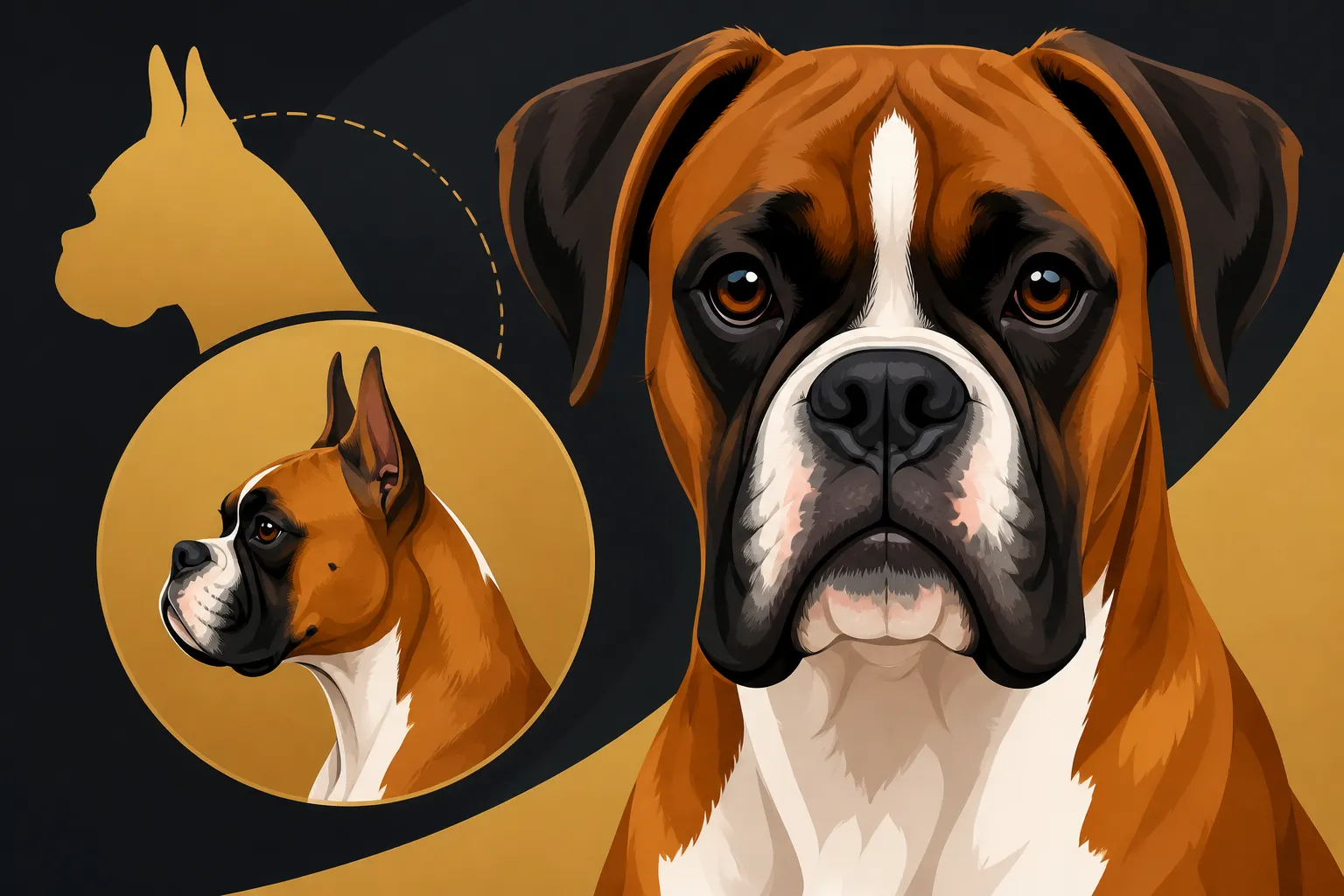
Traditionally, Boxer ears have been cropped to stand erect, giving the dog a very distinct, alert appearance. The breed standard describes how cropped ears should look: moderately long, pointed, and carried erect. However, ear cropping is a practice that has become increasingly controversial and is even illegal in many countries. As a result, many Boxers today proudly sport their natural ears. The standard accommodates both. Natural ears are of moderate size, set high, and lie flat against the cheeks, or can be folded with a crease. When the Boxer is alert, these ears will often rise slightly, or fold into a more attentive position.
It's important to remember that whether a Boxer's ears are cropped or natural, their overall expression should remain true to the breed's character. Some owners worry about how natural ears might be perceived in the show ring. While traditionally cropped ears were the norm, the tide has turned. The AKC standard, for example, states that "Both cropped and uncropped ears are equally acceptable." So, Whether a Boxer Must Be Cropped to Show is a definite 'no' in modern rings. Similarly, while not directly about ears, the sentiment applies to other aesthetic choices like How a Judge Treats an Undocked Boxer Tail, reflecting evolving norms. The choice is often a personal one for owners, guided by local laws and personal preference.
The "Mask" and Facial Markings
The Boxer's "mask" is another iconic facial feature. The standard requires a black mask, meaning the muzzle, and often extending around the eyes, should be clearly pigmented with black. This mask enhances the dog's expression and gives depth to its features. However, the extent of the mask varies. Some Boxers have a very pronounced, almost full black face, while others have a more subtle mask confined mainly to the muzzle. The standard generally allows for a certain amount of white markings on the face, but these should not obscure the mask or detract from the overall desired expression.
For instance, too much white around the eyes can sometimes make them appear lighter or give a less defined look. A clear, well-defined black mask is preferred. It's not uncommon for owners to observe changes in their Boxer's mask over time; for more on this, you might be interested in Whether a Boxer's Mask Fades With Age. The combination of the dark eyes and the black mask contributes significantly to The Boxer Expression Judges Look For, conveying that intelligent, noble, and sometimes mischievous look that is so characteristic of the breed. These markings, along with the two permitted coat colors (fawn and brindle), are integral to the Boxer's distinctive appearance. You can find more details about these patterns in Black Masks and Boxer Face Markings.
The Holistic View: Balance and Overall Impression
While we dissect each part of the Boxer's head, it's crucial to remember that these individual features must come together to create a harmonious whole. The standard isn't just a checklist; it's about the overall balance and impression the head gives.
Head in Proportion to Body
A Boxer's head should never look like it belongs on another breed's body. It needs to be in proportion to the dog's overall size and build. A very large head on a small body, or a tiny head on a powerful physique, would be considered a serious fault, as it throws off the dog's balance and aesthetic appeal. The head should appear powerful but not cumbersome, elegant but not delicate. This proportional balance ensures that the Boxer moves gracefully and efficiently, and that its noble presence is maintained from nose to tail. For more on how the head fits into the overall physique, you might like our article on The Boxer Size the Standard Calls For. When a Boxer stands, alert and proud, its head should crown its powerful, athletic body perfectly.
| Feature | Ideal Boxer Head Description | Common Faults |
|---|---|---|
| Skull | Broad, slightly arched, clean-cut, distinct stop, not round or heavy. | Too narrow, too flat, too domed, weak stop, coarse or bulky. |
| Muzzle | Broad, deep, approximately 1/3 head length, slight turn-up, blunted front. | Snipey (too long/narrow), too short, lacking depth, flat front, no turn-up. |
| Jaw/Bite | Undershot, strong, broad lower jaw, lower incisors projecting in front of upper. Lips covering teeth. | Overshot, level bite, weak lower jaw, excessive gap between incisors, visible teeth when mouth closed. |
| Eyes | Dark brown, medium size, almond-shaped, tight dark rims, alert expression. | Light color, round, protruding, too deep-set, loose eye rims, showing haw. |
| Ears | Cropped: moderately long, pointed, erect. Natural: moderate size, high set, lying flat against cheek. | Too long/short (cropped), poorly set, too large/small (natural), heavy or low-set (natural). |
| Mask/Markings | Black mask, clear, enhancing expression. Minimal white on face, not obscuring mask. | Absent mask, too much white on face, patchy pigmentation. |
| Overall Balance | Harmonious, powerful yet elegant, in proportion to body. | Disproportionate to body, coarse, delicate, lacking characteristic expression. |
The Role of Expression
The Boxer's expression is legendary. It’s a captivating blend of alertness, intelligence, and often, a playful mischievousness that makes them so endearing. This expression is not simply an intangible quality; it's a direct result of the harmonious combination of all the head's features: the dark, intelligent eyes, the slightly furrowed brow when attentive, the subtle curve of the muzzle, and even the set of the ears. When all these elements align, they create the "Boxer look" that is unmistakable. A Boxer can go from intense concentration to goofy charm in a blink, and their expressive face is key to this.
This innate expressiveness makes them fantastic companions and contributes to their famously clownish nature. Whether they are cocking their head in confusion, offering a soulful gaze, or giving you a playful "box" with their paw, their face is always telling a story. It’s this capacity for clear, engaging expression that truly brings the breed standard to life and cements the Boxer’s place in our hearts.
What the Standard Guards Against: Common Faults and Why
The breed standard isn't just about what's ideal; it also clearly outlines what constitutes a fault, sometimes a severe one. Many of these faults relate directly to the head and are critical to understand, as they often have implications beyond mere appearance.
For instance, a muzzle that is too short, often described as "pug-faced," is a serious fault because it can severely compromise the dog's ability to breathe, especially in heat or during exercise. Similarly, an overshot bite (where the upper jaw extends beyond the lower) can lead to dental problems and difficulty eating. Light eyes can give a hard or unfriendly expression, detracting from the Boxer's warm nature. A lack of stop, or a skull that is too narrow, disrupts the powerful and distinctive profile.
These faults are not just aesthetic preferences; they are markers that can indicate a departure from the healthy, functional Boxer type. Breeders committed to the standard work diligently to minimize these traits, ensuring that future generations maintain the breed's health and characteristic appearance. When considering a Boxer, it’s always wise to look at the parents and understand their head types, as these traits are often inherited. By understanding the intricacies of the Boxer head as described by the breed standard, you gain a deeper appreciation for this magnificent breed and the efforts required to maintain its health, function, and enduring appeal.
Disclaimer
This article is for general informational purposes only and does not constitute professional advice. Laws, prices and regulations vary by location and change over time. Consult a qualified professional for guidance on your specific situation.