Whether a Boxer’s Mask Fades With Age
It's a question many Boxer owners eventually find themselves pondering: "Is my Boxer's beautiful black mask starting to fade?" That striking, dark muzzle is such an iconic part of the breed's appearance, and it's completely natural to notice changes over time and wonder what they mean. This guide will explore whether a Boxer's mask truly fades with age, what factors might contribute to such changes, and what you can expect as your beloved companion grows older.
Understanding the Boxer's Signature Mask
Before we dive into the idea of fading, let's take a moment to truly appreciate what that black mask is all about. It's more than just a coloring; it's a defining characteristic that gives the Boxer its intense, yet often comical, expression. Many people who haven't owned a Boxer might not even realize how much variation there can be in these masks.
What Exactly Is a Boxer's Black Mask?
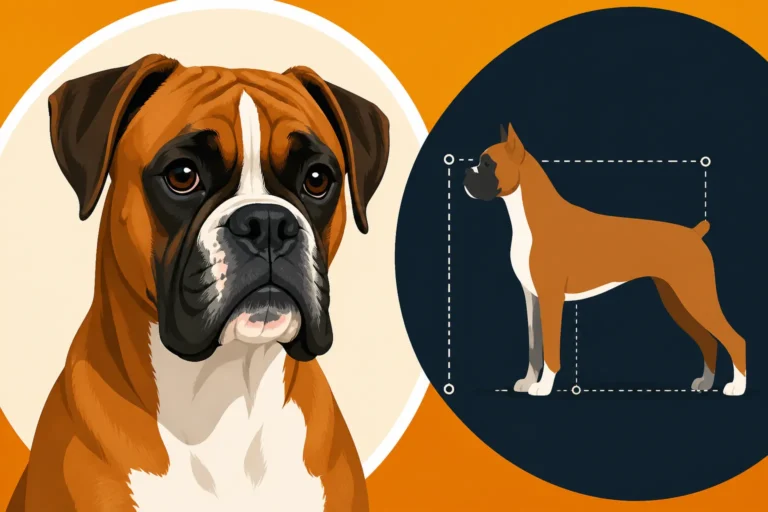
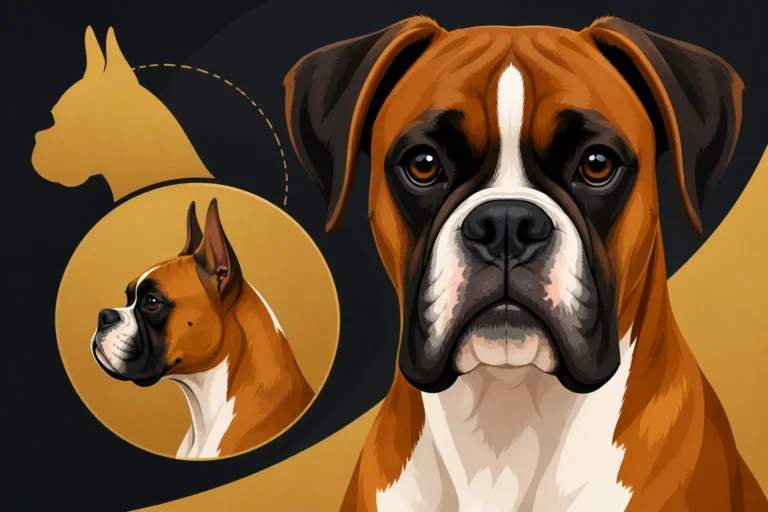
A Boxer's mask is essentially an area of concentrated black pigment, typically covering the muzzle, extending around the eyes, and sometimes reaching up the forehead. The intensity and extent of this black mask can vary wildly from one Boxer to another, even within the same litter. Some Boxers have what's often called a "full mask," where the black is dense and covers a significant portion of their face, almost looking like a well-defined bandit's mask. Others might have a much lighter, more subtle mask, sometimes referred to as a "smudged" or "sooty" mask, where the black pigment is less concentrated or patchy.
This mask, along with the other beautiful fawn or brindle markings, contributes to the Boxer's distinctive look. It's one of the first things you notice about them, framing their expressive eyes and that wonderfully characteristic undershot jaw. It helps create the serious, intelligent gaze that can quickly melt into playful goofiness. The breed standard, which describes the ideal Boxer, pays attention to these facial markings, emphasizing their contribution to the overall appearance and expression. The Boxer Expression Judges Look For often comes down to these subtle nuances.
Even within a single dog, the mask isn't always uniform. You might notice that the pigment is darker right on the nose leather and lips, gradually becoming lighter as it moves up the muzzle or towards the cheeks. This variation is entirely normal and part of what makes each Boxer uniquely beautiful. It's not uncommon for these areas to be less dense in color from the very beginning, leading some owners to think their dog's mask is fading when it might just be the natural distribution of their pigment.
The Genetics Behind Your Boxer's Mask
The presence and intensity of a Boxer's mask are primarily dictated by genetics. Specifically, it's controlled by a gene in the K-locus, often referred to as the "melanistic mask" gene (Em). Dogs that carry at least one copy of this dominant Em allele will express a mask, while dogs with two copies of the recessive 'E' allele will not have a mask, and their muzzle will simply be the same color as their body (fawn or brindle).
This genetic basis explains why some Boxers are born with incredibly dark, pronounced masks, while others have lighter ones, and still others, though rare in fawn/brindle Boxers, might not have one at all. It's all determined by the combination of genes inherited from their parents. A Boxer can pass on different versions of this gene to its puppies, which is why a litter might show a range of mask variations, from very dark to hardly noticeable. This is distinct from the overall body color genes that determine whether a Boxer is fawn, brindle, or even white, though all these color genes interact. Boxer Colors and the White Question delve deeper into the complex world of Boxer coat genetics.
It's also worth noting that the mask gene controls the potential for a mask. Environmental factors and other genetic modifiers can influence the expression of that potential. For example, a Boxer with the genetic blueprint for a dark mask might still show some lightening over its lifetime due to various internal and external influences. Understanding this genetic foundation helps us grasp that while changes can occur, the fundamental presence of a mask is hardwired into their DNA.
Is Mask Fading Normal as a Boxer Ages?
This is the million-dollar question for many Boxer owners, and the short answer is: yes, to some extent, it can be quite normal. Just like human hair greys and skin changes, a Boxer's coat and pigment can undergo transformations as they mature. However, the degree and nature of this "fading" can vary significantly.
Gradual Lightening Due to Age and Sun Exposure
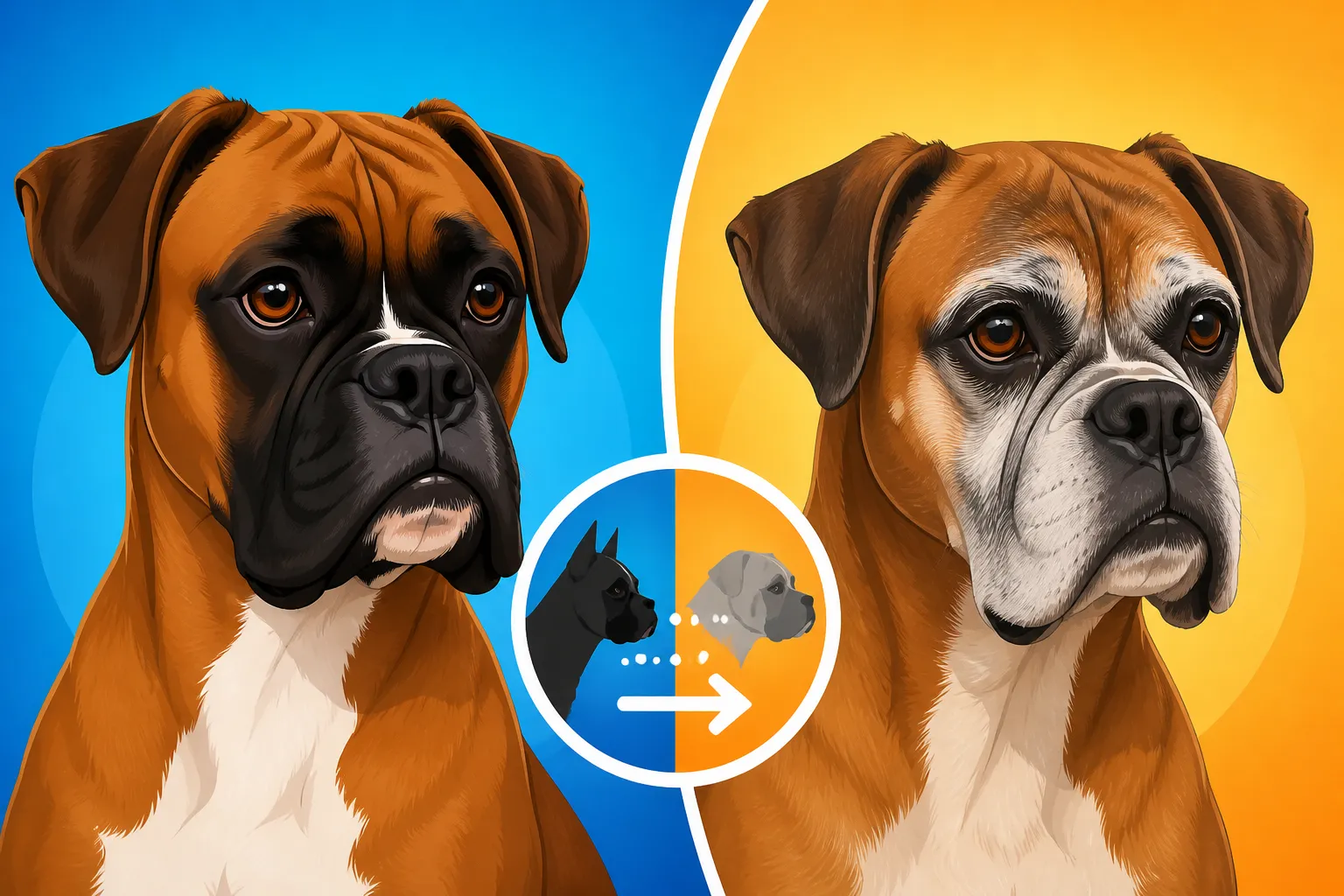
As Boxers get older, one of the most common and noticeable changes is the graying of their muzzle and around their eyes. This isn't necessarily the mask itself fading, but rather the growth of white or gray hairs interspersed with the existing dark hairs of the mask. This is a natural part of the aging process for many dog breeds, and Boxers are certainly no exception. Just like a person might get "salt and pepper" hair, an older Boxer often develops a distinguished frosty face. You might find yourself searching for new, softer treats on sites like Chewy for your senior companion, as their tastes and dental needs change. Caring for a Boxer Past Eight covers many of these age-related considerations.
Beyond the natural graying, the actual intensity of the black pigment in the mask can sometimes lessen over time. This isn't usually a dramatic shift from solid black to fawn, but more of a subtle softening or lightening of the darkest areas. Think of it like a photograph left in the sun for too long – the colors don't disappear, but they lose some of their vibrancy and depth. Sun exposure plays a role here. Just as sunlight can lighten human hair, prolonged exposure to UV rays can subtly impact the melanin in your Boxer's coat and skin, including the mask. A Boxer who spends a lot of time outdoors in sunny environments might show these changes more pronouncedly than an indoor dog.
Consider two Boxers: one, a beloved family pet who spends most of their days lounging inside and enjoying short, shaded walks. The other, an active working dog who accompanies their owner on long hikes and training sessions in varied weather. While both will likely experience some natural graying, the working dog might exhibit a more noticeable, subtle lightening of their mask over the years due to greater sun exposure. It's a very gradual process, often so slow you might not notice it day-to-day, only realizing it when comparing recent photos to puppy pictures.
Other Factors That Can Influence Mask Appearance
While age and sun exposure are primary culprits, other factors can also play a subtle role in how your Boxer's mask appears over time.
One often overlooked aspect is the dog's overall health and nutritional status. A Boxer receiving a balanced, high-quality diet that supports healthy skin and coat is more likely to maintain good pigment quality throughout their life. Deficiencies in certain vitamins, minerals, or essential fatty acids could theoretically impact coat color and health, making it appear duller or less vibrant, which might be perceived as fading. However, this is usually a general coat issue, not specific to the mask, and would typically be accompanied by other signs of poor health like a dry, brittle coat or skin problems. Regularly reviewing your dog's diet, perhaps finding a new brand of high-quality kibble or supplements through retailers like Chewy, can support their overall health, including coat vitality.
Hormonal changes can also sometimes influence coat color. For instance, spaying or neutering can, in some dogs, lead to subtle changes in coat texture or color, though it's less commonly associated with mask fading specifically. Similarly, certain medical conditions that affect the endocrine system or skin health could potentially have an impact, but these would usually present with a broader range of symptoms. For example, Weight Gain and Coat Loss in a Boxer can be symptoms of underlying health issues that might indirectly affect coat appearance.
Another consideration is environmental exposure to certain chemicals or even prolonged licking. If a Boxer has a habit of constantly licking a particular area of their muzzle, it could potentially irritate the skin and hair follicles, leading to subtle changes in hair growth or pigment over time. However, this would likely be localized and distinct from the general, even lightening observed across the entire mask. It's always a good idea to monitor your Boxer for any unusual licking, rubbing, or skin irritation, and consult your vet if you're concerned.
What to Expect: Normal Age-Related Changes
Understanding the distinction between normal aging and concerning changes is key to being a proactive and informed Boxer owner. While a bit of mask "fading" might be natural, a keen eye can differentiate between a healthy older dog and one showing signs of an issue.
Graying Muzzle Versus Mask Fading
It's crucial to distinguish between the natural graying of the muzzle and the actual fading or lightening of the black mask pigment. Most Boxers, especially those with darker masks, will start to show white or gray hairs around their muzzle and eyes as they enter their senior years, typically starting around age five or six, but sometimes earlier. This is entirely normal and, frankly, quite endearing. It gives them a wise, seasoned look that truly speaks to their seniority. This is similar to how a person's hair turns gray. The number of pigment-producing cells in the hair follicles simply decreases over time, leading to white hair growth.
The black mask, on the other hand, refers to the actual pigment within the individual hairs and skin. While sun exposure and general aging can cause a slight reduction in the intensity of this black pigment over many years, it's usually not a dramatic loss of color that turns a black mask into a fawn one. Instead, it's more of a subtle dulling or a less vivid black. If you compare a photo of your Boxer at two years old to one at ten, you might notice the mask isn't quite as rich or deep in color, alongside the undeniable sprinkling of white hairs. What Changes in a Boxer After Seven is a great resource to prepare for these kinds of shifts in your older dog.
Think of it this way: your Boxer's original mask is still there, but it's now adorned with silver threads, and the original black might have softened slightly around the edges. This combination creates a unique aged appearance, rather than a complete erasure of the mask. It’s part of their journey and a testament to the years you've shared.
Observing Subtle Shifts in Mask Intensity
To truly observe shifts in mask intensity, it often requires a comparison over several years. Daily observation might not reveal much, but looking at photographs taken a few years apart can highlight subtle changes. What you're looking for is a general softening of the black areas, perhaps appearing less dense or vivid. This is usually an even change across the masked area, not patchy or irregular.
It's helpful to consider various factors when assessing these changes. For example, if your Boxer spends a lot of time playing fetch in the sun-drenched yard, that consistent UV exposure could contribute to a gradual lightening. If you live in a climate where your Boxer is frequently exposed to intense sunlight, this could be more pronounced. However, if you notice very sudden, patchy, or uneven lightening of the mask, or if it's accompanied by hair loss, redness, itching, or skin irritation, then it's time for a vet check-up. These could be signs of underlying skin conditions, allergies, or other health issues that need professional attention, rather than just normal aging.
Normal subtle shifts in mask intensity are part of the broader pattern of aging that affects your Boxer's entire coat. You might also notice their overall coat color becoming slightly lighter or duller, or even a change in coat texture. This is all part of the natural progression. As long as your Boxer is otherwise healthy, active, and happy, these subtle cosmetic changes are usually nothing to worry about and simply mark the passage of time.
| Aspect of Mask Appearance | Common Changes with Age | Potential Contributing Factors | What to Watch For (Concerning) |
|---|---|---|---|
| Color Intensity | Gradual, subtle lightening; less vivid black. | Sun exposure, natural melanin decline | Sudden, drastic, or patchy color loss |
| Hair Color | White/gray hairs appear, especially around muzzle/eyes. | Natural aging process | Excessive hair loss, skin irritation |
| Extent of Mask | Generally remains the same, but graying can make it appear less defined. | Aging | Rapidly shrinking or disappearing mask with skin issues |
| Skin Health | Can become drier, more prone to age spots. | Aging, sun exposure | Redness, sores, scabs, unexpected lumps |
Caring for Your Boxer's Face and Maintaining Skin Health
While you can't stop the march of time or completely prevent natural aging changes, you can certainly help maintain your Boxer's facial health and potentially mitigate some of the environmental factors that might accelerate mask lightening. Good care practices benefit their overall well-being, not just their appearance.
Sun Protection for Your Boxer's Delicate Face
Just like humans, dogs can be affected by sun exposure, and their skin, especially on their faces, can be quite sensitive. While a black mask offers some natural UV protection compared to, say, the pink skin of a white Boxer, prolonged and intense sun can still contribute to photo-aging and the subtle lightening of pigment over time. More importantly, excessive sun exposure increases the risk of sunburn and skin cancer, particularly on less pigmented areas or where the fur is sparse. Sunburn on a White Boxer's Nose highlights the critical need for sun protection in certain Boxers.
One of the simplest ways to protect your Boxer's face is to limit their exposure during peak sun hours. This usually means scheduling walks and outdoor play for early mornings or late evenings, especially during summer months. If your Boxer loves to sunbathe in the yard, provide ample shaded areas where they can relax. A doghouse, an umbrella, or even a strategically planted tree can make a big difference.
For Boxers who spend a lot of time outdoors, especially those with lighter masks or pinker skin on their muzzles, you might consider using a veterinarian-approved sunscreen specifically formulated for dogs. Never use human sunscreen, as many contain ingredients toxic to pets if ingested. Apply a thin layer to exposed areas like the bridge of the nose and the tips of the ears before prolonged sun exposure. You can often find suitable products from pet retailers like Chewy. These small preventative steps can go a long way in protecting their skin and maintaining the health of their facial features.
Regular Checks and Grooming for Facial Skin
Regular, gentle grooming and health checks are vital for your Boxer's face, mask or no mask. Boxers are known for their adorable wrinkles and folds, especially around their muzzle and jowls. While charming, these folds can trap moisture, food particles, and debris, creating a breeding ground for bacteria and yeast, which can lead to skin irritation or infection.
Make it a habit to routinely wipe your Boxer's facial folds with a damp cloth or a pet-safe facial wipe. This is particularly important after meals or if they've been playing outdoors. Pay close attention to the area around their nose and under their lower lip, where the jowls are deepest. Drying these areas thoroughly afterwards is just as important as cleaning them. If you notice any redness, unusual odors, discharge, or soreness in these folds, it's time to consult your veterinarian. Early intervention can prevent minor irritation from escalating into a full-blown infection.
Beyond the folds, perform Weekly Lump Checks on a Boxer across their entire body, including their face. Boxers are prone to various skin growths, and catching anything new early is always best. While inspecting their face, also check their eyes and ears. Ensure their eyes are clear of discharge and that the skin around them looks healthy. Cleaning a Boxer's Eyes Daily can help prevent tear staining and keep the area pristine. For their ears, especially if they have natural (un-cropped) ears, lift them up and check for any redness, wax buildup, or unusual smells. Good facial hygiene not only keeps your Boxer looking their best but also contributes significantly to their overall health and comfort throughout their life.
Disclaimer
This article is for general informational purposes only and does not constitute professional advice. Laws, prices and regulations vary by location and change over time. Consult a qualified professional for guidance on your specific situation.