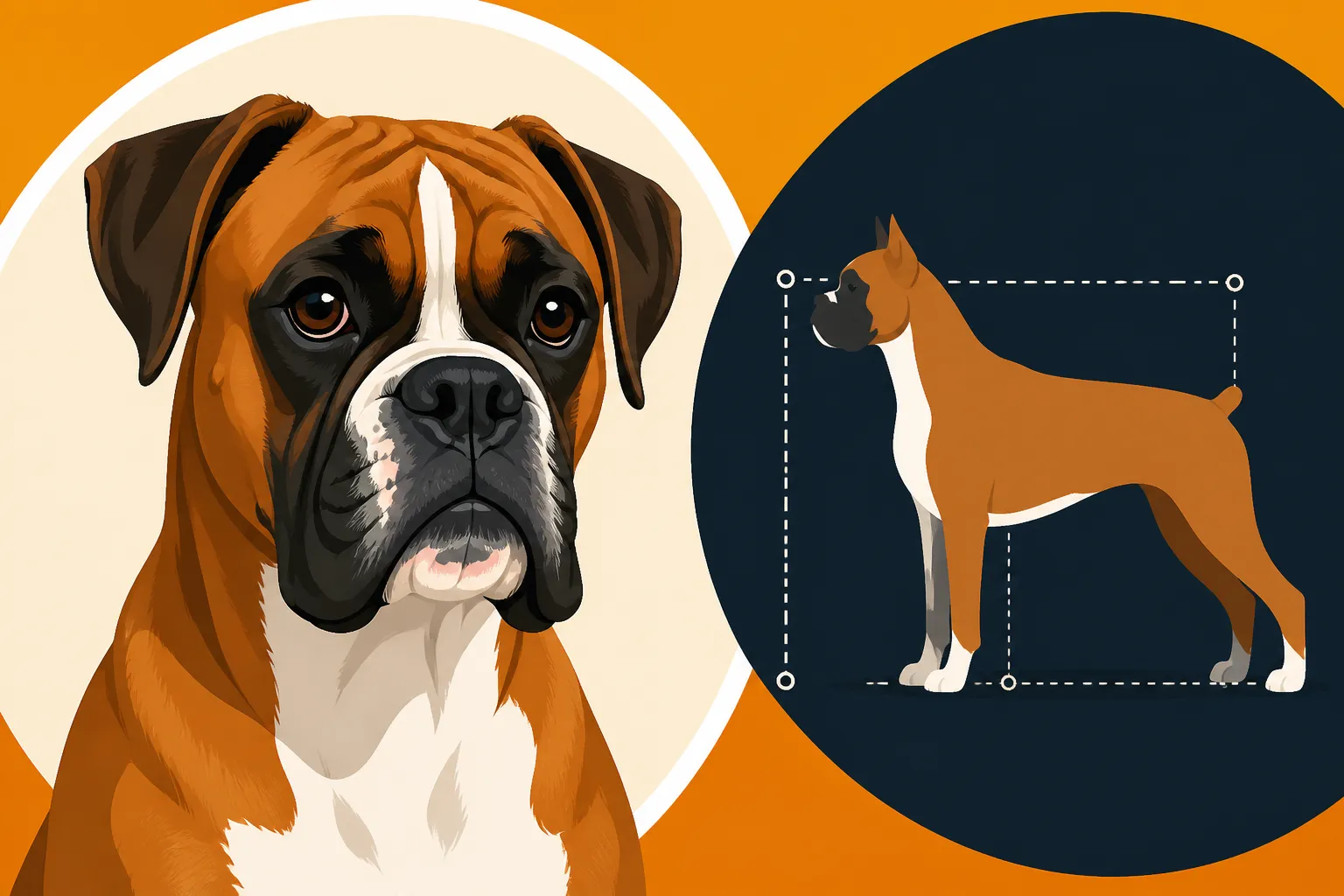
The Boxer Size the Standard Calls For
Many Boxer owners, or those considering bringing one of these magnificent dogs into their lives, often wonder about their size. It's not just about how much they weigh; it's about their build, proportions, and how they stack up against the official breed standard. This guide will meticulously break down the size expectations for Boxers, exploring the specifics of male and female dimensions, the nuances between different lines, and why these measurements are so important for their overall health and well-being.
Understanding the Breed Standard's Importance for Size
When we talk about a dog's "size," it's often more complex than just a number on the scale. For a breed like the Boxer, which has a specific historical purpose and a clearly defined look, the breed standard isn't just a suggestion; it's a blueprint. It outlines the ideal physical characteristics that best represent the breed's heritage, function, and overall type. Understanding this standard helps us appreciate why Boxers are built the way they are, and what to look for in a healthy, well-conformed dog.
What the AKC Standard Specifies for Boxers
The American Kennel Club (AKC) breed standard for the Boxer is quite precise, especially when it comes to size. It sets out specific height and weight ranges that breeders strive for and judges evaluate in the show ring. This isn't about being overly strict, but about maintaining the integrity of the breed. Imagine a Boxer that's too small to do its job, or too large to be agile; it wouldn't be a true Boxer. These guidelines are there to ensure that Boxers remain the strong, agile, and elegant dogs they are known to be. The standard gives us a tangible framework to understand what a "typical" Boxer should look like, allowing for natural variations while still keeping them within the recognized parameters.
For prospective owners, knowing these specifications can be incredibly helpful when researching a puppy. It empowers you to ask informed questions of breeders and understand if a particular puppy is likely to mature into a dog within the established norms. While many Boxers are beloved family pets and never see a show ring, the standard still serves as a guide for what constitutes a healthy, well-bred individual. You'll find more details on these expectations in posts like The Boxer the Breed Standard Describes.
Beyond the Scale: Evaluating Overall Proportions
While specific height and weight numbers are crucial, the breed standard emphasizes something even more fundamental: balance and proportion. A Boxer isn't just a collection of measurements; it's a harmonious package. The standard calls for a square build, meaning the dog's length from the point of the shoulder to the point of the buttock should be equal to its height at the withers. This "squareness" is a hallmark of the breed and dictates much of its athletic ability and distinctive silhouette.
Think about it: a dog that's too long in the back might be prone to spinal issues, while one that's too short might lack the necessary reach and drive in its gait. The standard also delves into the importance of bone substance, muscle tone, and overall conformation, all of which contribute to the Boxer's powerful yet graceful appearance. These aren't just arbitrary rules; they are rooted in the breed's working history, where strength, agility, and endurance were paramount. A well-proportioned Boxer should look powerful, without being bulky, and agile, without being spindly. This balance is what gives the Boxer its unique "presence."
Male Boxer Size: Height and Weight Expectations
Male Boxers are typically larger and more powerfully built than their female counterparts, a common characteristic in many dog breeds. Their size contributes to their imposing presence and reflects their heritage as working dogs. Understanding the standard measurements for males is crucial for breeders and owners alike, as it guides everything from feeding protocols to exercise regimens.
Target Height at the Withers
The AKC breed standard states that the ideal height for an adult male Boxer at the withers (the highest point of the shoulder blades) ranges from 22.5 to 25 inches. This measurement is taken with the dog standing squarely on a level surface, and it’s a critical indicator of their overall frame size. A Boxer standing at the lower end of this range might still be perfectly balanced and proportioned, just a bit more compact, while one at the higher end will command more space and present a more formidable figure.
It’s important to remember that this isn't an exact science down to the millimeter. There's a natural variation within any litter, even from the most carefully bred parents. What breeders look for is that the dog falls within this range and, more importantly, that its height is in correct proportion to its overall body length, maintaining that desired square profile. You can learn more about this in How Tall a Male Boxer Should Stand.
Healthy Weight Ranges for Males
Accompanying the height standard, the AKC breed standard also provides weight guidelines for male Boxers, typically falling between 65 and 80 pounds. However, this weight range is often considered a general guide and should always be evaluated in conjunction with the dog's height and overall condition. A taller male Boxer naturally might weigh more than a shorter one, even if both are at their ideal body condition. The key is that the weight is appropriate for the individual dog’s frame and musculature.
A Boxer should always appear muscular and athletic, never overweight or excessively thin. You should be able to easily feel their ribs without seeing them prominently, and they should have a discernible waist when viewed from above. An ideal weight ensures the Boxer can move freely, perform its natural "boxing" play, and reduces strain on its joints. Just as with humans, obesity can lead to a host of health problems in Boxers, including heart issues and joint pain. Brands like Chewy offer a wide variety of high-quality dog foods that can help you maintain your Boxer's ideal weight, with specific formulations for large breeds and active dogs. For advice on healthy weight, consider reading What a Fit Boxer Weighs.
Female Boxer Size: Distinctive Proportions
Female Boxers, while sharing the same breed characteristics as males, possess their own distinct size and proportional standards. They are typically finer in bone and slightly smaller overall, embodying a more feminine yet still powerful and athletic build. This difference in stature is important for breed enthusiasts and new owners alike to understand.
Defining the Female's Height
For adult female Boxers, the AKC standard sets the ideal height at the withers between 21 to 23.5 inches. This makes them, on average, 1.5 to 2 inches shorter than their male counterparts. This smaller frame contributes to their elegance and agility, without compromising their strength. A well-bred female Boxer should still exude the breed's characteristic squareness and athleticism, even with a slightly more compact outline.
When evaluating a female Boxer’s height, much like with males, the emphasis is on balance. Her height should complement her length and overall build. A female Boxer that is too tall might appear gangly or leggy, deviating from the powerful, square look. Conversely, one that is too short might seem overly stocky. Reputable breeders pay close attention to these nuances to produce females that perfectly align with the standard's vision.
Appropriate Weight for Bitches
The typical weight range for an adult female Boxer is between 50 and 65 pounds. As with males, this weight should be proportional to her height and individual build. A female Boxer should possess good muscle tone and appear lean, reflecting her active and energetic nature. It's crucial for owners to monitor their female Boxer's weight carefully, especially as they age or if they are spayed, as metabolic changes can sometimes lead to weight gain. Regular exercise and a balanced diet are key to keeping them within a healthy range.
For more on managing weight and diet, you might find Feeding a Boxer to Stay Lean and Muscled a helpful resource. Just like with males, the goal is a sleek, muscular physique. Overweight females can suffer from the same health issues as overweight males, including increased risk for joint problems and heart conditions. It's always a good idea to consult your vet or a professional nutritionist to ensure your female Boxer is getting the right amount of food and exercise for her age, activity level, and specific needs. Chewy offers a range of scientifically formulated foods that can support a female Boxer's healthy weight and active lifestyle.
Why the Boxer's Build Matters Beyond Numbers
The Boxer’s breed standard isn’t just about aesthetics for the show ring; it's deeply rooted in the breed’s functionality and overall well-being. The specific proportions and build described by the standard contribute directly to the Boxer’s health, athleticism, and the very characteristics that make them such beloved companions. Deviations from this ideal can sometimes indicate potential health or structural issues down the line.
The Functional Aspect of Boxer Size
The Boxer was originally bred in Germany as a hunting dog, used to hold down large game like wild boar. Later, they served as guard dogs, police dogs, and even military messengers. This history demanded a dog of immense strength, agility, and endurance. The "square" build, strong bone, powerful musculature, and athletic proportions are all functional traits. A Boxer needs its compact body and powerful hindquarters to "box" with its front paws, to leap, turn quickly, and to have the stamina for vigorous activity.
A Boxer that is too heavy or overly massive might lack the agility and quick reflexes necessary for its historical roles and its famously playful nature. Conversely, one that is too lightly built might lack the strength and presence. The brachycephalic (flat-faced) muzzle, though sometimes a point of concern for breathing, was developed to allow them to hold onto game without letting go, even while breathing. The standard, therefore, describes a dog that is fit for purpose, even if that purpose has largely shifted from hunting to family companionship and dog sports. These physical attributes also relate to topics like Why a Boxer's Chest Shape Invites Bloat, as specific chest conformation is inherent to the breed.
Impact on Health and Longevity
Adhering to the breed standard in terms of size and conformation often correlates with better health outcomes for Boxers. Dogs bred to the standard are generally less prone to certain structural problems that can arise from extreme deviations. For instance, a Boxer that is excessively large or heavy for its frame might experience increased strain on its joints, leading to a higher risk of conditions like hip dysplasia or arthritis later in life. On the other hand, a Boxer that is too slight might be more fragile.
Maintaining an appropriate weight and muscular condition is also vital for managing common Boxer health issues such as Boxer Cardiomyopathy (ARVC). Carrying excess weight can put additional stress on the heart, potentially exacerbating cardiac conditions. Regular exercise, appropriate nutrition, and maintaining a lean, muscular physique are paramount. This is why discussions around Boxer Cardiomyopathy and the Holter Monitor often include managing the dog's physical condition. Responsible breeders not only aim for the standard's physical traits but also screen for genetic health issues, understanding that a healthy, well-structured dog is more likely to lead a full and active life.
Comparing American and European Boxer Lines
When discussing Boxer size, it's virtually impossible to ignore the subtle yet noticeable differences between American and European Boxer lines. While both adhere to the fundamental principles of the breed standard, slight variations in emphasis over generations have led to distinct, though minor, divergences in appearance, particularly concerning size and build.
Subtle Differences in Size and Build
Generally speaking, European Boxers, particularly those from German lines, often appear more substantial and "heavier" in bone than their American counterparts. They tend to have a slightly more robust build, with deeper chests and sometimes a more powerful, thicker neck. This often translates to males being at the higher end or even slightly exceeding the weight recommendations, while still maintaining an athletic physique. American Boxers, while still powerful, often present a slightly more refined and elegant silhouette, with a somewhat lighter bone structure. They typically fall more squarely within the middle to upper range of the height and weight standards.
These differences are not drastic, and both types are unequivocally Boxers, sharing the same core temperament and health concerns. However, if you line up an American-bred Boxer next to a European-bred Boxer, you might notice the European dog appears a bit more "cobby" or stocky, while the American dog might seem a touch more "leggy" or athletic. These nuances are often appreciated by those deeply involved in the breed, but to the casual observer, both are clearly Boxers. For more detailed insights, you can explore German Boxers Against American Boxer Lines.
Why the Variations Exist
The slight variations between American and European Boxer lines largely stem from different interpretations and priorities within their respective breeding communities and show rings over the decades. In Europe, especially Germany, the Boxer standard often places a strong emphasis on working ability and physical robustness, reflecting its origins as a working dog. This focus can encourage a breeding philosophy that favors a heavier bone structure and more substantial build, as these traits are often associated with durability and power in working roles.
In contrast, the American show ring has, at times, leaned towards a slightly more refined and aesthetically "flashy" appearance, perhaps emphasizing elegance and athleticism in movement. This isn't to say one is superior to the other; both lines produce outstanding Boxers. It simply means that breeders in different regions have subtly shifted their focus within the permissible boundaries of the overall breed standard. These differing priorities, compounded over many generations, have led to the visual distinctions we observe today. Regardless of lineage, however, all Boxers require proper nutrition, and Chewy provides an excellent selection of foods suitable for any Boxer's dietary needs, whether they lean towards a heavier European build or a more refined American one.
When an Oversized or Undersized Boxer Becomes a Concern
While the breed standard provides a clear framework for ideal Boxer size, real-world dogs often present with variations. Most deviations are minor and perfectly normal, but sometimes, a Boxer being significantly outside the standard range can signal underlying issues that warrant attention from owners and veterinarians.
Understanding Growth Patterns
Boxer puppies grow rapidly, but they don't reach their full adult size overnight. They typically achieve most of their height by 12-18 months, but they can continue to fill out and gain muscle mass until they are about two to three years old. During this growth phase, it's completely normal for a puppy to seem a bit gangly or "all legs" before their body catches up. It's during this period that proper nutrition and avoiding excessive exercise that can strain growing joints are critical.
If a Boxer puppy seems disproportionately small or large compared to its littermates or breed averages, it's worth monitoring. Sometimes, a puppy might just be a late bloomer or an early developer. Other times, an unusually small size could point to nutritional deficiencies or underlying health problems, while an excessively large size could indicate rapid, unhealthy growth or simply a genetic predisposition to being bigger than average. Patience and observation are key, along with regular vet check-ups. Whether a Boxer Puppy Is on Track for Seventy Pounds delves more into this.
When to Consult Your Vet About Size
While slight variations from the standard are common and generally harmless, there are specific instances when a Boxer's size or growth pattern should prompt a visit to the veterinarian. If your Boxer puppy is consistently failing to gain weight, appears unusually stunted, or is growing at an alarming rate that seems out of sync with healthy development, these are all valid reasons to seek professional advice. Similarly, if an adult Boxer is significantly outside the accepted height or weight ranges without a clear explanation (like a known mixed breed background), it's worth discussing with your vet.
For example, an adult Boxer that is markedly undersized could have issues with nutrient absorption, chronic illness, or even congenital defects. Conversely, an adult Boxer that is significantly oversized in terms of weight, particularly if it's due to excess fat rather than muscle, faces all the health risks associated with obesity. The vet can help rule out medical causes for abnormal size, advise on appropriate diet and exercise, and ensure that any deviations aren't compromising your Boxer's health and quality of life. Even if your Boxer is technically outside the standard, a healthy, happy dog is the ultimate goal. For extreme cases, reading Whether an Oversized Boxer Is Faulted could offer further perspective on the implications.
| Characteristic | Male Boxer (AKC Standard) | Female Boxer (AKC Standard) |
|---|---|---|
| Height at Withers | 22.5 to 25 inches | 21 to 23.5 inches |
| Weight | 65 to 80 pounds | 50 to 65 pounds |
| General Build | More substantial, powerful | More refined, elegant |
| Proportions | Square build (length = height) | Square build (length = height) |
Disclaimer
This article is for general informational purposes only and does not constitute professional advice. Laws, prices and regulations vary by location and change over time. Consult a qualified professional for guidance on your specific situation.