Reverse Brindle Boxers and Why They Look Black
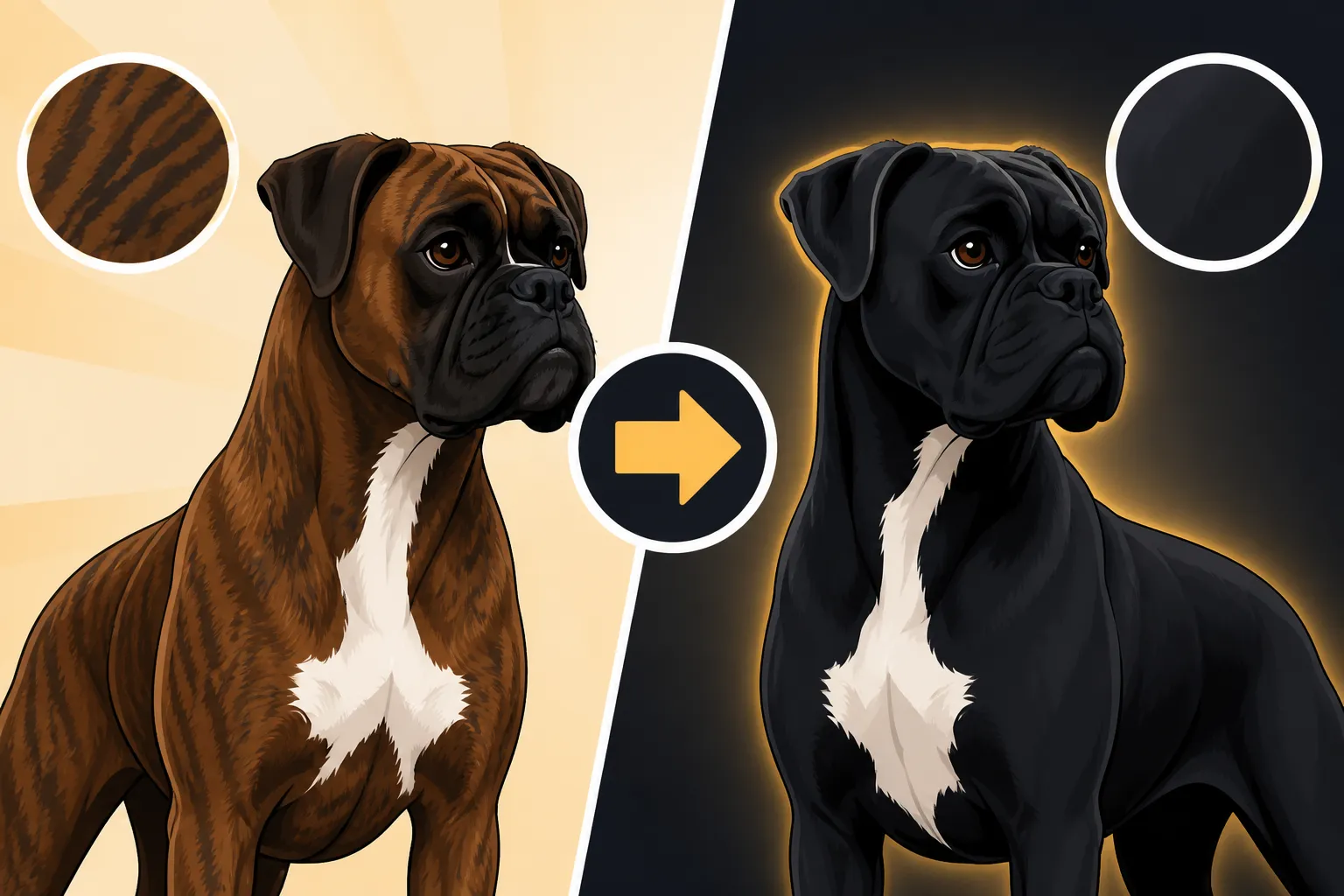
It's quite a common sight: you spot a stunning Boxer dog from a distance, and your first thought is, "Wow, look at that gorgeous black Boxer!" But then you get a little closer, and you start to see the faintest hints of fawn peeking through, realizing that what looked solid black is actually a very, very dark brindle. This phenomenon, where a Boxer's coat appears almost entirely black, is what we call a "reverse brindle," and it often leads to a lot of questions about genetics, color standards, and just how dark a Boxer can truly be. This guide will walk you through the fascinating truth behind these striking coats, explaining why your "black" Boxer is actually a beautiful illusion.
The Brindle Boxer: Stripes and Shades
Before we dive into the "reverse" aspect, it's essential to understand what brindle truly means in the Boxer world. Brindle is one of the two main color patterns officially recognized for the breed, the other being fawn. It's a classic and much-loved Boxer coat, characterized by a striped appearance, much like a tiger.
What Does "Brindle" Actually Mean for a Boxer?
When we talk about a brindle Boxer, we're referring to a dog with a base coat color, typically fawn, overlaid with dark stripes. These stripes are usually black, or a very deep, rich brown that appears black. Imagine a canvas of golden-brown or reddish-fawn, across which an artist has painted bold, dark lines. The extent and thickness of these stripes can vary dramatically from one brindle Boxer to another. Some might have thin, widely spaced stripes, giving them a lighter overall appearance, while others will have stripes so dense that the fawn base color is barely visible.
The genetic basis for brindle is that the dog has inherited the brindle gene. This gene acts on the fawn coat, causing the dark pigment to be expressed in a striped pattern. It's a beautiful, natural variation that makes each brindle Boxer unique. Why Brindle Stripes Vary So Much on a Boxer delves deeper into these variations.
The Spectrum of Fawn and Brindle
The Boxer breed standard allows for a wide range within both fawn and brindle. Fawn can go from a pale, almost cream color to a rich, deep mahogany red. Similarly, brindle coats exist on a spectrum. On one end, you have what might be called a "light brindle," where the fawn background is very prominent, and the black stripes are clearly distinct and maybe not as numerous. These dogs tend to look mostly fawn with elegant dark markings.
On the other end of the spectrum, you find the "reverse brindle," which we'll explore in detail. But even within what we'd consider a standard brindle, there's a huge variety. You might see a Boxer with a golden fawn base and sparse, thin black stripes, or one with a richer red fawn and thick, evenly distributed stripes that create a striking contrast. It's truly a testament to the genetic diversity and beauty within the breed. Regardless of the exact shade or stripe pattern, a well-marked brindle Boxer is a sight to behold, embodying the power and grace of the breed.
Unpacking the "Reverse Brindle" Phenomenon
Now, let's tackle the term that often causes confusion: "reverse brindle." It’s not a separate color, but rather a description of how the brindle pattern manifests, creating the illusion of a much darker, sometimes completely black, coat.
When the Stripes Dominate the Base Color
A reverse brindle Boxer is still, genetically speaking, a brindle Boxer. The "reverse" part simply means that the dark stripes are so wide, so numerous, and so closely packed together that they completely overshadow the lighter fawn base coat. Instead of seeing fawn with black stripes, you see black with very fine, almost invisible, fawn stripes or slivers of fawn peeking through.
Imagine painting a wall. A regular brindle might be a fawn wall with black stripes painted on it. A reverse brindle is like painting the wall black, and then very carefully, almost as an afterthought, adding thin, fawn lines where the original wall color would have shown through. The dominant visual is the dark color. This happens due to the way the brindle gene expresses itself, leading to an incredibly high concentration of dark pigment over the lighter areas. It's a captivating effect that really makes these Boxers stand out.
The Illusion of a Black Boxer
This is where the magic, or perhaps the confusion, happens. When you see a reverse brindle Boxer, especially in certain lighting conditions or from a distance, it's incredibly easy to mistake them for being solid black. The fawn hairs are so sparse and fine that they can be almost indistinguishable, giving the coat a deep, rich, uniform dark appearance.
You might be standing right next to a reverse brindle Boxer and swear they are black until you start to look closely at their individual hairs or examine them under bright sunlight. Then, you'll catch glimpses of those fawn hairs, often along the edges of the dark stripes, around their muzzle, or perhaps on their chest. It's a common experience for owners of reverse brindles to constantly have to explain that their dog isn't black, but rather a very dark brindle. It's part of the charm and unique conversation starter that comes with these dogs! Reverse Brindle Boxers and Why They Look Black explains this visual phenomenon in more detail.
Genetic Realities and Registration Specifics
Understanding the genetics behind Boxer colors is key to appreciating why certain appearances are possible and others are not, particularly regarding the elusive "black Boxer."
Why a True Black Boxer Doesn't Exist (Genetically)
This is a really important point for Boxer enthusiasts and prospective owners. Despite how dark some reverse brindles appear, there is no gene for solid black in the Boxer breed. A Boxer cannot be genetically "black" in the way a Labrador Retriever or a Poodle can be. The Boxer gene pool simply doesn't carry the alleles required to produce a true, solid black coat.
Any Boxer that appears to be solid black is, without exception, a very dark reverse brindle. If someone tries to sell you a "rare black Boxer," you should be immediately cautious. It's a red flag that indicates either a lack of understanding of the breed's genetics or, unfortunately, a deliberate attempt to misrepresent a dog for profit. The recognized colors are fawn and brindle, with white markings. The Two Colors a Boxer Is Allowed goes into further detail about the official breed colors.
How Reverse Brindle is Recognized in the Breed Standard
The breed standard for Boxers, like the one maintained by the American Kennel Club (AKC), is very specific about coat colors. It acknowledges fawn and brindle as the acceptable colors. Within the brindle category, the standard implicitly covers the spectrum from light brindle to reverse brindle. It doesn't use the term "reverse brindle" as a separate color, but rather describes brindle as having "stripes of varying extent or intensity, running in the direction of the ribs, on a fawn ground." A dog whose stripes are so extensive they create a predominantly dark coat still falls squarely within the definition of brindle.
This means that a reverse brindle Boxer is perfectly acceptable in the show ring and as a purebred Boxer. They are not considered a fault or a deviation from the standard. In fact, their striking appearance is often highly admired. The key is that the underlying fawn color, however minimal, is still present. It's a subtle distinction that makes all the difference from a genetic and breed standard perspective.
Here's a quick comparison of the visual differences:
| Characteristic | Standard Brindle | Reverse Brindle |
|---|---|---|
| Base Color | Clearly visible fawn (pale to deep red) | Minimal fawn, often just slivers or fine lines |
| Stripe Color | Dark (black or very dark brown) | Dark (black or very dark brown) |
| Stripe Density | Moderate to distinct, clearly defined stripes | Extremely dense, wide stripes that cover most of the coat |
| Overall Impression | Fawn with dark stripes | Appears almost solid black or very dark grey |
| Fawn Visibility | Prominent | Barely visible, requires close inspection |
| Genetic Basis | Brindle gene present | Brindle gene present (strong expression) |
Living with a Striking Reverse Brindle Boxer
Beyond the genetics and aesthetics, living with a reverse brindle Boxer is, in many ways, just like living with any other Boxer. However, there are a few considerations unique to their stunning, dark coats.
The Practicalities of Their Unique Coat
One thing you'll quickly discover with a reverse brindle is that their dark coat can be a double-edged sword when it comes to keeping them looking pristine. On one hand, dirt and mud might not show up quite as vividly as on a light fawn Boxer. On the other hand, dust, dander, and lighter-colored shedding hair can become quite noticeable. Regular grooming, even for a short-coated breed like the Boxer, is still essential to keep their coat healthy and minimize shedding. A good bristle brush or a grooming mitt can work wonders.
When it comes to sun exposure, while all Boxers need protection from overheating due to their brachycephalic (flat-faced) nature, darker coats can sometimes absorb more heat. This isn't usually a major issue for a Boxer's overall health if proper precautions are taken, but it's something to be mindful of during hot summer days. Always provide plenty of shade and water, and avoid strenuous exercise in the midday heat. Keeping a Boxer Cool When It Cannot Pant Enough is a useful resource for managing this.
Another point to consider is how quickly these darker coats can show skin issues if they arise. While the darker color might conceal some minor flaky skin, any redness, bumps, or hair loss will be quite apparent against the dark background. Regular Weekly Lump Checks on a Boxer are important for all Boxers, but the contrast on a dark coat can sometimes make new developments stand out.
You'll also find that their striking appearance often draws comments and admiration. Be prepared for people to constantly ask about their color and express surprise when you explain they aren't truly black. It's a wonderful opportunity to share interesting facts about the Boxer breed!
Appreciating the Beauty of the "Almost Black" Boxer
Ultimately, owning a reverse brindle Boxer means embracing their unique beauty and the subtle nuances of their coat. They embody the stunning diversity within the Boxer breed, proving that fawn and brindle can take on many breathtaking forms. While they might not be "black," their incredibly dark, almost iridescent coats are every bit as captivating.
Whether you're admiring the way the light catches the faint fawn hairs, revealing the underlying pattern, or simply enjoying the sleek, dark silhouette they present, reverse brindles are truly special. They carry the same clownish, loyal, and energetic temperament that makes Boxers such beloved family members. Their coat color, while a visual marvel, is just one aspect of their incredible charm.
Finding the right supplies for your Boxer, regardless of their specific shade of brindle, is always a priority. Many owners turn to reputable online retailers like Chewy for everything from high-quality food to durable toys that can stand up to a Boxer's playful nature. Having a well-stocked pantry and toy basket ensures your reverse brindle, or any Boxer, is happy and healthy. Ensuring you're feeding them appropriately is also key; Feeding a Boxer to Stay Lean and Muscled is vital for their long-term health.
The depth of color and the subtle shimmer of a well-conditioned reverse brindle coat are truly magnificent. It's a testament to the intricate genetics of the Boxer and a constant reminder that beauty often lies in the details, even if those details are sometimes hard to spot at first glance. These dogs are ambassadors for the brindle pattern, showcasing its most dramatic expression. The Boxer the Breed Standard Describes covers all the key physical traits that make the Boxer such a distinctive and beloved breed.
Disclaimer
This article is for general informational purposes only and does not constitute professional advice. Laws, prices and regulations vary by location and change over time. Consult a qualified professional for guidance on your specific situation.