Why a Boxer’s Chest Shape Invites Bloat
It's one of the most terrifying emergencies a Boxer owner can ever face: the sudden, dramatic onset of bloat. The fear of this condition, officially known as Gastric Dilatation-Volvulus (GDV), hangs heavy over many of us because it strikes so fast and without much warning, often turning a perfectly normal evening into a frantic dash to the emergency vet. This guide is here to unravel the complex truth behind why our beloved Boxers, with their distinctive deep chests, are particularly susceptible to bloat, helping you understand the risks and how to best protect your furry family member.
Understanding Gastric Dilatation-Volvulus GDV in Boxers
When we talk about bloat in Boxers, we're not just talking about a little gas. This condition is a severe, life-threatening emergency that can develop incredibly quickly. It's often misunderstood, with people sometimes dismissing early signs as a simple upset stomach, but the reality is far graver. For a Boxer, bloat is a race against time, where every minute counts.
What Exactly is Bloat?
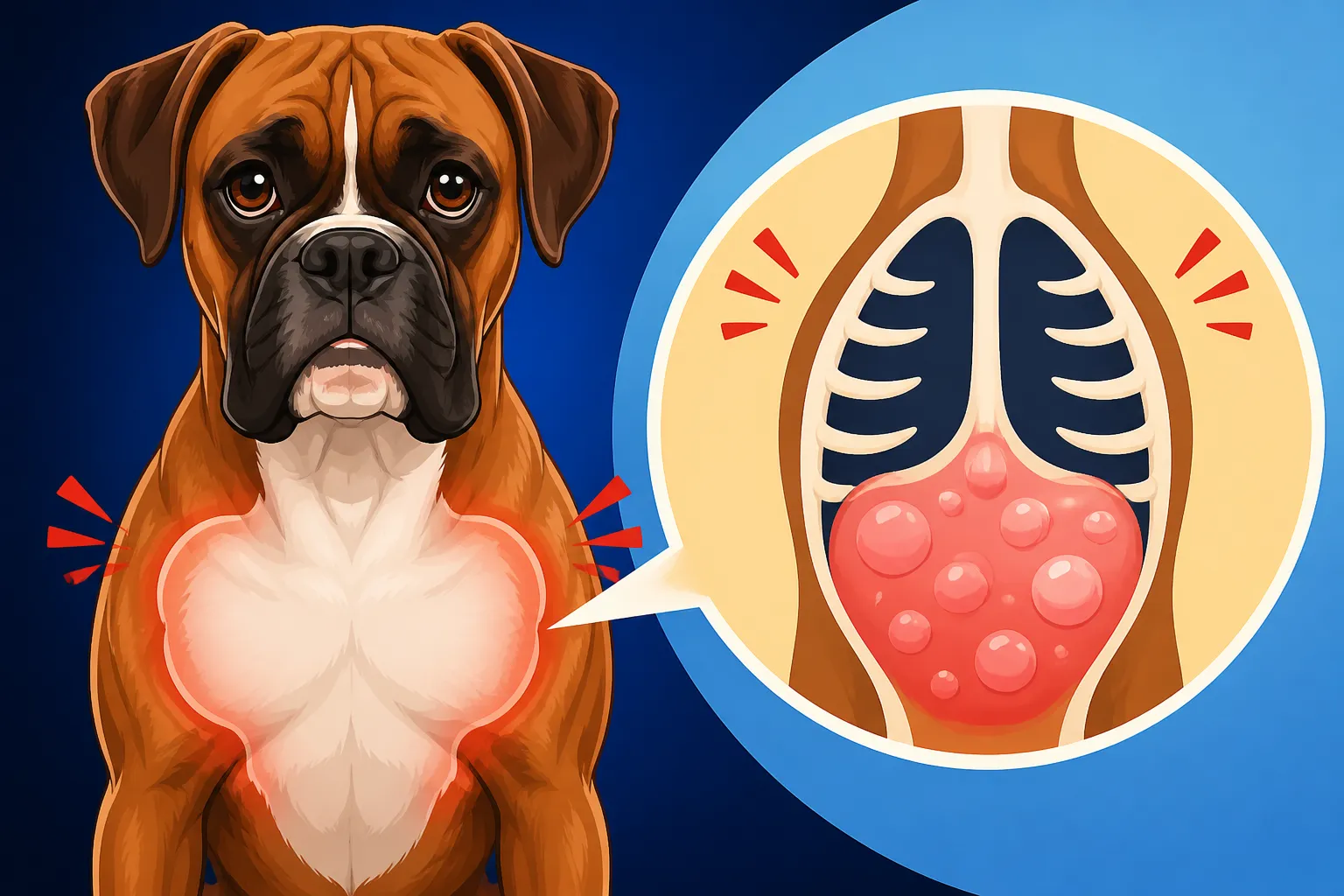
In its simplest form, bloat refers to Gastric Dilatation-Volvulus (GDV). This mouthful of a medical term describes a two-part process. First, the stomach dilates – it fills rapidly with gas, food, or fluid, causing it to swell to an alarming size. This distension alone is painful and can put pressure on internal organs. But the true danger lies in the second part: volvulus. This is when the distended stomach twists on its axis, essentially pinching off both the entry (esophagus) and exit (duodenum). Imagine trying to squeeze a balloon full of air and then twisting its neck – nothing can get in or out.
This twisting action traps the contents and gas inside, exacerbating the pressure. It also cuts off the blood supply to the stomach wall, leading to tissue death, and can affect the spleen, which is often attached to the stomach. The profound shock that results from this sudden circulatory compromise can rapidly lead to multi-organ failure and death if not treated immediately. It’s a cascading series of events that can turn deadly in a matter of hours, sometimes even less.
The Urgency of a Bloat Emergency
There's no such thing as "waiting to see" when it comes to bloat. From the moment the stomach begins to distend and especially if it twists, your Boxer is in a critical condition. The pain is immense, the pressure on the diaphragm makes breathing difficult, and the lack of blood flow starts damaging organs. The window for successful treatment is incredibly narrow. Vets often refer to the "golden hour" – the sooner a dog receives veterinary intervention, the higher their chances of survival. This means knowing the signs, acting quickly, and having a plan. If you suspect bloat, you need to call your emergency vet immediately and head there without delay. This isn't a situation where you can afford to waste time searching online for remedies or hoping it will pass.
The Boxer's Unique Anatomy: A Deeper Look at Chest Shape
Our Boxers are known for their athletic, muscular build and their distinctive, proud stance. But it's this very physique, particularly the shape of their chest, that unfortunately contributes to their heightened risk of bloat. It's a cruel irony that such a beautiful and powerful build comes with such a significant vulnerability.
Deep Chest, Narrow Waist: The Perfect Storm
Take a moment to look at your Boxer from the side. You'll notice they have a very deep chest – the distance from their spine down to their sternum is considerable. This deep, narrow conformation is a hallmark of the breed, giving them that classic, elegant silhouette. However, from a physiological perspective, this creates a spacious abdominal cavity for the stomach to sit in, but one that also allows for a lot of "swing." Think of it like a pendulum. In a dog with a shallow, broad chest, the stomach is more constrained and has less room to move or flip. But in a Boxer, that deep chest provides ample space for the stomach to distend dramatically and then, crucially, to swing and twist upon its axis.
When a Boxer's stomach fills rapidly with gas or food, that added volume and weight, combined with the loose suspensory ligaments (which we'll get to in a moment), can cause the stomach to rotate. This deep-chested structure doesn't offer the same kind of anatomical 'support' or 'containment' that a broader, shallower chest might, making it easier for the stomach to become unstable and ultimately flip. It’s a mechanical disadvantage inherent to their breed type, something we adore but must also be acutely aware of.
How Ligaments and Attachments Play a Role
Beyond the deep chest, the specific way a Boxer's stomach is attached within its abdomen also plays a significant role. The stomach is primarily held in place by two main ligaments: the gastrosplenic ligament and the hepatogastric ligament. In breeds prone to bloat, like our Boxers, these ligaments tend to be longer and more lax than in other breeds. Imagine these ligaments as guy wires holding up a tent pole – if the wires are too long or too loose, the pole can wobble and eventually fall over.
When the stomach distends, these lax ligaments offer less resistance to the stomach's movement. It can then swing more freely, increasing the likelihood of it flipping over. The spleen, which is attached to the stomach via the gastrosplenic ligament, can also be pulled into the twist, further complicating the situation and contributing to the severity of the bloat. This combination of a deep, unconstricted chest cavity and these looser anatomical attachments creates a recipe for disaster, explaining why Boxers are statistically at such a high risk for GDV. Understanding these anatomical predispositions is the first step in appreciating the various preventive measures available.
The Mechanics of a Twisted Stomach
To really grasp the life-threatening nature of bloat, it helps to visualize what's happening internally when your Boxer's stomach twists. It's not just discomfort; it's a catastrophic event that quickly impacts nearly every major system in the body, demanding immediate and skilled veterinary intervention.
Gas Accumulation and Distension
The first stage of bloat is gastric dilatation, which means the stomach rapidly fills with gas. This gas can come from several sources: swallowed air (aerophagia), particularly common when dogs eat or drink too quickly; fermentation of food within the stomach, especially if digestion is impaired; or even an abnormal production of gas by bacteria. As the gas accumulates, the stomach begins to swell like an overinflated balloon. This distension causes immense pressure on the surrounding organs. It pushes against the diaphragm, making it incredibly difficult for your Boxer to breathe properly, leading to rapid, shallow breaths. The pressure also impedes blood flow to the stomach wall itself, initiating the cascade of tissue damage.
Imagine the discomfort your Boxer feels – a massive, expanding balloon in their abdomen, pressing on everything, making it painful to move or even lie down. This is usually when you'll start to notice signs like restlessness, pacing, or trying to vomit without success. This initial swelling is already an emergency, but the situation becomes far more dire if the stomach then twists.
The Twisting Event: Volvulus
The volvulus, or twisting, is the critical event that elevates bloat from a severe emergency to a near-fatal one. Once the stomach is significantly distended and heavy, particularly in a deep-chested dog like a Boxer with loose attachments, it can rotate on its long axis. Most commonly, it twists counter-clockwise, often between 180 and 360 degrees. This rotation effectively seals off both the esophagus (where food and gas enter) and the duodenum (where stomach contents exit), trapping everything inside.
This twisting also severely kinks the major blood vessels supplying and draining the stomach, including the splenic artery and vein. The blood flow to the stomach wall is compromised, leading to ischemia (lack of oxygen) and necrosis (tissue death). The spleen, which is physically attached to the stomach, often gets dragged along in this twist, further disrupting its blood supply and potentially causing splenic damage. This twisting motion is why you might see your Boxer repeatedly trying to vomit but only bringing up foamy saliva or nothing at all – the exit is blocked.
Impact on Blood Flow and Organs
The consequences of the stomach twisting are far-reaching and devastating. With the blood vessels supplying the stomach severely constricted or completely cut off, the stomach lining begins to die. This dead tissue can release toxins into the bloodstream, leading to systemic shock. The large veins that return blood to the heart from the hindquarters are also compressed by the distended stomach, causing a drastic drop in blood pressure and reduced blood flow to vital organs like the kidneys, liver, and brain.
This leads to a cascade of problems: cardiac arrhythmias (irregular heartbeats) due to the body going into shock, acute kidney injury, and liver damage. Your Boxer will rapidly go into hypovolemic shock, characterized by a rapid heart rate, weak pulse, pale gums, and extreme weakness. Without immediate surgical intervention to de-rotate the stomach and relieve the pressure, this systemic shock and organ damage will quickly become irreversible, leading to the unfortunate death of the dog. This is why knowing Bloat Signs Every Boxer Owner Should Know is so absolutely crucial; early recognition can literally be the difference between life and death.
Other Contributing Factors Beyond Chest Shape
While the Boxer's deep chest is a primary anatomical risk factor for bloat, it's not the only piece of the puzzle. There are several other elements, both environmental and genetic, that can increase a Boxer's susceptibility to this terrifying condition. Understanding these additional factors empowers you to make informed choices about your dog's care and lifestyle, minimizing risk wherever possible.
Eating Habits and Speed
The way a Boxer eats and drinks can significantly impact their risk of bloat. One of the biggest culprits is rapid eating, often referred to as "gobbling." When dogs eat quickly, they tend to gulp down a lot of air along with their food. This swallowed air rapidly fills the stomach, leading to the initial distension. Similarly, if your Boxer drinks a large volume of water very quickly, especially after exercise or when overheated, this can also contribute to the stomach filling and swelling.
Consider feeding your Boxer multiple smaller meals throughout the day rather than one large one. This reduces the amount of food and air entering the stomach at any single time. Using a slow-feeder bowl or placing a large, clean rock in their regular bowl can encourage them to eat more slowly. Some owners even elevate food bowls, though research on its effectiveness is mixed and some studies even suggest it might increase risk in certain breeds. The key is to minimize the amount of air swallowed during meals. This practice directly ties into the advice in guides like Why a Boxer's Meals Have to Be Split and Timed.
Exercise Timing and Stress
The timing of exercise around meals is another critical factor. Vigorous exercise, excitement, or stress immediately before or after eating or drinking can increase bloat risk. When a dog exercises, its stomach can jostle and move around. If that stomach is already full of food and air, the movement can contribute to the twisting. Similarly, stress can alter gut motility and airflow, potentially making a Boxer more prone to bloat.
It’s generally recommended to avoid strenuous activity for at least an hour before and two hours after meals. This gives the stomach time to settle and begin the digestive process without the added mechanical stress of jumping, running, or rough play. So, if your Boxer is particularly active, plan their meals around their exercise schedule, rather than vice versa. This is not just about avoiding immediate physical activity, but also trying to keep their environment calm during and immediately after eating. A sudden scare or burst of excitement can be enough to trigger an event in an already full stomach.
Genetics and Family History
While specific genes for bloat are still being researched, there's strong evidence that genetics play a significant role in a Boxer's predisposition. Boxers whose close relatives (parents, siblings) have experienced bloat are at a higher risk themselves. This suggests a hereditary component to the underlying anatomical structures and possibly physiological factors that make them vulnerable.
If you're considering a Boxer puppy, ask the breeder about the incidence of bloat in their lines. A responsible breeder will be transparent about their dogs' health history. While no breeder can guarantee a dog will never bloat, understanding the family history can help you assess the genetic risk. If you already have a Boxer with a family history of bloat, it underscores the importance of being extra vigilant with preventive measures and recognizing the signs. It’s a sad reality that sometimes, despite all our best efforts, genetics can deal a difficult hand. This genetic factor also makes early intervention and awareness of Whether Preventive Bloat Surgery Suits a Boxer incredibly important for at-risk individuals.
Recognizing the Warning Signs and Immediate Action
When it comes to bloat, early recognition and swift action are paramount. Many Boxer owners have experienced the terrifying reality of GDV, and every single one will tell you that time is your biggest enemy. Knowing what to look for, even the most subtle hints, can be the difference between life and loss.
Subtle Early Indicators
Bloat doesn't always start with a dramatic, obvious swelling. Sometimes, the initial signs are much more subtle and can be easily mistaken for general discomfort or a mild stomach upset. Your Boxer might seem restless, unable to settle down, or constantly shifting positions. They might stand with an arched back or refuse to lie down comfortably. You might notice them drooling more than usual, or licking their lips excessively, indicating nausea. They might also appear anxious or distressed, looking back at their abdomen repeatedly.
Another common early sign is unsuccessful attempts to vomit. Your Boxer will heave and retch, making all the motions of throwing up, but nothing or only foamy saliva will come out. This is a critical indicator that something is blocking the normal passage of stomach contents. Even if the distension isn't yet visible, these behaviors should trigger an alarm bell. If you notice any of these signs, particularly after a meal or a period of activity, do not wait. This is your cue to act, not to observe.
Obvious and Rapidly Progressing Symptoms
As bloat progresses, the signs become much more apparent and alarming. The most characteristic symptom is the visibly distended abdomen, which can swell dramatically, feeling tight and drum-like to the touch. This swelling might be more pronounced on one side than the other. Your Boxer's breathing will become rapid and shallow, as the enlarged stomach puts immense pressure on their lungs. They may whine, groan, or show other clear signs of severe pain.
As the dog goes into shock, their gums may become pale or even bluish, their heart rate will accelerate, and their pulse will become weak. They may collapse, become extremely weak, or be completely unresponsive. This stage is indicative of profound systemic shock and tissue damage. If you see these severe symptoms, it's not a question of if you should go to the vet, but how fast you can get there. Every second genuinely counts. You should already be on the phone with the emergency vet, informing them you're on the way.
The Critical First Hour
The first hour after the onset of bloat symptoms is often referred to as the "golden hour" for a reason. The faster your Boxer receives veterinary care, the better their prognosis. Even if you're not entirely sure it's bloat, it is always better to err on the side of caution. A quick visit to the emergency vet for a suspected bloat can rule it out or initiate life-saving treatment, whereas waiting even an hour or two can drastically reduce survival rates.
When you call your vet, tell them you suspect GDV in your Boxer and describe the symptoms clearly. This allows them to prepare for your arrival, ensuring that a surgical team is ready to go. Upon arrival, your vet will typically perform X-rays to confirm the diagnosis and determine if the stomach has twisted. Initial stabilization will involve IV fluids, pain medication, and potentially stomach decompression using a tube or needle to release gas. This is a terrifying experience for any owner, and thinking about costs can be overwhelming, but remember that services like Healthy Paws can significantly alleviate the financial burden of such an emergency. Early action truly is the best medicine in this scenario.
| Symptom Category | Early/Subtle Signs | Advanced/Severe Signs | Urgency Level |
|---|---|---|---|
| Behavior | Restlessness, pacing, anxiety, whining, looking at abdomen, unable to get comfortable, seeking attention or hiding | Collapse, extreme weakness, unresponsiveness, severe pain reactions | High to Critical |
| Gastrointestinal | Repeated unsuccessful attempts to vomit (retching, dry heaving), hypersalivation (drooling), licking lips, lack of appetite | Visible abdominal distension (swelling, drum-like), stomach tender to touch, vomiting foamy liquid or nothing | Critical |
| Breathing | Rapid, shallow breathing, panting without exertion | Labored breathing, gasping for air, grunting sounds | Critical |
| Circulatory | Pale gums, rapid heart rate, weak pulse | Very pale or bluish (cyanotic) gums, cold extremities, signs of shock | Critical |
| Overall | Lethargy, general malaise, uncharacteristic behavior | Complete collapse, unresponsive, nearing death | Life-Threatening |
Proactive Measures and Preventive Strategies
Living with the constant worry of bloat can be incredibly stressful for Boxer owners. While we can't completely eliminate the risk due to their inherent anatomy, there are many proactive steps we can take to significantly reduce the likelihood of GDV. These strategies focus on diet, feeding habits, and even surgical options to give you peace of mind and your Boxer a healthier, safer life.
Dietary Adjustments and Feeding Practices
One of the most impactful areas where you can reduce bloat risk is through careful management of your Boxer's diet and feeding routine. As discussed earlier, rapid eating is a major contributor to swallowed air, which initiates gastric distension.
- Smaller, Frequent Meals: Instead of one or two large meals, aim for three smaller meals spread throughout the day. This reduces the sheer volume of food and gas entering the stomach at any one time. This aligns perfectly with what we discussed in Why a Boxer's Meals Have to Be Split and Timed.
- Slow Feeder Bowls: Invest in a slow-feeder bowl, often featuring mazes or obstacles, which forces your Boxer to eat more slowly and take smaller bites. You can also place a large, heavy object (like a clean, non-toxic rock or a tennis ball) in their regular bowl.
- Food Type: While the link isn't fully understood, some studies suggest that certain kibble types, especially those with smaller particle sizes or high fat content, might be associated with higher risk. Discuss diet with your vet; choosing a high-quality, easily digestible food with moderate fat and protein content is generally a good idea. Some owners find that a consistent diet with minimal changes helps keep their Boxer's digestion stable.
- Water Access: Always provide fresh water, but limit large volumes of water immediately before or after meals, or after heavy exercise. Offer small amounts frequently instead.
- Avoid Fermentable Foods: Some ingredients, especially those high in fermentable carbohydrates, can produce more gas in the digestive tract. While not a direct cause, it's something to be mindful of.
The Role of Gastropexy Stomach Tacking
For many Boxer owners, especially those with dogs at high risk, a prophylactic gastropexy is a significant consideration. This surgical procedure involves permanently attaching the stomach to the abdominal wall, preventing it from twisting. While it doesn't prevent the stomach from dilating (filling with gas), it dramatically reduces the risk of the life-threatening volvulus.
Many vets recommend performing a prophylactic gastropexy at the same time as a spay or neuter, as the dog is already under anesthesia. The procedure can be performed traditionally (open surgery) or minimally invasively (laparoscopically), which often means a faster recovery time. It's a decision that requires careful consideration and discussion with your veterinarian, weighing the risks of surgery against the potentially fatal consequences of bloat. Knowing Whether Preventive Bloat Surgery Suits a Boxer is a crucial conversation to have early in your Boxer's life, especially if their pedigree shows a history of GDV. For many, the peace of mind it offers is invaluable, and the cost of this elective surgery can often be far less than the astronomical bills associated with emergency bloat treatment. Thankfully, many pet insurance plans, like those offered by Healthy Paws often cover gastropexy if it's not considered a pre-existing condition, especially if performed preventatively.
Lifestyle Management to Reduce Risk
Beyond diet and surgery, managing your Boxer's daily routine and environment can also contribute to reducing bloat risk.
- Controlled Exercise: As mentioned earlier, avoid strenuous exercise or highly exciting play for at least an hour before and two hours after meals. A gentle stroll is fine, but intense running, jumping, or roughhousing should be separated from meal times. This advice resonates with Resting a Boxer Before and After Meals.
- Minimize Stress: Stress can have a profound impact on a dog's digestive system. Try to maintain a calm and predictable routine around meal times. If your Boxer experiences anxiety, discuss strategies with your vet or a certified behaviorist.
- Regular Monitoring: Get into the habit of gently feeling your Boxer's abdomen regularly. This familiarizes you with their normal shape and allows you to quickly detect any unusual swelling or tenderness. Combine this with regular weight checks; ensuring your Boxer stays at a healthy, lean weight reduces overall strain on their body.
- Be Prepared: Even with all preventive measures, there's always a residual risk. Know the location and phone number of your nearest 24-hour emergency veterinary clinic. Keep it handy, perhaps on your fridge or saved in your phone. This simple step, and ensuring you have pet insurance like Healthy Paws that can cover unexpected emergencies, can make all the difference if the worst should happen. Understanding What Boxer Bloat Surgery Costs Overnight and having a plan for it can ease some of the panic during an emergency.
By implementing these dietary, medical, and lifestyle strategies, you're giving your beloved Boxer the best possible chance to avoid the devastating impact of bloat.
Disclaimer
The information provided in this guide is intended for general educational purposes only and should not be considered a substitute for professional veterinary advice. Always consult with a qualified veterinarian for any health concerns or before making any decisions related to your Boxer's care and treatment.