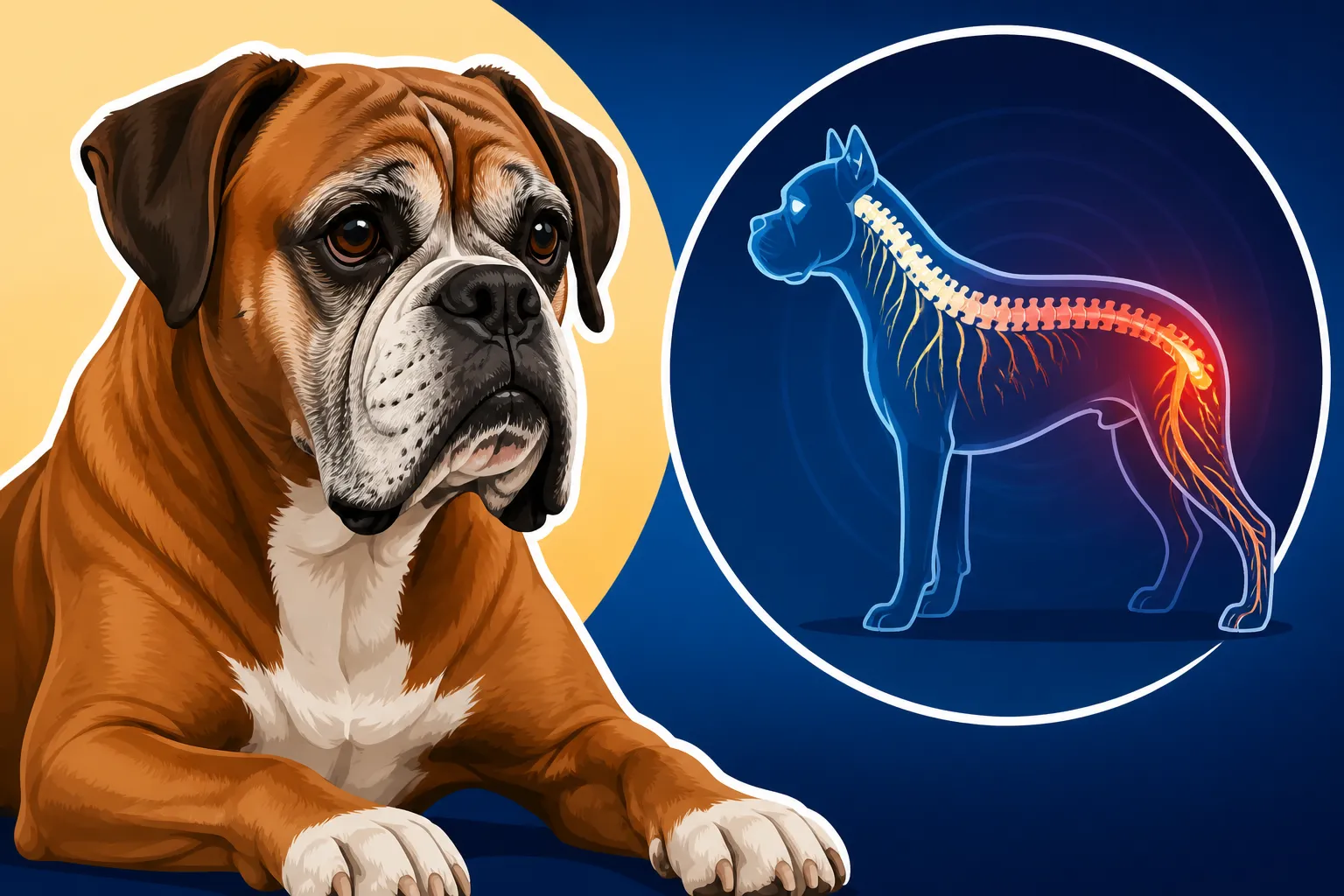
Degenerative Myelopathy in an Older Boxer
Watching your beloved Boxer, who once zoomed around with endless energy, start to stumble, drag a paw, or struggle to stand can be absolutely heartbreaking. It’s even more frustrating when you suspect something serious, but the signs are subtle and easily mistaken for "just old age." This comprehensive guide is here to shed light on Degenerative Myelopathy (DM), a devastating neurological condition that can affect older Boxers, helping you understand its causes, recognize the symptoms, navigate diagnosis, and provide the best possible care for your furry family member.
Understanding Degenerative Myelopathy in Boxers
Degenerative Myelopathy is one of those diagnoses that no Boxer owner ever wants to hear. It’s a cruel thief, slowly stealing your dog's ability to walk, often mimicking other, less severe conditions. But understanding what it is and how it impacts our beloved breed is the first step toward managing its progression and ensuring your Boxer’s comfort.
What is Degenerative Myelopathy
At its core, Degenerative Myelopathy is a progressive, incurable neurological disease that affects the spinal cord, leading to gradual weakness and paralysis, particularly in the hind limbs. It's often compared to Amyotrophic Lateral Sclerosis (ALS) in humans, given its relentless progression and the way it targets the nerve pathways. Imagine the spinal cord as a superhighway of electrical signals traveling between the brain and the rest of the body. In a Boxer with DM, the "white matter" – the protective myelin sheath surrounding these nerve fibers – begins to degenerate and break down.
This breakdown means that the messages from the brain struggle to reach the hind legs efficiently, or sometimes don't get there at all. The signals become garbled, delayed, or completely lost. Over time, this results in a loss of coordination, strength, and ultimately, the ability to control their movement. It’s a silent battle within their nervous system, and sadly, it’s not painful in itself, which can sometimes make it even harder for owners to gauge their dog’s suffering. The disease typically begins to manifest in older Boxers, usually around 8 years of age or even later, which is why it's so often confused with the general aches and stiffness that come with senior dog life.
The Specific Genetic Link in Boxers
One of the most defining characteristics of Degenerative Myelopathy, and why we see it more frequently in certain breeds like our Boxers, is its strong genetic component. Specifically, DM is associated with a mutation in the SOD1 gene. This isn't just a random occurrence; it's a piece of their inherited blueprint that can predispose them to the disease. The SOD1 gene is known for producing an enzyme called superoxide dismutase 1, which plays a crucial role in protecting cells from oxidative damage. When there's a mutation, this protective function is compromised, particularly in the spinal cord, leading to the nerve degeneration we see in DM.
The inheritance pattern for DM is considered autosomal recessive. This means a Boxer needs to inherit two copies of the mutated gene – one from each parent – to be at significant risk of developing the disease. A Boxer who inherits only one copy is considered a carrier; they typically won't develop DM themselves, but they can pass the mutated gene on to their offspring. This is why responsible breeding practices are so vital in trying to reduce the incidence of DM in the Boxer population. Understanding your Boxer's genetic status for the SOD1 gene, especially if you're considering breeding, is incredibly important for the future health of the breed. There are specific genetic tests available, like The SOD1 Test for Boxer Myelopathy, that can identify whether a Boxer is clear, a carrier, or at risk.
Why Boxers Are Particularly Susceptible
Boxers, unfortunately, share a genetic predisposition for Degenerative Myelopathy with several other breeds, including German Shepherds, Welsh Corgis, Bernese Mountain Dogs, and some Poodles, among others. While the SOD1 mutation isn't exclusive to Boxers, their lineage seems to carry a higher prevalence of the at-risk genotype. It's a cruel irony for a breed known for its boundless energy and athleticism to be vulnerable to a condition that robs them of their mobility.
This susceptibility means that if you own an older Boxer who starts showing hind limb weakness, DM should always be on your radar as a potential cause. It’s not just about "bad luck" or "old age"; there's a very real genetic factor at play that makes our beloved Boxers more likely to encounter this challenge. It's important to remember that having two copies of the mutated gene puts a Boxer at a very high risk of developing DM, but it doesn't guarantee it. Environmental factors, though not fully understood, might also play a role in whether and when the disease manifests. Nevertheless, the genetic blueprint is undeniably a major player in why Boxers, specifically, often face this diagnosis.
Recognizing the Early Signs of DM
One of the most frustrating aspects of Degenerative Myelopathy is how insidiously it creeps in, often masquerading as other common ailments of old age. This can lead to delays in diagnosis and management, as owners might attribute early symptoms to arthritis or general slowing down. Knowing what to look for can make a significant difference.
Subtle Changes in Gait and Coordination
The very first signs of DM are usually incredibly subtle and easy to miss, especially in an energetic breed like a Boxer. You might notice your dog's hind legs seem a little weaker than before. Perhaps they scuff their nails more frequently on walks, particularly on their back paws. This might manifest as uneven nail wear, where the middle two claws are noticeably shorter or more worn down from dragging. They might also start to show a slight clumsiness or unsteadiness in their hindquarters, a sort of "drunken sailor" walk that isn't quite right.
Getting up from a lying position, especially on slippery floors, might become more of a struggle. Your Boxer might take a moment longer to gather themselves, or their back end might sway slightly as they rise. Climbing stairs, or even just stepping over thresholds, can become a mini-challenge. They might hesitate, take a wider stance, or seem less confident than before. It’s not outright falling, not yet, but a nuanced shift in their coordination that, once noticed, can't be unseen. These fleeting moments of imbalance or weakness are the early whispers of DM, often dismissed as normal aging, which is why diligent observation is key.
Progressing Weakness and Ataxia
As DM progresses, these subtle signs unfortunately become much more pronounced and harder to ignore. The hind limb weakness becomes unmistakable, and the ataxia—loss of muscle coordination—is much more evident. Your Boxer might start to cross their hind legs more frequently when walking, almost tripping over themselves. They might also begin to "knuckle over," meaning they walk on the tops of their back paws instead of their pads. This is a clear sign that the proprioception, their sense of where their body is in space, is severely compromised.
You’ll notice more significant wobbling, particularly when turning corners or trying to maintain balance. Walks that were once effortless become a labored effort, with their back end seeming to sway independently of their front. Getting up becomes a multi-step process, requiring several attempts, and they might need assistance. Eventually, the weakness can lead to partial or complete paralysis of the hind limbs. In later stages, the disease can even affect bladder and bowel control, leading to incontinence. Witnessing Watching a Boxer Lose Its Back Legs in this way is incredibly difficult for any owner.
Differentiating DM from Other Conditions
This is perhaps one of the biggest challenges for both owners and veterinarians. Many of the early symptoms of DM—hind limb weakness, difficulty standing, reluctance to jump—are frustratingly similar to other common conditions in older Boxers. Arthritis, hip dysplasia, and intervertebral disc disease (IVDD) are all prevalent issues that can cause similar mobility problems. Your Boxer might have Boxer Hip Dysplasia and Spondylosis, for example, making it even trickier to pinpoint the true cause.
A Boxer with arthritis might be stiff and slow to get up, but typically improves with movement and pain medication. With IVDD, there's often acute pain and a sudden onset of symptoms, whereas DM is non-painful and progressive. Spinal tumors can also cause weakness and paralysis, but these are often visible on imaging. The key difference lies in the lack of pain associated with DM itself, though secondary pain can arise from compensating for weakness. This is why a thorough veterinary workup is absolutely critical when you notice any changes in your older Boxer's mobility. You need a vet to systematically rule out these other, often treatable, conditions before a presumptive diagnosis of DM can be made.
The Diagnostic Process for Degenerative Myelopathy
Diagnosing Degenerative Myelopathy is often a process of exclusion, which can be frustrating and emotionally taxing for owners. There isn't one simple test that says "yes, it's DM." Instead, it involves ruling out every other possible cause for your Boxer's symptoms.
The Initial Veterinary Examination
When you first bring your older Boxer to the vet with signs of hind limb weakness or incoordination, the vet will start with a comprehensive physical and neurological examination. This isn’t just a quick once-over; it’s a detailed assessment designed to pinpoint the nature and location of the problem. They’ll observe your Boxer's gait, looking for scuffing, wobbling, or crossing of the back legs. They'll also perform a series of tests to check your dog's reflexes and proprioception.
Proprioception is the body’s sense of its own position in space. The vet might gently "knuckle over" your Boxer's paw, turning it so the top of the foot is on the ground. A healthy dog will immediately correct this. A dog with DM will take longer, or might not correct it at all, indicating compromised nerve function. They'll also test spinal reflexes and assess for any signs of pain. Because DM itself isn't painful, the absence of pain with severe neurological deficits is a strong indicator, though not definitive. They'll ask you a lot of questions about the onset and progression of symptoms, how your Boxer behaves at home, and any changes in bathroom habits. This initial exam is crucial for directing the next steps in the diagnostic journey.
Advanced Imaging and Tests
Once the initial neurological exam points towards a spinal cord issue, the vet will likely recommend further diagnostics, primarily to rule out other treatable conditions. X-rays are often the first step. While X-rays can't diagnose DM, they are invaluable for identifying common culprits like severe arthritis, spondylosis (bony bridges forming on the vertebrae), or potential spinal tumors. If an X-ray reveals significant arthritic changes, for example, it might explain some of the stiffness and pain, but usually not the progressive, non-painful neurological deficits characteristic of DM.
More advanced imaging, such as an MRI (Magnetic Resonance Imaging) or CT (Computed Tomography) scan, might be suggested. These tests provide much more detailed images of the spinal cord, allowing the vet to see if there's any compression of the cord due to a herniated disc, cysts, or other masses. It’s incredibly important to understand that an MRI or CT scan cannot diagnose DM. What they can do is rule out other conditions that can be treated surgically or medically. If these scans come back clear, meaning no other identifiable cause for the neurological symptoms, it significantly strengthens the presumptive diagnosis of DM. Sometimes, a cerebrospinal fluid (CSF) tap might be performed to check for inflammatory or infectious diseases, but again, it’s rarely definitive for DM.
| Symptom Feature | Degenerative Myelopathy (DM) | Arthritis & Spondylosis | Intervertebral Disc Disease (IVDD) | Spinal Tumor |
|---|---|---|---|---|
| Onset | Gradual, insidious | Gradual, often age-related | Often sudden, acute | Gradual to sudden |
| Pain | Generally not painful | Mild to severe pain | Often severe pain | Variable, can be severe |
| Progression | Slowly progressive, irreversible | Variable, can be managed | Can be acute or chronic, can improve with treatment | Progressive |
| Affected Area | Primarily hind limbs (often symmetric) | Joints (hips, knees, spine) | Specific spinal segment | Specific spinal segment |
| Gait | Ataxia, knuckling, crossing hind legs | Stiff, limping, less range of motion | Weakness, paralysis, often painful guarding | Weakness, paralysis |
| Reflexes | Diminished or absent in hind legs | Normal to slightly reduced | Variable, can be absent below lesion | Variable, depends on location |
| Proprioception | Severely impaired | Mildly impaired if painful | Impaired if cord compressed | Impaired if cord compressed |
| Incontinence | Later stages, due to nerve loss | Rare, unless severe mobility issue | Can occur with severe compression | Can occur with compression |
| Treatment | Supportive care, PT only | Pain meds, anti-inflammatories, supplements, PT | Surgery, rest, anti-inflammatories, PT | Surgery, radiation, chemotherapy, palliative care |
The Definitive Genetic Test and Post-Mortem Confirmation
While the SOD1 genetic test can identify if your Boxer is at risk for developing DM, it's crucial to understand its limitations. A positive genetic test (meaning the Boxer has two copies of the mutated gene, often denoted as A/A) indicates a very high probability of developing DM, but it is not a definitive diagnosis in a living dog. Some dogs with the at-risk genotype may never develop clinical symptoms, or they may develop them very late in life. Conversely, a Boxer could be symptomatic with hind end weakness, test positive for the A/A genotype, and still have another spinal cord disease. The genetic test confirms the predisposition, not the active disease itself.
This leads to one of the most disheartening truths about Degenerative Myelopathy: a definitive diagnosis, with 100% certainty, can often only be made through post-mortem histopathological examination of the spinal cord. This involves examining tissue samples under a microscope after the dog has passed away, looking for the characteristic lesions and degeneration of the white matter. This reality can be incredibly frustrating for owners, who desperately want a concrete answer during their dog's lifetime. However, by ruling out all other treatable conditions and considering the genetic test results and clinical progression, veterinarians can provide a highly probable, or "presumptive," diagnosis of DM that guides management and care.
Managing the Progression of DM
While there is no cure for Degenerative Myelopathy, and its progression is irreversible, there is a great deal you can do to manage the symptoms, slow the disease's advancement, and maintain your Boxer's quality of life for as long as possible. This involves a multi-faceted approach focused on physical support and environmental adaptations.
Physical Therapy and Exercise
Physical therapy is arguably the most crucial component of managing DM. The goal isn't to reverse the neurological damage, but to preserve muscle mass, maintain range of motion, and strengthen compensatory muscles. A regular, consistent physical therapy regimen can significantly slow the progression of muscle atrophy that results from the loss of nerve signals. This isn't just about intense workouts; it's about targeted, gentle exercises designed to keep your Boxer as mobile as possible.
This might include passive range of motion exercises, where you gently flex and extend your Boxer’s joints. Controlled, short walks on non-slip surfaces can help maintain muscle strength and coordination. Swimming, if your Boxer enjoys it and is supervised, can be excellent for strengthening muscles without putting stress on the joints. Specialized canine physical therapists can offer invaluable guidance, providing hydrotherapy, therapeutic exercises, and even modalities like laser therapy or electrical stimulation to help maintain muscle condition. They can show you specific techniques to do at home. Regular, gentle exercise and activity are vital to prevent the secondary problems that arise from immobility, helping your Boxer stay engaged and active. Utilizing tools like Carts and Slings for a Boxer With Myelopathy early can help them stay mobile and engaged in their daily activities.
Supportive Care and Environmental Modifications
As DM progresses, your Boxer will need increasing levels of supportive care and adjustments to their home environment to ensure their safety, comfort, and independence. Simple changes can make a huge difference in their daily life. Non-slip rugs or runners, especially on hard surfaces like tile or hardwood, are essential to prevent slips and falls, which can be devastating. Ramps can be installed to help them navigate stairs, get onto the couch, or into the car, reducing the strain and risk of injury.
Assistance harnesses, particularly those that support the hindquarters, become indispensable. These allow you to help your Boxer get up, stand steadily, and provide crucial support during walks, preventing falls and offering stability. For sleeping, truly comfortable and supportive bedding is critical. Think orthopedic beds that distribute weight evenly and prevent pressure sores, especially as your Boxer spends more time lying down. Bedding for an Old Boxer's Joints can make a world of difference. These modifications aren't just about physical aid; they're about empowering your Boxer to continue to enjoy their life and participate in family activities for as long as possible, easing both their physical burden and your emotional one.
Nutritional Support and Supplements
While no specific diet or supplement can cure DM, proper nutrition and certain supplements can play a supportive role in overall health, muscle maintenance, and nerve function. The first priority is to maintain a healthy weight. Extra pounds put additional strain on already weakened hind limbs and can accelerate the challenges your Boxer faces. Work with your vet to ensure your Boxer is on a well-balanced diet appropriate for their age and activity level.
Regarding supplements, owners often explore options that aim to support neurological health or reduce inflammation, even if scientific evidence for their direct impact on DM is limited. Antioxidants like Vitamin E and C, as well as Coenzyme Q10, are sometimes suggested due to their role in protecting cells from oxidative damage. While they haven't been shown to stop or reverse DM, they contribute to general cellular health. Omega-3 fatty acids, commonly found in fish oil, are known for their anti-inflammatory properties and may support neurological function, and many Boxers can benefit from them anyway, especially for their skin and coat. Before adding any supplements to your Boxer's regimen, it’s always best to discuss it with your veterinarian, as they can advise on appropriate dosages and potential interactions with other medications.
Life with a Boxer Diagnosed with DM
Receiving a diagnosis of Degenerative Myelopathy changes life for both your Boxer and your family. It's a challenging journey, marked by adaptation, increased caregiving, and profound emotional moments. However, it's also a time where your bond can deepen as you focus on providing comfort and love.
Adapting to Increasing Mobility Challenges
As DM progresses, your Boxer's mobility will unfortunately continue to decline. This means constant adaptation from you. What starts as a slight scuff might become a full-blown inability to support their own weight in the hindquarters. You'll move from offering a little support with a towel under their belly to relying on specialized harnesses, and eventually, many owners transition to wheeled carts. These carts, sometimes called "dog wheelchairs," can be life-changing, allowing your Boxer to retain a significant degree of independence and joy in movement. It's a truly inspiring sight to see a Boxer, once immobile, zooming around in their cart, chasing squirrels or playing with other dogs.
Managing incontinence is another significant challenge. As nerve control diminishes, your Boxer may lose the ability to hold urine or feces. This requires patience, frequent potty breaks, and often the use of doggie diapers or belly bands. Keeping your Boxer clean and dry is paramount to prevent urine scald, skin infections, and discomfort. This aspect of care can be physically demanding and emotionally draining, but with dedication and the right tools, it's manageable. Remember that your Boxer isn't doing this intentionally; it's a symptom of their disease, and they rely on your understanding and care.
Maintaining Quality of Life and Mental Stimulation
Even as their physical abilities wane, your Boxer’s spirit and mind remain intact. Maintaining their quality of life goes beyond just physical support; it's about nurturing their mental and emotional well-being too. While long walks might become a thing of the past, "sniff walks" – slow, gentle excursions where they can explore scents – are still incredibly enriching. Puzzle toys, KONGs filled with frozen treats, and gentle interaction can provide much-needed mental stimulation.
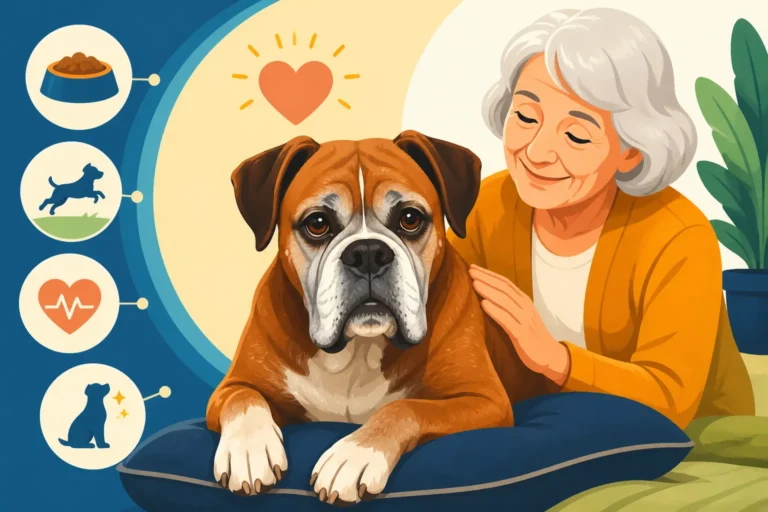
Don't underestimate the power of your presence and affection. Cuddles, gentle grooming, and simply spending time together are more important than ever. Your Boxer thrives on connection and routine. Keep their world as consistent and predictable as possible, which helps reduce anxiety. It's also important to be attuned to any signs of frustration in your Boxer. A highly active dog suddenly confined can become depressed or anxious. Finding ways for them to engage, whether it's through short play sessions adapted to their abilities or just being included in family activities, is key to keeping their Boxer spirit alive and well.
The Emotional Journey for Owners
Living with a Boxer diagnosed with DM is an incredibly emotional journey. It’s a slow, agonizing process of loss, where you watch your vibrant companion gradually lose their independence. Owners often experience a roller coaster of emotions: denial, anger, frustration, profound sadness, and anticipatory grief. There will be days of triumph when your Boxer surprises you with a burst of energy, and days of despair when you feel overwhelmed by the caregiving demands. It’s perfectly normal to feel exhausted, heartbroken, and even resentful at times.
It’s crucial to acknowledge these feelings and not shoulder the burden alone. Seek support from your veterinary team, who can offer practical advice and emotional understanding. Connecting with other owners in online forums or support groups can also be immensely helpful, as they understand the unique challenges of caring for a dog with DM. Most importantly, give yourself permission to grieve and to focus on the joy and love that still exists. Deciding when to say goodbye is one of the hardest decisions any pet owner faces. While DM itself isn't painful, the loss of dignity and the inability to enjoy life's simple pleasures will eventually diminish their quality of life to a point where the kindest decision is to let them go. This journey often mirrors the difficult conversations around Deciding Against Treatment for a Boxer in general, where quality of life ultimately outweighs prolonging a difficult existence.
Financial Considerations and Support
Caring for an older Boxer with a progressive neurological disease like Degenerative Myelopathy comes with significant financial implications. These costs can quickly add up, creating additional stress during an already challenging time. Understanding what to expect and how to prepare is vital.
Understanding the Costs of DM Management
The expenses associated with managing DM are varied and continuous. Initially, there are the diagnostic costs: multiple vet visits, X-rays, and potentially more advanced imaging like MRIs or CT scans (which can run into thousands of dollars) if you choose to pursue them to definitively rule out other conditions. Once a presumptive diagnosis is made, the focus shifts to ongoing management.
Physical therapy sessions, especially with a certified canine rehab specialist, can range from $75 to $200 per session, and regular sessions are recommended. Equipment costs can include slings ($30-$100), high-quality orthopedic beds ($100-$400+), ramps ($100-$300+), and eventually, a custom-fitted wheeled cart ($300-$1000+). Then there are recurring expenses like doggie diapers ($20-$50 per pack), anti-inflammatory or pain medications for secondary issues (such as joint pain from compensating), and specialized cleaning supplies. These bills, while providing necessary comfort and mobility, can easily climb to several hundred dollars a month, not including emergency vet visits if your Boxer has a fall or develops a secondary infection.
The Role of Pet Insurance
Pet insurance can be an absolute lifesaver for conditions like Degenerative Myelopathy, but there's a critical caveat: it needs to be in place before any symptoms appear or before a diagnosis is made. If your Boxer is diagnosed with DM, or even if signs pointing to it were noted in their medical records prior to enrollment, it will almost certainly be considered a pre-existing condition and will not be covered by any insurance policy. This is why it’s so important to enroll your Boxer in pet insurance when they are young and healthy.
Many reputable pet insurance providers, like Healthy Paws, offer comprehensive plans that cover accidents and illnesses. If your Boxer had been enrolled with Healthy Paws or a similar insurer before any signs of DM appeared, and certainly before diagnosis, then future eligible expenses related to managing the condition – such as physical therapy, medications for secondary issues, and potentially even diagnostic imaging – could be covered based on your policy terms. Always review policy details, deductibles, and reimbursement percentages. The foresight of Insuring a Boxer Before the First Lump or any significant health issue can save thousands of dollars and allow you to focus solely on your Boxer's care without the added financial burden.
Local Resources and Community Support
Beyond the direct medical and equipment costs, navigating life with a DM-affected Boxer often benefits from tapping into local resources and community support. Researching certified canine rehabilitation facilities in your area can connect you with professionals skilled in managing DM. They can not only provide in-clinic therapies but also teach you home exercise programs.
Many veterinary practices now have staff members who are trained in hospice and palliative care for pets, offering guidance on managing symptoms and maintaining quality of life. Online communities, such as Facebook groups dedicated to Degenerative Myelopathy in dogs or specific Boxer health groups, can be invaluable. These platforms offer a space to share experiences, ask for advice on everything from equipment choices to managing incontinence, and receive emotional support from others who truly understand what you're going through. While direct financial aid for DM specifically can be hard to find, some national organizations or local charities occasionally offer general assistance for veterinary bills. Always check with your vet for any local programs they might know about.
Prevention and Responsible Breeding
Given the devastating nature of Degenerative Myelopathy and its strong genetic link, prevention through responsible breeding practices is the most powerful tool we have to reduce its incidence in future generations of Boxers. For current owners, while you can't prevent DM if the genetic code is there, you can still advocate for the health of the breed.
The Importance of Genetic Testing in Breeding
This cannot be stressed enough: genetic testing for the SOD1 mutation is absolutely critical for any responsible Boxer breeder. Before breeding, both the male and female Boxer should be tested to determine their genetic status. There are three possible outcomes:
- Clear (N/N): The dog does not carry the mutated gene and cannot pass it on.
- Carrier (A/N): The dog carries one copy of the mutated gene. They are unlikely to develop DM themselves but can pass it on to 50% of their offspring.
- At-Risk (A/A): The dog carries two copies of the mutated gene and has a very high probability of developing DM in their lifetime.
Responsible breeders will use these results to make informed breeding decisions. The goal is to avoid producing puppies who are A/A. This means never breeding two A/N carriers together, as that pairing has a 25% chance of producing A/A puppies. Ideally, breeders strive to breed N/N dogs to N/N dogs, or N/N dogs to A/N carriers (which will produce N/N and A/N puppies, but no A/A). By consistently testing and selectively breeding, the prevalence of the A/A genotype in the Boxer population can be significantly reduced over time. This kind of due diligence is part of The Health Screening a Boxer Breeder Owes You.
Selecting a Boxer Puppy from Health-Tested Parents
If you are considering adding a Boxer puppy to your family, researching the breeder and inquiring about their health testing practices is paramount. A reputable breeder will be transparent about the health screenings they perform on their breeding stock, and this must include genetic testing for DM. Don't be shy about asking to see the genetic test results for both the dam and the sire of the litter. They should be able to provide documentation from a recognized laboratory.
If a breeder tells you they don't test for DM because "it's not common in my lines" or "I've never had a dog with it," that should be a red flag. Genetic predisposition doesn't care about a breeder's personal experience; it's embedded in the gene pool. Understanding the genetic status of your potential puppy’s parents gives you peace of mind and significantly reduces the risk of bringing home a Boxer who will likely develop this heartbreaking disease later in life. This commitment to health screening is a hallmark of breeders dedicated to improving the breed, not just producing puppies.
Debunking Myths About DM Prevention
It's natural for owners, upon receiving a DM diagnosis, to wonder if there was anything they could have done differently to prevent it. Unfortunately, for a condition rooted in genetics, the answer is often disheartening: no, you couldn't have prevented it through diet, exercise, or lifestyle choices if the genetic predisposition was present. Degenerative Myelopathy is not caused by poor nutrition, lack of exercise, or environmental toxins. It is a genetic disease, and if a Boxer has the A/A genotype, they are very likely to develop it, regardless of how impeccably they are cared for throughout their lives.
This can be a hard truth to accept, as we naturally want to feel some control over our pets' health. Instead of focusing on "prevention" once the gene is known or symptoms appear, the focus should shift entirely to proactive management and supportive care. While supplements and physical therapy can help manage symptoms and maintain quality of life, they do not prevent the disease from occurring or progressing. Understanding this helps alleviate guilt and allows owners to channel their energy into providing the best possible support and comfort for their beloved Boxer.
Disclaimer
Please remember that the information provided in this guide is for informational purposes only and is not a substitute for professional veterinary advice. Always consult with a qualified veterinarian for any health concerns or before making any decisions related to your Boxer's care and treatment.