Resting a Boxer Before and After Meals
One of the most concerning things for any Boxer owner is the fear of bloat, a life-threatening condition where the stomach twists. It's a terrifying emergency, and while we can't eliminate all risk, one of the most proactive steps we can take is managing our Boxer's activity around meal times. This guide will walk you through exactly why and how to ensure your Boxer gets the calm rest they need before and after eating, helping to safeguard their health.
Understanding the Bloat Risk in Boxers
Let's be frank: Boxers are particularly susceptible to Gastric Dilatation-Volvulus, or GDV, which is commonly known as bloat. It's not just a little indigestion; it's a critical, often fatal, condition where the stomach fills with gas and then twists upon itself, trapping the gas and cutting off blood supply. This can happen alarmingly fast, turning a normal evening into a frantic, desperate rush to the emergency vet. The deep, narrow chest shape that is characteristic of our beloved Boxers is unfortunately one of the biggest anatomical risk factors. It gives their stomach plenty of room to swing and twist, especially when full of food, water, and air.
The precise mechanisms are still being researched, but it's widely accepted that certain activities increase the risk. Intense exercise, stress, and gulping air while eating or drinking rapidly are all thought to contribute. Imagine a balloon tied to a string, then imagine shaking it vigorously after partially filling it. That's a simplified, albeit still alarming, visual of what might be happening inside your Boxer when they're active with a full stomach. Knowing this inherent vulnerability is the first step toward preventive care. You can learn more about Why a Boxer's Chest Shape Invites Bloat to understand the anatomy.
The stakes are incredibly high with bloat. Without immediate surgical intervention, the prognosis is grim. Even with surgery, there are significant risks and a long recovery period. Many owners have been caught completely off guard, not realizing the danger until it was too late. This is why being vigilant about mealtime management isn't just a suggestion; for Boxers, it's a critical part of responsible ownership, akin to regular vet checks and proper nutrition.
The Crucial Role of Pre-Meal Calm
Before your Boxer even sniffs their dinner, establishing a period of calm can make a world of difference. Think about it: if they come zooming in from a high-energy play session, panting and excited, they're already taking in more air than usual. Then, they dive into their food, likely inhaling it at lightning speed, gulping down even more air along with their kibble. This combination of elevated heart rate, excitement, and swallowed air creates a perfect storm for potential bloat.
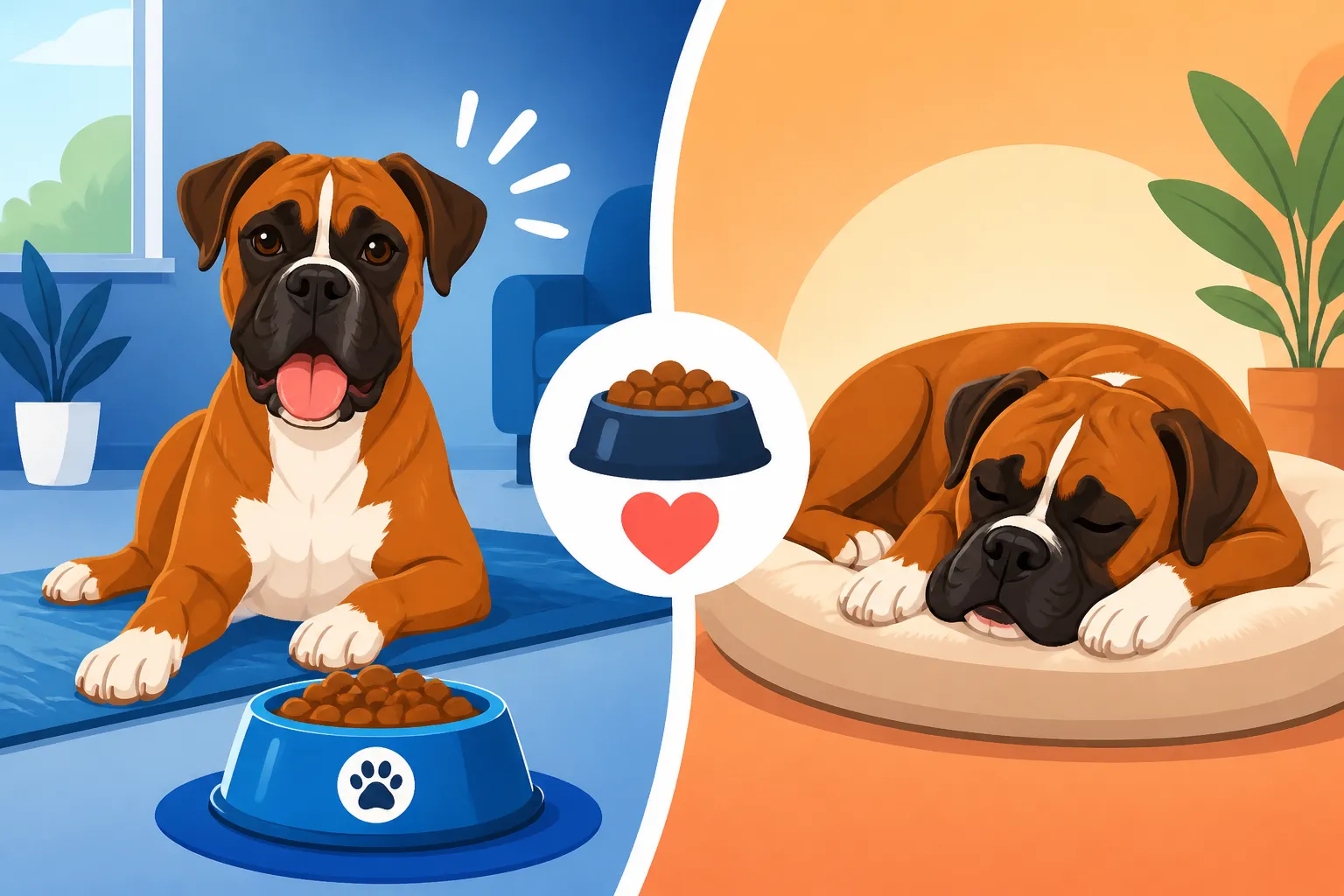
Instead, aim for at least 30 minutes of quiet time before meals. This means no intense games of fetch, no wrestling with housemates, and no vigorous walks. A gentle stroll on a leash, or just hanging out indoors, is perfectly fine. The idea is to bring their energy levels down, allow their breathing to normalize, and create a relaxed atmosphere around mealtime. This doesn't mean your Boxer has to be bored; a quiet chew toy or a sniff-based game can keep them engaged without getting them too riled up.
Some owners even find it helpful to engage in a short, low-key training session right before dinner. A few "sits," "downs," and "stays" not only reinforce good manners but also help to focus their minds and encourage a calmer demeanor. It transitions their state from "play mode" to "focus and eat mode." This pre-meal wind-down is a simple habit to adopt, yet it’s one of the most impactful strategies you can implement to reduce the risk of a bloat emergency.
Establishing Effective Post-Meal Rest Periods
This is arguably the most critical period for a Boxer, and where adherence to rest is non-negotiable. Once your Boxer has finished eating, their stomach is full, heavy, and potentially distended with food, water, and any swallowed air. Any activity that causes their body to twist, turn, jump, or run vigorously can increase the chances of that stomach rotating. We're talking about a minimum of 60 to 90 minutes of strict rest after every single meal. For some Boxers, especially those known for sensitive stomachs or those who are senior, extending this to two hours might be even safer.
During this post-meal rest, "rest" means low-key. Absolutely no running, jumping, roughhousing, or even long walks. A short, slow potty break on a leash is acceptable, but the moment they're done, it's back to quiet time. Encourage them to lie down in their crate, on their bed, or on a comfortable spot on the floor. Provide a quiet chew or a puzzle toy that doesn't require much movement, perhaps something they can gently lick like a Kong with a frozen treat. This redirects their energy away from physical exertion and towards a calming activity. Many owners use a sturdy, comfortable crate during this time, creating a designated "safe and quiet zone" where the Boxer can settle without temptation to play. You can find excellent crates and durable bedding options through retailers like Chewy or Amazon.
It's tempting, especially with a high-energy breed like a Boxer, to let them burn off steam right after eating, but resist the urge. This is one of the times when a firm "no" to play is truly for their own good. Teaching your Boxer a "place" command or training them to settle quietly on a mat can be invaluable for enforcing these rest periods. Consistency is key here; make it a non-negotiable part of their daily routine from puppyhood so they learn to expect and accept this downtime. Think of it as a mandatory "siesta" for their digestive system.
Beyond Rest: Other Bloat Prevention Strategies
While pre and post-meal rest are paramount, they're part of a broader approach to preventing bloat in Boxers. There are several other strategies that, when combined, create a much stronger defense against this terrifying condition.
Slowing Down Fast Eaters
Many Boxers are enthusiastic eaters, inhaling their food in mere seconds. This rapid ingestion often leads to gulping a significant amount of air, which is a major contributing factor to bloat. Investing in a slow-feeder bowl or a puzzle feeder can dramatically extend meal times, forcing your Boxer to work for their food and slow down their pace. There are many designs available, from bowls with ridges and mazes to interactive feeders that dispense food only after a certain action. These can be easily sourced from retailers like Chewy or Amazon and make a huge difference. You might also want to explore Bowls That Stop a Boxer Swallowing Air for more options.
Splitting Meals
Instead of feeding one or two large meals a day, consider breaking your Boxer's daily ration into three or even four smaller meals. This reduces the sheer volume of food and gas in their stomach at any one time, lessening the burden on their digestive system and potentially decreasing the risk of torsion. It also helps to keep their energy levels more stable throughout the day. This simple adjustment to feeding frequency is often recommended by veterinarians for at-risk breeds. For more details, see Why a Boxer's Meals Have to Be Split and Timed.
The Elevated Bowl Debate
For many years, it was thought that elevated feeding bowls could help prevent bloat by allowing the dog to eat in a more natural, upright posture, thereby reducing swallowed air. However, recent research has actually suggested that for large and giant breeds, elevated bowls might increase the risk of bloat. The current consensus among many veterinary professionals is to feed Boxers from bowls placed on the floor. If you've been using elevated bowls, it's worth discussing this with your vet. You can delve deeper into The Raised Bowl Argument in a Boxer Household.
Hydration and Water Intake
Ensure your Boxer always has access to fresh water, but be mindful of when they drink large quantities. After a meal, large gulps of water can also contribute to a distended stomach. Offer water frequently in smaller amounts rather than allowing them to guzzle a huge bowl all at once. If your Boxer is a particularly frantic drinker, consider offering ice cubes or adding a small amount of water to their food to ensure hydration without excessive gulping.
Gastropexy: A Surgical Option
For some Boxer owners, especially those with dogs considered very high risk, a preventive surgery called a gastropexy might be an option. This procedure permanently tacks the stomach to the abdominal wall, preventing it from twisting. While it doesn't prevent the stomach from dilating (filling with gas), it does prevent the life-threatening volvulus. This is a significant decision and should always be discussed thoroughly with your veterinarian. It's often performed at the same time as a spay or neuter. You can explore Whether Preventive Bloat Surgery Suits a Boxer and Adding a Gastropexy to a Boxer Neuter for more information on this procedure and its associated costs.
Stress and Environmental Factors
Stress can play a role in digestive upset and, potentially, bloat. A calm, consistent routine is beneficial for all dogs, but particularly for a sensitive breed like the Boxer. Minimizing anxiety during meal times – for example, by providing a quiet, undisturbed eating area – can contribute to better digestion. Even the quality of food can play a part; some owners find that easily digestible, high-quality food, perhaps from services like Ollie, helps maintain overall gut health, indirectly supporting a calmer digestive process.
Here's a quick summary of key prevention strategies:
| Strategy | Description | Primary Benefit |
|---|---|---|
| Pre-Meal Calm | 30+ minutes of quiet time before eating | Reduces excitement, swallowed air |
| Post-Meal Rest | 60-90+ minutes of strict quiet after eating | Prevents stomach torsion when full |
| Slow Feeder Bowls | Special bowls or puzzle feeders to slow eating pace | Minimizes air gulping during meals |
| Split Meals | 3-4 smaller meals instead of 1-2 large ones | Reduces stomach volume at any one time |
| On-Floor Bowls | Feeding from ground-level bowls (current vet recommendation) | May reduce bloat risk compared to elevated bowls |
| Controlled Water Intake | Smaller, frequent water offerings, especially after meals | Prevents sudden stomach distension |
| Gastropexy Surgery | Elective surgery to tack stomach to wall (prevents twisting) | Offers significant protection against volvulus |
| Stress Reduction | Calm feeding environment, consistent routine | Supports overall digestive health |
By combining these strategies, you're building a comprehensive approach to keep your Boxer safe and healthy. Being aware of Bloat Signs Every Boxer Owner Should Know is also vital so you can act quickly if ever needed. Remember, our Boxers are family, and taking these preventative steps is an act of love to give them the longest, happiest life possible.
Disclaimer
This article is for general informational purposes only and does not constitute professional advice. Laws, prices and regulations vary by location and change over time. Consult a qualified professional for guidance on your specific situation.