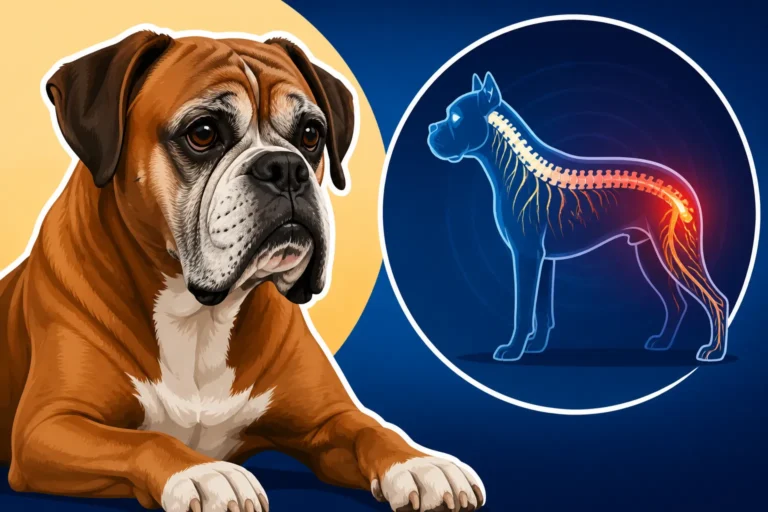
Whether Boxer Cancer Risk Is Inherited
The moment you welcome a Boxer into your home, you're not just getting a dog; you're inviting a whirlwind of goofy charm, boundless energy, and unwavering loyalty. But beneath that playful exterior lies a vulnerability that keeps many Boxer owners up at night: the breed's heartbreakingly high cancer rates. It’s a gut punch when you hear the statistics, and it naturally leads to one of the most pressing questions: is this a genetic lottery? This guide aims to thoroughly explore whether Boxer cancer risk is inherited, what that means for your beloved companion, and what steps you can take to be as prepared as possible.
The Genetic Blueprint: Understanding Inherited Cancer Risk in Boxers
It’s an agonizing truth that Boxers, more than many other breeds, seem to be magnets for certain types of cancer. When you’re faced with a diagnosis, or even just contemplating the future with your precious pup, the question of "why?" looms large. Is it just bad luck, or is there something in their very DNA that makes them more susceptible? The reality is, for Boxers, genetics absolutely play a significant role in their predisposition to various cancers. It's not usually a single "cancer gene" that's passed down like eye color, but rather a complex interplay of multiple genes, sometimes combined with environmental factors, that create a higher risk profile.
Think of it like building a house. Some breeds might have a very strong foundation, resistant to certain storms. Boxers, however, might be born with a few weaker spots in their structural design, making them more vulnerable when those "storms" (like environmental carcinogens or the natural aging process) hit. This isn’t to say every Boxer will get cancer, but the odds are undeniably stacked against them compared to many other breeds. It’s a harsh reality that has driven extensive research into the Boxer genome, trying to pinpoint exactly which genetic markers are responsible for this vulnerability.
The "Boxer Gene" Phenomenon
While there isn't one single, mythical "Boxer cancer gene" that universally condemns all Boxers, researchers have made significant strides in identifying specific genetic regions and mutations that are strongly associated with an increased cancer risk in the breed. One of the most talked-about areas involves a gene called CDKN2A/B, which is a tumor suppressor gene. Essentially, tumor suppressor genes are like the body's natural brake pedals for cell growth; if they're not working correctly, cells can grow unchecked, leading to cancer. Studies have found that Boxers frequently carry variants of this gene that don't function as effectively, leaving them with a less robust defense against cancerous cell development.
This isn't just theoretical science; it has real-world implications for your dog. For instance, if a Boxer inherits a less-than-optimal version of CDKN2A/B, their cells might be more prone to uncontrolled division if exposed to other triggers. It highlights why understanding the full picture of The Cancers That Take Most Boxers is so crucial for any owner. This genetic predisposition isn't about a single inherited trait; it’s more akin to inheriting a general "susceptibility" or a set of cellular conditions that make the onset and progression of cancer more likely than in a breed without these specific genetic quirks. It explains why we see such a high incidence of certain cancers specifically within the Boxer population, almost like a signature of the breed.
How Genes Play a Role
When we talk about inherited traits, we often think of simple Mendelian genetics: dominant and recessive genes dictating a single characteristic. However, cancer inheritance in Boxers is far more complex than that. It's a polygenic trait, meaning multiple genes contribute to the overall risk, and each gene might have a small, additive effect. This makes it incredibly challenging to predict with 100% certainty whether an individual Boxer will develop cancer, even if their lineage is riddled with it.
Consider a hypothetical scenario: a Boxer might inherit one gene variant that slightly increases their risk for mast cell tumors, another that slightly elevates their susceptibility to lymphoma, and yet another that impacts their immune system's ability to fight off rogue cells. Individually, these genetic variations might not guarantee cancer, but when combined, they create a perfect storm. Furthermore, environmental factors – like diet, exposure to certain chemicals, or even stress – can act as triggers, interacting with these inherited genetic predispositions. This is why two siblings from the same litter, carrying similar genetic baggage, might have very different cancer journeys. One might develop cancer early, while the other lives a full, cancer-free life, depending on their unique environmental exposures and other individual physiological differences. It's a frustrating puzzle for owners and researchers alike, but understanding that it's a multi-faceted genetic hand they're dealt is the first step in being proactive.
Common Cancers with a Strong Hereditary Link in Boxers
When you look at the disheartening statistics, it's clear that certain cancers disproportionately affect Boxers. This isn’t random; it points directly to those inherited genetic predispositions we just discussed. Knowing which cancers are most likely to show up can help you be more vigilant, and more prepared, if you ever spot something amiss. It's a harsh reality, but an informed owner is a powerful advocate for their dog's health.
Let's break down some of the most prevalent cancers in Boxers where a strong genetic link has been established.
Mast Cell Tumors: A Common Genetic Suspect
Mast cell tumors are, unfortunately, a very common and often aggressive cancer in Boxers. If you’ve been around Boxers for any length of time, you’ve probably either encountered one or know someone whose dog has. These tumors can appear anywhere on or under the skin, and sometimes internally, making them tricky to always spot immediately. The genetic link here is quite strong; Boxers are not only predisposed to developing them but also to developing more aggressive forms of these tumors.
Studies have identified specific genetic mutations, particularly in the c-KIT gene, that are frequently found in Boxer mast cell tumors. This gene plays a role in cell growth and division, and mutations can lead to uncontrolled mast cell proliferation. Imagine a faulty switch that's always stuck in the "on" position, telling cells to keep multiplying. That's essentially what can happen with a mutated c-KIT gene. This means that if a Boxer inherits a genetic predisposition to these c-KIT mutations, they are at a significantly higher risk. This knowledge is crucial because it not only explains the prevalence but also guides treatment options, as some therapies specifically target this gene. Learning how to identify Finding a Lump on a Boxer Early is paramount for detecting these tumors when they are most treatable. These tumors can be sneaky, sometimes changing size or disappearing temporarily, only to reappear with a vengeance, which is why Why Boxer Mast Cell Tumors Change Size is a topic often discussed by worried owners.
Lymphoma and Brain Tumors: Other Inherited Concerns
Beyond mast cell tumors, Boxers also face a heightened risk for other aggressive cancers with recognized genetic components. Lymphoma, a cancer of the lymphatic system, is another devastating diagnosis that frequently strikes Boxers. This cancer impacts the white blood cells that are critical for the immune system, leading to swollen lymph nodes, lethargy, and a host of other symptoms. The genetic susceptibility in Boxers for lymphoma is believed to involve multiple genes that regulate immune function and cell growth, making them less able to fend off the development of this particular cancer.
Similarly, brain tumors, particularly gliomas, are seen with increased frequency in Boxers compared to many other breeds. While the exact genetic mechanisms are still being fully elucidated, research suggests that certain inherited genetic markers contribute to a higher likelihood of these aggressive neurological cancers. The heartbreaking onset of seizures, disorientation, or behavioral changes often signals the presence of Seizures That Signal a Boxer Brain Tumor. These conditions aren't just random occurrences; they often stem from a deeply rooted genetic predisposition specific to the Boxer breed. Owners grappling with these diagnoses often feel blindsided, but understanding the hereditary aspect can help frame their understanding and decision-making regarding care and treatment, like Chemotherapy for a Boxer With Cancer or exploring palliative options.
Here's a brief overview of some cancers with known genetic links in Boxers:
| Cancer Type | Primary Location Affected | Known Genetic Link/Predisposition | Key Symptoms |
|---|---|---|---|
| Mast Cell Tumor | Skin, internal organs | Mutations in c-KIT gene, polygenic inheritance | Lumps on/under skin, itching, swelling, bleeding, internal organ dysfunction |
| Lymphoma | Lymph nodes, spleen, liver, bone marrow | Multiple genes regulating immune function, cell growth | Swollen lymph nodes, weight loss, lethargy, loss of appetite, vomiting, diarrhea |
| Glioma (Brain Tumor) | Brain | Specific genetic markers associated with higher incidence | Seizures, behavioral changes, head tilt, vision problems, uncoordinated movement |
| Histiocytic Sarcoma | Spleen, lymph nodes, lungs, joints | Polygenic inheritance, often aggressive in Boxers | Lameness, weight loss, lethargy, cough, difficult breathing, abdominal distension |
What Breeders and Owners Can Do to Mitigate Risk
The idea that Boxer cancer risk is inherited can feel overwhelming, like a dark cloud hanging over your dog's future. But it’s not a sentence without hope. Understanding these genetic predispositions empowers both breeders and owners to make more informed decisions, potentially reducing risk and certainly improving early detection and management. While we can’t entirely erase the breed’s genetic blueprint, we can certainly try to stack the odds in our favor. It’s about being proactive, diligent, and pragmatic.
The Importance of Health Screening
For breeders, rigorous health screening is not just a recommendation; it's an ethical imperative. Responsible Boxer breeders go far beyond simply breeding two healthy-looking dogs. They delve deep into pedigrees, looking for patterns of cancer in ancestral lines and ensuring that breeding pairs come from long-lived lines with minimal cancer incidence. While there isn't a single genetic test that can definitively say "this dog will get cancer" or "this dog will not," breeders can use available tools to minimize risk.
This includes genetic testing for specific markers associated with some cancers, though these are still evolving. More importantly, it involves studying the health history of multiple generations. A truly dedicated breeder provides transparency, sharing health certificates and information about the lifespan and causes of death of the parent dogs and their close relatives. This commitment helps reduce the likelihood of passing on significant cancer predispositions to puppies. When you are looking for a puppy, always ask about The Health Screening a Boxer Breeder Owes You and don't settle for less. A good breeder understands that they are not just selling a pet, but potentially a family member whose health is impacted by their breeding choices.
Making Informed Decisions
As an owner, you hold significant power in mitigating risk. The first step is to choose your puppy carefully, seeking out breeders who are transparent about their lines' health history, specifically regarding cancer. Ask about the longevity of the sire and dam, and their siblings and parents. Look for breeders who actively screen for other common Boxer health issues too, like heart conditions, as a sign of their overall commitment to health. Knowing a puppy’s pedigree and the health background of its ancestors is your strongest weapon against inherited diseases.
Once you bring your Boxer home, proactive care becomes vital. Regular veterinary check-ups are non-negotiable, and don't hesitate to point out any new lumps, bumps, or behavioral changes to your vet. Catching cancer early is often the biggest determinant of successful treatment outcomes. Establishing a routine of Weekly Lump Checks on a Boxer is something every Boxer owner should do, making it a regular part of your cuddle time.
Finally, consider pet insurance as a critical part of your ownership plan. Boxers, given their genetic predispositions, are likely to incur significant veterinary expenses over their lifetime, especially if they develop cancer. Companies like Healthy Paws offer comprehensive coverage that can alleviate the financial burden of diagnostics, treatments, and ongoing care. Imagine facing a $10,000 bill for a mast cell tumor removal and chemotherapy; having a robust pet insurance policy can turn a devastating financial blow into a manageable co-pay. Enrolling your Boxer in a plan like Healthy Paws early, before any lumps or health issues appear, is crucial, as pre-existing conditions are usually not covered. This proactive financial planning can provide immense peace of mind, knowing you can say "yes" to the best treatment options without agonizing over cost.
When looking at The Yearly Bill for a Seventy-Pound Boxer, potential cancer treatments often represent the largest variable expense, and insurance can make a world of difference. Don't wait until something is found; look into Insuring a Boxer Before the First Lump to protect both your Boxer and your wallet from the inevitable health challenges that may arise with this wonderful, albeit health-challenged, breed.
Disclaimer
Please remember that this article provides general information and guidance regarding Boxer health and cancer risk. It is not a substitute for professional veterinary advice. Always consult with a qualified veterinarian for any health concerns or before making any decisions about your dog's care or treatment plan.