Whether Boxer Colitis Comes Back
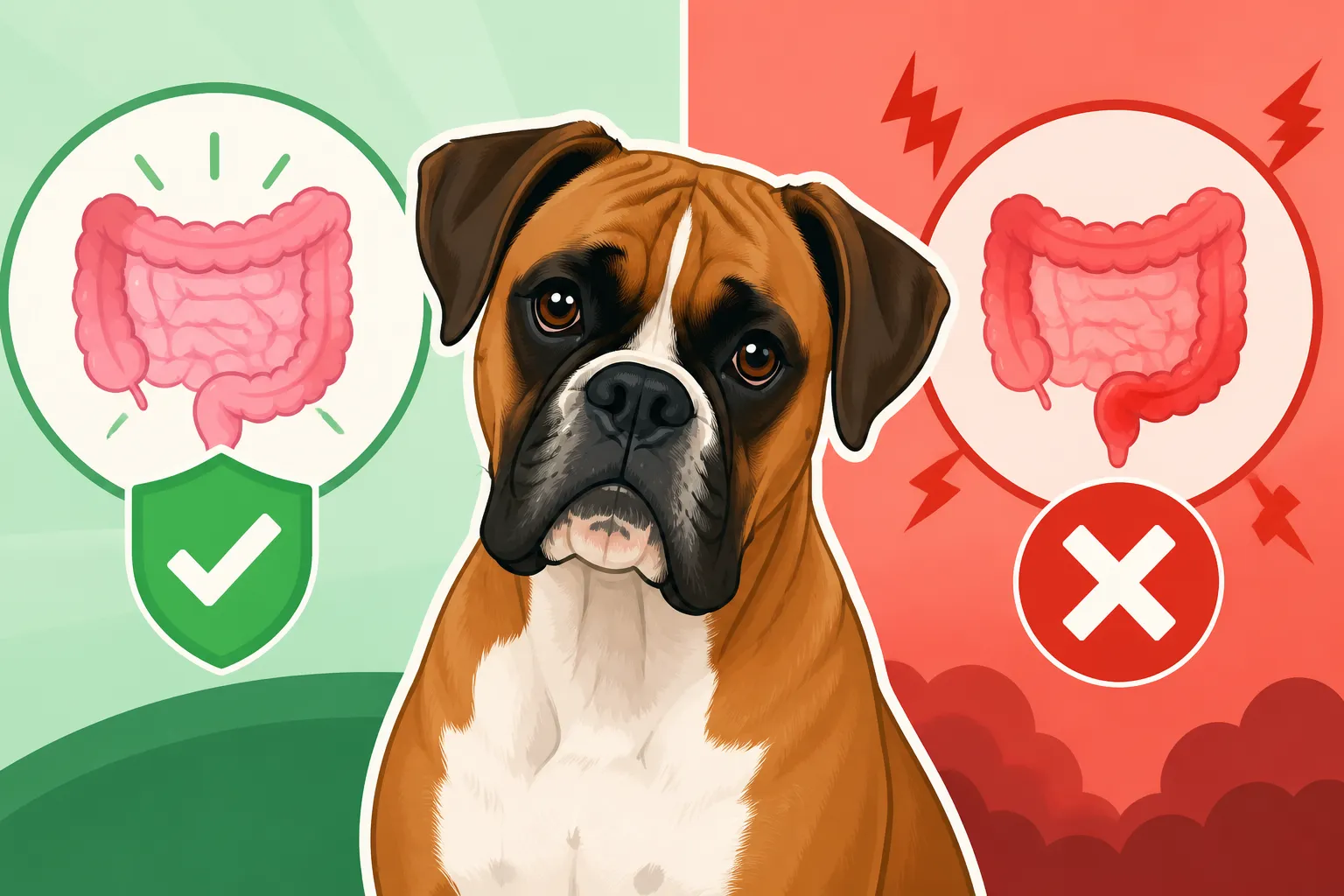
It’s an incredibly deflating feeling when your Boxer, after a tough battle with colitis, finally seems to be on the mend, only for those familiar symptoms to creep back in. You’ve endured the bloody stools, the straining, the frantic vet visits, and the worry, thinking you’d finally put it behind you. This guide is here to shed light on why Boxer colitis often seems like a never-ending cycle, exploring the common reasons for recurrence and offering comprehensive strategies to help you manage this challenging condition and keep your beloved companion as comfortable as possible.
Understanding the Unique Nature of Boxer Colitis
When we talk about "Boxer colitis," we're often referring to a specific and notoriously stubborn form of inflammatory bowel disease known as Histiocytic Ulcerative Colitis, or HUC. This isn't just any old tummy upset; it's a chronic, progressive inflammation of the colon that is disproportionately common in Boxers, particularly young ones, often starting between two weeks and two years of age. Unlike general colitis, which can stem from many causes, HUC has a very particular underlying mechanism that makes it especially frustrating to treat and prone to recurrence.
The Role of E. coli in Boxer Colitis
What makes HUC so unique and, frankly, so persistent in Boxers? The scientific community has pinpointed a specific strain of Escherichia coli (E. coli) bacteria that seems to be the primary culprit. These bacteria don't just pass through the gut; they invade and multiply within the cells lining the colon, leading to a profound inflammatory response. This deep cellular invasion means that ordinary antibiotics often can't reach them effectively, making treatment a real challenge. You can learn more about this specific bacterial involvement by reading up on Why E Coli Sits Inside a Boxer's Colon Wall.
When these E. coli take hold, the Boxer's immune system goes into overdrive, attempting to clear the invaders, but in doing so, it creates severe inflammation. This results in the classic signs of colitis: frequent, urgent defecation, often with small amounts of loose stool containing mucus and fresh blood. The dog will strain intensely, sometimes even crying out in discomfort during bowel movements. It’s a truly miserable experience for them, and watching it is agonizing for us owners.
Why Boxers Are Genetically Prone to HUC
It's not just bad luck that your Boxer got HUC; there's a strong genetic component at play, which helps explain why some Boxers seem to struggle with it recurrently while other breeds rarely face this specific issue. Researchers have identified certain genetic markers that increase a Boxer's susceptibility to HUC, suggesting that their immune systems may respond differently or be less equipped to handle this particular E. coli strain. This genetic predisposition means that even with the best treatment and management, some Boxers are simply more prone to developing the condition and experiencing relapses.
This genetic link underscores the importance of careful breeding practices and understanding a Boxer's lineage, though, sadly, many owners encounter HUC without prior knowledge of this vulnerability. This inherent susceptibility is a critical piece of the puzzle when we talk about recurrence; it means that while we can manage symptoms and reduce triggers, the underlying predisposition remains, always hovering in the background. If you've ever wondered about the age at which these issues typically begin, you might find insight in The Age Boxer Colitis Usually Starts.
The Initial Battle and Why It Appears Resolved
When your Boxer is first diagnosed with colitis, especially HUC, the vet typically prescribes a specific course of action. This often involves potent antibiotics and sometimes steroids to reduce inflammation. For many Boxers, this initial treatment works wonders, leading to a period of apparent recovery and giving owners a much-needed sense of relief.
Typical Treatment Protocols for Boxer Colitis
The cornerstone of treating HUC in Boxers is often a long course of a fluoroquinolone antibiotic, most notably enrofloxacin (brand name Baytril). This particular antibiotic is chosen because it has better penetration into the cells where the E. coli bacteria hide. Unlike many other antibiotics, enrofloxacin can often effectively target the invasive bacteria. However, the treatment isn't a quick fix; it usually requires several weeks, sometimes even months, of consistent administration. It’s important to understand Why Boxer Colitis Responds to One Antibiotic to appreciate the specific nature of this treatment.
Alongside antibiotics, your vet might prescribe anti-inflammatory medications, such as corticosteroids, to help calm the severe inflammation in the colon. Dietary changes are almost always recommended, moving to a bland, easily digestible, and often novel protein diet. The goal is to reduce any potential irritation to the gut while the antibiotics do their work. For a detailed look at this specific medication, consider reading Enrofloxacin for a Boxer With Colitis.
The Illusion of Complete Recovery
After weeks on medication and a carefully managed diet, many Boxers show significant improvement. Their stools firm up, the blood and mucus disappear, and they regain their energy and happy Boxer bounce. It's a joyous moment, and it's easy to believe that the battle is won and the colitis is completely gone. However, this apparent full recovery can sometimes be misleading, especially with HUC.
The challenge lies in the nature of the bacterial invasion. Even with effective antibiotics, it can be incredibly difficult to eradicate every single deeply embedded E. coli bacterium. The symptoms resolve because the bacterial load is significantly reduced and inflammation is under control, but a small, persistent population of bacteria might remain, dormant or at a low level. This "silent" presence is a key reason why recurrence is such a persistent fear for Boxer owners. It's not that the treatment failed, but rather that complete eradication of such an invasive, genetically linked condition is a very high bar to clear.
Factors Influencing Colitis Recurrence
The frustrating truth for many Boxer owners is that colitis, especially HUC, can indeed come back. Understanding why this happens is the first step toward preventing it or at least managing it more effectively. Several factors can contribute to a relapse, ranging from treatment adherence to dietary choices and even environmental stressors.
Incomplete Treatment and Sub-Optimal Dosing
One of the most common reasons for recurrence is not completing the full course of prescribed medication, particularly the antibiotics. Because Boxer colitis often requires a prolonged course of antibiotics, sometimes lasting 8-12 weeks or even longer, it’s tempting to stop once symptoms disappear. However, if the antibiotics are discontinued too early, before all the invasive E. coli are cleared, the remaining bacteria can quickly recolonize and trigger another flare-up. It's similar to how human antibiotic resistance builds up; incomplete treatment allows the hardiest bacteria to survive and multiply.
Even if the course is completed, sometimes the initial dosing or duration might not have been sufficient for your individual Boxer's unique situation. It's a delicate balance, as long-term antibiotic use also carries risks, but ensuring thorough treatment is paramount. Open communication with your vet about the length and specific antibiotic regimen is crucial to minimize this risk.
Dietary Triggers and Sensitivities
Diet plays an absolutely massive role in managing and preventing the recurrence of Boxer colitis. The gut is a sensitive ecosystem, and certain foods can act as triggers, even if they don't directly cause the E. coli invasion. Many Boxers with HUC also have underlying food sensitivities or allergies, and exposing them to these irritants can inflame the colon, making it easier for the dormant E. coli to flare up again. Common culprits include:
- Common proteins: Chicken, beef, and dairy are frequently cited as allergens.
- Grains: While the link between grains and HUC isn't direct, some Boxers thrive on grain-free or limited-ingredient diets.
- High-fat foods: Fatty treats or rich foods can be difficult to digest and irritate an already sensitive gut.
- Table scraps: These are a big no-no for any Boxer prone to GI upset.
Moving to a novel protein diet (e.g., duck, venison, rabbit) or a hydrolyzed protein diet (where proteins are broken down into tiny pieces to avoid immune reaction) is often a critical long-term strategy. These specialized diets aim to reduce antigenic load and inflammation in the gut, providing a more stable environment. For specific guidance, you'll want to review Diet Changes for a Boxer With Colitis.
Stress, Environment, and Gut Health
Beyond medication and food, your Boxer's overall environment and stress levels can also influence gut health and contribute to colitis recurrence. Stress, whether from changes in routine, new pets, loud noises, or even separation anxiety, can profoundly impact the digestive system. The gut-brain axis is a well-established connection, and stress hormones can directly affect gut motility, permeability, and inflammation.
A stressful environment won't cause HUC, but it can certainly exacerbate an existing predisposition or trigger a relapse in a Boxer whose gut is already sensitive. Ensuring a stable, predictable, and calm home environment can therefore be an important, albeit often overlooked, component of preventing recurrence. Think about how your own stress affects your stomach; it's similar for our dogs.
Undiagnosed Concurrent Conditions
Sometimes, what appears to be a recurrence of HUC might actually be a new or previously undiagnosed concurrent condition masquerading as colitis. While HUC is distinct, Boxers can also suffer from other gastrointestinal issues like general inflammatory bowel disease (IBD) not directly linked to E. coli, intestinal parasites (like Giardia, though HUC typically rules this out), or even pancreatic issues that affect digestion. If your Boxer's colitis keeps coming back despite diligent HUC treatment, your vet may want to re-evaluate for other possibilities, potentially including additional diagnostics like more advanced imaging or even further biopsies.
This situation highlights the importance of thorough diagnosis, which might include procedures like those described in Diagnosing Boxer Colitis by Biopsy. It's a complex picture, and ruling out other issues ensures that you're treating the right problem.
Strategies to Prevent Relapse and Promote Gut Health
The good news is that while recurrence is a real possibility, there are many proactive steps you can take to minimize the chances of your Boxer's colitis coming back. This involves a multi-faceted approach, combining careful dietary management, consistent veterinary care, and an awareness of your dog's overall well-being.
Long-Term Dietary Management and Supplements
Diet is your most powerful tool in the fight against recurring colitis. Once your Boxer has recovered from an acute flare-up, maintaining a highly consistent and appropriate diet is crucial. This often means sticking to the prescription or novel protein diet that helped in the first place, avoiding all deviations. Even a tiny piece of an inappropriate treat or a stolen bite of human food can be enough to set off a sensitive colon.
Consider these dietary pillars for long-term management:
- Novel or Hydrolyzed Protein Diet: These specialized diets are designed to be non-inflammatory. Examples include Purina Pro Plan Veterinary Diets HA Hydrolyzed, Royal Canin Veterinary Diet Hydrolyzed Protein, or Hill's Prescription Diet z/d. It's often a lifelong commitment.
- Fiber: Some Boxers benefit from added fiber to help regulate bowel movements and support healthy gut flora. This can come from specific prescription diets or supplements. You can explore this further in Whether Fiber Helps a Boxer's Loose Stools.
- Probiotics: Introducing beneficial bacteria can help restore balance to the gut microbiome, especially after antibiotic treatment. High-quality canine-specific probiotics, like Fortiflora or Proviable, can be a valuable addition. Many owners find them indispensable, especially after their dog has been on antibiotics, which is covered in more detail in Probiotics for a Boxer After Antibiotics.
It's a process of trial and error to find what works best, and it requires strict adherence. Consult your vet before making any changes to ensure they are appropriate for your Boxer's specific condition.
| Dietary Strategy | Description | Potential Benefits | Considerations |
|---|---|---|---|
| Novel Protein Diet | Uses protein sources rarely encountered (e.g., venison, duck, rabbit, kangaroo) to reduce allergic reactions. | Reduces inflammation, identifies food sensitivities. | Requires strict adherence; protein source must be truly novel. |
| Hydrolyzed Protein Diet | Proteins are broken down into small peptides, making them unrecognizable to the immune system. | Highly effective for severe food allergies and IBD. | Can be expensive; some dogs find it less palatable. |
| High-Fiber Diet | Contains increased levels of soluble and insoluble fiber. | Promotes healthy gut motility, binds toxins, supports gut flora. | Fiber type and amount must be tailored; can cause gas initially. |
| Probiotic Supplementation | Introduction of live beneficial bacteria cultures. | Restores microbial balance, improves digestion, boosts immunity. | Strain-specific benefits; consistency is key. |
Proactive Monitoring and Early Intervention
One of the best ways to prevent a full-blown relapse is to become an expert observer of your Boxer's habits and recognize the earliest signs of trouble. Don't wait until the bloody diarrhea returns with a vengeance. Start paying close attention to subtle changes:
- Stool consistency: Is it slightly softer than usual?
- Frequency: Is your Boxer needing to go outside more often?
- Urgency: Are they frantically asking to go out, or having accidents?
- Straining: Even mild straining is a red flag.
- Appetite or energy levels: Any slight dip can signal discomfort.
Keep a journal of these observations. If you notice any of these signs, contact your vet immediately. Early intervention, sometimes with a short course of medication or a temporary dietary adjustment, can often nip a budding flare-up in the bud before it becomes severe. For common symptoms to watch out for, consider reading Straining and Small Stools in a Boxer.
Regular Veterinary Check-ups and Collaboration
Ongoing communication and regular check-ups with your veterinarian are non-negotiable for a Boxer prone to colitis. Your vet is your most important partner in managing this condition. They can monitor your Boxer’s overall health, recommend specific diagnostics if needed, and adjust treatment protocols based on their response.
Don't hesitate to schedule routine follow-up appointments, even if your Boxer seems fine. These check-ups allow your vet to assess long-term gut health, discuss any new research or treatment options, and ensure that any subtle changes aren't missed. Building a strong, trusting relationship with a vet who understands your Boxer's history with colitis is invaluable.
Considering Pet Insurance for Ongoing Care
Let's be realistic: managing a chronic condition like Boxer colitis can be expensive. From prescription diets to long courses of medication, and potentially repeated diagnostic tests if symptoms recur, the bills can add up quickly. This is where pet insurance can be a real lifesaver, especially if enrolled before any symptoms appear.
A good pet insurance policy can help offset the significant costs associated with managing a chronic condition that may require ongoing veterinary attention. Providers like Healthy Paws are well-regarded for their comprehensive coverage, though it's always critical to read the policy details carefully and understand what is covered, waiting periods, and how pre-existing conditions are handled. While it won't cover conditions already diagnosed, having it in place for future unexpected ailments or new developments in a chronic condition can provide immense financial peace of mind. Thinking about long-term costs is a part of responsible ownership, and you can learn more about general pet insurance considerations in Insuring a Boxer Before the First Lump.
Living with Chronic Colitis: Managing Recurrence
For some Boxers, despite all best efforts, colitis may become a chronic, recurring issue. This doesn't mean you've failed; it simply means your Boxer has a particularly stubborn case of HUC or a heightened genetic predisposition. In these situations, the focus shifts from preventing recurrence entirely to managing flare-ups effectively and maintaining a high quality of life.
Managing Flare-Ups When They Occur
When a flare-up inevitably happens, you need a clear action plan. Contact your vet immediately. They may recommend:
- Re-initiation of antibiotics: Often, a course of enrofloxacin might be needed again to knock back the E. coli population.
- Anti-inflammatory medications: Steroids or other anti-inflammatories might be used short-term to reduce the immediate discomfort and inflammation.
- Dietary adjustments: Sometimes, going back to an even stricter or novel prescription diet for a period can help settle the gut.
- Supportive care: This might include subcutaneous fluids to prevent dehydration if diarrhea is severe, or pain relief.
The key is to act quickly to prevent the flare-up from escalating and causing more severe distress to your Boxer. Remember, consistency and speed are your allies here. These frustrating recurrences can definitely impact your wallet, so understanding your financial preparedness is important.
Ensuring Quality of Life Despite the Condition
Living with a Boxer that has chronic colitis requires patience, dedication, and a deep commitment to their comfort. While it can be disheartening to face repeated flare-ups, your goal is to ensure your Boxer still lives a full, happy life.
- Comfort is key: Ensure they have comfortable, easily cleanable bedding. Be understanding if they have accidents in the house during a flare-up.
- Gentle exercise: During periods of remission, maintain regular, moderate exercise. During a flare-up, keep walks short and frequent to allow for easy potty breaks without over-exertion.
- Mental stimulation: Don't let colitis define their life. Provide plenty of mental enrichment through puzzle toys, training sessions, and interactive play.
- Emotional support: Your Boxer picks up on your stress. Stay calm and reassuring, offering comfort during their difficult times. Their cheerful Boxer disposition will still shine through if they feel loved and supported.
It's a delicate balance of managing the physical symptoms while nurturing their spirit. Many Boxer owners find immense satisfaction in providing this level of dedicated care, building an even stronger bond with their resilient companions.
The Lifelong Partnership with Your Veterinarian
Finally, remember that managing chronic Boxer colitis is a marathon, not a sprint. Your veterinarian is your steadfast partner throughout this journey. They will help you navigate treatment options, interpret diagnostic results, and provide guidance on diet and lifestyle adjustments. Don't be afraid to ask questions, seek clarification, and discuss your concerns openly. A collaborative approach, built on trust and mutual understanding, is essential for giving your Boxer the best possible outcome. This kind of ongoing care is a part of The Yearly Bill for a Seventy-Pound Boxer and planning for it is crucial.
You might also consider consulting with a veterinary internal medicine specialist if your Boxer's condition proves particularly challenging to manage. These specialists have advanced training in complex internal diseases and can offer cutting-edge diagnostics and treatment plans that might not be available from a general practitioner. They can be invaluable in chronic or refractory cases.
Disclaimer
This article is for general informational purposes only and does not constitute professional advice. Laws, prices and regulations vary by location and change over time. Consult a qualified professional for guidance on your specific situation.