Medication for a Boxer With an Arrhythmia
The moment you hear that your beloved Boxer has an arrhythmia, a cold knot can form in your stomach. The fear of sudden collapse, the worry about their future, and the sheer overwhelm of medical terms and treatment options can feel like a heavy weight. It’s a frightening diagnosis, especially when you know Boxers are so prone to these heart conditions. This guide aims to demystify the medication aspect of managing a Boxer's arrhythmia, helping you understand the different treatments, what to expect, and how to give your furry family member the best possible quality of life.
The Reality of Arrhythmias in Boxers: What Are We Dealing With?
Boxers are magnificent dogs, full of life, energy, and an unparalleled ability to wiggle their whole bodies with joy. But beneath that joyful exterior, many carry a genetic predisposition to a heart condition known as Arrhythmogenic Right Ventricular Cardiomyopathy (ARVC), sometimes also called Boxer Cardiomyopathy. This isn't just a minor issue; it's a serious electrical disorder of the heart that can profoundly impact their health and lifespan.
Understanding Boxer Cardiomyopathy ARVC
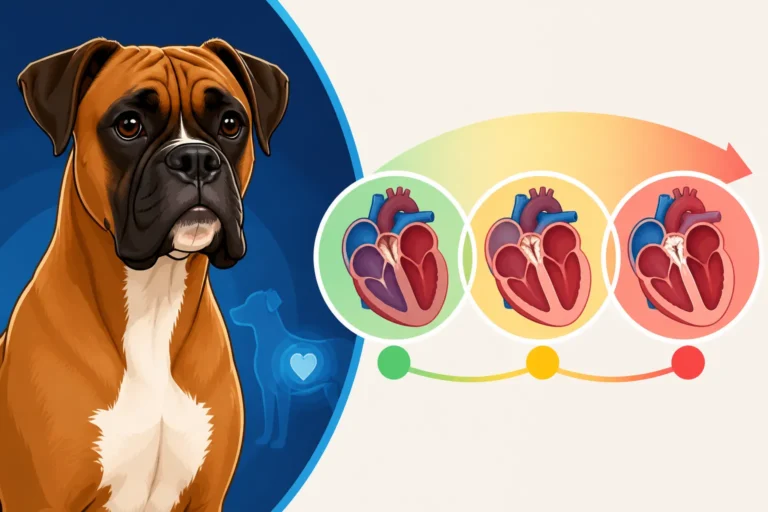
ARVC in Boxers is primarily an electrical disease, meaning it affects the heart's natural rhythm. The heart muscle, particularly the right ventricle, starts to get infiltrated by fatty or fibrous tissue. This abnormal tissue disrupts the normal electrical signals that tell the heart when to beat, leading to chaotic and uncoordinated contractions. These chaotic beats are called arrhythmias. They can range from occasional, seemingly harmless skipped beats to rapid, dangerous runs of ventricular tachycardia, where the heart beats so fast and inefficiently that it can't pump enough blood to the body.
The insidious thing about ARVC is that it doesn't always show obvious symptoms right away. Your Boxer might look and act perfectly normal, even though their heart is already developing these electrical abnormalities. This is why regular screening, even in seemingly healthy Boxers, is so crucial. When symptoms do appear, they can be terrifying: episodes of weakness, dizziness, fainting (syncope), or even sudden death. Understanding What Boxer ARVC Actually Does to the Heart is the first step in preparing for or managing this condition.
When Medication Becomes Necessary
Deciding when to start medication for a Boxer with an arrhythmia is a critical discussion you'll have with your veterinarian or a veterinary cardiologist. It's not a one-size-fits-all answer, but generally, medication is recommended when the arrhythmias become frequent, complex, or lead to clinical signs.
For Boxers, the "trigger" for medication often revolves around the number and type of Premature Ventricular Contractions (PVCs) detected, or if episodes of ventricular tachycardia are occurring. A Boxer who is showing symptoms like fainting or collapsing absolutely needs to be on medication to stabilize their heart rhythm and improve their quality of life. Even if your Boxer isn't showing symptoms, but a Holter monitor reveals a very high number of PVCs (often thousands in a 24-hour period) or concerning runs of ventricular tachycardia, your vet will likely recommend starting medication to try and prevent future symptomatic episodes or sudden cardiac arrest.
It’s a balancing act: you want to prevent life-threatening events, but also avoid unnecessary medication if the arrhythmia is mild and truly asymptomatic. Your vet will carefully evaluate the risks versus the benefits for your individual Boxer. When we talk about Counting PVCs on a Boxer's Holter Result, that number directly correlates to the urgency and necessity of starting antiarrhythmic drugs.
Diagnosing the Need for Intervention
Before any medication can be prescribed, a thorough diagnostic process is absolutely essential. You can’t treat what you haven’t properly identified. For Boxers, this journey usually begins with specialized cardiac testing that goes beyond a regular physical exam.
The Importance of a Holter Monitor
If you're a Boxer owner, you've probably heard of a Holter monitor, or perhaps your Boxer has already worn one. This isn't just a fancy piece of equipment; it's a lifesaver for diagnosing and monitoring ARVC. A Holter monitor is a small, portable ECG device that your Boxer wears for typically 24 hours (sometimes 48 or even 72 hours). It continuously records every single heartbeat over that period, capturing a true picture of your dog's cardiac rhythm during their normal daily activities – sleeping, playing, eating, and everything in between.
Why is this so important? Because many arrhythmias are intermittent. They don't happen constantly, and they might not show up during the few minutes your vet is doing a standard ECG in the clinic. The Holter monitor catches those fleeting, potentially dangerous episodes. The data collected helps the cardiologist determine the frequency, complexity, and severity of the arrhythmias. This information is absolutely crucial for deciding if medication is needed, which type of medication, and at what dosage. Many owners ask, "But what does What a Boxer Wears During a Holter Day entail?" It's usually a small device taped to their side or worn in a vest, surprisingly well-tolerated by most Boxers once they get used to it.
Beyond the Holter: Echocardiograms and Blood Work
While the Holter monitor tells us about the heart's electrical activity, an echocardiogram gives us a look at its structure and function. This is a non-invasive ultrasound of the heart, performed by a veterinary cardiologist. It allows them to visualize the heart's chambers, valves, and major blood vessels. For a Boxer, an echo can confirm if the right ventricle is enlarged or if there are any wall motion abnormalities consistent with ARVC. It also helps rule out other potential heart conditions that might cause similar symptoms, such as Screening a Boxer for Subaortic Stenosis, a common congenital defect in Boxers.
An echo helps assess the overall contractility of the heart muscle. In some advanced cases of ARVC, the heart's pumping function can be affected, leading to congestive heart failure. The echo would reveal this and help guide further treatment.
Before starting any long-term medication, your vet will also recommend a comprehensive blood panel. This is to check your Boxer's kidney and liver function. Many heart medications are metabolized by these organs, and if they aren't functioning optimally, it can affect how the drug is processed, leading to potential toxicity or requiring dosage adjustments. It’s all part of ensuring the chosen treatment plan is safe and effective for your individual dog.
A Closer Look at Common Antiarrhythmic Medications
Once a diagnosis is confirmed and the decision to medicate is made, you'll be faced with a few key players in the antiarrhythmic drug world. The goal of these medications is to stabilize the heart's electrical activity, reduce the number of abnormal beats, and ultimately prevent life-threatening arrhythmias.
Sotalol: The Go-To for Ventricular Arrhythmias
For Boxers with ARVC, Sotalol is often the first-line medication, and for good reason. It's what we call a Class III antiarrhythmic, but it also has beta-blocker properties. This means it works in a couple of ways:
- Beta-blocker effect: It slows the heart rate and reduces the heart's workload, which can calm down an irritable heart.
- Potassium channel blocker effect: It prolongs the action potential duration in the heart muscle cells, making them less likely to fire off extra, abnormal beats.
In essence, Sotalol helps to stabilize those rogue electrical signals in the Boxer's heart, reducing the frequency of PVCs and, most importantly, decreasing the likelihood of dangerous ventricular tachycardia episodes. It's usually given orally, two or three times a day. While Sotalol is highly effective, it's not without potential side effects. Owners might notice increased lethargy or a slightly slower heart rate (bradycardia) when their Boxer first starts the medication. Your vet will carefully monitor for these. More information can be found on Sotalol for a Boxer With Ventricular Beats.
Mexiletine: Complementary Therapy
Sometimes, Sotalol alone isn't quite enough to control a Boxer's arrhythmias, or perhaps your Boxer can't tolerate the full dose of Sotalol due to side effects. In these situations, Mexiletine often comes into play. Mexiletine is a Class 1B antiarrhythmic, working by blocking sodium channels in the heart. This action primarily shortens the duration of the action potential and reduces the excitability of the heart muscle, making it less prone to generating abnormal beats.
It's often used in conjunction with Sotalol to achieve better arrhythmia control than either drug could provide on its own. Think of it as a tag-team effort to calm the heart. Mexiletine is also an oral medication, typically given two or three times a day. Side effects can include gastrointestinal upset (vomiting, diarrhea) and, less commonly, neurological signs like tremors or ataxia (wobbliness). Your vet will advise you on how to introduce this medication and what to watch out for.
Other Medications and Supplements
While Sotalol and Mexiletine are the heavy hitters for Boxer ARVC, other medications might be considered in specific circumstances:
- Atenolol: Another beta-blocker, similar to Sotalol in its beta-blocking action but without the Class III antiarrhythmic properties. It might be used in Boxers that can't tolerate Sotalol, or in combination with other drugs if the beta-blocking effect is paramount.
- Amiodarone: A more potent, broad-spectrum antiarrhythmic that's usually reserved for Boxers with severe, life-threatening arrhythmias that don't respond to Sotalol or Mexiletine. Amiodarone comes with a higher risk of significant side effects, including liver and lung toxicity, so its use is carefully weighed by a specialist.
- Digoxin: Less commonly used for ARVC, but might be considered if congestive heart failure is also present, as it can strengthen heart contractions and help control some atrial arrhythmias.
- Supplements: While not a substitute for prescribed medication, certain supplements can play a supportive role. Omega-3 fatty acids, commonly found in fish oil, have anti-inflammatory properties and may help stabilize heart cell membranes. While more research is always ongoing, many cardiologists recommend them as an adjunct therapy. You can read more about Fish Oil for a Boxer's Arrhythmia and its potential benefits. L-Carnitine and Taurine are amino acids sometimes discussed, though their primary role is in specific types of dilated cardiomyopathy, not typically ARVC, unless there's an underlying deficiency. Always discuss any supplements with your vet before giving them to your Boxer.
Here’s a quick overview of the primary antiarrhythmic medications for Boxers:
| Medication Name | Class/Mechanism | Primary Use in Boxers (ARVC) | Common Side Effects | Key Considerations |
|---|---|---|---|---|
| Sotalol | Beta-blocker & Class III Antiarrhythmic | Reduces PVCs, prevents ventricular tachycardia | Lethargy, bradycardia, GI upset (less common) | First-line treatment, often given 2-3 times daily. |
| Mexiletine | Class 1B Antiarrhythmic (Sodium channel blocker) | Used in conjunction with Sotalol for better control, or as alternative | GI upset (vomiting, diarrhea), neurological (tremors) | Often added if Sotalol alone isn't fully effective. |
| Atenolol | Beta-blocker (selective) | Slows heart rate, reduces workload (less direct antiarrhythmic) | Lethargy, bradycardia | Alternative to Sotalol if Class III effect not needed. |
Navigating Treatment: Dosage, Side Effects, and Monitoring
Getting a Boxer on heart medication isn't a "set it and forget it" situation. It requires ongoing vigilance, close communication with your vet, and a commitment to regular monitoring. This phase can feel daunting, but it's crucial for your Boxer's long-term health and well-being.
Finding the Right Dose for Your Boxer
One of the biggest challenges with antiarrhythmic medications is that the "right" dose isn't simply based on your Boxer's weight. It's a highly individualized process that involves careful titration – meaning your vet will start with a conservative dose and gradually increase it, or adjust it, based on how your Boxer responds.
How do they know if it's "right"? This is where the Holter monitor comes back into play. After starting a medication or adjusting its dose, your Boxer will need follow-up Holter monitoring. This allows the cardiologist to see if the medication is effectively reducing the PVC count and preventing dangerous runs of ventricular tachycardia. It's a delicate balance; you want to control the arrhythmia without causing excessive side effects or slowing the heart too much. You might find that Whether Boxer PVC Counts Change Year to Year is a real concern, necessitating these regular checks and adjustments. It's not uncommon for Boxers to need dosage changes as their disease progresses or their body adapts to the medication.
Recognizing and Managing Side Effects
Every medication comes with potential side effects, and antiarrhythmics are no exception. Knowing what to look for can help you identify issues early and communicate effectively with your vet.
For Sotalol, common side effects include:
- Lethargy or sedation: Your Boxer might seem a bit more tired than usual, especially when first starting the medication.
- Bradycardia: A slower heart rate. Your vet will teach you how to check your Boxer's pulse and breathing rate at home.
- Gastrointestinal upset: Less common, but some Boxers might experience mild vomiting or diarrhea.
With Mexiletine, watch for:
- GI upset: Vomiting and diarrhea are more common with Mexiletine. Giving the medication with food can sometimes help.
- Neurological signs: Tremors, wobbliness (ataxia), or even seizures in rare cases, especially at higher doses.
It's vital to remember that not every Boxer will experience side effects, and many tolerate these medications very well. However, if you notice any unusual behavior, changes in appetite, severe lethargy, or signs of discomfort, contact your vet immediately. Never adjust your Boxer's medication dose on your own. Your vet will guide you through managing these potential issues, which might involve dose reduction, switching medications, or adding supportive therapies.
Long-Term Monitoring and Adjustments
Managing a Boxer with an arrhythmia is a marathon, not a sprint. Long-term monitoring is crucial to ensure the medication remains effective and to catch any progression of the disease or new issues.
This typically involves:
- Regular Holter monitoring: Often every 3-6 months, or as recommended by your cardiologist. This helps assess medication efficacy and detect changes in arrhythmia burden.
- Periodic blood work: Especially kidney and liver panels, to ensure these organs are handling the medication well.
- Echocardiograms: Less frequent than Holters, but periodic ECHOs (e.g., every 12-24 months) can help assess the heart's structure and function and detect signs of heart failure.
This ongoing care, while essential, can become a significant financial burden. The costs of specialist visits, Holter rentals, echos, and daily medications really add up. This is where pet insurance can be an absolute lifesaver. Companies like Healthy Paws offer comprehensive coverage that can help offset these expenses, ensuring you can afford the best care for your Boxer without having to make agonizing financial decisions. Enrolling in a plan early, before any diagnosis, is key to maximizing coverage. Discussing Annual Holter Screening as a Boxer Expense makes the value of this kind of support very clear.
Living Well: Lifestyle Adjustments and Quality of Life
Medication is a cornerstone of managing a Boxer's arrhythmia, but it's not the only piece of the puzzle. Thoughtful lifestyle adjustments can significantly contribute to your Boxer's comfort, well-being, and overall quality of life. The goal is to create an environment that supports heart health and minimizes triggers for arrhythmias.
Exercise Considerations with Medication
While antiarrhythmic medications work to stabilize the heart's rhythm, they don't give your Boxer a free pass to unlimited, strenuous activity. For many Boxers with ARVC, overexertion, intense bursts of activity, or high levels of excitement can still trigger arrhythmias. It's a tricky balance, because Boxers are naturally energetic dogs!
Your vet or cardiologist will give you specific recommendations tailored to your Boxer's condition and medication response. Generally, a more moderate, consistent exercise routine is preferred over sporadic, intense bouts. Think regular, leashed walks rather than unrestrained running at the dog park. Avoid activities that get your Boxer overly excited or stress their heart. For example, if your Boxer tends to collapse after vigorous play, then that type of play needs to be scaled back significantly, even with medication. Understanding How Hard a Boxer With an Arrhythmia Can Work is key, and it might mean a slower pace of life, but one that is safer and more sustainable. Monitoring for signs of fatigue, labored breathing, or any wobbly episodes during or after exercise is crucial.
Diet and Environmental Factors
A balanced, high-quality diet is always important for a Boxer's overall health, and it's especially true for those with heart conditions. While there isn't a specific "heart diet" for ARVC like there might be for congestive heart failure, ensuring your Boxer maintains a lean body weight is vital. Excess weight puts extra strain on the heart. Continue to provide the omega-3 fatty acids we discussed earlier, through diet or supplementation, as they offer supportive benefits.
Environmental factors also play a significant role. Boxers, being a brachycephalic (flat-faced) breed, are already prone to overheating. A compromised heart makes them even more susceptible. High temperatures and humidity can put immense stress on their cardiovascular system, potentially triggering arrhythmias. Always keep your Boxer cool, especially during warmer months. Avoid walks during the hottest parts of the day, provide ample shade and fresh water, and consider cooling vests or mats.
Beyond temperature, minimizing stress and extreme excitement in your Boxer's daily life can also be beneficial. Stress hormones can sometimes exacerbate heart rhythm disturbances. Creating a calm, predictable environment, and practicing techniques for Keeping a Boxer Calm During Recovery from any medical procedure or during times of stress, can contribute positively to their heart health.
The Emotional Toll on Owners
Let's be real: living with and caring for a Boxer with a chronic heart condition takes an immense emotional toll. The constant worry about a collapse, the vigilance for symptoms, the financial strain of ongoing vet visits and medications (even with assistance from companies like Healthy Paws), and the knowledge that this is a progressive disease, can be incredibly heavy.
It's okay to feel overwhelmed, anxious, and even heartbroken. You are not alone. Many Boxer owners navigate this challenging path. Seeking support from online forums, local Boxer rescue groups, or even talking to your vet about your feelings can be incredibly helpful. Sharing experiences with others who truly understand what you're going through can provide validation, practical tips, and much-needed emotional solace. Remember to take care of yourself too; your well-being directly impacts your ability to care for your beloved Boxer.
Looking Ahead: Prognosis and Ongoing Care
Understanding the long-term outlook and maintaining consistent care are paramount when managing a Boxer with an arrhythmia. While a diagnosis of ARVC is serious, it doesn't mean the end of a good life for your dog. With dedicated management, many Boxers continue to thrive for years.
What to Expect: The Course of ARVC
It’s important to understand that ARVC is a progressive disease. While medication can effectively manage the symptoms and reduce the risk of life-threatening events, it doesn't cure the underlying condition. The fatty/fibrous infiltration of the heart muscle typically continues to advance over time, albeit at varying rates for different dogs.
The goal of medication and lifestyle adjustments is to prolong your Boxer's life and maintain the best possible quality of life for as long as possible. This means keeping them comfortable, free from severe symptoms like fainting, and minimizing the risk of sudden cardiac arrest. As the disease progresses, your vet or cardiologist might need to adjust medication dosages, add new drugs, or explore other therapies. Regular monitoring, as discussed, is key to staying ahead of the disease's progression. It also gives you a better idea of what to expect when Caring for a Boxer Past Eight, as heart conditions often become more challenging as they age.
When to Consult a Specialist
While your primary veterinarian is an invaluable resource and handles much of the day-to-day care, a board-certified veterinary cardiologist often becomes an essential part of your Boxer’s healthcare team. If your Boxer has been diagnosed with an arrhythmia, especially ARVC, a referral to a cardiologist is highly recommended.
Why a specialist? Cardiologists have extensive, specialized training and access to advanced diagnostic tools and treatment protocols that most general practices don't. They are experts in interpreting complex Holter reports, performing detailed echocardiograms, and fine-tuning antiarrhythmic medication regimens. They can offer insights into the latest research and therapies, and their expertise is invaluable in developing the most effective long-term management plan for your Boxer. If your Boxer's arrhythmias are difficult to control, if side effects are problematic, or if you simply want the most informed opinion, a cardiology referral is always a wise choice. It ensures your Boxer receives the highest standard of specialized cardiac care.
Disclaimer
Please note: This article is intended for informational purposes only and does not constitute medical advice. Always consult with a qualified veterinarian or veterinary cardiologist regarding any health concerns or before making any decisions about your Boxer's medical care or treatment plan.