Diet Changes for a Boxer With Colitis
It's absolutely heartbreaking to see your beloved Boxer struggling with constant digestive upset, those awful bouts of diarrhea, and that tell-tale straining that just screams discomfort. When your dog is diagnosed with colitis, it feels like a heavy weight, and the immediate thought is often, "What can I feed them to make this stop?" You're not alone in feeling overwhelmed by the sheer volume of conflicting advice out there, but this guide is here to walk you through the essential dietary changes that can bring much-needed relief and long-term stability for your Boxer.
Understanding Boxer Colitis and Its Dietary Triggers
Colitis in Boxers isn't just a simple tummy ache; it's an inflammation of the colon, the large intestine, and it can be a persistent, frustrating condition for both dog and owner. The symptoms—bloody mucus in a young Boxer's stool, straining and small stools in a Boxer, and recurring diarrhea—are unmistakable and distressing. Trying to pinpoint the exact cause can feel like detective work, but often, the food bowl is where the clues lie.
Why Boxers Are Prone to Colitis
Boxers, with their unique physiology and often sensitive digestive systems, seem to have a particular predisposition to colitis, especially a specific form known as granulomatous colitis or histiocytic ulcerative colitis (HUC), though thankfully this aggressive form is rarer than diet-responsive colitis. Even so, many Boxers simply have more sensitive guts, and finding the right diet can feel like navigating a minefield. It often affects younger dogs, leading many owners to wonder about the age Boxer colitis usually starts. While the exact genetic links aren't fully understood for all forms of colitis, their lineage often means they react more strongly to certain dietary components than other breeds might. This sensitivity means that what might be perfectly fine for another dog could easily trigger a flare-up in your Boxer.
Common Dietary Culprits
When your Boxer is dealing with colitis, the usual suspects in their food bowl can often be rich, fatty foods, certain proteins, and specific carbohydrates or additives. Think about the common ingredients in many commercial dog foods: chicken, beef, dairy, corn, wheat, and soy. These are perfectly fine for most dogs, but for a Boxer with a sensitive colon, they can be inflammatory. High-fat diets can also be a major trigger, as fat can be harder for an inflamed colon to process, leading to further irritation. Artificial colors, preservatives, and a long list of ingredients can also contribute to an unhappy gut. It's not always easy to tell a Boxer colitis from ordinary diarrhea, but chronic symptoms, especially those involving blood or mucus, point strongly to colitis. Identifying these culprits is the first crucial step in making meaningful dietary changes.
The Pillars of a Colitis-Friendly Boxer Diet
Once you understand why your Boxer's gut might be reacting, the next step is building a diet that supports healing and minimizes inflammation. This often means simplifying things drastically and focusing on easily digestible, non-inflammatory ingredients.
Novel Proteins and Limited Ingredients
The cornerstone of a colitis-friendly diet often involves what we call "novel proteins" and a "limited ingredient" approach. A novel protein is essentially a protein source your Boxer has never eaten before, like duck, venison, rabbit, or even kangaroo. The idea here is that if your Boxer has developed an intolerance or allergy to common proteins like chicken or beef, introducing something completely new gives their immune system a break and reduces the likelihood of an inflammatory reaction.
A limited ingredient diet (LID) takes this a step further by minimizing the number of ingredients overall. Instead of a food with 20 different components, an LID might have one novel protein, one easily digestible carbohydrate (like sweet potato or tapioca), and a handful of essential vitamins and minerals. The fewer ingredients there are, the easier it is to pinpoint what might be causing a reaction, and the less work your Boxer's digestive system has to do. Brands like Zignature or Natural Balance offer excellent limited ingredient options with various novel proteins that can be life-savers for Boxers with colitis. When choosing a novel protein diet for your Boxer, always aim for foods specifically formulated to be gentle on sensitive stomachs. These foods are a key part of how to approach feeding a Boxer that strains to pass stool and can help achieve more consistent bowel movements.
The Role of Fiber in Gut Health
Fiber often gets a bad rap, but it's incredibly important for colon health, especially in a Boxer with colitis. It's not about just adding "more" fiber, but the right kind. There are two main types:
- Soluble Fiber: This type dissolves in water and forms a gel-like substance. It can help firm up loose stools by absorbing excess water, and it acts as a prebiotic, feeding the beneficial bacteria in the colon. Sources include psyllium husk, pumpkin, and certain vegetables.
- Insoluble Fiber: This type doesn't dissolve in water and adds bulk to the stool, helping it move through the digestive tract. It's important for regularity but too much can be irritating for an inflamed colon. Sources include whole grains (if tolerated), many vegetables, and fruit skins.
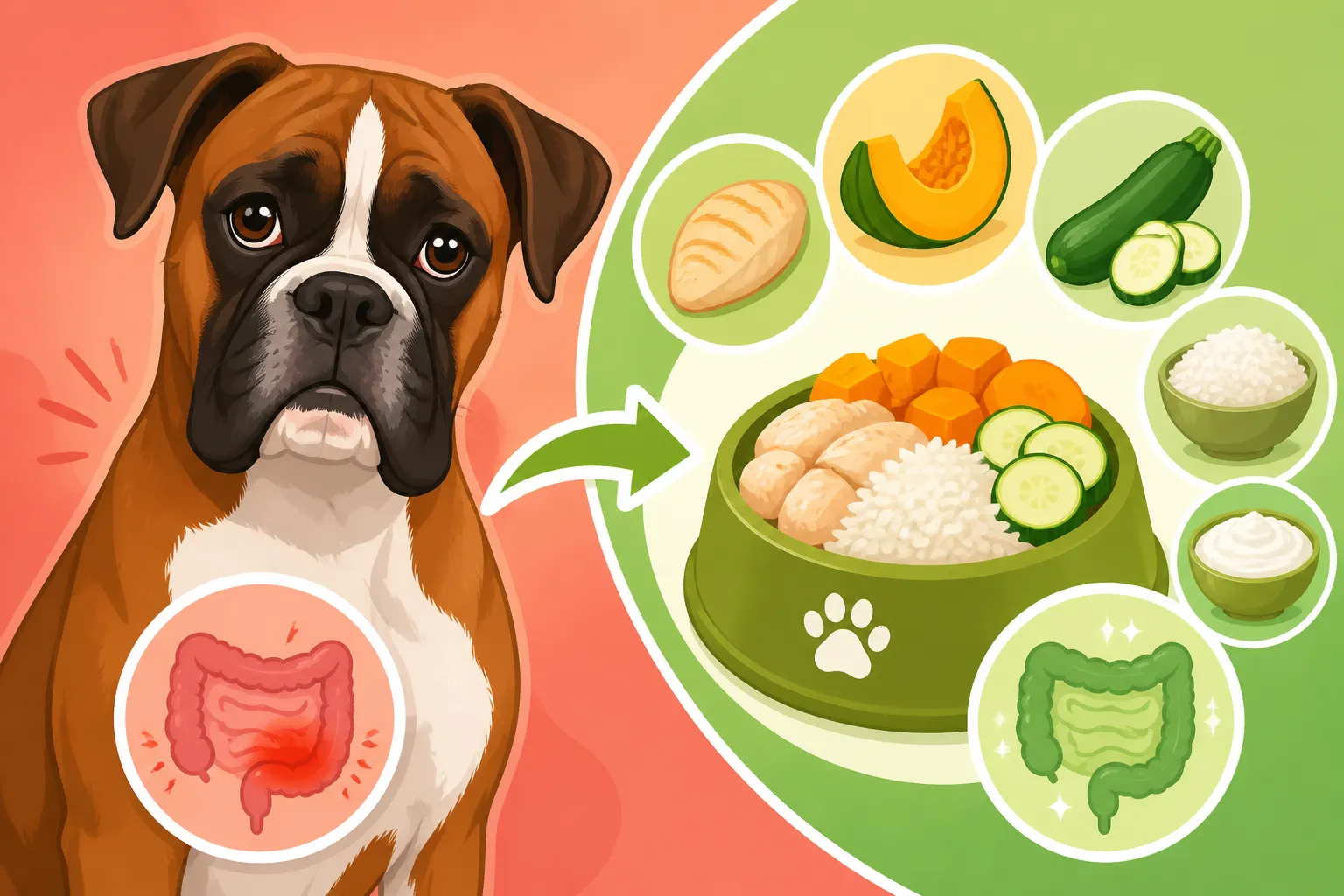
For a Boxer with colitis, a balanced approach is key. You might find that a moderate amount of soluble fiber is incredibly helpful in regulating bowel movements and soothing the colon. Pumpkin, in particular, is a popular choice among Boxer owners for its ability to firm up loose stools and provide gentle fiber. Always introduce fiber gradually to avoid further digestive upset. Understanding whether fiber helps a Boxer's loose stools is crucial, and it's a process of careful observation.
Probiotics and Prebiotics
Supporting the gut microbiome is paramount when dealing with colitis. Think of your Boxer's gut as a bustling city, and probiotics are the good citizens keeping everything running smoothly.
- Probiotics: These are live beneficial bacteria and yeasts that, when administered in adequate amounts, confer a health benefit on the host. They can help restore balance to the gut flora, which often gets disrupted during periods of inflammation or after antibiotic treatment (like Enrofloxacin for a Boxer with colitis). Specific strains, such as Lactobacillus acidophilus and Bifidobacterium animalis, have shown promise in managing canine digestive issues. Daily probiotics for a Boxer after antibiotics can be incredibly helpful in repopulating the gut with good bacteria.
- Prebiotics: These are non-digestible food ingredients that selectively stimulate the growth and/or activity of beneficial bacteria in the colon. Essentially, they are food for the probiotics. Fructooligosaccharides (FOS) and inulin are common prebiotics found in some dog foods and supplements.
Incorporating a high-quality canine-specific probiotic supplement can make a significant difference. You might consider a product like Fortiflora or Proviable. Always talk to your vet about the best probiotic for your Boxer's specific situation, as not all strains are equally effective for every condition. Some owners also find that certain foods, like plain unsweetened yogurt or kefir, offer natural probiotic benefits, but be cautious with dairy if your Boxer has a sensitivity.
Here's a quick comparison of common protein and fiber sources for Boxers with sensitive stomachs:
| Category | Recommended for Sensitive Boxers | Potential Triggers for Sensitive Boxers |
|---|---|---|
| Proteins | Duck, Venison, Rabbit, Salmon, Lamb | Chicken, Beef, Dairy, Pork |
| Carbohydrates | Sweet Potato, Tapioca, White Rice | Corn, Wheat, Soy, Brown Rice |
| Fiber | Pumpkin, Psyllium Husk, Green Beans, Apple (peeled) | Legumes (in high amounts), Bran |
| Fats | Fish Oil, Coconut Oil (moderate) | Animal Fat (in high amounts) |
Transitioning Your Boxer to a New Diet
Changing your Boxer's food isn't something to rush, especially when their digestive system is already compromised by colitis. A slow and deliberate transition is key to avoiding further upset and giving their gut time to adjust.
The Slow and Steady Approach
Imagine suddenly switching your own diet from what you're used to to something completely new. Your stomach would probably revolt! It's the same for your Boxer. A rapid change can easily trigger another bout of diarrhea or exacerbate colitis symptoms. The recommended approach is to transition your Boxer's food over a period of 7 to 10 days, gradually increasing the proportion of the new food while decreasing the old.
Here's a typical transition schedule:
- Days 1-2: 75% old food, 25% new food
- Days 3-4: 50% old food, 50% new food
- Days 5-6: 25% old food, 75% new food
- Days 7-10: 100% new food
During this process, keep a close eye on your Boxer's stool consistency, appetite, and energy levels. If you notice any signs of upset, such as softer stools or increased straining, slow down the transition. You might need to extend each step for a few more days until their system adjusts. Patience is truly a virtue here. Remember, feeding a Boxer that strains to pass stool requires careful observation at every meal.
Monitoring for Improvement and Setbacks
Once you've fully transitioned your Boxer to the new diet, the real work of monitoring begins. It's not a "set it and forget it" situation. You'll need to pay close attention to several indicators:
- Stool Quality: This is your primary report card. Are the stools well-formed, moist, and consistent? Is there any blood or mucus? Are they still straining? Keep a log if it helps you track progress. The goal is firm, regular stools without any signs of inflammation.
- Appetite and Energy: Is your Boxer eating enthusiastically? Do they have good energy for play and walks? A healthy gut generally correlates with a good appetite and vitality.
- Overall Comfort: Are they showing fewer signs of abdominal discomfort, such as bloating, excessive gas (though Boxers are famously gassy, you might notice a reduction), or pacing?
It's important to remember that progress might not be linear. You might see improvement, then a slight setback. Don't get discouraged. Identify any potential triggers, like a sneaky treat from a well-meaning visitor, and adjust. This ongoing observation is crucial for long-term success. If you're consistently seeing setbacks or worsening symptoms, it's time to re-evaluate the diet with your veterinarian.
Beyond Kibble: Exploring Alternative Diets
While many Boxers thrive on a carefully selected commercial kibble or wet food, some sensitive individuals might benefit from a more tailored approach. This leads many owners to explore options like home-cooked meals or even raw diets.
Home-Cooked Meals for Sensitive Boxers
For owners who want ultimate control over every ingredient, home-cooked meals can be a fantastic option. The primary benefit is complete transparency: you know exactly what's going into your Boxer's bowl, which is incredibly valuable for dogs with severe sensitivities or allergies. You can hand-pick the novel protein, the specific carbohydrate, and ensure there are no hidden fillers or additives that might trigger their colitis.
However, home-cooking for your Boxer isn't just about throwing some chicken and rice together. It's a science, and it needs to be done correctly to ensure nutritional completeness. An unbalanced diet, even with good intentions, can lead to nutrient deficiencies over time, which can cause other health problems. This means you’ll need to:
- Consult a Veterinary Nutritionist: This is crucial. A board-certified veterinary nutritionist can formulate a custom recipe tailored to your Boxer's specific needs, ensuring it's balanced with all essential vitamins and minerals. They'll consider your Boxer's age, weight, activity level, and the severity of their colitis.
- Use High-Quality Ingredients: Opt for human-grade meats and fresh vegetables.
- Be Consistent: Once you have a balanced recipe, stick to it. Variations can inadvertently trigger a relapse.
Preparing home-cooked meals takes time and commitment, and it can also add to your monthly costs, often making colitis diets a standing Boxer cost. However, for many Boxer owners, the visible improvement in their dog's health and happiness makes it a worthwhile endeavor.
Raw Diets and Their Considerations
The popularity of raw diets for dogs has grown significantly, with proponents touting benefits like improved digestion, healthier coats, and better energy. For some Boxers with colitis, a raw diet, if properly managed, might seem like a natural solution, as it removes many processed ingredients found in kibble. A common type is the BARF diet (Biologically Appropriate Raw Food or Bones And Raw Food), which typically includes raw muscle meat, organs, bones, and sometimes small amounts of fruits and vegetables.
However, raw diets come with their own set of considerations and risks, particularly for Boxers with sensitive digestive systems:
- Nutritional Imbalance: Like home-cooked diets, raw diets must be carefully balanced. It's easy to create deficiencies or excesses if you're not an expert. Again, consulting a veterinary nutritionist is highly recommended.
- Bacterial Contamination: Raw meat can harbor bacteria like Salmonella and E. coli, which pose a risk to both your dog and your household, especially immunocompromised individuals. This is a significant concern for a Boxer’s sensitive colon, as their gut might be less able to handle the bacterial load.
- Bone Hazards: Feeding raw bones can carry risks such as choking, internal punctures, or fractured teeth.
- Digestive Upset: While some dogs thrive on raw, others with delicate systems might find it too rich or difficult to digest, potentially worsening colitis symptoms.
It's worth having a thorough discussion with your vet about raw diets and a Boxer's sensitive colon before making such a significant change. They can help you weigh the pros and cons and advise on the safest, most effective approach for your individual Boxer.
Long-Term Management and Preventing Relapses
Managing colitis in a Boxer is often a marathon, not a sprint. Once you find a diet that works, maintaining consistency and being vigilant about potential triggers are crucial for preventing frustrating relapses.
Maintaining a Consistent Diet
The biggest lesson learned by many Boxer owners battling colitis is the importance of consistency. Once you've identified a diet that keeps your Boxer's gut happy, stick to it religiously. This means:
- No unauthorized treats: Those little scraps from the table, a bite of a friend's dog biscuit, or even a different brand of chew can be enough to set your Boxer back days or even weeks. It's tough, especially with those pleading Boxer eyes, but it's vital.
- Careful with supplements: Even seemingly benign supplements should be introduced one at a time and monitored, just like food.
- Read labels meticulously: If you ever need to buy a different bag of food or a new type of treat, scrutinize the ingredient list for anything that might be a known trigger or a new, potentially problematic ingredient.
- Manage stress: While not a dietary factor, stress can certainly exacerbate digestive issues. Try to maintain a calm and predictable routine for your Boxer.
For many Boxers, the colitis diet is for life. Accepting this and embedding it into your daily routine will make managing the condition much easier and less stressful for everyone involved.
When to Seek Veterinary Guidance
While dietary changes can often significantly improve or resolve Boxer colitis, it's essential to maintain a close relationship with your veterinarian. They are your most valuable resource in managing your Boxer's health. You should always seek veterinary guidance if:
- Symptoms Worsen or Don't Improve: If your Boxer's diarrhea persists, if you see more frequent bloody mucus in a young Boxer's stool, or if they start showing new symptoms like vomiting, lethargy, or loss of appetite, an immediate vet visit is necessary.
- Weight Loss: Unexplained weight loss is always a red flag and indicates that your Boxer isn't absorbing nutrients properly, or there's a more serious underlying issue.
- Signs of Pain: If your Boxer seems to be in pain, hunches their back, or avoids touch around their abdomen, it's time to see the vet.
- Medication is Needed: Sometimes, diet alone isn't enough, especially during severe flare-ups. Your vet might prescribe anti-inflammatory medications, specific antibiotics (like Enrofloxacin for a Boxer with colitis, which is often highly effective due to why E coli sits inside a Boxer's colon wall), or other treatments to get the inflammation under control.
Regular check-ups are also important to monitor your Boxer's overall health and ensure the long-term diet is meeting all their nutritional needs. Pet insurance, like the plans offered by Healthy Paws, can be incredibly beneficial here, helping to cover the costs of diagnostics, consultations with specialists, and ongoing treatments for chronic conditions like colitis. It’s a good idea to consider insuring your Boxer before any pre-existing conditions develop. Remember, a proactive approach in partnership with your vet is the best way to ensure your Boxer enjoys a comfortable and healthy life.
Disclaimer
The information provided in this guide is for educational purposes only and is not a substitute for professional veterinary advice. Always consult with a qualified veterinarian regarding any health concerns or before making any changes to your Boxer's diet or treatment plan.