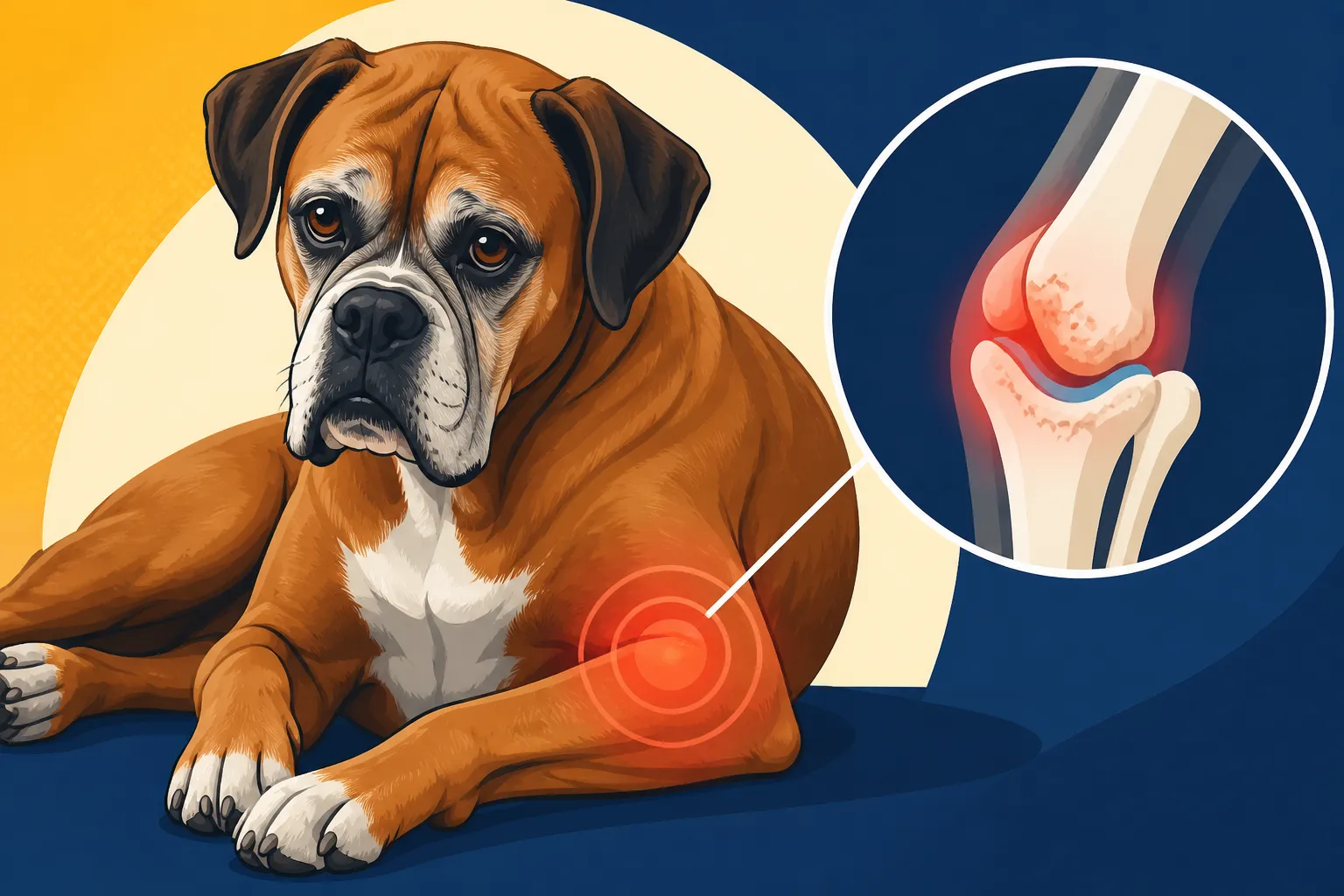
Arthritis in an Older Boxer
It’s heartbreaking to see your once-vibrant, bouncy Boxer start to slow down. One day they're leaping for toys, and the next, they're hesitating before jumping onto the couch or struggling to get up after a nap. This isn’t just "getting old"; for many Boxers, it’s the quiet, often painful onset of arthritis. This guide will walk you through understanding, identifying, and effectively managing arthritis so your beloved senior Boxer can enjoy their golden years with as much comfort and joy as possible.
Understanding Arthritis in Your Senior Boxer
Watching your Boxer, a breed known for its boundless energy and playful nature, begin to move with less enthusiasm or even outright pain, is incredibly tough. It's easy to dismiss early signs as just them "getting old," but often, there's an underlying issue: arthritis.
What Exactly Is Canine Arthritis?
At its core, canine arthritis, or osteoarthritis, is a progressive and degenerative condition affecting the joints. Think of a healthy joint like a well-oiled machine, where bones are capped with smooth cartilage and lubricated by synovial fluid. This allows for effortless movement, like a Boxer's characteristic wiggle or powerful spring.
With arthritis, this delicate balance goes awry. The smooth cartilage begins to wear down, becoming rough and pitted. This loss of cushioning means bone rubs against bone, leading to inflammation, pain, and the formation of osteophytes – bony growths or spurs around the joint. It's a painful cycle of degradation and inflammation that makes every movement a challenge.
Why are Boxers often susceptible? Their athletic build and energetic temperament, while charming, can also contribute to joint wear and tear over a lifetime of enthusiastic play. Furthermore, Boxers, like many larger breeds, can be genetically predisposed to conditions such as hip and elbow dysplasia. These developmental abnormalities, even if mild, can set the stage for early-onset arthritis, worsening significantly as they age. Previous injuries, even seemingly minor ones, can also accelerate the process. Common joints affected include the hips, elbows, knees (stifles), and the spine.
Recognizing the Subtle Signs of Joint Pain
One of the biggest frustrations for Boxer owners is that their dogs are often stoic, trying to hide their pain until it becomes severe. This means we have to be vigilant detectives. It's not always a dramatic limp; sometimes the signs are incredibly subtle.
You might notice your Boxer having difficulty rising, especially after a long rest or in the morning. They might seem stiff and take a few shaky steps before finding their stride. Reluctance to jump onto furniture, climb stairs, or get into the car is a huge red flag. Perhaps they used to greet you at the door with a full-body wiggle, but now they just offer a more subdued tail wag from their bed.
Look for changes in their gait – a shorter stride, a bunny hop, or favouring one leg. They might also become less interested in their favourite walks or playtime, showing decreased stamina. Some Boxers might excessively lick a painful joint, or even become a little irritable or withdrawn when touched in certain areas, which is completely out of character for this usually affectionate breed. These are not just "old dog" behaviours; they are often indicators of underlying pain and discomfort. It’s crucial not to dismiss them, but to investigate.
Diagnosing and Managing Arthritis
Once you suspect arthritis, the next step is to get a proper diagnosis from your veterinarian. This is essential to rule out other conditions and to formulate an effective treatment plan.
How Vets Confirm an Arthritis Diagnosis
When you bring your Boxer to the vet with concerns about joint pain, they’ll start with a thorough physical examination. This usually involves palpating the joints – feeling them for swelling, heat, and pain, and assessing the range of motion. They might gently flex and extend your Boxer’s limbs to pinpoint areas of discomfort and listen for crepitus, a crackling sound that indicates bone-on-bone friction.
The definitive diagnosis often comes with X-rays. Your vet might take radiographs of the suspected joints, which can reveal tell-tale signs of arthritis such as narrowed joint spaces, bone spurs (osteophytes), and changes in bone density. Sometimes, sedation is necessary to get clear, pain-free X-ray images, especially if your Boxer is uncomfortable. While less common for initial arthritis diagnosis, advanced imaging like MRI or CT scans may be used in more complex cases or if other issues, like spinal problems, are suspected. It's important to differentiate these symptoms from other neurological conditions, such as Degenerative Myelopathy in an Older Boxer, which can present with similar mobility issues.
A Multi-Modal Approach to Treatment
The good news is that while arthritis is a progressive condition, it is absolutely manageable. There's no single magic bullet, but a multi-modal approach – combining several strategies – is usually the most effective way to keep your Boxer comfortable and improve their quality of life.
One of the cornerstones of managing arthritis is pain relief through Non-Steroidal Anti-Inflammatory Drugs (NSAIDs). Brands like Carprofen (Rimadyl), Meloxicam (Metacam), and Galliprant are commonly prescribed. These medications work to reduce inflammation and pain, allowing your Boxer to move more comfortably. However, NSAIDs aren't without potential side effects, especially with long-term use, so your vet will likely recommend regular blood tests to monitor liver and kidney function.
Joint supplements are another vital component. Glucosamine, chondroitin, and MSM are popular choices, working to support cartilage health and reduce inflammation. Omega-3 fatty acids, particularly those derived from fish oil, also have powerful anti-inflammatory properties. These aren't quick fixes but can provide cumulative benefits over time.
Weight management is absolutely crucial. Every extra pound your Boxer carries puts additional stress on already compromised joints. Keeping your Boxer lean and muscled can significantly reduce pain and slow the progression of arthritis. This might mean adjusting their diet and carefully monitoring their calorie intake. Our guide on Feeding a Boxer to Stay Lean and Muscled offers excellent advice on this.
Controlled exercise is essential to maintain muscle mass and joint flexibility without causing further damage. Think gentle, leash-led walks on soft surfaces, or even swimming, which is fantastic because it’s non-weight-bearing. Avoid high-impact activities, sudden stops, or long, strenuous hikes.
Physical therapy and rehabilitation can also work wonders. This might include hydrotherapy (underwater treadmill), therapeutic laser treatments, or targeted massage. These therapies help build strength, improve range of motion, and reduce pain. Some owners also explore acupuncture with certified veterinary practitioners, reporting good results for chronic pain management. Your vet might also suggest injectable joint support like Adequan, which can help stimulate cartilage repair and improve joint fluid quality. Regular vet check-ups are key to adjusting these treatments as your Boxer ages, especially as What Changes in a Boxer After Seven can sometimes necessitate new approaches.
| Treatment Modality | Description | Potential Benefits | Considerations |
|---|---|---|---|
| NSAIDs | Oral medications (e.g., Carprofen, Meloxicam) that reduce inflammation. | Fast-acting pain relief, reduced swelling. | Potential side effects (GI upset, kidney/liver issues), requires vet monitoring. |
| Joint Supplements | Oral supplements (e.g., Glucosamine, Chondroitin, Omega-3s). | Support cartilage health, mild anti-inflammatory. | Slow onset of action, variable efficacy, choose reputable brands. |
| Weight Management | Reducing/maintaining ideal body weight through diet and exercise. | Significantly reduces joint stress, improves mobility. | Requires consistent effort, may need dietary changes. |
| Controlled Exercise | Low-impact activities (e.g., swimming, short leash walks). | Maintains muscle, improves flexibility, enhances well-being. | Must avoid overexertion, adapt to Boxer's comfort level. |
| Physical Therapy | Specialized exercises, hydrotherapy, laser therapy, massage. | Builds strength, increases range of motion, reduces pain. | Can be costly, requires commitment to sessions. |
| Acupuncture | Insertion of fine needles at specific points to relieve pain. | Non-pharmacological pain relief, few side effects. | Requires certified practitioner, not universally effective. |
| Injectable Therapies | Adequan (polysulfated glycosaminoglycan) injections. | Supports cartilage, improves joint fluid. | Requires regular vet visits for injections, potential for bruising at injection site. |
Practical Home Care for Your Arthritic Boxer
Managing arthritis isn't just about medication; it's about creating an environment and lifestyle that supports your Boxer's comfort and mobility every single day. These small changes at home can make a monumental difference.
Making Your Home Boxer-Friendly
Think about your Boxer's day-to-day movements. Are there stairs they struggle with? Hard floors where they slip? Creating a "Boxer-friendly" home can significantly reduce their pain and prevent further injury.
Start with bedding. A soft, orthopedic bed that provides ample support is essential. Memory foam or orthopedic beds designed for senior dogs distribute weight evenly, reducing pressure on sore joints. This is particularly vital for breeds prone to conditions like Boxer Hip Dysplasia and Spondylosis. Make sure their bed is easy to get in and out of – no high edges to clamber over.
Consider ramps. If your Boxer loves to ride in the car but can no longer jump in, a portable ramp can save their joints (and your back!). Ramps can also be used for beds or even a few steps inside the house if they have trouble. For slippery hard floors, strategically placed non-slip rugs or runners can provide much-needed traction, giving your Boxer more confidence to move around.
Elevated food and water bowls can also make a huge difference, reducing the strain on your Boxer's neck and front joints while they eat and drink. This small adjustment can lead to more comfortable meal times. Lastly, be mindful of temperature. Boxers, with their short coats, can get cold easily. Keeping them warm, especially in winter or cold, damp environments, can help alleviate joint stiffness. A cozy sweater or dog coat for walks in chilly weather can be beneficial.
Lifestyle Adjustments for Comfort and Happiness
Beyond physical modifications, adjusting your Boxer's daily routine and lifestyle can drastically improve their quality of life. Consistency is key here.
Instead of one long, arduous walk, try breaking it up into shorter, more frequent outings. Two or three short, gentle strolls throughout the day can be less taxing than a single long one. Pay attention to their cues – if they start to lag or show signs of discomfort, it’s time to head home. The goal is to keep them moving, not to push them beyond their limits.
Mental stimulation remains crucial. Even if their body is slowing down, their Boxer brain is still active and eager for engagement. Puzzle toys, scent work games, or even just teaching new, less physically demanding tricks can keep them happy and mentally sharp. These activities are particularly important if their physical exercise is limited.
Gentle massage can also be a wonderful way to provide comfort. Learning a few basic massage techniques can help relax sore muscles around arthritic joints and improve circulation. Warm compresses applied to particularly stiff areas for 10-15 minutes can also offer soothing relief.
It’s important to acknowledge the emotional toll arthritis takes on both dogs and their owners. Seeing your once-playful companion struggle can be heartbreaking. Remember, your patience and understanding are paramount. Shower them with love and reassurance. For long-term conditions like arthritis, the costs can add up. Many owners find that pet insurance, such as Healthy Paws, can be a lifesaver, covering a significant portion of vet bills, specialist visits, and ongoing medication, allowing you to focus on your Boxer's care rather than the financial strain.
Looking Ahead: Prognosis and Quality of Life
Living with an arthritic Boxer means embracing a new normal. It’s about focusing on what you can do to help them, rather than dwelling on what they can no longer do.
Managing Expectations and Embracing the "New Normal"
Arthritis is a progressive disease, meaning it will likely worsen over time. There isn't a cure, but there is immense hope in managing the condition effectively. The prognosis for an arthritic Boxer is generally good with proper management. Your goal is to alleviate pain, maintain as much mobility as possible, and ensure their overall quality of life remains high.
This often means accepting that your Boxer may not be able to play fetch for hours or join you on demanding hikes anymore. Instead, celebrate the joy they still find in gentle walks, car rides, or simply snuggling on the couch. Focus on making their daily life comfortable and happy. It's about adapting and finding new ways to connect and enjoy your time together. There will come a time when you might need to consider options like Hospice Care for a Boxer to ensure their comfort to the very end.
When to Consult a Specialist or Re-evaluate Treatment
While your primary vet is your first and most important resource, there are times when consulting a specialist or re-evaluating the current treatment plan is necessary. If your Boxer's symptoms worsen despite current medications, if they develop new areas of lameness, or if their pain seems unmanaged, it's time for a deeper look.
Your vet might recommend a referral to a veterinary orthopedist, who specializes in bone and joint conditions, or a veterinary rehabilitation specialist, who can offer advanced physical therapy techniques and create a tailored exercise program. These specialists have additional expertise and tools that can offer new avenues for pain relief and mobility.
Open and honest communication with your vet is vital. Don't hesitate to discuss any concerns or changes you observe in your Boxer. They can help adjust medication dosages, explore new therapies, or recommend further diagnostics. Remember, managing a chronic condition like arthritis is a journey, and your Boxer's needs will evolve. Having a pet insurance plan, like the ones offered by Healthy Paws, can provide financial peace of mind, making it easier to pursue specialist consultations or try new, potentially more expensive treatments without undue financial stress. They understand that Keeping a Boxer Insured Past Eight can make a huge difference in affording their care in their senior years.
Disclaimer
This article is intended for informational purposes only and does not constitute medical advice. Always consult with a qualified veterinarian for any health concerns or before making any decisions about your Boxer's medical care.