What Changes in a Boxer After Seven
As your beloved Boxer dog crosses that seven-year threshold, you might start noticing subtle shifts in their daily rhythm and physical capabilities. It's a bittersweet milestone, marking the transition from their vibrant, sometimes boisterous, youth to a more seasoned, gentle maturity. This guide will walk you through the common changes that often come with age in a Boxer, helping you understand what to expect and how to best support your loyal companion through their golden years.
The Subtle Shift in Energy and Enthusiasm
One of the most immediate changes you’ll likely observe in your Boxer after the age of seven is a noticeable downshift in their energy levels. That boundless exuberance, the seemingly endless puppy energy that defined their younger years, begins to mellow. It’s not a sudden switch, but a gradual softening that becomes more apparent over time.
Less Zooming, More Snoozing
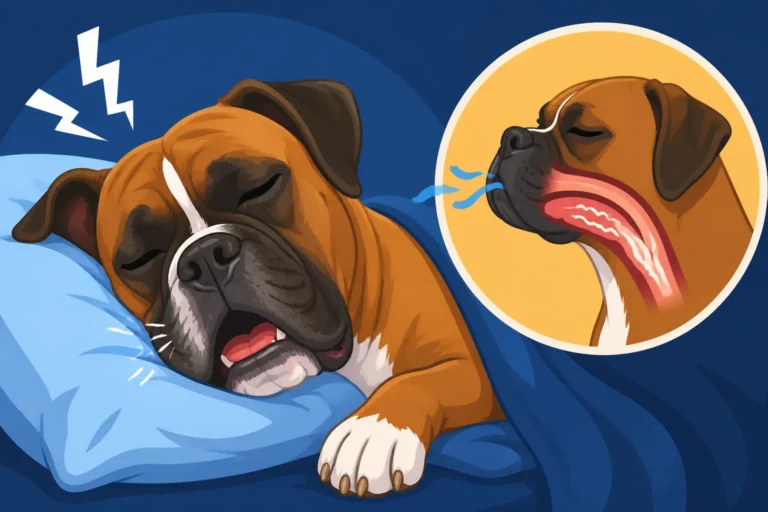
Remember those wild "zoomies" that would erupt seemingly out of nowhere, sending your Boxer careening through the house or yard at top speed? While a senior Boxer might still have an occasional burst of playful energy, they become far less frequent and intense. Instead, you'll find them embracing the quiet life with more enthusiasm. Longer, deeper naps become the norm, and they'll often seek out cozy spots for extended periods of rest. It's not uncommon for an older Boxer to spend much of the day snoozing, conserving their energy for more meaningful interactions or shorter, gentler activities. This change can sometimes catch owners by surprise, especially those accustomed to the relentless demands of a younger Boxer. It might feel like a part of their vibrant personality is fading, but it's often just a natural progression, a sign of their body telling them to slow down and recharge more often.
Changes in Exercise Tolerance
Along with reduced overall energy, an older Boxer's capacity for strenuous exercise will also diminish. That hour-long power walk or intense game of fetch that they once relished might now be too much for them. You might notice them lagging behind on walks, panting more heavily, or appearing stiff afterward. Their recovery time also tends to increase; what once took a quick nap to bounce back from might now require a full day of rest. It’s important to adjust their exercise routine to match their new reality. Instead of one long, high-intensity session, consider several shorter, gentler strolls throughout the day. Paying close attention to the weather is also crucial. Boxers, with their brachycephalic (flat) faces, are already prone to overheating, and this sensitivity only becomes more pronounced with age. A short walk on a hot day can quickly become dangerous. Prioritizing their comfort and avoiding overexertion is key to keeping them happy and healthy during their walks. For deeper insights into managing their activity, you might find information on topics like Exercise After a Boxer ARVC Diagnosis or Whether a Boxer Can Hike All Day helpful, even if your dog doesn't have a specific diagnosis, as they offer guidance on appropriate activity levels for dogs with limitations.
Physical Transformations and Aches
Just like humans, Boxers experience physical changes as they age, some of which are visible, and others that manifest as subtle discomforts. These changes necessitate a more attentive approach to their physical well-being.
Joint Stiffness and Arthritis
One of the most prevalent physical changes in Boxers after seven is the onset of joint stiffness and arthritis. Years of powerful, athletic movement take their toll, and the cartilage cushioning their joints begins to wear down. You might notice your Boxer struggling to get up after lying down, showing reluctance to jump onto the couch or into the car, or even moving with a slight limp, especially after a period of rest or on colder days. Conditions like hip dysplasia and spondylosis, while often having genetic components, can become more symptomatic with age. It's a heartbreaking sight to see your once-agile dog move with difficulty, and it often requires adjustments in their living environment and a conversation with your vet about pain management options. Anti-inflammatory medications, joint supplements containing glucosamine and chondroitin, and even therapeutic laser treatments can make a significant difference in their quality of life. Understanding topics such as Arthritis in an Older Boxer can provide more detailed information on managing these conditions.
Coat, Skin, and Sensory Changes
As Boxers age, their once sleek, shiny coat might become a bit duller, coarser, or even thinner in places. You might also notice more gray hairs, especially around their muzzle, eyes, and paws – those tell-tale signs of wisdom. More significantly, you'll likely start discovering various lumps and bumps under their skin. While many of these are harmless fatty tumors (lipomas), Boxers are unfortunately highly predisposed to certain cancers, making vigilant weekly lump checks an absolute must. Knowing The Lumps a Boxer Owner Has to Check For and how to differentiate between types of growths is vital.
Beyond skin and coat, their senses can also start to decline. Their eyesight might dim, making them less confident in dimly lit areas or when navigating unfamiliar surroundings. You might notice them bumping into things or becoming startled more easily if they don't see you approach. Similarly, their hearing can deteriorate, sometimes leading to them ignoring commands they once knew perfectly, or failing to respond to sounds that would have previously piqued their interest. These sensory changes require patience and adaptation on your part, such as clearer verbal cues, hand signals, or avoiding rearranging furniture too drastically.
Dietary Needs and Digestive Sensitivities
An aging Boxer's metabolism is simply not the same as their younger self. Just like humans, their caloric needs typically decrease, and their digestive system can become more finicky.
Weight Management Challenges
The shift in energy levels naturally means an older Boxer is burning fewer calories. If their diet isn't adjusted accordingly, weight gain can become a significant issue. Carrying extra weight puts additional strain on their already aging joints and can exacerbate other health conditions, including heart problems. It's crucial to regularly assess your Boxer's body condition – you should be able to easily feel their ribs without seeing them protruding, and they should have a discernible waist when viewed from above. Many vets recommend reducing the daily calorie intake by 10-20% for senior dogs. This often means switching to a high-quality senior dog food formula that is lower in calories and fat but still provides essential nutrients for aging bodies. For specific guidance on their nutritional intake, exploring topics like Daily Calories for a Seventy-Pound Boxer or Feeding an Old Boxer Less can be highly beneficial.
Increased Gut Sensitivity
What your Boxer happily ate without issue for years might suddenly start causing digestive upset as they age. Their digestive system can become more sensitive, leading to issues like gas, bloating, loose stools, or even vomiting. This could be due to changes in gut flora, reduced efficiency of digestive enzymes, or simply a lower tolerance for certain ingredients. You might find yourself needing to experiment with different food brands or formulations, sometimes opting for novel protein diets or those specifically designed for sensitive stomachs. Adding probiotics or digestive enzymes, as recommended by your vet, can also be helpful. Issues like Boxer Colitis and the Young Dogs It Hits can sometimes persist or reappear in older Boxers, requiring careful dietary management and veterinary oversight. Providing smaller, more frequent meals can also aid digestion and reduce the risk of bloat, a serious concern for Boxers at any age.
Heightened Health Risks and Monitoring
While Boxers are prone to certain health issues throughout their lives, the risk of serious conditions significantly increases once they reach senior status. This makes regular veterinary check-ups and proactive monitoring absolutely essential.
Cancer Becomes a Greater Concern
It's a harsh reality for Boxer owners: cancer is unfortunately a leading cause of death in the breed, and the risk escalates dramatically with age. After seven, every lump, bump, or unexplained symptom warrants immediate veterinary attention. Common cancers in older Boxers include mast cell tumors, lymphoma, osteosarcoma, and hemangiosarcoma. Regularly checking your Boxer's body for new growths, changes in existing ones, or any unusual swelling is paramount. A good habit is to perform Weekly Lump Checks on a Boxer while grooming or petting them. Early detection is often the best defense, offering the widest range of treatment options and the best possible prognosis. These treatments, which can include surgery, chemotherapy, and radiation, come with significant financial implications. This is where having pet insurance, such as a plan from Healthy Paws, can be an absolute lifesaver. It can help alleviate the crushing financial burden, allowing you to make medical decisions based on what’s best for your dog, rather than your wallet. Understanding The Age Boxer Cancer Usually Appears can help set realistic expectations for vigilance.
Heart Health and ARVC Monitoring
Another serious concern for Boxers, especially as they age, is Boxer Cardiomyopathy, also known as Arrhythmogenic Right Ventricular Cardiomyopathy (ARVC). While this condition can affect Boxers at any age, its symptoms can become more pronounced and life-threatening in their senior years. Regular heart screenings, including an annual Holter monitor test, are crucial. A Holter monitor is a portable ECG device that your Boxer wears for 24 hours, recording their heart's electrical activity and detecting any arrhythmias. This test helps your vet assess the severity of ARVC and determine if medication is needed. Even if your Boxer has tested clear for the genetic markers, they can still develop the condition. Therefore, continued monitoring, especially after the age of three and certainly past seven, is non-negotiable for any Boxer owner. Discussions about Boxer Cardiomyopathy and the Holter Monitor emphasize the importance of this screening. Early diagnosis and management with medications like Sotalol or Mexiletine can significantly improve their quality of life and lifespan. Again, the ongoing costs of cardiology appointments, medications, and Holter rentals can be substantial, making pet insurance like Healthy Paws a valuable investment for their senior care. A proactive approach to monitoring and management is critical to helping your Boxer live their best life, even with a chronic condition like ARVC. For a detailed look at the disease, consider reading What Boxer ARVC Actually Does to the Heart.
Behavioral Nuances and Cognitive Shifts
Aging doesn't just affect a Boxer's body; it can also bring about changes in their behavior and cognitive function. These shifts can sometimes be subtle, but they are important to recognize and address with understanding and patience.
Changes in Sleep-Wake Cycles
One common behavioral change in older Boxers is an alteration in their sleep-wake patterns. While they might sleep more during the day, you could find them becoming restless at night. This might manifest as pacing, whining, or barking in the wee hours, seemingly disoriented or unable to settle. It's almost like their internal clock gets a bit mixed up. This nighttime restlessness can be frustrating for owners, impacting their own sleep, but it's important to remember it's often not intentional misbehavior. It could be a sign of discomfort, needing more frequent potty breaks, or even an early indicator of canine cognitive dysfunction. Ensuring they have a comfortable, accessible sleeping area, and perhaps a final potty break right before bed, can sometimes help. If the problem persists, consulting your veterinarian is always the best course of action to rule out underlying medical issues or to discuss potential calming supplements or medications.
Potential for Cognitive Decline
Just like humans, dogs can experience cognitive decline as they age, a condition often referred to as Canine Cognitive Dysfunction (CCD) or "doggy dementia." After seven, some Boxers may start to show signs, which can include disorientation (getting lost in familiar surroundings, staring blankly at walls), changes in interaction with family members (less affectionate, more irritable, or even withdrawn), changes in sleep-wake cycles (as mentioned above), and house-soiling accidents in previously house-trained dogs. They might forget commands, appear confused by routines, or seem to lose their sense of purpose. While there's no cure for CCD, early recognition can help manage symptoms and improve your dog's quality of life. Your vet might suggest dietary changes, supplements rich in antioxidants and omega-3 fatty acids, or even specific medications designed to improve brain function. Maintaining a consistent routine, providing mental stimulation through puzzle toys, and offering plenty of gentle affection are also invaluable in supporting a Boxer with cognitive changes.
Adapting Your Home and Routine
As your Boxer enters their senior years, making thoughtful adjustments to their living environment and daily routine can significantly enhance their comfort, safety, and overall well-being.
Creating a Comfortable Environment
Their once springy joints might now ache, and their agility isn't what it used to be. This means it’s time to start thinking about how your home can better accommodate their changing needs. Investing in an orthopedic dog bed is often one of the first and most impactful steps. These beds provide superior support for arthritic joints and make rising much easier. Consider adding ramps or steps to help them access their favorite couch or bed, reducing the strain of jumping. If you have slippery floors, strategically placed rugs or runners can provide better traction, preventing slips and falls that could lead to injury. For Boxers with reduced vision, keeping furniture in consistent locations can help them navigate familiar spaces with confidence. Think about where your Boxer spends most of their time and how you can make those spots as comfortable and accessible as possible. For insights into comfortable living arrangements, exploring topics like Bedding for an Old Boxer's Joints can offer practical advice.
Adjusting Routines and Expectations
Patience and flexibility become even more important as your Boxer ages. Their routine might need several adjustments to keep them comfortable and happy. Shorter, more frequent potty breaks are often necessary, as their bladder control may not be as robust. Their exercise regimen will need to evolve, focusing on gentle walks and mental stimulation rather than strenuous physical activity. While training might seem like a young dog’s game, senior Boxers still benefit from mental enrichment. Simple puzzle toys, scent games, or reviewing basic commands with positive reinforcement can keep their minds sharp without stressing their bodies.
It's also important to adjust your expectations. They might not greet you with the same frantic enthusiasm, or they might take longer to respond to commands. Their patience might wear thinner, so providing them with quiet spaces away from household commotion can be beneficial. Embrace their slower pace and cherish the quiet moments. This period is about quality of life, comfort, and continuing to nurture the incredible bond you share. Remember, a Boxer's senior years can still be filled with joy and companionship, provided they receive the understanding and care they deserve.
Common Age-Related Changes in Boxers and Adaptations
| Category | Common Changes After Seven | Suggested Adaptations |
|---|---|---|
| Energy & Activity | Reduced energy, increased napping, slower pace, decreased exercise tolerance. | Shorter, more frequent walks; avoid strenuous activity; careful monitoring in heat. |
| Physical Health | Joint stiffness, arthritis, duller coat, skin lumps, vision/hearing decline. | Orthopedic beds, ramps, joint supplements, regular vet checks, weekly lump checks. |
| Diet & Digestion | Slower metabolism, weight gain, increased gut sensitivity, picky eating. | Senior dog food, calorie adjustment, smaller frequent meals, probiotics, special diets. |
| Medical Risks | Higher risk of cancer, progression of heart conditions (ARVC). | Bi-annual vet check-ups, annual Holter monitor, vigilant lump checks, pet insurance. |
| Behavior & Cognition | Altered sleep cycles, nighttime restlessness, potential cognitive decline. | Consistent routine, mental stimulation, comfortable sleep area, vet consultation for CCD. |
| Home Life | Difficulty with stairs/slippery floors, less tolerance for noise/chaos. | Non-slip rugs, gates for stairs, quiet retreat space, gentle interaction. |
Disclaimer
The information provided in this guide is for general informational purposes only and is not a substitute for professional veterinary advice. Always consult with a qualified veterinarian regarding any health concerns or before making any changes to your Boxer's diet, exercise, or medical care.