Emergency Bloat Surgery on a Boxer
The moment you see your beloved Boxer pacing restlessly, making unproductive attempts to vomit, or their belly suddenly appears swollen and hard, your heart plunges. This isn't just an upset stomach; it's potentially gastric dilatation and volvulus (GDV), more commonly known as bloat, a terrifying and rapidly fatal condition that demands immediate, emergency veterinary intervention. This guide will walk you through everything you need to know about bloat surgery for Boxers, from understanding the condition to the critical post-operative care and the financial realities involved.
Understanding Gastric Dilatation and Volvulus GDV in Boxers
Bloat is a terrifying, life-threatening condition that can strike any deep-chested dog breed, but Boxers are, unfortunately, among those particularly susceptible. It happens with alarming speed and can turn a perfectly healthy dog into a critical patient in a matter of hours, sometimes even minutes. Understanding what's happening inside your Boxer when bloat strikes is the first step in being prepared to act.
The Anatomy and Physiology of Bloat
At its core, GDV involves two main components: dilatation and volvulus. Dilatation means the stomach fills rapidly with gas, fluid, or food, expanding like an overinflated balloon. This expansion puts immense pressure on surrounding organs, the diaphragm, and major blood vessels. The second, and often more dangerous, component is volvulus. This refers to the stomach twisting on its axis, effectively pinching off both the entrance (esophagus) and exit (duodenum). Once twisted, nothing can get in or out, and the gas continues to build, creating a vicious cycle of distension.
Imagine your Boxer's stomach as a heavy sack hanging by ropes in its abdominal cavity. When it dilates and twists, those "ropes" (ligaments and connective tissues) get stretched and the blood supply to the stomach wall can be cut off. This lack of blood flow, or ischemia, leads to tissue death, and the stomach lining starts to slough off. Additionally, the enlarged stomach presses on the vena cava, a major vein that returns blood to the heart, leading to a dangerous drop in blood pressure and potentially pushing the dog into shock. The spleen, which often sits near the stomach, can also get twisted along with it, leading to further complications and internal bleeding. It's a cascading failure within the body that requires immediate intervention to reverse.
Causes and Risk Factors for Boxers
While the exact cause of bloat isn't fully understood, a combination of factors increases a Boxer's risk. Their deep, narrow chest conformation is a significant anatomical predisposition; it essentially gives the stomach more room to swing and twist. Beyond genetics, several other elements play a role. Eating one large meal a day, especially quickly, can be a trigger, as can exercising vigorously immediately before or after eating. Stress and anxiety are also thought to contribute, though the mechanism isn't fully clear.
Studies suggest that dogs fed from elevated bowls might have a slightly increased risk, contrary to older beliefs that they were protective. Genetics certainly play a part, so if a Boxer's parents or siblings have suffered from bloat, your dog's risk could be higher. Age also matters, with older Boxers generally being more susceptible, though it can strike at any age. Eating fermentable foods, gulping air while eating or drinking, and a history of digestive issues can all tip the scales. It’s a complex puzzle, and often, it's a perfect storm of several factors coming together. For more insights into how their unique build contributes, you might want to read about Why a Boxer's Chest Shape Invites Bloat.
Recognizing the Early Warning Signs of Bloat
The terrifying truth about bloat is that its progression can be incredibly rapid. One minute your Boxer might be totally fine, and the next, they're in distress. Being able to spot the subtle, and then not-so-subtle, signs is crucial. Every second counts, and your ability to recognize these symptoms is your Boxer's best chance.
Physical Symptoms to Watch For
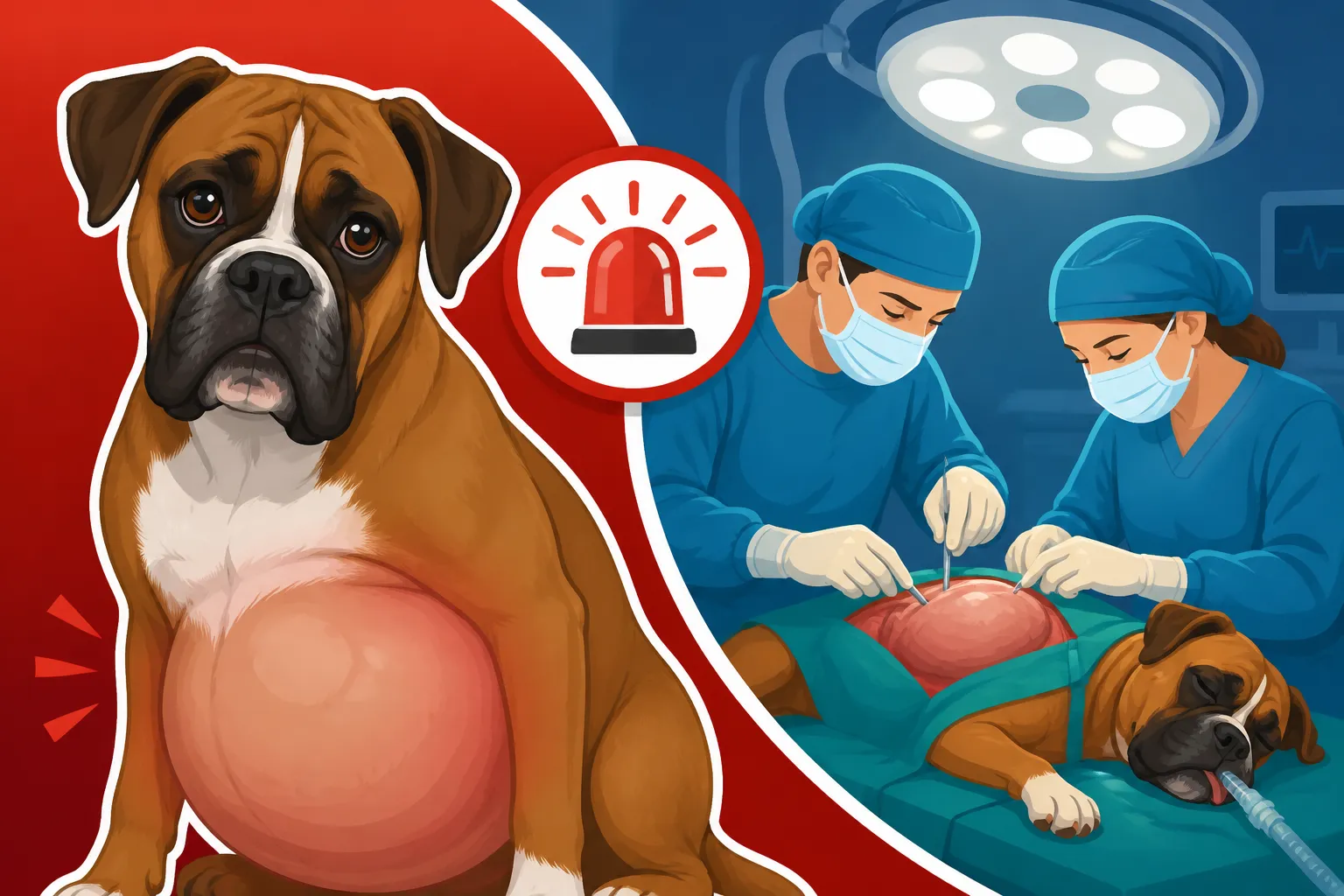
The most classic and alarming physical symptom is unproductive retching or dry heaving. Your Boxer will appear to be trying to vomit, often gagging and straining, but nothing (or very little foamy saliva) comes up. This is because the twisted stomach prevents anything from passing. Accompanying this is often a noticeable distension or swelling of the abdomen, especially on the left side, which may feel taut like a drum. However, depending on the dog's build and the severity of the twist, this swelling might not be immediately obvious, particularly in the early stages or if your Boxer has a thick coat.
Beyond the visible signs, your Boxer might exhibit excessive drooling due to nausea and discomfort. They may also show signs of pain, such as whimpering or grunting when their abdomen is touched. You might notice pale gums, a sign of reduced blood flow and shock, or rapid, shallow breathing as the enlarged stomach presses on the diaphragm, making it hard to take a deep breath. A weak or rapid pulse, combined with restlessness, are also critical indicators. Never dismiss these symptoms as just an upset tummy; when it comes to Boxers, bloat should always be your immediate concern.
Behavioral Changes Indicating Distress
Beyond the physical, your Boxer’s behavior will dramatically change. One of the earliest signs is restlessness and anxiety. They might pace constantly, unable to settle, or stand with a hunched back, indicating abdominal pain. They may stretch frequently, trying to alleviate discomfort, or constantly look at their side or belly. Your usually playful and affectionate Boxer might become withdrawn, wanting to be left alone, or conversely, clingy and seeking reassurance.
As the condition worsens, they may become visibly weak, staggering, or collapsing. They might refuse to move or lie down, preferring to stand or sit in an unusual, rigid posture. Trembling, whining, or groaning are also common signs of severe pain and distress. Don't wait for all these signs to appear. If your Boxer is attempting to vomit without success, even once, and seems uncomfortable, it's time to head to the emergency vet immediately. It's always better to be safe than sorry; a false alarm means peace of mind, while waiting too long can be fatal. For a more comprehensive list of things to watch out for, you might find Bloat Signs Every Boxer Owner Should Know helpful.
The Race Against Time Emergency Veterinary Care
Once you suspect bloat, the clock starts ticking. This is not a "wait and see" situation. Every minute that passes increases the risk of irreversible damage to the stomach and other organs, and significantly decreases your Boxer's chances of survival. Getting to an emergency veterinary clinic as fast as humanly possible is the single most important thing you can do.
Initial Assessment and Stabilization
Upon arrival at the emergency vet, the team will spring into action. There's no time for lengthy paperwork; they understand the urgency. Your Boxer will be immediately evaluated by a veterinarian or veterinary technician who will assess their vital signs: heart rate, respiratory rate, temperature, and gum color. They'll also feel the abdomen to confirm the distension and tenderness. The primary goals at this stage are to stabilize your dog and relieve the pressure in the stomach.
Intravenous (IV) fluids will be started right away to combat shock and improve blood pressure, which is often dangerously low due to the compressed vena cava. Pain medication will also be administered to make your Boxer more comfortable and to help manage the physiological stress. In some cases, if the dog is severely unstable, initial efforts might focus entirely on stabilizing their condition before attempting decompression. The team might need to insert a catheter to drain urine, ensuring kidney function is maintained as they work to restore circulation. This initial stabilization phase is critical, laying the groundwork for more invasive procedures.
Diagnostic Tests and Decompression
Once stabilized, the vet will confirm the diagnosis of GDV, usually with an X-ray of the abdomen. A specific X-ray finding, often described as a "double bubble" or "Popeye arm" appearance, confirms the stomach has twisted. This confirms the need for emergency surgery. While preparing for surgery, the veterinary team will often attempt to decompress the stomach. This involves passing a flexible tube, called an orogastric tube, down your Boxer's esophagus and into the stomach to release the trapped gas and fluids. This can be challenging if the stomach is severely twisted, and may require sedation.
If the tube cannot be passed, a trocharization might be performed. This is a procedure where a large-bore needle or catheter is carefully inserted through the abdominal wall directly into the stomach to release gas. While this provides temporary relief and buys more time, it's not a solution on its own and carries risks, including potential leakage of stomach contents into the abdomen. Both methods are aimed at making your Boxer more comfortable and improving their condition enough to withstand anesthesia and surgery. Blood tests will also be run to check for electrolyte imbalances, organ damage, and signs of infection, giving the surgical team a clearer picture of your Boxer's overall health and prognosis. This rapid series of diagnostics and interventions is a testament to the life-saving urgency of treating bloat.
The Surgical Procedure
Bloat surgery is a complex and often lengthy procedure, but it's the only definitive treatment for GDV. The goal isn't just to untwist the stomach but to assess for damage and prevent a recurrence. When your Boxer goes into surgery, a highly skilled team will be working tirelessly to save their life.
Repositioning the Stomach and Assessing Damage
Once your Boxer is under general anesthesia, the surgical team will make an incision in the abdomen. The first step for the surgeon is to carefully untwist the stomach (derotation). This often involves manipulating the stomach back into its correct anatomical position. It's a delicate process, as the stomach can be very fragile due to stretching and lack of blood flow. After the stomach is untwisted, the surgeon will meticulously examine the stomach wall to assess any damage. This is a critical step, as areas of the stomach that have been starved of blood (ischemic) can become necrotic, meaning the tissue has died.
Identifying and removing dead tissue is paramount because necrotic tissue cannot function and can rupture, leading to peritonitis (a severe abdominal infection) and sepsis. If there are severely damaged areas, a partial gastrectomy (removal of part of the stomach) might be necessary. The surgeon will also examine the spleen, as it often twists along with the stomach, and may need to be untwisted or, in severe cases of damage or torsion, removed (splenectomy). This part of the surgery is truly a moment-by-moment assessment, with the surgeon making critical decisions based on what they find.
Gastropexy: Preventing Future Bloat
After the stomach is repositioned and any damaged tissue is addressed, the surgeon will perform a gastropexy. This is a preventative measure where the stomach is surgically attached to the abdominal wall. The aim of this procedure is to permanently secure the stomach in place, preventing it from twisting again in the future. While a gastropexy doesn't prevent the stomach from dilating (filling with gas), it dramatically reduces the risk of the far more dangerous volvulus (twisting).
There are several techniques for performing a gastropexy, including incisional, circumcostal, and laparoscopic methods. The most common is the incisional gastropexy, where a section of the stomach wall is sutured to a section of the abdominal wall. This creates a permanent adhesion as it heals. This step is incredibly important because Boxers who survive one episode of bloat have a very high chance of experiencing it again if a gastropexy isn't performed. While it adds to the surgical time and complexity, it's a vital part of the emergency surgery to safeguard your Boxer's future. It's a procedure that some owners even elect to have done preventatively, particularly if their Boxer is already undergoing another abdominal surgery like a spay or neuter. You can learn more about this in Tacking a Boxer's Stomach During the Spay.
Post-Operative Care and Recovery
Surviving the surgery is a huge hurdle, but the journey to full recovery is far from over. The post-operative period is incredibly critical, demanding vigilant monitoring and dedicated care to prevent complications and ensure a smooth healing process.
Hospital Stay and Initial Monitoring
Immediately following surgery, your Boxer will be moved to the intensive care unit (ICU) for close monitoring. This is where the real work of recovery begins, and it's a phase fraught with potential complications. The veterinary team will continuously monitor vital signs, including heart rate, blood pressure, and respiratory rate, looking for any signs of arrhythmia, which is a common and serious complication after bloat surgery. They’ll also monitor for signs of internal bleeding, infection, and pain. Your Boxer will remain on IV fluids to maintain hydration and electrolyte balance, and pain medication will be continued to ensure comfort.
Feeding will typically be withheld for 12-24 hours to allow the stomach to rest and heal. When feeding resumes, it will be in small, frequent amounts of easily digestible food. They’ll also monitor urine output and bowel movements. The first 48-72 hours post-surgery are the most critical, as the risk of complications like stomach tissue necrosis, reperfusion injury (damage caused when blood flow returns to previously deprived tissue), and arrhythmias is highest. Your Boxer will likely be hospitalized for several days, depending on their individual recovery progress and any complications that arise. This intensive care is expensive but absolutely essential for a successful outcome.
Home Care and Rehabilitation
Once your Boxer is stable enough to come home, you'll be given detailed instructions for their care, which must be followed meticulously. This will include administering prescribed medications, typically antibiotics to prevent infection, pain relievers, and sometimes stomach protectants or anti-nausea drugs. Rest is paramount; your Boxer will need restricted activity for several weeks to allow the surgical incision and the gastropexy site to heal properly. This means no jumping, running, or strenuous play. Leash walks for bathroom breaks will be the extent of their exercise.
The incision site will need to be checked daily for any signs of redness, swelling, discharge, or opening. An Elizabethan collar (cone) will likely be necessary to prevent your Boxer from licking or chewing at their sutures. Dietary management is also key. Your vet will recommend a specific feeding plan, usually small, frequent meals of a bland, easily digestible diet for a period. This might involve feeding 3-4 times a day instead of one or two large meals. You may also be advised to use slow-feeder bowls or puzzle feeders to prevent rapid ingestion of food. Consistency and patience are vital during this recovery period; it can be frustrating to restrict an energetic Boxer, but it’s crucial for their long-term health. Products from brands like Chewy can be helpful for finding specialized slow feeders or recovery collars to make this process easier.
The Financial Reality of Bloat Surgery
Let's be blunt: emergency bloat surgery is incredibly expensive. This isn't a procedure you can put off or shop around for once your Boxer is in crisis. The costs reflect the urgency, the specialized equipment, the highly trained staff, and the intensive post-operative care required. Understanding these costs beforehand, or at least having a plan, can help alleviate some of the stress during an already terrifying time.
Initial Emergency and Surgical Costs
The moment you walk through the emergency vet's door with a suspected bloat case, the charges begin to accrue rapidly. The initial stabilization, diagnostic X-rays, blood work, IV fluids, pain medications, and attempts at decompression can easily run into several hundred to over a thousand dollars even before surgery begins. These are all immediate, life-saving interventions that cannot wait. The actual surgery itself—the derotation of the stomach, assessment for necrosis, removal of any compromised tissue, and the gastropexy—is typically the largest component of the bill.
Depending on where you live, the size of your Boxer, the complexity of the case (e.g., if part of the stomach needs to be removed, or the spleen is also affected), and the specific veterinary facility, the surgical fee alone can range from $3,000 to $7,000 or even higher. This cost includes the surgical team's time, anesthesia, surgical supplies, and potentially an overnight stay in the ICU. When considering Emergency Vet Fees for a Boxer at Midnight, bloat surgery is often at the very top of the scale due to its complexity and critical nature.
Post-Operative Care and Follow-Up Expenses
The costs don't end when the surgery is complete. The intensive post-operative care is crucial for survival and can add significantly to the overall bill. Your Boxer will typically spend several days in the hospital's ICU, where they receive continuous monitoring, IV fluids, multiple medications (pain relief, antibiotics, anti-arrhythmics), and nursing care. Each day in the ICU, with its specialized equipment and staffing, can cost hundreds of dollars. Arrhythmias are a common and serious complication, and treating them can involve additional medications and monitoring that drive up costs.
Once your Boxer comes home, there will be follow-up appointments, including recheck exams and suture removal. Prescribed medications for home care will also be an ongoing expense. Physical rehabilitation might even be recommended in some cases, although less common for bloat. All these add up, pushing the total cost for a bloat episode easily into the $5,000 to $10,000+ range. For many families, this unforeseen expense can be a significant financial burden, which is why preparing for such emergencies is so important.
| Cost Category | Estimated Range (USD) | Notes |
|---|---|---|
| Emergency Exam & Stabilization | $300 – $800 | Includes initial assessment, IV catheter, fluids, basic pain meds |
| Diagnostic X-rays | $200 – $500 | To confirm GDV and rule out other issues |
| Bloodwork | $200 – $600 | Full panel to assess organ function, electrolytes, and clotting ability |
| Surgical Procedure (GDV + Gastropexy) | $3,000 – $7,000+ | Anesthesia, surgeon's fees, surgical supplies, facility fees |
| Gastrectomy/Splenectomy (if needed) | Add $1,000 – $3,000+ | Cost for removing damaged stomach tissue or spleen, if complicated |
| Post-operative ICU/Hospitalization | $500 – $1,500 per day | Includes continuous monitoring, IV fluids, medication administration, nursing care |
| Medications (Hospital) | $200 – $800 | Pain management, antibiotics, anti-arrhythmics, etc. |
| Take-home Medications | $100 – $300 | Antibiotics, pain relievers, stomach protectants for several weeks |
| Follow-up Appointments | $50 – $150 per visit | Recheck exams, suture removal |
| Total Estimated Cost | $5,000 – $10,000+ | Can vary significantly based on location, vet, and complexity of case |
Pet Insurance and Financial Planning
Given the astronomical costs associated with bloat surgery, pet insurance can be an absolute lifesaver. Enrolling your Boxer in a comprehensive pet insurance plan, like those offered by Healthy Paws, when they are young and healthy, before any pre-existing conditions (including bloat itself or any signs that could be considered precursors) arise, is one of the smartest financial decisions you can make. Most policies will cover a significant percentage (often 80-90%) of emergency veterinary bills, including surgery, hospitalization, and medications for accidents and illnesses like bloat.
However, it's crucial to understand policy details, waiting periods, and what constitutes a "pre-existing condition." If your Boxer has had any gastrointestinal issues or a previous bloat scare before you enroll them, that condition might be excluded from coverage. This highlights the importance of getting coverage early. Beyond insurance, other financial strategies include setting up a dedicated savings fund specifically for veterinary emergencies, or looking into veterinary financing options like CareCredit, which offers deferred interest plans. While it's uncomfortable to think about, preparing for potential health crises like bloat is a responsible part of Boxer ownership. Learning whether Pet Insurance Pays Off for a Boxer can provide more detail on these considerations.
Preventative Measures and Gastropexy
While bloat can be unpredictable, there are certainly steps Boxer owners can take to reduce the risk. Some measures are simple lifestyle adjustments, while others involve a significant medical decision.
Dietary and Lifestyle Management
One of the most effective ways to reduce bloat risk is through careful management of your Boxer's diet and eating habits. Instead of feeding one large meal a day, break their daily food ration into two or three smaller meals. This helps prevent the stomach from becoming overly full at one time. Use a slow-feeder bowl, a puzzle feeder, or even scatter their kibble on a clean floor or snuffle mat to encourage slower eating. This helps reduce the amount of air they gulp down with their food, which can contribute to gas buildup.
Avoid vigorous exercise for at least an hour before and two hours after meals. This means no running, jumping, or intense play immediately around feeding times. A gentle walk to relieve themselves is fine, but anything more should wait. Ensure your Boxer always has access to fresh water, but discourage rapid, excessive drinking, especially after exercise. Some owners even add a little water to their Boxer's kibble to reduce air intake and encourage slower consumption. Minimizing stress, using a consistent feeding schedule, and choosing a high-quality, easily digestible food can also contribute to a healthier gut and potentially lower risk. For Boxers with sensitive stomachs, specialized diets, like those offered by Chewy or Ollie, could be beneficial under veterinary guidance.
Elective Gastropexy
For Boxers in high-risk categories, such as those with a history of bloat (who have an extremely high recurrence rate without it) or even as a preventative measure for healthy, deep-chested Boxers, an elective gastropexy is a strong consideration. This is the same procedure performed during emergency bloat surgery, where the stomach is surgically tacked to the abdominal wall to prevent it from twisting.
Many owners choose to have a prophylactic gastropexy performed when their Boxer is already undergoing another abdominal surgery, such as a spay or neuter. This allows the procedure to be done at a lower cost and with only one recovery period. The procedure can also be performed laparoscopically, which is a minimally invasive technique that involves smaller incisions, less pain, and a quicker recovery time, though it is often more expensive than an open surgery. Discussing this option with your veterinarian is essential to weigh the benefits against the risks and costs. While it doesn't prevent gas buildup in the stomach (dilatation), it dramatically reduces the chance of the fatal twisting (volvulus). This proactive step can provide immense peace of mind for owners of high-risk Boxers. Deciding Whether Preventive Bloat Surgery Suits a Boxer is a serious discussion to have with your vet.
Life After Bloat Long-Term Outlook and Management
If your Boxer has undergone emergency bloat surgery, you've both been through a harrowing experience. While the immediate danger has passed, life after bloat requires ongoing vigilance and commitment to management to ensure a long, healthy future.
Dietary and Exercise Adjustments for Life
Even with a gastropexy, continuing the dietary and lifestyle adjustments mentioned earlier is crucial. Your Boxer should always be fed smaller, more frequent meals, ideally two or three times a day, rather than one large one. Using slow-feeder bowls is a permanent fixture in their routine. Your veterinarian may recommend a specific diet, perhaps one that is highly digestible or formulated for sensitive stomachs, especially during the initial recovery period and sometimes long-term. Avoiding foods that cause excessive gas production in your individual Boxer can also be beneficial. Some owners find that certain ingredients, like soy or particular grains, lead to more gas in their Boxers and will adjust accordingly.
Exercise will need to be carefully monitored. The rule of no vigorous activity around meal times (at least one hour before and two hours after) should be adhered to religiously for the rest of their lives. While a gastropexy prevents the twist, a stomach that is filled with gas and food, and then jostled vigorously, can still cause discomfort or stress on the gastropexy site. Most Boxers who recover well from bloat surgery can return to a relatively normal, active life, but these modifications become a permanent part of their routine. They can still enjoy walks, fetch, and playtime, but timing and moderation are key. For example, if you're taking a long hike, ensure a few hours pass between eating and hitting the trails. This becomes second nature for most Boxer owners after a while.
Monitoring for Complications and Emotional Toll
Even with a successful gastropexy, it's important to understand that no surgery is 100% foolproof, and complications can still arise, albeit rarely. Owners should remain vigilant for any signs of discomfort, changes in appetite, or unusual behavior that could indicate an issue with the gastropexy site or other digestive problems. Regular veterinary check-ups are important to monitor overall health and address any emerging concerns. The emotional toll of a bloat episode can be significant for owners. Witnessing your beloved Boxer in such distress and facing such a high-stakes emergency is traumatizing. Many owners experience anxiety long after their dog has recovered, constantly watching for signs of recurrence or other issues.
It's okay to feel this way. Connecting with other Boxer owners or pet support groups can provide a valuable outlet for these feelings. Knowing you did everything you could, and that your Boxer is now safe and sound, is the ultimate reward. While the physical scars heal, the experience leaves a mark on the human heart, reminding us of the fragility of our pets' lives and the depth of our bond. You've walked through fire with your Boxer, and now you can focus on cherishing every moment. Remember, while the risk of recurrence is dramatically lowered by gastropexy, staying informed and attentive to your Boxer's health is a lifelong commitment. For ongoing wellness tips, you might consult resources like Ollie for personalized meal plans designed to support digestive health.
Disclaimer
This article is intended for informational purposes only and does not constitute veterinary advice. If you suspect your Boxer is experiencing bloat or any other medical emergency, seek immediate veterinary attention. Always consult with a qualified veterinarian for diagnosis and treatment of any medical condition or before making any decisions related to your pet's health.