Boxers Against the Other Working Breeds
It's a common dilemma for anyone considering bringing a large, athletic, and intelligent dog into their home: you know you want a true companion, a dog with presence and purpose, but the sheer variety within the "working group" can be overwhelming. Each breed was developed for a specific job, and understanding those nuances is key to finding the right fit for your family. This guide will help you navigate the rich tapestry of working breeds, spotlighting the beloved Boxer and comparing its unique traits to those of other formidable contenders in this fascinating group.
The Working Group: Where Boxers Stand
When you delve into the world of dog breeds, the American Kennel Club (AKC) Working Group is a fascinating category. These aren't just big dogs; they are breeds historically bred to perform specific tasks. Think about it: guarding property, pulling sleds, performing water rescues, or working alongside humans in demanding roles. These are dogs with strength, stamina, and often, a strong will. They were designed to do things, and that inherent drive is something every potential owner needs to understand.
Defining a Working Breed
What truly defines a working breed isn't just size, though many are quite substantial. It's about purpose. These dogs possess the physical and mental attributes necessary for their original jobs. This often means they are robust, intelligent, and confident, with a strong sense of loyalty. Their ancestry is rooted in utility, whether that was protecting livestock, herding, or providing powerful assistance in various human endeavors. Because of this history, they typically thrive when given a job to do, even if that job is "family guardian" or "agility competitor" in modern times. Simply put, they're not content to just be couch potatoes; they need engagement.
The Boxer's Place in the Group
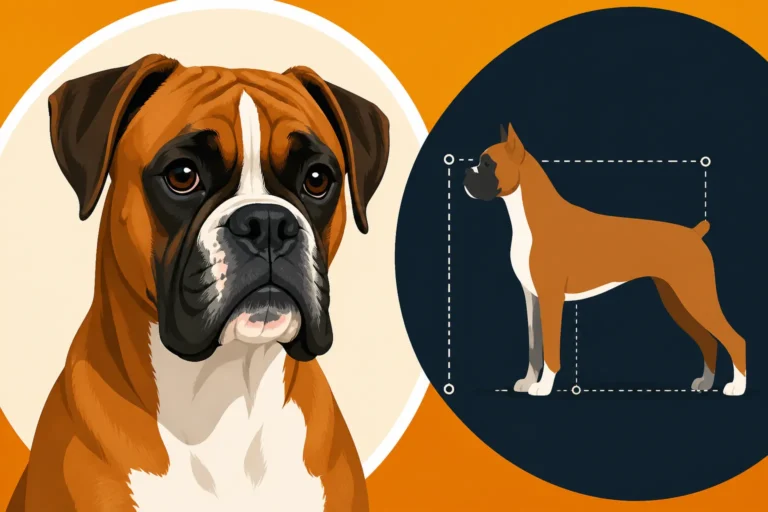
The Boxer, with its muscular build, intelligent eyes, and playful spirit, certainly earns its spot in the working group. Originating in Germany, the breed's ancestors were bullenbeissers, powerful dogs used for hunting boar and bear, and later, for cattle driving and as butcher's dogs. This heritage bestowed upon the Boxer a fearlessness, strength, and unwavering loyalty. They were later refined to be more agile and less aggressive, evolving into the versatile companion we know today – a dog capable of everything from police work to therapy assistance. The Boxer’s combination of strength and spirit makes it a natural fit among these purposeful breeds. If you're curious about the Boxer's beginnings, you can learn more in The German Origins of the Boxer.
The Unique Boxer Temperament and Drive
Before we dive into comparisons, it's vital to fully grasp what makes a Boxer tick. Their temperament is a rich blend of traits that are both endearing and, at times, challenging. They are often described as "perpetual puppies" because of their playful nature, which can last well into their adult years. This isn't just a cute quirk; it's a fundamental aspect of their personality that influences everything from training to daily life.
The Boxer's Playful and Affectionate Nature
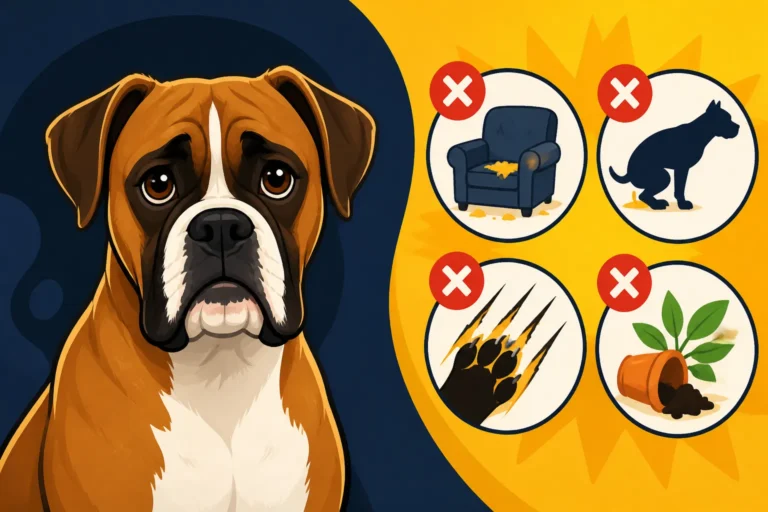
Few breeds match the Boxer's zest for life. They are renowned for their playful antics, often "boxing" with their front paws (hence the name!) and engaging in enthusiastic zoomies. This high energy needs an outlet, and without it, a bored Boxer can become a destructive one. Beyond the play, Boxers are incredibly affectionate, often seeking close physical contact with their human family. They thrive on companionship and can be quite demanding of attention. This strong bond makes them wonderfully devoted, but it also means they don't do well when left alone for extended periods. They want to be where you are, doing what you're doing, even if that's just watching TV on the couch (preferably with a head in your lap). For more on their characteristic behavior, check out Boxer Temperament in the Standard and in Life.
Intelligence, Stubbornness, and Training Needs
Boxers are intelligent dogs, no doubt about it. They can learn commands quickly and are eager to please their loved ones. However, that intelligence often comes with a healthy dose of stubbornness. They're not always keen on endless repetition, and if they find something boring, they might just decide to do their own thing. This isn't defiance so much as a strong personality and a desire for mental stimulation. Effective Boxer training requires consistency, positive reinforcement, and making sessions fun and engaging. They respond best to an owner who understands how to hold their interest and makes training feel like a game. You might find some excellent enrichment toys and training treats at Chewy that can help keep their minds sharp and engaged during these sessions. It's worth exploring strategies for Training a Boxer That Gets Bored Fast.
Protective Instincts and Family Loyalty
While not typically aggressive, Boxers possess a natural watchdog instinct. They are alert and observant, quick to notice anything out of the ordinary, and will often alert their family with a deep, booming bark. However, their protective nature usually manifests as a desire to keep their family safe, rather than outright aggression towards strangers. Once introduced and comfortable, most Boxers are friendly, though they might retain a cautious eye on new people. With their own family, their loyalty is absolute. They are incredibly tolerant and gentle with children when properly socialized and supervised, often forming deep bonds. This makes them fantastic family dogs, but it means their protection is rooted in love, not just a job. Learn more about their protective side in Boxer Watchdog Instinct Without Aggression.
Boxers vs. Dedicated Guardian Breeds: Doberman Pinschers and Rottweilers
When people think of working dogs, Dobermans and Rottweilers often come to mind as quintessential guardians. These breeds were meticulously developed for protection and have a reputation for being formidable deterrents. Comparing them to Boxers highlights distinct differences in temperament, approach to strangers, and training requirements.
Doberman Pinschers: Sleek Sentinels
Doberman Pinschers are known for their elegant, athletic build, keen intelligence, and intense loyalty. Bred originally by Karl Friedrich Louis Dobermann for personal protection, they excel as guardians and can be incredibly powerful in their defense of family and home. Dobermans are highly trainable and often seen in police, military, and protection sports. They tend to be more reserved with strangers than Boxers, taking a watchful stance.
- Protective Style: Dobermans are often more overtly protective, with a strong "on switch" for guarding. They are less likely to be immediately friendly with new people and require careful socialization to distinguish between threat and non-threat. Their guarding instinct is very pronounced.
- Energy and Exercise: Like Boxers, Dobermans have high energy requirements, but it's often a more focused, intense energy. They need vigorous daily exercise and mental challenges to prevent boredom and destructive behaviors.
- Family Life: While devoted to their families, Dobermans can be less overtly "clownish" or physically clingy than Boxers. They form deep bonds, but their expression of affection might be more subtle. They typically do well with children when raised with them and properly trained, but their sheer power demands careful supervision.
Rottweilers: Powerful Protectors
Rottweilers are strong, robust dogs with a noble, self-assured demeanor. Descended from Roman drover dogs, they were used to guard cattle and property. Today, they are renowned for their powerful build, unwavering courage, and natural guarding instincts. A well-bred and properly socialized Rottweiler is a loyal, calm, and confident companion.
- Protective Style: Rottweilers are natural guardians, possessive of their territory and people. They can be aloof with strangers and will not hesitate to protect their family if they perceive a threat. Their guarding is often more physically imposing than a Boxer's. Early and continuous socialization is absolutely critical for a Rottweiler to ensure they differentiate between normal interactions and true threats.
- Energy and Exercise: Rottweilers need regular exercise to maintain their muscular condition and mental well-being, but their energy level is often described as moderate compared to a Doberman or a young Boxer. They enjoy walks, playtime, and engaging in activities with their families.
- Family Life: Rottweilers are profoundly loyal and affectionate with their families, often described as "velcro" dogs despite their imposing size. They can be very patient with children, but again, their size and strength mean responsible ownership and supervision are paramount.
Boxer Differences: The Affectionate Guard
While Boxers will guard their families, their approach is generally less severe than that of a Doberman or Rottweiler. A Boxer's protective stance often stems from their deep bond and desire to keep their loved ones safe, rather than an inherent suspicion of all outsiders. They are more likely to greet a stranger with an excited wiggle butt than an immediate challenge, though they'll still be alert. This doesn't mean they aren't capable protectors, but their natural inclination is often more about exuberant greeting until a genuine threat is perceived. Their sheer energy and bouncy nature also mean they can accidentally knock over smaller children or elderly relatives, making careful training of their jumping habits essential.
Boxers vs. Sled and Draft Dogs: Siberian Huskies and Bernese Mountain Dogs
Moving to another corner of the working group, we find breeds bred for endurance and strength in harsh environments. Siberian Huskies and Bernese Mountain Dogs exemplify dogs designed for pulling and working outdoors, showcasing a different kind of working drive than the Boxer.
Siberian Huskies: Endurance Athletes
Siberian Huskies are iconic sled dogs, famous for their stunning looks, piercing eyes, and incredible stamina. They were bred to pull light loads over vast distances in frigid temperatures. This history has ingrained in them a remarkable capacity for endurance and an independent spirit.
- Energy and Drive: Huskies have astronomical energy levels, far beyond what many Boxers possess. They need hours of vigorous exercise daily, preferably involving running. They are not content with a simple walk around the block and can become destructive if under-exercised. Think long runs, biking, or dog sports.
- Biddability vs. Independence: Where a Boxer typically aims to please its human, a Husky is far more independent. They were bred to make decisions on the trail, not to blindly follow commands. This makes training a Husky a unique challenge, often requiring immense patience and creativity. Recall can be particularly difficult, as their prey drive is strong.
- Temperature Tolerance: Huskies thrive in cold weather, designed with thick double coats to withstand sub-zero temperatures. Boxers, with their short coats and brachycephalic (flat) faces, are extremely sensitive to heat. This is a critical difference for owners in warmer climates. Understanding How Fast a Flat-Faced Boxer Overheats is crucial.
Bernese Mountain Dogs: Gentle Giants of the Alps
Bernese Mountain Dogs are large, striking dogs with a calm, sweet disposition. Originating from the Swiss Alps, they were farm dogs used for guarding property, driving cattle, and pulling carts. Despite their immense size, they are known for their gentle nature and strong desire to be part of the family.
- Working Role: Berners excel at draft work and have a natural affinity for pulling, making them popular in carting competitions. Their strength is undeniable, but their overall energy level is more moderate than a Husky or a young Boxer.
- Temperament: Bernese Mountain Dogs are generally placid and good-natured. They are highly affectionate with their families and often get along well with children and other pets. They tend to be more reserved with strangers but are rarely aggressive. They lack the manic puppy energy that often defines a Boxer for its first few years.
- Exercise: While they need regular exercise to stay healthy, a Berner's needs are often met with daily walks and outdoor playtime. They don't typically require the intense, focused exercise regime of a Boxer or Husky, especially as they mature.
Boxer Differences: The Indoor Athlete
Boxers, while energetic, are more "indoor" athletes compared to sled dogs. Their short coat and brachycephalic structure mean they are not suited for prolonged outdoor exposure in extreme temperatures, particularly heat. Their energy is often expressed in bursts of play and zoomies, rather than the sustained endurance of a Husky. Unlike the Berner, a Boxer's energy can be quite demanding for the first three years, and they'll happily participate in dog sports like agility or flyball that allow for intense, short bursts of activity. This also ties into their health considerations; discussing Boxer Cardiomyopathy and the Holter Monitor is important when considering exercise limits.
Boxers vs. Gentle Giants: Great Danes and Saint Bernards
Some working breeds, despite their imposing size, are known for their gentle demeanor and often serve as comforting, albeit large, companions. Great Danes and Saint Bernards fit this description, offering a contrast to the Boxer's medium-large, more compact energy.
Great Danes: Apollo of Dogs
The Great Dane is truly a gentle giant, often referred to as the "Apollo of Dogs." Despite their immense stature, they are typically sweet, affectionate, and relatively calm indoors. Bred originally for hunting boar, their role evolved into that of a noble estate guard and companion.
- Size and Presence: Great Danes are simply enormous, towering over Boxers. Their sheer size means they require ample space and careful training from a young age to ensure they don't accidentally knock things over or injure someone.
- Temperament: Danes are known for their patient, friendly, and affectionate nature. They are often described as "lap dogs" despite their size, leaning on their owners for comfort. They are generally good with children and other pets, and their protective instinct is usually expressed in their imposing presence rather than overt aggression.
- Exercise: While they need daily exercise to maintain muscle tone and joint health, Great Danes typically have moderate energy levels. Long walks and some playtime are usually sufficient; they don't have the restless energy of a young Boxer. However, their growth plates are vulnerable, so rigorous exercise as puppies must be avoided.
Saint Bernards: Lifesavers of the Alps
Saint Bernards are another truly giant breed, instantly recognizable by their powerful build and benevolent expression. Famous for their rescue work in the Swiss Alps, they embody loyalty, strength, and a calm, kindly disposition.
- Role and Build: Originally bred for search and rescue, Saint Bernards possess incredible strength and a thick coat to withstand extreme cold. They are substantially heavier and more massive than Boxers, making them less agile but incredibly powerful.
- Temperament: Saint Bernards are renowned for their gentle, patient, and tolerant nature. They are particularly good with children and make devoted family companions. They are calm indoors and enjoy being part of family activities, though their size often means they just observe.
- Exercise: Like Great Danes, Saint Bernards have moderate exercise needs. Daily walks and outdoor time are important, but they are not high-energy dogs. Overheating is a concern for them in warm weather due to their heavy coats, similar to how Boxers struggle due to their flat faces.
Boxer Differences: The Agile Companion
Compared to the gentle giants, Boxers are far more agile and energetic. While a Great Dane might gracefully lean on you, a Boxer is more likely to bounce and wriggle with excitement. Boxers occupy a middle ground in terms of size, being substantial without being overwhelmingly huge. This often means they can participate in more active dog sports and remain playful well into their senior years. The difference in drool production is also notable; while Boxers have their share of jowls and slobber, it generally doesn't compare to the volume a Saint Bernard can produce! You might find durable, easy-to-clean bowls at Chewy that can help manage some of the Boxer mess around feeding time.
Boxers vs. Other Versatile Working Dogs: Standard Schnauzers and Portuguese Water Dogs
Not all working breeds are massive guardians or sled pullers. Some are medium-sized, highly intelligent, and incredibly versatile, performing a variety of tasks with enthusiasm. Standard Schnauzers and Portuguese Water Dogs offer interesting comparisons to the Boxer's adaptable nature.
Standard Schnauzers: Beards and Brains
Standard Schnauzers are medium-sized, robust dogs with distinctive wiry coats and expressive "eyebrows" and "beards." Originally bred in Germany to be ratters, guard dogs, and farm dogs, they are intelligent, alert, and spirited companions known for their strong personalities.
- Versatility: Schnauzers are truly versatile, capable of excelling in obedience, agility, tracking, and protection work. They have a keen intellect and a desire to learn, making them highly trainable for those who understand their independent streak.
- Temperament: Like Boxers, Schnauzers are known for their vivacious, sometimes clownish personalities, though they can be more reserved with strangers. They are fiercely loyal and protective of their families, often with a more pronounced watchdog bark than a Boxer. They are less prone to the "perpetual puppy" energy, often maturing into more serious, albeit still playful, adults.
- Grooming: Their wiry coat requires regular grooming, including hand-stripping or clipping, which is a significant difference from the Boxer's wash-and-wear coat.
Portuguese Water Dogs: Aquatic Athletes
Portuguese Water Dogs are robust, medium-sized dogs known for their intelligence, athleticism, and distinct curly or wavy coats. They were bred to work alongside fishermen, herding fish into nets, retrieving broken nets, and acting as couriers from boat to boat. They are highly intelligent and possess boundless energy.
- Working Aptitude: As their name suggests, PWDs are water dogs through and through. They love to swim, dive, and retrieve. Their strong working drive requires consistent mental and physical stimulation, often in the form of dog sports like agility, obedience, or dock diving.
- Energy and Trainability: PWDs are high-energy dogs, similar to Boxers, but often with a more intense focus and biddability in training. They are eager learners and thrive on having a job to do. Their intelligence, however, means they can become bored and mischievous if under-exercised or under-stimulated.
- Grooming: Their unique non-shedding, hypoallergenic coat requires regular professional grooming or diligent home care to prevent matting, a stark contrast to the Boxer's minimal grooming needs.
Boxer Differences: The Land-Based All-Rounder
Boxers share the vivaciousness and intelligence of Standard Schnauzers but generally have a more overtly friendly and less reserved disposition with new people. Compared to the Portuguese Water Dog, Boxers are land-based workers; while some may enjoy a splash, they aren't bred for water retrieval, and their brachycephalic features can make swimming safely more challenging. Both PWDs and Boxers need substantial exercise and mental engagement, but the Boxer's grooming is notably simpler. The Boxer's affectionate nature means they are often described as "velcro dogs," a trait that is present but perhaps less exaggerated in the other versatile working breeds.
Choosing the Right Working Breed for Your Lifestyle
Deciding which working breed is right for you is a significant decision that goes beyond just falling in love with a cute puppy. It's about honesty and self-reflection regarding your lifestyle, energy levels, and commitment. Each breed has unique needs and challenges that must be met for a happy and well-adjusted dog.
Assess Your Energy Levels and Time Commitment
This is perhaps the most critical factor. Boxers, as we've discussed, are energetic, playful dogs for a good portion of their lives. They require daily exercise, not just a quick trot around the yard. If you're a keen hiker or runner, a Boxer could be a great partner, but remember their heat sensitivity. If you prefer a more sedentary lifestyle, a Boxer's energy might overwhelm you. Contrast this with the extreme endurance of a Siberian Husky, or the more moderate, yet powerful, needs of a Bernese Mountain Dog.
| Breed | Typical Energy Level | Protective Instinct | Grooming Needs | Suitability for First-Time Owners |
|---|---|---|---|---|
| Boxer | High (especially young) | Moderate-High | Low | Moderate-High |
| Doberman Pinscher | High | High | Low | Moderate |
| Rottweiler | Moderate-High | High | Low | Moderate |
| Siberian Husky | Very High | Low-Moderate | Moderate (shedding) | Low-Moderate |
| Bernese Mountain Dog | Moderate | Moderate | High (shedding) | High |
| Great Dane | Moderate | Moderate-High | Low | High |
| Saint Bernard | Moderate | Moderate | High (shedding) | High |
| Standard Schnauzer | Moderate-High | High | Moderate (stripping) | Moderate |
| Portuguese Water Dog | High | Moderate | High (clipping) | Moderate |
Consider how much time you genuinely have for daily walks, playtime, and training. Boxers are highly people-oriented and can suffer from separation anxiety if left alone too much. They need to be part of the family action. For deeper insights into their daily life, consider The Household a Boxer Actually Needs.
Consider Your Living Environment
Do you live in an apartment or a house with a large yard? While Boxers can adapt to apartment living if their exercise needs are met, a sprawling yard where they can burn off steam is often ideal. However, a yard alone isn't enough; they still need walks and interaction. For breeds like Great Danes or Saint Bernards, even with lower energy, their sheer size demands ample indoor space. Conversely, a Husky needs secure fencing to prevent escapes due to their wanderlust. Also, factor in climate: a Boxer will struggle in extreme heat, while a Husky might be miserable in a perpetually warm environment.
Evaluate Your Training Style and Experience
Working breeds are intelligent, but some are more biddable than others. Boxers respond best to positive reinforcement, consistency, and a sense of fun. They can be stubborn, so patience is key. Dobermans and Rottweilers, while intelligent, demand an experienced hand due to their strong guarding instincts. Huskies test patience with their independence, while PWDs thrive on complex training challenges. If you're a first-time dog owner, some breeds might be a steeper learning curve than others. Don't be afraid to invest in professional training or resources like those found on Chewy to ensure you have the support you need.
Understand the Health and Lifespan Considerations
All purebred dogs have predispositions to certain health issues, and working breeds are no exception. Boxers, unfortunately, are prone to certain cancers like mast cell tumors and lymphoma, as well as heart conditions like Boxer cardiomyopathy (ARVC) and subaortic stenosis. Breeds like Great Danes are known for bloat and bone cancers, while Saint Bernards can suffer from hip and elbow dysplasia. Before committing, research the common health issues for your chosen breed and factor in potential veterinary costs, like those discussed in What a Boxer Costs Across Ten to Twelve Years. Health screenings are crucial, and a responsible breeder will always provide documentation. Always ask about the health history of the parent dogs. The Health Screening a Boxer Breeder Owes You is a great resource to understand what to look for.
Ultimately, choosing a working breed is about finding a companion whose inherent drives and needs align with your ability to provide for them. The Boxer is a magnificent, loving, and energetic dog that offers immense joy to the right family – one willing to embrace their playful spirit, dedicate time to their training, and provide the love and attention they crave.
Disclaimer
This article is for general informational purposes only and does not constitute professional advice. Laws, prices and regulations vary by location and change over time. Consult a qualified professional for guidance on your specific situation.