Boxers Working as Therapy Dogs
It's a common misconception that a dog needs to be perpetually calm, quiet, and perhaps a bit on the lazier side to be a good therapy dog. Many Boxer owners, myself included, have looked at our clownish, high-energy pups and thought, "My bouncy, wiggly Boxer? A therapy dog? Never!" But the truth is, the very qualities that make Boxers such joy-filled, affectionate family members can also make them exceptional therapy dogs, provided they receive the right training and guidance. This guide will walk you through what it takes for a Boxer to embark on a rewarding journey as a certified therapy dog, helping others find comfort and connection.
What Makes a Good Therapy Dog?
When people picture a therapy dog, they often conjure an image of a stoic, gentle Golden Retriever or a fluffy, placid Bichon Frise. While these breeds often excel in therapy work, it's crucial to understand that breed alone doesn't determine a therapy dog's suitability. What truly matters is the individual dog's temperament, training, and the bond it shares with its handler.
Temperament Over Breed
Forget the stereotypes for a moment. A successful therapy dog's primary qualification isn't its pedigree or its size; it's its personality. A dog could be purebred Boxer or a delightful mix, but if it possesses an inherent calmness, a deep well of patience, and an unwavering desire to connect with people, it has the raw ingredients. Our Boxers, with their incredible loyalty and deep sensitivity, often surprise people with their capacity for gentleness when given the chance. They might be boisterous at home, but in a structured environment with clear expectations, many Boxers can flip a switch and become remarkably serene.
It's about observing your Boxer honestly. Does he seek out gentle interactions? Is he comfortable with novel situations and sounds? Can he settle down easily after a burst of excitement? If you have a Boxer who, despite his youthful exuberance (which can last well beyond puppyhood — remember that Boxer Puppyhood That Lasts Three Years is a real phenomenon!), shows these underlying traits, then therapy work might genuinely be within his grasp. It's less about trying to make a Boxer something he's not, and more about channeling his natural gifts.
Essential Traits for Therapy Work
A therapy dog isn't just a friendly face; it's a calm, predictable presence that can bring comfort without causing stress. This requires a specific set of traits, which we can often cultivate or enhance through dedicated training.
First and foremost is an unflappable temperament. A therapy dog must be able to handle unexpected noises, strange smells, medical equipment, and people with varying physical abilities without becoming startled or reactive. They need to be incredibly tolerant of being touched in different ways, sometimes awkwardly, by people who might not know how to interact with dogs. Think about a child with developmental delays, or an elderly person with limited mobility; they might not pat a dog in the "correct" way, and a therapy dog must accept this with grace.
Secondly, predictability is key. A therapy dog shouldn't jump, mouth, or bark excessively. They need to be reliably responsive to their handler's cues, ensuring a safe and pleasant interaction for everyone involved. This includes a solid "leave it" command, a gentle mouth, and a consistent "four on the floor" policy. Lastly, good health and hygiene are paramount. Therapy dogs visit environments where cleanliness is vital, and they must be well-groomed and free of any communicable issues. Regular vet check-ups are non-negotiable.
The Boxer Temperament: Strengths and Challenges
Boxers possess a unique blend of traits that can both aid and challenge their journey to becoming therapy dogs. Understanding these aspects is the first step in preparing your furry friend for this special role.
Natural Affection and Playfulness
One of the Boxer's greatest assets is their boundless affection for people. They truly adore human company, often forming deep, unwavering bonds with their families. This innate love for people translates beautifully into therapy work. A Boxer will often lean into a gentle touch, offer a soft nudge, or simply rest their head on a lap, conveying warmth and comfort without a single word. Their expressive faces and famously wiggly bodies – that signature The Boxer Wiggle and What It Signals – can bring a smile to anyone's face, instantly brightening a room and alleviating tension.
Their playful, goofy nature is also a huge advantage. While therapy work requires a certain level of calm, a touch of lightheartedness can be incredibly therapeutic. Imagine a patient in a hospital, feeling down, and then a Boxer comes in, gently nudging a toy or offering a soft 'boxer paw' to engage. This playful interaction, kept within appropriate bounds, can be a wonderful distraction and mood lifter. They have a way of engaging people that is truly special, making everyone feel seen and cherished.
Managing High Energy and Excitability
Now, let's be realistic: Boxers are not known for their sedentary lifestyles. They are bundles of energy, especially in their younger years, and that enthusiasm can sometimes be overwhelming. The challenge for a Boxer hoping to be a therapy dog lies in channeling that energy and managing their natural excitability. This means addressing common Boxer behaviors like jumping up to greet people, or the tendency for Boxer Mouthing From Puppy to Adult. A seventy-pound Boxer jumping up, no matter how friendly, can easily knock over an elderly person or startle a child.
Therefore, rigorous training is non-negotiable. It's about teaching impulse control and self-regulation. This isn't about crushing their spirit; it's about giving them the tools to be their best selves in every situation. Think about it: a well-exercised Boxer is often a calmer Boxer, so meeting their Boxer Exercise Needs and the Heat That Limits Them is foundational. This might mean an extra-long walk or a vigorous game of fetch before a therapy visit. The key is to teach them that there are times for zoomies and times for quiet, focused interaction.
Training and Socialization for Therapy Work
Success in therapy work for a Boxer hinges heavily on consistent, positive training and extensive socialization. It's a journey, not a destination, and it starts long before formal certification.
Foundational Obedience and Manners
Every therapy dog needs a rock-solid foundation in basic obedience. Commands like "sit," "stay," "down," "come," and "leave it" aren't just parlor tricks; they are crucial safety cues. For a Boxer, who can be prone to getting excited, these commands become even more critical. You need to be able to politely ask your Boxer to remain in a 'down-stay' for extended periods, even amidst distractions, or to reliably "come" when called from across a room. This level of reliability ensures that interactions are always safe and controlled.
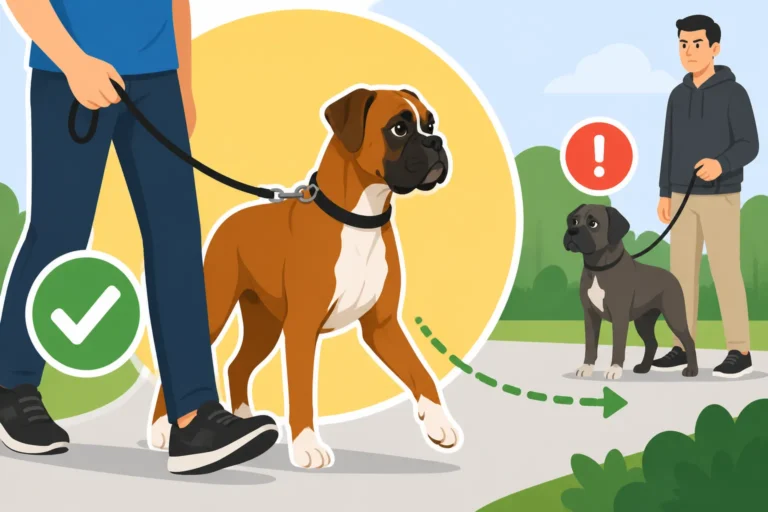
Focus on developing a calm heel, where your Boxer walks politely beside you on a loose leash, even when passing other people or dogs. Mastering Getting a Boxer to Walk Without Towing You is essential, as you'll often be navigating tight spaces in hospitals or crowded hallways. Consider using training aids like a front-clip harness or a head halter, especially during the early stages of teaching polite leash manners. Companies like BAXTER & Bella offer online resources and courses that can guide you through these foundational steps from the comfort of your home, providing structured lessons that are adaptable to a Boxer's energetic nature.
Exposure to Diverse Environments and People
One of the biggest hurdles for any therapy dog candidate is getting comfortable with novelty. Therapy dogs encounter all sorts of unfamiliar sights, sounds, and smells: wheelchairs, crutches, oxygen tanks, beeping machines, strong cleaning product odors, and people who look, sound, and move differently. From a young age, your Boxer needs to be exposed to as many varied, positive experiences as possible. Take them to pet-friendly stores, parks, and busy sidewalks. Let them meet people of all ages, sizes, and backgrounds, always ensuring these interactions are positive and don't overwhelm your dog.
It's not just about meeting people, but about meeting different kinds of people. People in hats, people with beards, people using walkers, people talking loudly, people moving slowly. The goal is to make all these experiences "normal" and non-threatening for your Boxer. Start small and gradually increase the intensity and duration of these exposures. The more positive experiences your Boxer has in varied settings, the more confident and adaptable he will be when faced with the unique environment of a hospital or a nursing home. You want a dog that can stay calm when presented with a new situation, rather than getting startled or over-excited.
Specialized Therapy Dog Training Programs
While foundational obedience is critical, specialized therapy dog training takes it to the next level. These programs often simulate real-world therapy scenarios, introducing dogs to equipment like wheelchairs and crutches, teaching them to ignore dropped food, and practicing polite greetings. They also help handlers learn how to read their dog's body language and advocate for their dog's needs during visits. Many Boxer owners find immense value in enrolling in such programs, not just for the dog's training, but for their own education as handlers.
These programs often focus on refining advanced manners, like maintaining a long "stay" with distractions, walking calmly through a crowded room, and accepting petting from multiple people simultaneously. They'll help you recognize if your Boxer is beginning to show signs of stress or fatigue, which is vital for ensuring your dog enjoys the work and isn't pushed beyond his comfort zone. A good program will also include a component of Preparing a Boxer for a Good Citizen Test, as many therapy organizations require this as a prerequisite for their evaluations. This is where your Boxer learns to perform consistently and reliably, even when his inner clown wants to take over!
The Certification Process
Once you feel your Boxer has mastered the necessary skills and temperament, the next step is typically to pursue certification through a recognized therapy dog organization. This isn't just a formality; it ensures that both dog and handler are prepared for the responsibilities of therapy work.
Choosing a Therapy Dog Organization
There are several reputable therapy dog organizations, each with its own set of requirements and testing procedures. Some of the well-known ones include Therapy Dogs International (TDI), Pet Partners, and Alliance of Therapy Dogs. It's worth researching a few to see which aligns best with your goals and your Boxer's personality. Some might have more stringent rules regarding certain behaviors, while others might focus more on the dog's overall demeanor. For example, some organizations might have an age minimum, or require a certain level of handler experience.
It's also important to check if the organization has local chapters or evaluators in your area. You'll want to choose an organization that can provide support and resources for ongoing training and opportunities for visits once certified. Don't be afraid to reach out to them directly with questions about their specific requirements for a Boxer. They can often tell you what specific challenges Boxers might face during their evaluation and how best to prepare.
The Evaluation and Testing
The certification process typically involves an evaluation where an experienced tester assesses both your Boxer's temperament and your handling skills. This usually involves a series of exercises designed to simulate situations a therapy dog might encounter. These tests will check for:
- Acceptance of strangers: Your Boxer must be friendly and comfortable being approached and petted by multiple strangers, including those using assistive devices.
- Reaction to distractions: Your Boxer will be tested on his ability to remain calm and focused amidst loud noises, sudden movements, and dropped objects.
- Leash manners: Polite walking, even in a crowded environment, is essential.
- "Leave It" command: Your Boxer must ignore tempting dropped food or other items.
- "Stay" and "Come" reliability: These commands need to be consistently obeyed, even with distractions.
- Acceptance of unusual appearances: The dog should not be startled by someone wearing a hat, large glasses, or unusual clothing.
This table provides a generalized overview of what a therapy dog evaluation often entails:
| Test Component | Boxer Challenge | Why It's Important |
|---|---|---|
| Accepting a Friendly Stranger | Tendency to jump with excitement | Ensures safe, non-threatening greetings, especially for vulnerable individuals. |
| Sitting Politely for Petting | The "Boxer wiggle" and full-body enthusiasm | Allows for calm, enjoyable interaction without overwhelming the person. |
| Appearance and Grooming | Short coat shows every speck; drool management | Essential for hygiene, especially in medical or sensitive environments. |
| Out for a Walk (Loose Leash) | Strong pulling instinct, especially when excited | Safety for handler and others in crowded spaces; prevents tripping hazards. |
| Walking Through a Crowd | Can be easily distracted or want to greet everyone | Dog must navigate busy areas calmly, staying focused on the handler. |
| Reaction to Distractions | Can be startled by sudden noises/movements | Tests ability to remain calm around unexpected events like dropped items or loud sounds. |
| "Leave It" Command | Strong curiosity; loves food | Prevents dog from ingesting inappropriate items or becoming fixated on food. |
| "Stay" for Duration/Distance | Short attention span for some Boxers | Allows for calm presence while handler converses or during longer interactions. |
| Interaction with Wheelchairs/Crutches | Novel equipment can be intimidating | Ensures dog is comfortable and non-reactive to assistive devices. |
| Supervised Separation | Strong bond with handler can cause anxiety | Dog must remain calm when handler briefly steps away with another person. |
It's a comprehensive test, designed to ensure that therapy dogs are truly fit for the role. Don't be discouraged if your Boxer doesn't pass on the first try. Use it as a learning experience, identify areas for improvement, and continue working on those skills. With dedication, many Boxers can indeed pass these evaluations and become wonderful therapy dogs.
Life as a Therapy Dog: What to Expect
Becoming a certified therapy dog is a significant achievement, but it's just the beginning of a fulfilling journey for both you and your Boxer. Understanding what to expect during therapy visits and how to care for your dog throughout the process is crucial.
Types of Facilities and Interactions
Therapy dogs make a difference in a wide variety of settings. You might find yourself and your Boxer visiting:
- Hospitals and nursing homes: This is perhaps the most classic image of a therapy dog at work. Boxers can bring comfort to patients recovering from surgery, those with chronic illnesses, or residents in long-term care facilities. Their gentle presence can reduce anxiety, alleviate loneliness, and provide a much-needed distraction from pain or boredom.
- Schools and libraries: Therapy dogs are increasingly used in "Reading to Dogs" programs, where children practice reading aloud to a non-judgmental furry listener. This builds confidence and fosters a love of reading. Boxers, with their patient and calm demeanor (when properly trained), can be wonderful companions for these young readers.
- Universities: During stressful exam periods, many universities bring in therapy dogs to help students de-stress and take a mental break. A Boxer's goofy antics and affectionate nature can be a perfect antidote to academic pressure.
- Crisis and disaster relief: In times of tragedy, therapy dogs can provide emotional support and a sense of calm to victims and first responders. Their unwavering presence can be incredibly grounding.
Each visit will be unique, but the common thread is your Boxer's ability to offer unconditional love and a moment of solace. It's a truly profound way to give back to the community, harnessing the incredible power of the human-animal bond.
Self-Care for Your Boxer Therapy Dog
Even though Boxers often thrive on human interaction, therapy work can be mentally and emotionally draining for them. It's paramount to prioritize your Boxer's well-being and ensure they enjoy the work without getting burnt out. Here are a few tips:
- Keep visits short: Especially when starting out, keep visits relatively brief, perhaps 30-60 minutes. Gradually increase the duration as your Boxer gains experience and stamina.
- Read their cues: Pay close attention to your Boxer's body language. Are they still engaged? Or are they starting to yawn excessively, turn their head away, or try to move behind you? These can be signs of fatigue or stress. If your Boxer is showing signs of being overwhelmed, it's time to take a break or end the visit. Remember, Why a Boxer Shuts Down When You Get Loud also applies to subtle forms of stress – you need to be tuned in.
- Provide breaks: During a longer visit, find a quiet space for your Boxer to relax, have some water, and decompress. A short walk outside can also help them clear their head.
- Don't overschedule: Avoid scheduling too many visits in a short period. Allow your Boxer plenty of downtime to be a regular dog, playing, zooming, and just relaxing at home.
- Positive reinforcement: Always end visits on a positive note, with praise, a favorite treat, or a quick game of fetch (if appropriate). Reinforce that therapy work is a rewarding experience. You can find many enriching toys and durable chews on platforms like Amazon that can serve as excellent rewards and ways for your Boxer to decompress after a busy session.
Being a therapy dog handler means being your Boxer's biggest advocate, ensuring they are always comfortable and happy in their role. When done correctly, this noble work can be incredibly enriching for both ends of the leash, demonstrating just how incredible our Boxer companions truly are.
Disclaimer
This article is for general informational purposes only and does not constitute professional advice. Laws, prices and regulations vary by location and change over time. Consult a qualified professional for guidance on your specific situation.