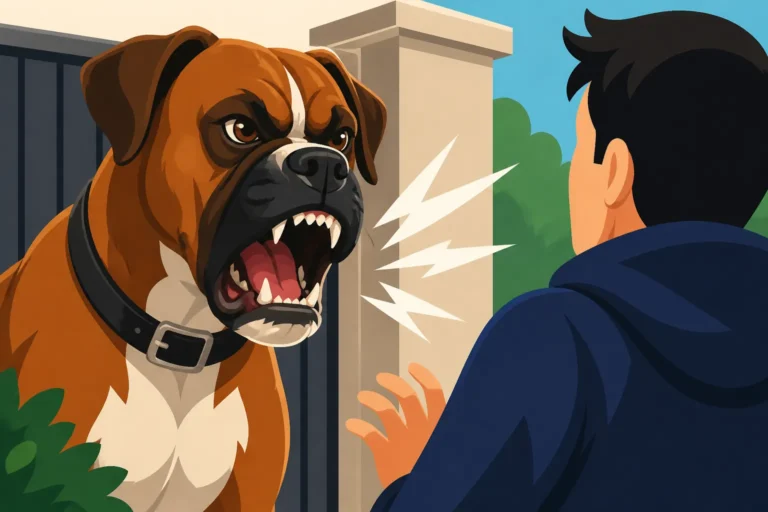
Getting a Boxer’s Attention Outdoors
It’s a scenario every Boxer owner knows all too well: you’re out for a walk, enjoying the fresh air, and suddenly your usually attentive, goofy companion transforms into a deaf, blind, scent-driven missile. Getting a Boxer's attention outdoors can feel like trying to hail a taxi in a hurricane, leaving you frustrated and your arm aching. This comprehensive guide is here to help you understand why your Boxer acts this way outside and equip you with practical strategies to consistently get their focus, no matter the distraction.
Understanding the Boxer's Outdoor Mindset
Boxers are magnificent dogs — loyal, playful, and deeply devoted indoors. But step outside, and it's like a different dog often appears. This isn't defiance; it's a testament to their vibrant senses and innate drives clashing with an overwhelming environment. Understanding this fundamental difference is the first step toward effective outdoor communication.
Why Boxers Get Distracted So Easily Outside
Your Boxer isn't trying to ignore you; their world just got a million times more interesting! Think about it: indoors, your home is a largely predictable environment. Outside, it's a symphony of scents, sights, and sounds. Boxers, with their keen noses and energetic natures, are naturally drawn to this sensory overload. They have a strong prey drive, meaning that darting squirrel, flapping bird, or even a blowing leaf can activate an instinctual chase response. Their sensitive hearing picks up sounds far beyond our perception, and their ever-curious minds want to investigate every novel smell left by another creature. It’s genuinely tough for them to filter out all that exciting input and focus on you. Many owners feel incredibly frustrated when their normally well-behaved Boxer seems to "tune them out" completely, but it’s often a battle against deeply ingrained instincts and overwhelming stimuli.
The Difference Between Indoor and Outdoor Focus
The stark contrast between your Boxer’s indoor and outdoor behavior is crucial to acknowledge. Inside, your home is a low-stimulus environment where you are often the primary source of entertainment, food, and affection. Your cues are clear, and distractions are minimal. When you ask for a "sit" or a "stay" in the living room, your Boxer usually obliges because there's little else competing for their attention.
Outdoors, however, the world becomes a colossal, unpredictable playground. Every rustle in the bushes, every passing jogger, every distant dog bark, and especially every fascinating smell on the ground, screams for your Boxer's attention. What might seem like a simple distraction to us is an entirely new, compelling narrative unfolding for them. It's not that they suddenly forgot their training or stopped loving you; it's that their cognitive load is suddenly maxed out, and their brain is struggling to process everything while also trying to listen to your voice. This is why a command that's rock-solid inside might crumble into dust the moment a delivery truck rumbles by.
Building a Foundation of Attention Indoors and Then Transferring It
You can't expect your Boxer to perform calculus outdoors if they haven't mastered basic arithmetic indoors. The key to outdoor attention starts with rock-solid focus in a controlled environment and then systematically building that focus in more challenging settings.
Mastering "Look at Me" in a Quiet Setting
Before you even think about tackling the great outdoors, you need to establish an unbreakable "look at me" or "focus" command indoors. This is the cornerstone of all future outdoor attention. Start in a quiet room, with no distractions. Hold a high-value treat (something your Boxer adores, like cooked chicken or cheese, not just plain kibble) near your nose. The moment your Boxer’s eyes meet yours, even for a split second, say "yes!" or click a clicker, and immediately deliver the treat. Repeat this many, many times in short, upbeat sessions.
Once they reliably look at you, start adding the verbal cue, "Look at me!" just as they are about to make eye contact. Over time, your Boxer will associate the verbal cue with that incredibly rewarding moment of connection and the delicious treat that follows. This isn’t just about getting eye contact; it’s about teaching them that you are the most exciting thing in the room and that looking at you leads to great things. The consistency of this training is paramount. Think of it as building a muscle; the more you exercise it, the stronger it gets. Many great training programs, like those offered by BAXTER & Bella, emphasize building this kind of foundational focus.
Gradually Introducing Distractions
Once "look at me" is solid in your quiet living room, it's time to slowly increase the difficulty, almost like turning up the volume on the world. Don't leap straight to a bustling dog park!
- Indoor Distractions: Practice "look at me" with the TV on low, then with someone else walking around, then with a toy on the floor. Make sure your Boxer can still give you their attention reliably before moving on.
- Yard Training: Move to your backyard, a slightly more stimulating environment. Start at times when the yard is quiet. If your Boxer struggles, go back inside and practice more. The goal is success, not frustration.
- Quiet Outdoor Spaces: Progress to a quiet street or a park during off-peak hours. Keep sessions short and full of high-value rewards. Start with your Boxer on a Long Line Work With a Young Boxer so you have control and they have a bit more freedom to explore, but can still be reeled in for attention exercises. Only when they are consistently focusing on you in this setting should you think about more challenging environments. The key is to manage the environment so that your Boxer can succeed, slowly building their ability to tune out distractions.
Practical Strategies for Capturing Attention Outdoors
Even with a strong foundation, the outdoor world is full of temptations. You need an arsenal of strategies to keep your Boxer engaged and make yourself more appealing than a rogue leaf.
The Power of High-Value Rewards
This cannot be stressed enough: what works indoors (a piece of kibble) is often completely inadequate outdoors. Outside, your Boxer is competing with a symphony of exciting sights, sounds, and smells. To win that competition, your reward has to be truly irresistible. Think "jackpot" rewards.
For most Boxers, this means small, soft, super-tasty treats like tiny pieces of cooked chicken, cheese, hot dogs, or commercially available soft training treats. Experiment to find what your individual Boxer considers the absolute pinnacle of deliciousness. Keep these treats hidden until they are earned, and deliver them quickly and enthusiastically the moment your Boxer gives you their attention. The speed of delivery reinforces the desired behavior. If you’re struggling to find the right gear or treats, browsing a wide selection on Amazon can often provide the variety needed to discover what truly motivates your Boxer. You might also find Rewards a Boxer Will Work Hard For provides some additional inspiration.
Using Movement and Play to Engage Your Boxer
Boxers are active, playful dogs. You can harness this energy to your advantage! Instead of just standing there calling their name (which can often sound nagging and uninteresting), make yourself exciting.
- The "Chase Me" Game: If your Boxer is safely on a long line or in a secure area, suddenly turn and run a few steps away, calling their name enthusiastically. When they chase you, praise them wildly and reward with a treat or a quick game of tug. This teaches them that coming to you is fun and rewarding.
- Quick Directional Changes: During your walk, randomly change direction. The moment your Boxer notices and adjusts, mark it with praise and a treat. This keeps them paying attention to your movements, rather than constantly scanning for outside distractions.
- Bring a Favorite Toy: A squeaky ball or a tug toy can be a powerful tool to redirect attention. A quick game of tug or fetch can instantly re-engage a distracted Boxer, making you the source of fun again. Remember, the goal is to make you more interesting than the environment. This is especially useful if you have a Boxer that gets bored fast during static training.
Tools and Techniques for Better Outdoor Control
Sometimes, even with the best training, you need a little help from your gear. These tools can provide the control needed to reinforce good habits and prevent your Boxer from practicing unwanted ones.
- Long Lines: A long line (15-30 feet) is invaluable for practicing recall and attention in open, but still somewhat controlled, environments. It gives your Boxer the illusion of freedom while allowing you to step on the line or gently reel them in to reinforce attention or a recall cue. It’s a bridge between leash walking and off-leash reliability. This is a crucial step in Long Line Work With a Young Boxer.
- No-Pull Harnesses: If your Boxer pulls hard on the leash, a front-clip harness can make a huge difference. By attaching the leash at the chest, it redirects their pulling power sideways, making it less effective and teaching them to walk more politely. This frees you up to focus on attention-getting techniques rather than constantly battling a pulling dog. Explore different types like the Balance Harness or Easy Walk on platforms like Amazon. For more information on preventing pulling, see Harnesses That Hold a Pulling Boxer.
- Whistle Training: A dog whistle can be incredibly effective for outdoor recall and attention work, especially in noisy environments or over long distances. The sound of a whistle cuts through distractions more effectively than your voice, and it always sounds the same, removing any emotional tone. Train your Boxer to associate the whistle with immediate, high-value rewards, just like you would a verbal "come" or "look."
Common Challenges and Troubleshooting
Even with the best intentions and consistent effort, there will be days when your Boxer seems to have forgotten everything you've taught them. Don't despair! This is a normal part of training a high-energy, intelligent breed.
When Your Boxer "Tunes You Out"
It happens to all of us. You call your Boxer's name, try to get their attention, and they seem utterly oblivious, nose to the ground, lost in a scent trail. In these moments, it's easy to get frustrated, even angry, but shouting or punishing your Boxer will likely only make things worse, potentially causing them to Why a Boxer Shuts Down When You Get Loud. Instead, try to reset the situation.
First, acknowledge that the environment is currently too stimulating. If you're on a long line, gently reel them in closer to you. If you're near a quiet spot, guide them there. Then, reduce your expectations and go back to basics. Can they do a simple "sit" and "look at me" in this slightly less distracting spot? Offer a huge reward for even a moment of focus. Sometimes, you might need to physically move closer to them, perhaps even placing a treat right at their nose to break their focus on the distraction. The goal is to re-establish connection and set them up for success, rather than letting them practice ignoring you. If you find this happening frequently, it's a sign you've moved to a too-challenging environment too quickly and need to dial back the distractions in your training sessions.
Handling Unexpected High-Stimulus Situations
Life with a Boxer means encountering the unexpected – a sudden squirrel dash, an off-leash dog appearing from nowhere, or a loud construction vehicle. These moments are where your "emergency recall" or management skills shine.
- Emergency Recall: This is a separate, distinct recall cue (e.g., "COME!") that you only use for true emergencies and always follow with the absolute best reward your Boxer can imagine (like a whole hot dog or a play session with their favorite toy). Never use this cue casually or when you aren't prepared to reward lavishly. If your Boxer has a strong The Word That Stops a Boxer Mid-Charge, that’s an excellent emergency recall.
- Environmental Management: Anticipate! If you see a potential distraction (another dog, a playground full of kids) approaching, try to move your Boxer further away, behind a car, or into a side street before they become overstimulated. This buys you precious seconds to regain their attention with a treat or toy before they lock onto the distraction. Learn to read your Boxer's body language; if their ears perk up and their body stiffens, they've spotted something. Intervene before they're fully engaged. This proactive approach is key, especially if you know your Boxer has a strong Whether a Boxer Has a Strong Prey Drive.
- "Engage/Disengage" Game: This is a brilliant exercise for high-stimulus situations. When your Boxer notices a trigger (like another dog), mark the moment they see it, then immediately reward them for looking back at you. The goal isn't to ignore the trigger, but to teach them that noticing it, then choosing you, is highly rewarding. Over time, you'll build their ability to glance at a distraction and then automatically re-engage with you, instead of fixating.
| Aspect | Indoor Training Environment | Outdoor Training Environment |
|---|---|---|
| Distractions | Minimal, predictable (e.g., TV, another person) | High, unpredictable (e.g., squirrels, cars, other dogs, scents) |
| Primary Goal | Build foundational understanding and strong associations | Transfer indoor skills, maintain focus despite stimuli |
| Reward Value | Kibble or standard treats often sufficient | High-value, irresistible treats or favored toys essential |
| Control Level | Full control, easy to manage Boxer's environment | Variable control, requires proactive management and tools |
| Session Length | Can be slightly longer, more repetitions | Shorter, more frequent, focused on success in bursts |
| Key Cues | "Look at me," "Sit," "Stay," "Come" | "Look at me," "Emergency Recall," "Heel," "Leave It" |
| Common Frustration | Boxer gets bored or loses interest if sessions are too long | Boxer "tunes out" or ignores cues completely |
Remember, getting a Boxer's attention outdoors is a journey, not a destination. There will be good days and challenging days. Celebrate the small victories, be patient, and always end your training sessions on a positive note, reinforcing that focusing on you is the best thing ever. With consistency, patience, and a pocket full of irresistible treats, you'll build that vital connection with your Boxer, allowing you both to enjoy your outdoor adventures to the fullest.
Disclaimer
This article is for general informational purposes only and does not constitute professional advice. Laws, prices and regulations vary by location and change over time. Consult a qualified professional for guidance on your specific situation.