Why the Boxer Standard Has Barely Changed
Boxer breed history explains why early German developers maintained consistent working traits and physical standards over a century.
Is this the right one for you?
Origins and temperament, size and coat, what living with one is actually like, and how it compares to the breeds people weigh against it.

Boxer breed history explains why early German developers maintained consistent working traits and physical standards over a century.

Boxer dogs transitioned from early German hunting origins to become one of America’s most beloved household companion breeds.

Bang Away of Sirrah Crest, a fawn male born in 1948 and handled by Jane Forsyth, won the 1951 Westminster show.

Dampf vom Dom was imported from Germany by John Wagner to achieve the first American Kennel Club championship for Boxers.

The Boxer dog breed history in America covers early German imports, public reaction, and AKC registration in 1904.
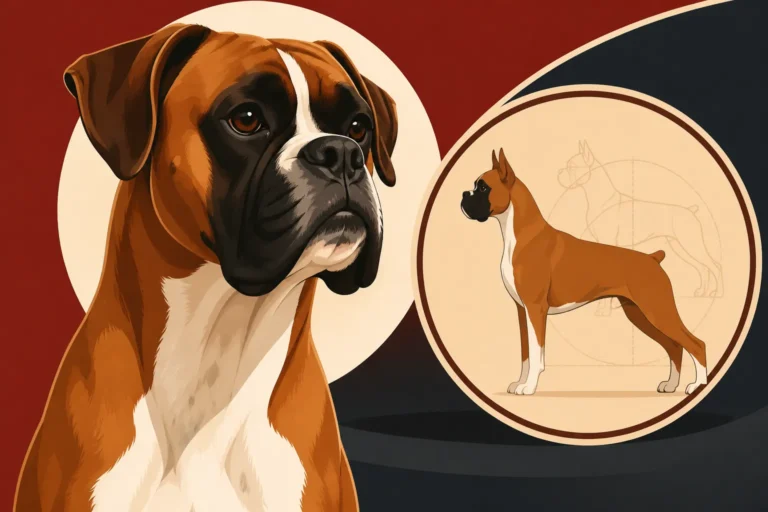
The German Boxer Club and its 1902 standard defined physical traits, ideal proportions, and stable temperament for the breed.

The 1895 Munich Show launched the Boxer dog breed from regional obscurity into international recognition and standardization.

Three German visionaries who fixed the Boxer type by shaping ancestors like the Bullenbeisser into a standardized breed.

Bulldog blood in early Boxer dogs shaped the powerful build, strong jaw structure, and tenacious personality of the modern breed.
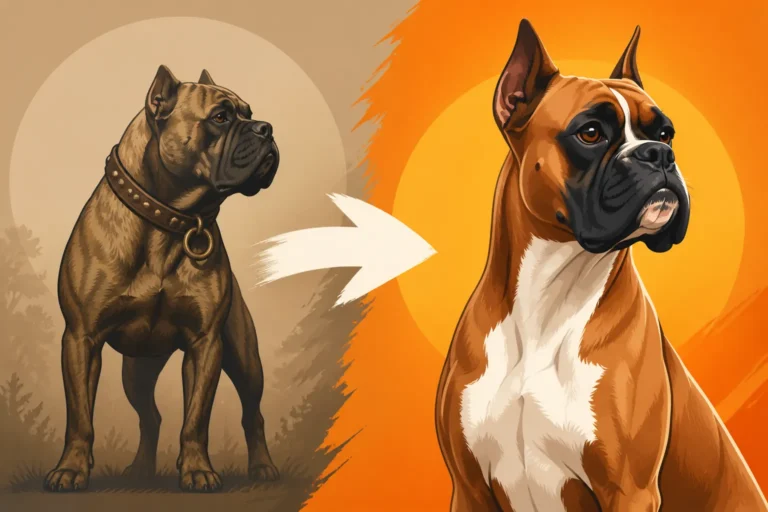
A large German hunting dog whose name means bull-biter, bred to grip wild boar and bears, and its link to the playful modern Boxer.