What Flashy Means on a Boxer
When you're diving into the world of Boxer dogs, you quickly encounter a lot of unique terminology, and sometimes it can feel like a secret language. One phrase that often pops up, especially when looking at puppies or discussing breed standards, is "flashy." It can be a bit confusing if you're not sure what it means beyond just "looks cool," and it can impact everything from show prospects to finding the right breeder. This guide will demystify what "flashy" truly signifies on a Boxer, why it's such an important descriptor, and what it means for you as an owner or potential owner.
Understanding Boxer Coat Colors and Markings
To really grasp what "flashy" means, we first need to understand the basic palette of a Boxer. They aren't just one solid color; their coats are a beautiful combination of base colors and white markings, which are a hallmark of the breed.
The Standard Boxer Colors
The official breed standard for Boxers recognizes two primary base coat colors: fawn and brindle. Fawn can range from a very light, almost tan hue, all the way to a deep, rich mahogany or red. It’s a spectrum, not a single shade, and you’ll see some truly stunning variations. Then there's brindle, which is essentially fawn with black stripes. These stripes can be sparse and delicate, or so dense that the dog appears almost black, often called "reverse brindle" because the fawn background is barely visible. Both fawn and brindle are equally accepted and beautiful. Fawn Boxers and Their Shades explores the nuances of the fawn spectrum.
What's crucial to remember here is that these are the base colors. The white markings are a separate, though genetically linked, element that overlays these base coats. Without understanding these foundational colors, it's hard to appreciate the role of white. It's not uncommon for new Boxer enthusiasts to assume fawn is just one color, or that brindle is its own category of stripes, without realizing the underlying genetic components.
What White Markings Are
Beyond the fawn and brindle, Boxers carry white markings, which are genetically determined patches of unpigmented hair. These aren't like splashes of paint; they're an integral part of the breed's appearance. The amount and distribution of this white can vary wildly from dog to dog, and it's this variation that leads to terms like "flashy." Historically, these white markings were likely a result of early breeding choices, and they've become a beloved characteristic that adds to the Boxer's distinctive look.
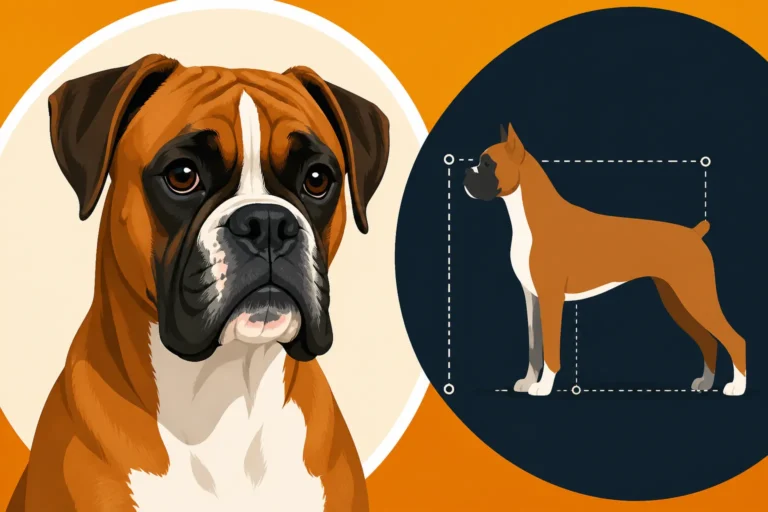
These markings typically appear on the chest, paws, belly, and sometimes a blaze on the face. Some Boxers might have just a tiny patch on their chest or a few white toes, while others seem to be wearing white socks, a pristine white bib, and a prominent white stripe up their face. The presence of white is not just cosmetic; it's a genetic trait that links back to the breed's origins and differentiates Boxers from many other working breeds. It's a key part of The Boxer the Breed Standard Describes and what makes them instantly recognizable.
Defining "Flashy" in a Boxer
So, what exactly does "flashy" mean? It's a specific term used to describe the amount of white markings on a Boxer, distinguishing them from "plain" Boxers with minimal white, or "white" Boxers with excessive white. It's about a balanced, eye-catching distribution.
The "Up to One-Third White" Rule
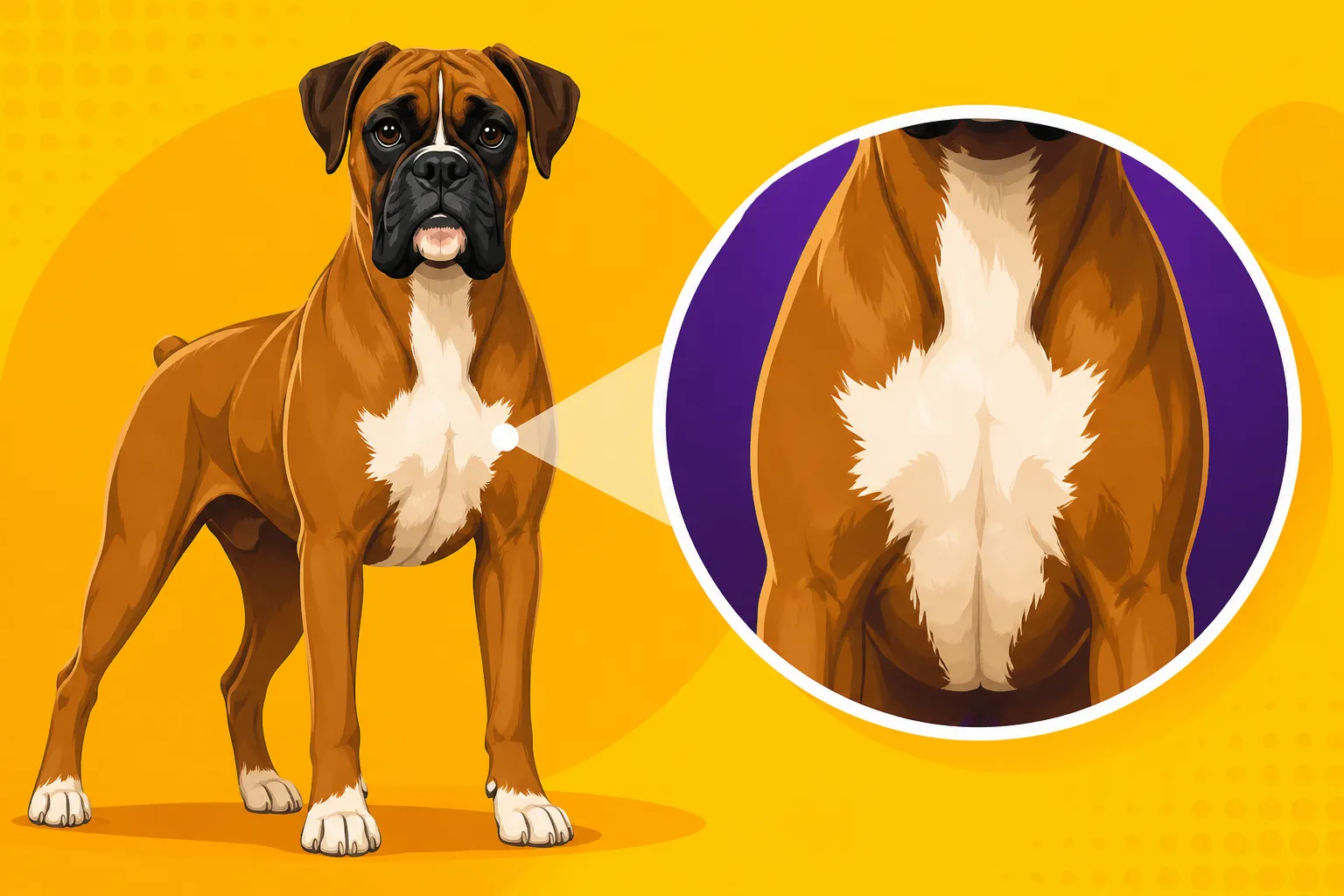
At its heart, "flashy" means a Boxer possesses a significant, but not overwhelming, amount of white markings, typically covering no more than one-third of their entire body. This isn't a hard and fast measurement you can make with a ruler, but rather a general visual guideline. A truly flashy Boxer will have those striking white markings on its chest, legs, and face, without having so much white that it starts to dominate the overall appearance. It’s a sweet spot — enough white to be noticeable and enhance the dog's features, but not so much that the fawn or brindle base coat becomes secondary.
This "one-third" guideline is rooted in the breed standard and how Boxers are judged in conformation shows. Too little white, and they might be considered "plain." Too much, and they move into the "white Boxer" category, which has its own set of considerations, as we'll discuss. It's a delicate balance that breeders strive for, and discerning judges look for. When discussing colors, knowing How Much White a Boxer May Carry is key to understanding the full spectrum.
Where Flashy Markings Show Up
Flashy markings are usually concentrated in specific areas that enhance the Boxer's appearance. Think of a classic Boxer look: a broad chest with a prominent white bib that often extends down the front legs like long gloves or "stockings." Their paws are frequently white, sometimes extending up the legs like sleek boots. Many flashy Boxers also sport a white blaze on their face, running from between their eyes down their muzzle, often accentuating their intelligent, alert expression. Sometimes, a white collar-like marking might wrap around their neck, or there could be white on their belly.
These patterns are not random splotches; they tend to follow natural anatomical lines, creating a symmetrical and appealing look. The contrast between the rich fawn or deep brindle and the crisp white is what gives a flashy Boxer its undeniable "pop." It's this striking combination that makes them so visually impressive, whether they're trotting around a show ring or just greeting you at the door with their enthusiastic wiggles.
Consider the visual impact: a plain Boxer might have only a small patch on its chest, perhaps a few white toes. A flashy Boxer, however, will have clearly defined, substantial white areas that really make the dog stand out. What Makes a Boxer Brindle or Reverse Brindle can also influence how these white markings appear against the base coat.
| Markings Description | White Coverage | Common Appearance | Show Ring Eligibility |
|---|---|---|---|
| Plain | Minimal (less than 1/3) | Small chest patch, few white toes | Yes, fully accepted |
| Flashy | Moderate (up to 1/3) | White chest, legs (stockings), facial blaze | Yes, highly desirable |
| White | Excessive (more than 1/3, often mostly white) | Predominantly white body, colored patches | No (disqualified) |
Why "Flashy" Matters to Breeders and Owners
The term "flashy" isn't just a descriptive adjective; it carries significant weight within the Boxer community, affecting everything from breeding programs to show prospects, and even public perception.
Flashy Boxers in the Show Ring
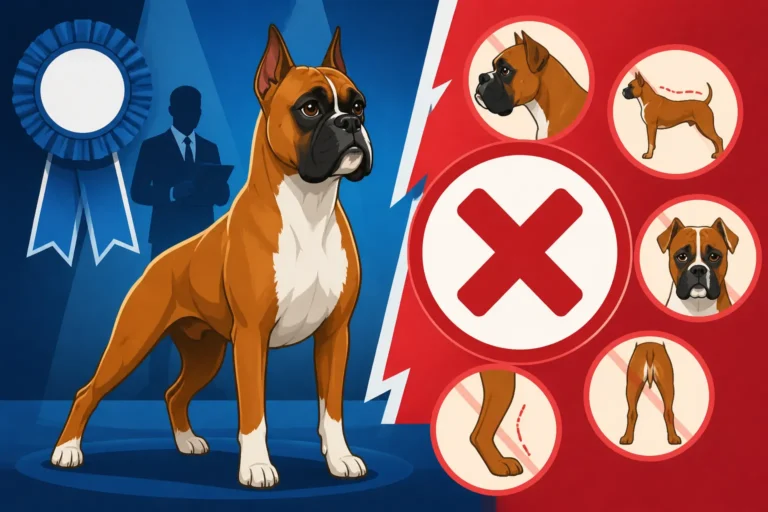
For breeders and owners interested in conformation showing, "flashy" is a highly desirable characteristic. The breed standard, as set by organizations like the American Kennel Club (AKC), outlines specific criteria for acceptable white markings. While a Boxer can be shown with minimal white ("plain"), a flashy Boxer often catches a judge's eye because its markings enhance its overall presence and conform beautifully to the ideal. The contrast and distribution of white can highlight the Boxer's powerful build, elegant lines, and intelligent head.
Boxers with too much white — generally defined as more than one-third of their body being white — are considered "white Boxers" and are disqualified from the show ring. This isn't because there's anything inherently wrong with white Boxers (they make wonderful pets!), but because they fall outside the aesthetic parameters of the breed standard for show purposes. This distinction means that "flashy" is the perfect balance: enough white to be striking and eye-catching, but not so much that it violates the standard. Historically, many of the most famous Boxers, like those seen winning prestigious shows, have been flashy. For example, the legendary The Show Record of the Boxer Bang Away often displayed a flashy appearance, setting a standard for the breed. Breeders meticulously plan pairings to increase the likelihood of producing flashy puppies, alongside other critical health and temperament traits.
The Genetics Behind Flashy Markings and White Boxers
The amount of white on a Boxer's coat is determined by specific genes, primarily the S Locus (for spotting patterns). Boxers carry genes for white markings, and when a Boxer inherits two copies of the gene responsible for extensive white, they can be born as a "white Boxer." When a Boxer inherits one copy, they are typically flashy or have noticeable white markings. This is why when you breed two flashy Boxers together, there's always a chance that some puppies in the litter will be born white. It’s a genetic lottery, with flashy parents having a higher probability of passing on genes for significant white markings, which can sometimes result in puppies that exceed the one-third white limit.
This genetic reality is why responsible breeders pay so much attention to the white markings of their breeding stock. They aim to produce healthy, temperamentally sound Boxers that also conform to the breed standard, including appropriate white distribution. Understanding these genetics is crucial for anyone considering breeding, as it explains Why Two Flashy Boxers Produce White Puppies. It's a fascinating aspect of Boxer genetics, revealing how traits are inherited and how breeders work within these parameters. While white Boxers are disqualified from conformation shows, they are still purebred Boxers and can be registered, albeit often with specific designations depending on the registry. However, Why a White Boxer Cannot Be Shown is a common question, and it ties directly back to the breed standard's allowance for white.
Beyond the Show Ring: Personal Preference
While "flashy" holds significant importance in the show world, for the vast majority of Boxer owners, it comes down to personal preference. Many people are drawn to the flashy look precisely because of its striking appearance. The sharp contrast of white against fawn or brindle is undeniably attractive and contributes to the Boxer's distinctive charm. A flashy Boxer often looks like it's wearing a tuxedo, ready for any occasion, and this visual appeal can be a major factor for families choosing a puppy.
However, a Boxer's "flashiness" doesn't affect its health, temperament, or ability to be a loving family companion. A plain Boxer, with minimal white, is just as much a Boxer as a flashy one. Similarly, white Boxers, despite being excluded from the show ring, often possess the same wonderful personalities and health characteristics as their flashy or plain siblings. When considering a puppy, focusing on temperament, health clearances, and the overall quality of the breeder should always take precedence over coat color or markings. However, if you are specifically looking for that classic, eye-catching Boxer appearance, then a flashy Boxer might be exactly what you're dreaming of. Whether your Boxer is plain, flashy, or white, providing them with a comfortable bed is essential, and you'll find a wide range of durable options on platforms like Chewy.
Caring for any Boxer, regardless of its markings, requires commitment. They need plenty of exercise, high-quality food, and regular vet care. Many owners find a good selection of durable chew toys and appropriate food for their energetic companions through retailers such as Chewy, ensuring they stay healthy and happy. The short, sleek coat of a Boxer, whether flashy or not, also benefits from a good grooming routine, and you can find many suitable brushes and shampoos on sites like Chewy to keep their coat gleaming. Ultimately, the "flashiness" is a visual bonus to an already incredible breed.
Disclaimer
This article is for general informational purposes only and does not constitute professional advice. Laws, prices and regulations vary by location and change over time. Consult a qualified professional for guidance on your specific situation.