Chicken and Beef Allergies in a Boxer
It can be incredibly disheartening when your beloved Boxer starts scratching incessantly or experiencing tummy troubles, and you suspect their food might be the culprit. Many Boxer owners face the frustrating reality of food sensitivities, with chicken and beef often topping the list of common allergens. This guide is here to walk you through understanding why these ingredients can be problematic for our Boxers, how to pinpoint if they're the cause, and how to effectively manage their diet for a happier, healthier life.
Recognizing the Signs of a Food Allergy in Your Boxer
When your Boxer develops a food allergy, it’s their immune system overreacting to a perceived threat – usually a protein in their food – that is otherwise harmless. The symptoms can be varied and often mimic other conditions, which is why it can be so confusing to figure out what's really going on. But paying close attention to specific signs can give you a strong clue.
The Skin Tells All: Itching, Rashes, and Hot Spots
One of the most common ways a food allergy manifests in Boxers is through their skin. Our Boxers, with their short, sleek coats, tend to show skin issues very clearly. You might start noticing your Boxer constantly scratching, licking, or chewing at certain areas. This isn't just a minor annoyance; it's a sign of real discomfort.
Often, this persistent itching leads to secondary problems like redness, rashes, or even moist, inflamed "hot spots" where bacteria or yeast can thrive. These spots can appear anywhere, but you might find them particularly around the groin, armpits, or between their toes. Sometimes, the skin itself can become dry, flaky, or greasy, and you might even notice a peculiar odor. It’s important to remember that these skin issues aren't always just surface-level; they're often a window into an internal struggle. Keeping up with The Weekly Skin Check Every Boxer Needs can help you spot these changes early.
Gut Feelings: Diarrhea, Vomiting, and Gas
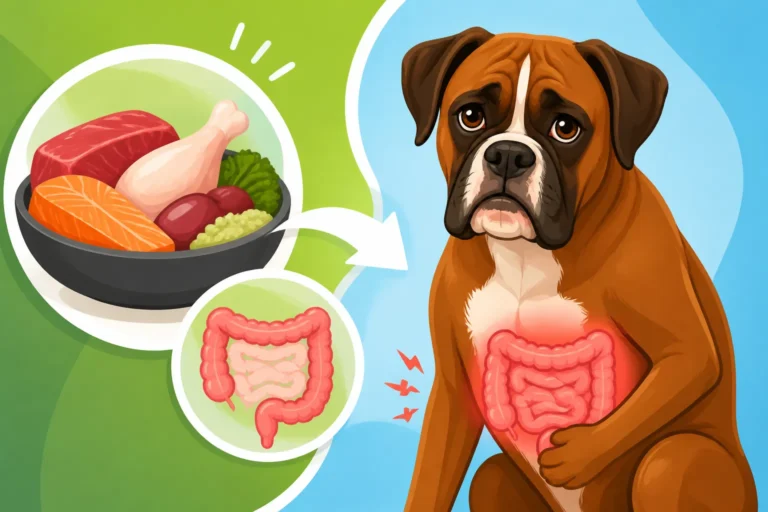
Beyond the skin, the digestive system is another frequent battleground for food allergies. Boxers are known for having sensitive stomachs, and while a little gas or an occasional loose stool might seem normal, persistent digestive upset is not. If your Boxer is experiencing chronic or recurrent diarrhea, frequent vomiting, or excessive, foul-smelling gas, a food allergy could definitely be at play.
You might also notice changes in their stool, such as it being softer than usual, having mucus, or even containing flecks of blood. Some Boxers might show a decreased appetite due to nausea or simply feel generally unwell. It’s not just about an upset stomach; it's about their body struggling to process something in their diet. If you're seeing signs like Bloody Mucus in a Young Boxer's Stool, it's definitely time to investigate further with your vet.
Less Obvious Clues: Ear Infections and Paw Licking
Sometimes, the signs of a food allergy aren't as straightforward as a rash or diarrhea. Chronic ear infections, especially those that keep recurring despite treatment, can be a subtle but significant indicator. If your Boxer's ears are constantly red, itchy, waxy, or smelly, and your vet has ruled out other causes like ear mites or yeast, then food could be the underlying issue.
Excessive paw licking and chewing is another one of those sneaky symptoms. While Boxers do groom themselves, if your dog seems obsessed with their paws, constantly nibbling, or if their paws appear red and irritated, it’s worth considering an allergy. This behavior is often a desperate attempt to relieve an all-over itchiness that manifests strongly in their extremities. It's easy to dismiss these as quirky habits, but they can be a clear cry for help from your dog's immune system.
Why Chicken and Beef Are Common Culprits for Boxer Allergies
It might seem strange that such common ingredients as chicken and beef, staples in many dog foods, could be problematic. But for our Boxers, these proteins are frequently identified as allergens. Understanding why can help you navigate their dietary needs.
Protein Exposure and the Immune System
Food allergies develop over time with repeated exposure to a particular protein. Think of it like this: the more your Boxer’s immune system encounters a specific protein, the higher the chance it might eventually decide that protein is a threat, leading to an allergic reaction. Since chicken and beef have historically been, and continue to be, extremely common protein sources in commercial dog foods, Boxers are exposed to them frequently throughout their lives, often from puppyhood.
This constant exposure means that these proteins are common candidates for an immune system to become sensitized to. It’s not necessarily that chicken or beef are inherently "bad" proteins, but rather that their prevalence in the pet food market makes them statistically more likely to trigger an allergic response in susceptible individuals, like some of our Boxers. It’s a numbers game, in a way, born from how widely these ingredients are used.
Boxers and Sensitive Stomachs: A Perfect Storm
Boxers, as a breed, are often predisposed to various gastrointestinal sensitivities. They can have delicate digestive systems, which means they might be more prone to developing food allergies or intolerances compared to some other breeds. This sensitivity, combined with the widespread use of chicken and beef, can create a perfect storm for allergic reactions.
Their unique genetics and sometimes particular gut microbiomes can make them more reactive to certain ingredients. It’s why you’ll often hear Boxer owners discussing digestive issues and specific diet changes. For some Boxers, their system just doesn’t handle these common proteins well, leading to inflammation and the array of symptoms we discussed earlier. Finding Food That Settles a Boxer's Gut is a common quest for many of us.
The Difference Between Allergy and Intolerance
It’s crucial to distinguish between a food allergy and a food intolerance, though the symptoms can sometimes overlap. A food allergy is an immune system response. Even a tiny amount of the offending protein can trigger a significant reaction, which can range from mild skin itching to severe anaphylaxis (though the latter is rare in dogs for food allergies). The immune system creates antibodies to fight the "invader."
A food intolerance, on the other hand, does not involve the immune system. It’s a digestive issue. Your Boxer might have difficulty digesting certain ingredients, leading to symptoms like gas, bloating, and diarrhea, but without the systemic immune response or intense itching characteristic of an allergy. For example, some Boxers might have an intolerance to lactose or certain grains. While both require dietary changes, understanding the difference can help guide treatment and management strategies with your vet. This distinction can be subtle, and often only a vet can help truly determine whether it’s an allergy or an intolerance.
The Elimination Diet: Your Best Bet for Diagnosis
When you suspect a food allergy, the most reliable way to diagnose it is through an elimination diet. This isn't a quick fix, but it's a scientific approach that helps pinpoint the exact trigger. It requires commitment, but the clarity it provides is invaluable for your Boxer's long-term health.
The Process: How to Conduct an Elimination Diet Properly
An elimination diet involves feeding your Boxer a novel protein source and a novel carbohydrate source for a strict period, typically 8 to 12 weeks. "Novel" means proteins and carbs that your Boxer has never eaten before. The idea is to completely remove all potential allergens from their diet, allowing their system to clear out any inflammatory reactions.
During this period, your Boxer can eat only the prescribed food. No treats, no table scraps, no flavored medications, no flavored chew toys – absolutely nothing else. Even a tiny bite of an old food or a chicken-flavored dental chew can completely derail the process and send you back to square one. This is why consistency is paramount. You might choose a commercial "limited ingredient diet" (LID) with novel proteins like venison, duck, or kangaroo, or a hydrolyzed protein diet where the proteins are broken down into such small particles that the immune system doesn't recognize them as allergens. Eight Weeks of One Protein for an Itchy Boxer delves deeper into this essential step.
The key is to work closely with your veterinarian throughout this process. They can help you choose the most appropriate diet and ensure your Boxer is receiving all necessary nutrients.
Choosing a Novel Protein or Hydrolyzed Diet
When selecting a food for an elimination diet, you'll generally have two main categories:
- Novel Protein Diets: These foods feature a single protein source that your Boxer is unlikely to have encountered before. Common choices include venison, duck, rabbit, kangaroo, or even alligator. The carbohydrate source should also be novel, such as sweet potato, potato, or peas. Brands like Zignature or Natural Balance often offer limited ingredient options that might work, though you still need to scrutinize ingredients for hidden allergens.
- Hydrolyzed Protein Diets: These are prescription diets where the animal protein has been processed (hydrolyzed) to break it down into molecular sizes too small to trigger an immune response. Think of it like chopping a large, recognizable tree into tiny wood chips – the immune system can no longer identify it as a tree. Common hydrolyzed diets are often made with chicken or soy, but because they are so broken down, they usually don't cause a reaction. Your vet is the best resource for these specialized foods, which you might find available through pet supply retailers like Chewy or your vet clinic.
The choice between a novel protein or hydrolyzed diet depends on your Boxer's history, the severity of their symptoms, and your vet's recommendation. Hydrolyzed diets are often considered the "gold standard" because they virtually eliminate the protein as an allergen, but they can be more expensive.
The Reintroduction Phase: Pinpointing the Problem
After the 8-12 week elimination period, if your Boxer's symptoms have significantly improved or completely resolved, you've reached the crucial reintroduction phase. This is where you systematically reintroduce individual suspected allergens, one at a time, and observe your Boxer closely.
For example, if you suspect chicken, you would feed a small amount of cooked chicken as a treat or mixed into their novel diet for a few days. If symptoms return within 72 hours, you've found your culprit! You would then remove chicken again and wait for symptoms to resolve before trying another suspected allergen, like beef, in the same way.
| Phase | Duration | What to Feed | Purpose |
|---|---|---|---|
| Elimination Diet | 8-12 weeks | Exclusive novel protein or hydrolyzed prescription diet | Allow system to clear, observe symptom resolution |
| Challenge Phase 1 | 3-7 days | Introduce suspected allergen (e.g., chicken) | Observe for symptom return, confirm allergy |
| Washout Period | 7-14 days | Return to exclusive novel protein/hydrolyzed diet | Allow symptoms to subside before testing next allergen |
| Challenge Phase 2 | 3-7 days | Introduce next suspected allergen (e.g., beef) | Observe for symptom return |
| Permanent Diet | Long-term | Diet free of confirmed allergens, balanced and nutritious | Maintain health, prevent recurrence |
This reintroduction phase is essential for confirming the allergy, as simply improving on the elimination diet doesn't tell you what caused the problem, only that something in their old diet did. It's a meticulous process, but it's the most effective way to gain definitive answers and build a safe, sustainable diet for your Boxer.
Managing a Boxer with Diagnosed Chicken or Beef Allergies
Once you've confirmed that chicken or beef is the problem, managing your Boxer's diet becomes a lifelong commitment. It’s not just about avoiding those specific ingredients, but also understanding how to source food, prevent cross-contamination, and make broader lifestyle adjustments to keep them comfortable and healthy.
Sourcing Allergy-Friendly Food Options
The good news is that with increased awareness of pet food allergies, there are many more options available today than there once were. You'll want to look for commercial dog foods specifically labeled "limited ingredient" or "novel protein" that are guaranteed to be free of chicken and beef. Always read ingredient labels very carefully, as chicken fat or beef broth can sometimes be included even if the primary protein is something else.
Some pet food companies now specialize in allergy-friendly formulations. For example, brands like Ollie offer fresh, human-grade food services where you can customize recipes to exclude specific proteins, which can be a fantastic option for a Boxer with severe allergies. They provide complete and balanced meals that are formulated to avoid common allergens while being highly palatable. If fresh food isn't an option, many premium kibble brands also offer excellent lamb, salmon, duck, or venison-based recipes. You can often find a wide selection of these specialized foods on online retailers like Chewy or Amazon, allowing you to compare options and read reviews from other pet owners.
Don't forget about treats! Training treats and dental chews also need to be free of chicken and beef. There are many single-ingredient treats available, such as dried sweet potato or venison jerky, that can be safe choices. When you find a food that works, stick with it. Constant switching can sometimes introduce new potential allergens or simply upset a sensitive system.
Avoiding Hidden Allergens and Cross-Contamination
This is where managing a food allergy truly becomes a detective mission. Chicken and beef can hide in surprising places:
- "Natural Flavors": This vague term on an ingredient label can sometimes contain derivatives of common allergens. If you see it, proceed with caution.
- Gelatin or Collagen: Often derived from bovine (beef) or poultry sources.
- Broths and Fats: Even if the main protein isn't chicken or beef, chicken fat or beef broth might be added for palatability.
- Pet-Proofing Your Home: Make sure other pets' food bowls are inaccessible, and be vigilant about crumbs or dropped food if you're eating chicken or beef.
- Medications and Supplements: Many medications, especially chewable tablets, come in beef or chicken flavorings. Always ask your vet or pharmacist for unflavored alternatives or those made with a different protein.
- Chew Toys: Some flavored chew toys can also contain traces of allergens. Opt for unflavored, durable rubber or nylon toys.
- Gardening & Composting: Be mindful of where you compost kitchen scraps, especially if they contain chicken or beef, as a curious Boxer might try to get into it.
It's a continuous effort, but once you get into the habit of reading every label and being mindful of potential exposures, it becomes second nature.
Long-Term Management and Lifestyle Adjustments
Beyond the diet itself, long-term management involves supporting your Boxer's overall health and well-being.
- Regular Vet Check-ups: Even after diagnosis, regular vet visits are crucial to monitor your Boxer’s health, especially their skin and gut. Your vet can help you with Diet Changes for a Boxer With Colitis or other digestive issues that might still flare up.
- Supplements: Your vet might recommend supplements such as omega-3 fatty acids (like fish oil) to support skin and coat health, or probiotics to help maintain a healthy gut microbiome. These can often be helpful in reducing inflammation and promoting overall digestive comfort.
- Environmental Allergies: Remember that food allergies aren't the only cause of itching. Boxers can also suffer from environmental allergies (atopy) to things like pollen, dust mites, or mold. If your Boxer still has some itching or skin issues after successfully eliminating food allergens, it’s worth discussing environmental allergy testing with your vet. Telling Myelopathy From a Boxer Disc Injury is unrelated, but managing multiple health conditions is part of responsible Boxer ownership.
- Educate Others: Make sure anyone who cares for your Boxer (dog walkers, pet sitters, family, and friends) is fully aware of their dietary restrictions and the importance of not giving them any unauthorized treats or food.
Living with a Boxer who has chicken or beef allergies means being a bit more diligent, but it’s entirely manageable. By understanding the signs, properly diagnosing the issue, and carefully managing their diet, you can ensure your beloved Boxer lives a comfortable, itch-free, and happy life.
Disclaimer
This article is for general informational purposes only and does not constitute professional advice. Laws, prices and regulations vary by location and change over time. Consult a qualified professional for guidance on your specific situation.