Bloody Mucus in a Young Boxer’s Stool
There's nothing quite like the heart-sinking moment when you spot something truly alarming in your young Boxer's stool. That unsettling sight of bloody mucus can send any dedicated dog parent into a spiral of worry, immediately wondering if it's serious, what it means, and how quickly you need to act. This comprehensive guide is here to walk you through the common reasons why a young Boxer might be experiencing bloody mucus in their stool, helping you understand the potential culprits, when to seek immediate vet attention, and how to best support your beloved companion's sensitive digestive system.
Understanding What Bloody Mucus in Stool Actually Means
Seeing anything unusual in your dog's poop is naturally concerning, but bloody mucus can be particularly unsettling. It's a clear signal that something isn't quite right within their digestive tract, and understanding what you're actually seeing is the first step toward figuring out what might be going on.
The Appearance of Bloody Mucus
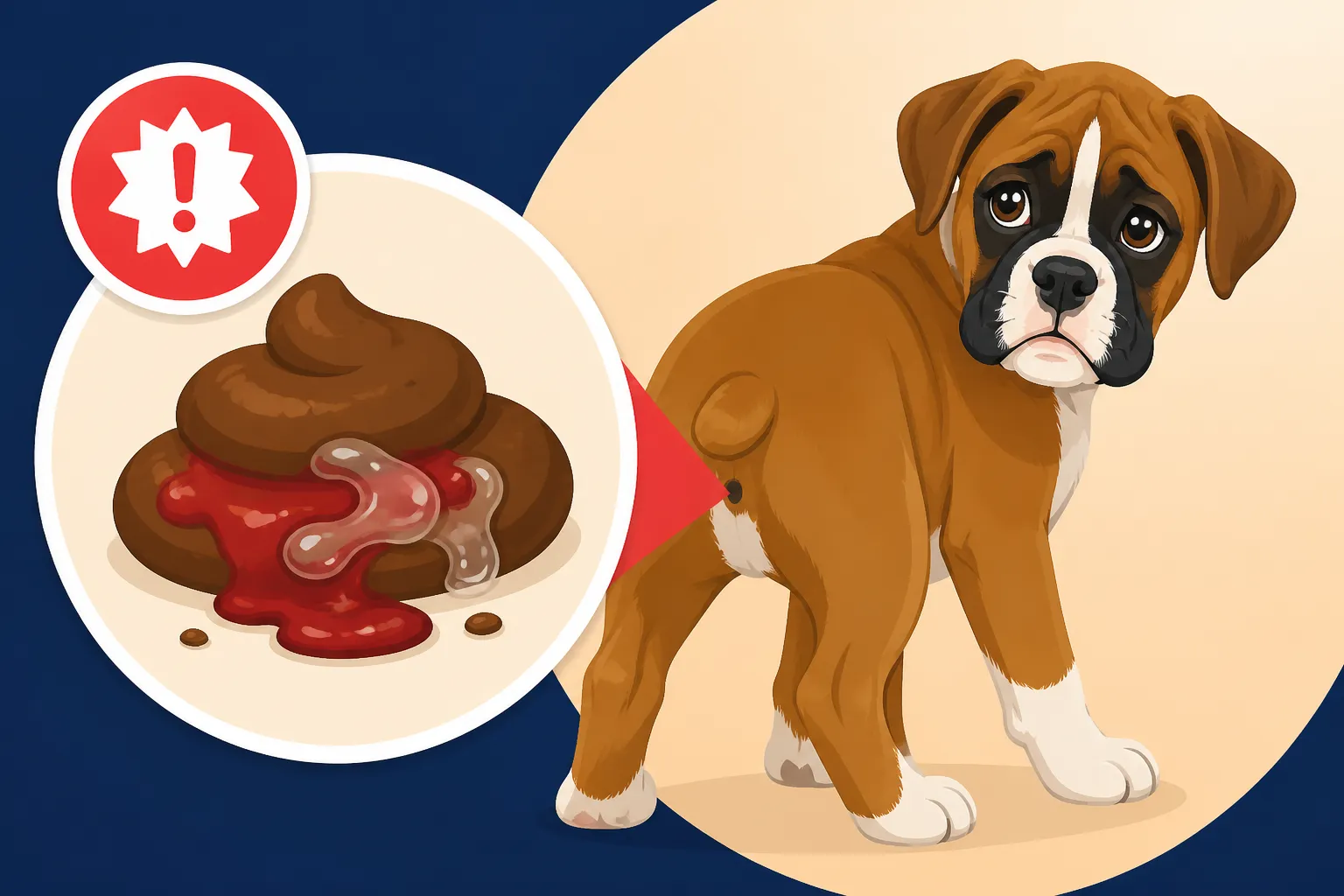
When we talk about "bloody mucus," it's important to distinguish between a few different visual cues. Fresh, bright red blood, often described as hematochezia, typically indicates bleeding lower down in the digestive system, such as the colon or rectum. It often appears as streaks on the outside of the stool, or mixed in with the mucus itself. This bright color means the blood hasn't been digested, suggesting a relatively recent or superficial irritation.
On the other hand, darker, tarry-looking stools, known as melena, suggest digested blood originating higher up in the digestive tract, like the stomach or small intestine. This usually signifies a more serious internal bleed and often doesn't involve visible mucus. For the purpose of this discussion, we're primarily focusing on the bright red blood accompanied by mucus, which is more common in the scenarios we'll explore with young Boxers.
As for the mucus itself, it often looks like clear, jelly-like goo, sometimes with a whitish or yellowish tint, either coating the stool or mixed within it. Think of it like a slimy coating. This mucus is produced by the lining of the intestines and is a natural protective barrier. However, when you see an excessive amount, especially when combined with blood, it's a strong indicator of inflammation or irritation in the intestinal lining. The body is producing more mucus in an attempt to protect the irritated gut wall, and the blood is a sign that this irritation is severe enough to cause minor bleeding.
Common Causes in Young Boxers
Young Boxers, often energetic and sometimes prone to eating things they shouldn't, are particularly susceptible to a range of gastrointestinal upsets that can manifest as bloody mucus in their stool. Their developing immune systems and often sensitive digestive tracts can react more dramatically than an older, more robust dog. It's not uncommon for a new puppy or a Boxer in their first couple of years to experience these kinds of symptoms.
One of the most frequent culprits is dietary indiscretion – essentially, eating something they shouldn't have, or a sudden change in their regular diet. Parasites are also a huge concern in younger dogs, as their immune systems are still learning to cope. Then there are bacterial infections, which can often piggyback on other stressors. And, of course, for Boxers specifically, we have to consider breed-specific inflammatory conditions, which can be a real headache for owners and vets alike. It’s a bit of a detective game, but knowing the usual suspects helps narrow down the possibilities.
Dietary Missteps and Sensitivities
Our Boxers are often known for their sensitive stomachs, and what they eat plays a monumental role in their digestive health. It’s easy to inadvertently upset their system, leading to uncomfortable symptoms like bloody mucus in their stool.
Sudden Food Changes or New Treats
One of the most common reasons for a sudden bout of gastrointestinal upset, including bloody mucus, is a rapid change in diet. Imagine if you suddenly switched your entire eating habit overnight – your stomach probably wouldn't be too happy about it! It's the same for our Boxers, whose digestive systems rely on a stable bacterial flora to process food efficiently. When you introduce a new food too quickly, without a gradual transition over several days to a week, it can throw their gut microbiome into disarray. This disruption can lead to inflammation, irritation of the intestinal lining, and consequently, diarrhea with mucus and sometimes streaks of blood.
This isn't just about switching main kibble brands. It can also be triggered by introducing a new type of treat, especially if it's rich, fatty, or contains ingredients your Boxer isn't used to. A generous handful of training treats they've never had before, or a large, novel chew that they devour, can have the same effect as a full-blown diet change. Think about the well-meaning friend who gives your pup a bite of their burger, or the special "high-value" treat you buy that turns out to be too much for your Boxer's delicate system. It's a painful lesson, but often the simplest explanation is the most accurate in these cases.
Food Allergies and Intolerances
Beyond sudden changes, some Boxers develop genuine food allergies or intolerances. This isn't just a temporary upset; it's a persistent reaction to certain ingredients in their diet. Common allergens for dogs often include proteins like chicken, beef, dairy, wheat, and soy. An intolerance might cause digestive upset without an immune response, while a true allergy involves the immune system, leading to more widespread symptoms, including chronic gastrointestinal issues, skin problems, and ear infections.
If your Boxer consistently shows signs of digestive upset, including bloody mucus in their stool, even on a stable diet, food allergies or intolerances should be investigated. Identifying these can be a long process, usually involving an elimination diet where you feed a novel protein source (like duck, venison, or rabbit) and a single carbohydrate source (like potato or sweet potato) for several weeks. During this time, absolutely no other food, treats, or flavored medications can be given. It's a commitment, but it's often the most reliable way to pinpoint the problematic ingredient. Once identified, managing it means avoiding that ingredient completely, often leading to a significant improvement in symptoms and overall quality of life for your Boxer. Sometimes, a vet-prescribed hydrolyzed protein diet, where the proteins are broken down into particles too small to trigger an allergic reaction, can also be a game-changer. For more on this, you might find our guide on Novel Protein Diets for a Boxer incredibly helpful.
Parasites and Pathogens: Uninvited Guests
Young Boxers are explorers, naturally curious and often putting their noses (and mouths) where they shouldn't. This adventurous spirit, combined with their developing immune systems, makes them prime targets for various internal parasites and bacterial pathogens that can wreak havoc on their digestive health.
Common Intestinal Parasites
Intestinal parasites are a frequent cause of bloody mucus in the stool, particularly in puppies and young dogs. They can be picked up from contaminated soil, water, other infected animals, or even from their mother before birth. Some of the usual suspects include:
- Giardia: This microscopic protozoan parasite is incredibly common and notorious for causing foul-smelling, greasy diarrhea, which can often contain mucus and sometimes blood. Puppies are especially vulnerable, and it's easily spread in environments where many dogs congregate, like dog parks or kennels. Diagnosis requires specific stool tests, and treatment involves anti-parasitic medications. If you're wondering about the nuances, we have a detailed discussion on Giardia Against Colitis in a Boxer.
- Coccidia: Another microscopic protozoan, Coccidia also causes diarrhea that can be watery, contain mucus, and sometimes blood. It's particularly prevalent in young, stressed, or immunocompromised puppies. Like Giardia, it's picked up from contaminated environments and requires specific medication for treatment.
- Roundworms and Hookworms: These are common intestinal worms. While often associated with pot-bellied puppies and dull coats, heavy infestations can lead to more severe gastrointestinal signs, including vomiting, weight loss, and diarrhea with mucus and blood. Hookworms, in particular, attach to the intestinal lining and feed on blood, which can directly cause bloody stools and even anemia. Regular deworming protocols are crucial for young Boxers to prevent and treat these common invaders.
The frustrating thing about parasites is that sometimes the symptoms can be subtle, or they can mimic other conditions. This is why routine fecal exams are so important, even if your Boxer seems perfectly healthy. Many of these parasites can't be seen with the naked eye, requiring microscopic examination of a fresh stool sample by your veterinarian.
Bacterial Infections
Beyond parasites, various bacterial infections can also cause inflammation and damage to the intestinal lining, leading to bloody mucus in a young Boxer's stool. These can be primary infections or opportunistic invaders that take advantage of a gut already compromised by stress, diet change, or other underlying issues.
- Clostridium perfringens: This bacterium is a common resident in the canine gut, but certain strains can overgrow and produce toxins that cause acute colitis. Symptoms often include sudden onset of large bowel diarrhea, which is characterized by urgency, straining, and the presence of copious mucus and fresh blood. It often appears as a "cow-pie" consistency with a jelly-like coating. It's frequently associated with dietary changes, stress, or other intestinal upsets.
- Certain strains of E. coli: While E. coli is also a normal part of the gut flora, some pathogenic strains can lead to severe gastrointestinal disease. In Boxers, a specific type of E. coli is strongly implicated in a severe inflammatory condition known as Histiocytic Ulcerative Colitis (HUC), or more commonly, Boxer Colitis. This bacterium can invade the colon wall, causing deep inflammation and ulceration, leading to chronic diarrhea with significant amounts of mucus and blood. Understanding Why E Coli Sits Inside a Boxer's Colon Wall can shed more light on this particular challenge.
Diagnosing bacterial infections often involves fecal cultures or specific toxin tests. Treatment typically includes antibiotics, alongside supportive care and sometimes dietary modifications. The key is to differentiate between the various causes, as the treatment for a parasitic infection will be very different from that for a bacterial one, or an inflammatory condition.
Inflammatory Bowel Conditions Specific to Boxers
While dietary indiscretion and parasites are common concerns across many breeds, Boxers have a particular predisposition to certain inflammatory bowel conditions that can be incredibly challenging and frustrating for owners. These conditions often present with persistent bloody mucus in the stool and can be much harder to diagnose and manage.
The Peculiarities of Boxer Colitis
If you're a Boxer owner, you've likely heard whispers of "Boxer Colitis" or Histiocytic Ulcerative Colitis (HUC). This is not just any run-of-the-mill inflammatory bowel disease; it's a specific, severe, and unfortunately, genetic condition that disproportionately affects young Boxers. It's heartbreaking to watch your vibrant puppy or young adult Boxer struggle with chronic, often debilitating diarrhea, accompanied by significant amounts of mucus and fresh blood. This condition is a chronic inflammatory disease of the large intestine (colon), where the lining becomes deeply inflamed and ulcerated.
The reason Boxers are so susceptible to this condition lies in a genetic predisposition that allows a specific type of invasive E. coli bacteria to colonize the colon wall. Unlike other forms of colitis, which might respond to general anti-inflammatory drugs or dietary changes, Boxer Colitis requires a very targeted approach. It’s a relentless disease that can dramatically impact a young Boxer's quality of life, often leading to weight loss, anemia, and lethargy if left untreated. Understanding Boxer Colitis and the Young Dogs It Hits can help new owners prepare for this potential challenge. It's a frustrating diagnosis, but knowing it's a possibility specific to the breed helps guide the diagnostic journey.
Symptoms Beyond Bloody Stool
While bloody mucus in the stool is a hallmark sign of Boxer Colitis and other inflammatory bowel issues, it's rarely the only symptom. These conditions often present with a cluster of signs that, when put together, paint a clearer picture of what's happening internally.
One of the most distressing additional symptoms is straining and urgency. Your Boxer might repeatedly posture to defecate, even after having already passed stool, only producing small amounts of liquid, mucus, or blood. This feeling of constant urgency can be incredibly uncomfortable for them and exhausting for you as you rush them outside time and again. We delve deeper into this frustrating symptom in Straining and Small Stools in a Boxer.
Other common accompanying signs include:
- Chronic diarrhea: This isn't just a one-off episode; it's persistent, often lasting for weeks or even months if untreated.
- Weight loss: Despite a good appetite, the inability to properly absorb nutrients due to severe inflammation can lead to a gradual and concerning loss of body condition.
- Lethargy: A Boxer struggling with chronic discomfort and nutrient loss will often be less energetic and playful than usual.
- Vomiting: While primarily a large bowel disease, severe cases can sometimes cause secondary vomiting.
- Anemia: Chronic blood loss, even small amounts daily, can eventually lead to anemia, which further contributes to lethargy and pale gums.
Recognizing this broader spectrum of symptoms is crucial, as it elevates the concern beyond a simple tummy ache and points towards a more serious underlying inflammatory process.
Diagnosing and Managing Boxer Colitis
Diagnosing Boxer Colitis definitely isn't a simple process of "rule it out" with a single test. Given its breed-specific nature and the involvement of invasive bacteria, a definitive diagnosis often requires an intestinal biopsy. This procedure, usually performed via endoscopy or exploratory surgery, allows the veterinarian to collect tissue samples from the colon lining. These samples are then sent to a veterinary pathologist who can identify the characteristic histiocytic inflammatory cells and, crucially, often detect the presence of the invasive E. coli bacteria within the tissue. This definitive step helps differentiate Boxer Colitis from other forms of inflammatory bowel disease that might look similar but require different treatments. For more detail on this, check out Diagnosing Boxer Colitis by Biopsy.
Once diagnosed, managing Boxer Colitis involves a very specific therapeutic approach. Unlike many other forms of canine colitis, this condition famously responds well to a particular antibiotic: Enrofloxacin (brand names like Baytril). The reason for this specific response lies in Enrofloxacin's ability to penetrate the colon wall and effectively target the invasive E. coli bacteria. In fact, Why Boxer Colitis Responds to One Antibiotic explains this mechanism in more detail. Treatment typically involves a long course of antibiotics, often for 6-8 weeks, sometimes even longer, and careful monitoring for recurrence.
Beyond antibiotics, dietary management plays a crucial supportive role. Often, a highly digestible, low-fat, and sometimes novel protein diet is recommended to reduce the workload on the inflamed gut. Probiotics and prebiotics can also help to restore a healthy gut microbiome. It's a long-term commitment, and while some Boxers can achieve remission, others may require intermittent treatment or lifelong dietary management. Our article on Diet Changes for a Boxer With Colitis offers practical advice for navigating this aspect of care. It's a testament to a Boxer owner's dedication that they often become experts in their dog's specific dietary needs!
| Symptom | Common Causes | Severity Indicator | Urgent Vet? |
|---|---|---|---|
| Bright Red Blood | Dietary Indiscretion, Parasites, Colitis, Trauma | Small streaks: Mild; Large amounts: Moderate-High | Yes, if persistent or profuse. |
| Dark/Tarry Blood | Upper GI Bleed, Ulcers | Always High | IMMEDIATELY |
| Excessive Mucus | Inflammation, Colitis, Irritation | Mild: Diet change; Profuse/Persistent: Moderate | Yes, if persistent or with blood. |
| Straining/Urgency | Colitis, Rectal irritation | Moderate-High | Yes, especially if unproductive. |
| Vomiting/Lethargy | Systemic illness, Severe infection, Dehydration | Always High | IMMEDIATELY |
| Weight Loss | Chronic inflammation, Malabsorption | Moderate-High (if sustained) | Yes, if unexplained. |
| Loss of Appetite | Any illness | Moderate-High | Yes, if sustained for 24+ hours. |
When to Seek Veterinary Care and What to Expect
When you see bloody mucus in your young Boxer's stool, your first thought is naturally, "Is this an emergency?" Knowing when to rush to the vet and what steps they'll take can alleviate some of that immediate panic.
Recognizing Red Flags
While a single episode of mild diarrhea with a tiny streak of blood might resolve on its own with a bland diet, certain signs should always prompt an immediate call or visit to your veterinarian. It’s better to be safe than sorry, especially with a young Boxer whose condition can sometimes deteriorate quickly.
Seek immediate veterinary attention if you observe any of the following:
- Profuse or continuous bleeding: If there's a significant amount of bright red blood, or if the bleeding doesn't stop.
- Dark, tarry stools (melena): This indicates digested blood from higher up in the digestive tract and is often more serious.
- Severe lethargy or weakness: If your Boxer is suddenly very tired, unresponsive, or collapses.
- Persistent vomiting: Especially if they can't keep any water down, as this can quickly lead to dehydration.
- Severe abdominal pain: Signs might include a hunched posture, sensitivity when touched around the belly, or crying out.
- Pale gums: This can indicate anemia due to significant blood loss.
- Unproductive straining: If your Boxer is repeatedly trying to defecate but nothing, or only tiny amounts of blood/mucus, comes out.
- High fever: While not always obvious, fever can indicate a serious infection.
If your Boxer is still acting relatively normal, playful, and eating, but has mild bloody mucus that persists for more than 24-48 hours, or if it recurs frequently, it’s definitely time for a non-emergency vet visit to investigate the underlying cause. Trust your gut feeling – you know your Boxer best.
The Diagnostic Process
Once you get to the vet, they'll embark on a systematic diagnostic process to pinpoint the cause of the bloody mucus. This usually starts with a thorough physical examination, where they'll check your Boxer's temperature, hydration status, listen to their gut, and gently palpate their abdomen for signs of pain or abnormalities.
The next crucial step is often a fecal examination. This involves analyzing a fresh stool sample (so bring one with you!) for parasites like Giardia, Coccidia, and intestinal worms. They might perform a direct smear, a fecal float, and sometimes specific antigen tests. If bacterial overgrowth or infection is suspected, a fecal culture might be recommended.
Depending on the initial findings and the severity of symptoms, your vet might suggest further diagnostics, such as:
- Blood tests: A complete blood count (CBC) can check for anemia, infection, or inflammation. A biochemistry panel can assess organ function and electrolyte balance, especially important if dehydration is a concern.
- Abdominal imaging: X-rays can help identify foreign objects, intestinal obstructions, or severe gas. Ultrasound can provide a more detailed view of the intestinal walls and surrounding organs.
- Endoscopy and biopsy: As discussed with Boxer Colitis, if chronic inflammation or specific conditions are suspected, an endoscope might be used to visualize the intestinal lining and collect tissue samples for histopathology. This is often the definitive diagnostic tool for conditions like HUC.
This entire process can sometimes feel like a whirlwind, and the costs can add up, especially for advanced diagnostics. This is where having pet insurance, such as a policy from Healthy Paws, can be a massive relief. Knowing that you can pursue every necessary diagnostic step without immediately worrying about the financial strain allows you to focus on getting your Boxer the best care possible.
Treatment Approaches
Treatment for bloody mucus in a young Boxer's stool will, of course, depend entirely on the underlying diagnosis. However, there are some common threads in how veterinarians approach these cases, often starting with supportive care.
- Supportive Care: Regardless of the cause, managing dehydration is paramount. This might involve subcutaneous fluids for mild cases or intravenous fluids for more severe dehydration. A bland diet, such as boiled chicken and rice, is often recommended initially to soothe the inflamed gut and give it a chance to rest.
- Medications:
- Antibiotics: If a bacterial infection is diagnosed or strongly suspected, antibiotics like metronidazole or, in the specific case of Boxer Colitis, enrofloxacin, will be prescribed.
- Anti-parasitics: Specific medications will be used to target Giardia, Coccidia, or intestinal worms.
- Anti-inflammatories: In cases of severe colitis not related to HUC, or as a secondary measure, anti-inflammatory medications might be used.
- Probiotics: These beneficial bacteria can help restore a healthy balance to the gut microbiome, aiding in recovery and long-term digestive health. Prebiotics, which feed the good bacteria, can also be beneficial.
- Dietary Management: For chronic conditions or food sensitivities, a long-term dietary plan is essential. This might involve prescription gastrointestinal diets, novel protein diets, or hydrolyzed protein diets. Consistency is key, and changes should always be made gradually, as detailed in Changing a Boxer's Food Without Upsetting It.
It’s important to follow your vet’s instructions precisely, especially when it comes to antibiotic courses. Stopping medication too early, even if symptoms improve, can lead to a relapse or antibiotic resistance. Your veterinarian is your best partner in navigating these challenges, and a strong relationship with them is invaluable when dealing with a Boxer's unique health needs.
Prevention and Long-Term Gut Health
While it's impossible to completely shield our Boxers from every potential tummy upset, there's a lot we can do as owners to promote their long-term gut health and minimize the chances of seeing that alarming bloody mucus again. It's all about consistent, proactive care.
Proactive Diet Management
One of the most powerful tools in preventing digestive upset is smart, proactive diet management. Boxers, as we've discussed, often have sensitive stomachs, so consistency is truly your best friend here.
- Choose a High-Quality, Consistent Diet: Stick to a high-quality dog food that agrees with your Boxer. Avoid frequent changes in brand or protein source unless absolutely necessary, and if a change is needed, do it very gradually over 7-10 days, mixing increasing amounts of new food with decreasing amounts of old food.
- Limit "People Food" and Rich Treats: While it's tempting to share, table scraps, especially fatty or spicy foods, can easily trigger pancreatitis or severe gastroenteritis. Be mindful of treats too. Opt for plain, easily digestible options, and introduce any new treats slowly and in small quantities. Even "natural" chews can cause upset if consumed too quickly or in large amounts.
- Avoid Dietary Indiscretion: This is often easier said than done with a curious young Boxer! But do your best to prevent them from eating things off the street, out of the trash, or from unknown sources in the yard. Secure trash cans and keep tempting items out of reach.
Building a solid dietary foundation is crucial for supporting your Boxer’s sensitive digestive system and can significantly reduce the likelihood of inflammation and irritation that leads to bloody stools.
Parasite Control and Hygiene
Given how common parasites are in young dogs and how easily they can cause bloody mucus, a robust parasite control strategy is non-negotiable.
- Regular Deworming: Follow your veterinarian's recommendations for regular deworming, especially for puppies and young Boxers. Many monthly heartworm medications also include broad-spectrum dewormers that target common intestinal parasites.
- Routine Fecal Exams: Even if your Boxer isn't showing symptoms, annual or bi-annual fecal exams are a good idea to catch subclinical parasite infections before they become problematic.
- Environmental Hygiene: This is huge! Always pick up your Boxer's poop promptly, both in your yard and on walks. This reduces the contamination of the environment, which is how many parasites are spread. Avoid dog parks or areas known to be heavily contaminated if your Boxer is particularly susceptible or very young. Regular cleaning and disinfection of food and water bowls can also minimize bacterial and parasitic exposure.
By being vigilant with parasite control and maintaining good hygiene, you can greatly reduce the risk of your Boxer picking up these unwanted internal guests.
The Role of a Good Vet Relationship and Pet Insurance
Finally, one of the most proactive steps you can take for your Boxer's long-term health is to establish a strong, trusting relationship with a knowledgeable veterinarian and consider investing in pet insurance.
- Regular Check-ups and Open Communication: Don't wait until there's a problem to see the vet. Regular wellness exams are crucial for catching potential issues early. Be open with your vet about any concerns, no matter how small they seem. They know your Boxer's breed-specific predispositions, like the risk of Boxer Colitis and the Young Dogs It Hits, and can offer tailored advice.
- Early Intervention: Addressing symptoms like occasional loose stools or minor changes in appetite early can prevent them from escalating into more serious conditions requiring extensive treatment. Your vet can advise on bland diets, probiotics, or initial tests before things get dire.
- Pet Insurance as a Financial Safety Net: Let's be honest, vet bills, especially for diagnostics and treatments for chronic conditions, can be incredibly expensive. Boxer Colitis, for example, often requires expensive diagnostics like biopsies and long courses of specific medications. Having pet insurance, like a policy from Healthy Paws, can provide immense peace of mind. It allows you to make medical decisions based on what's best for your Boxer, rather than being dictated by cost. Imagine getting a diagnosis and realizing that the necessary treatment is thousands of dollars – with insurance, a significant portion of that could be covered. It's definitely worth looking into Whether Pet Insurance Pays Off for a Boxer before any issues arise, as pre-existing conditions are usually excluded. It’s also wise to consider Insuring a Boxer Before the First Lump or before any chronic conditions manifest, to ensure maximum coverage. Understanding What a Boxer Policy Costs Each Month can help you budget for this essential safety net.
Taking these steps helps ensure your Boxer has the best possible chance at a long, healthy, and happy life, free from the worries of bloody mucus in their stool.
Disclaimer
The information provided in this article is for educational purposes only and is not a substitute for professional veterinary advice. If your Boxer is experiencing bloody mucus in their stool or any other concerning symptoms, please consult with your veterinarian immediately for an accurate diagnosis and appropriate treatment plan. Do not attempt to self-diagnose or treat your pet based solely on the information presented here.