Treats That Do Not Wreck a Boxer’s Diet
It's a familiar scenario for any Boxer owner: you're trying your best to keep your energetic companion healthy, lean, and thriving, but the moment they give you that soulful gaze, all thoughts of strict diets go out the window. We all want to reward our good boys and girls, whether for a stellar training session, a moment of calm, or just because they’re so darn cute. However, with Boxers being prone to a host of health issues, from sensitive stomachs to weight gain and even certain cancers, choosing the right treats isn't just about making them happy; it's about safeguarding their long-term well-being without inadvertently sabotaging their carefully managed diet. This guide is here to help you navigate the world of dog treats, showing you how to pick options that are both delicious for your Boxer and genuinely good for them.
Why a Boxer's Diet is So Important (and Easily Wrecked by the Wrong Treats)
Boxers are magnificent, athletic dogs, but they come with a few genetic predispositions that make their diet and overall health particularly critical. What might be an innocuous snack for another breed could potentially upset a Boxer's delicate system or contribute to bigger problems down the line. It’s not about being overly strict, but about being mindful and making informed choices.
The Boxer's Propensity for Weight Gain and Associated Risks
Let's face it, Boxers love to eat. Their boundless energy often makes us think they can burn off anything, but the truth is, many Boxers can easily put on extra weight, especially as they get older or if their exercise routine isn't perfectly matched to their caloric intake. Those extra pounds aren't just cosmetic; they significantly impact a Boxer's health. Added weight puts undue stress on their joints, potentially worsening conditions like arthritis or even accelerating the progression of degenerative diseases.
More critically, excess weight is a known contributor to heart strain. Given that Boxers are already predisposed to serious cardiac conditions like What Boxer ARVC Actually Does to the Heart and Subaortic Stenosis, adding body fat on top of that is a recipe for disaster. It means their heart has to work harder to pump blood throughout a larger body, and that extra effort can exacerbate existing heart issues or bring latent ones to the forefront sooner. Every treat, no matter how small, contributes calories. Understanding this can help you rethink that extra biscuit. It’s not just about managing their waistline, but also about protecting their vital organs.
Sensitive Stomachs and Food Sensitivities
Many Boxer owners know the struggle: finding a food that agrees with their dog's stomach can feel like a quest. Boxers are infamous for their sensitive digestive systems, with issues ranging from regular bouts of gas (a Boxer superpower, it sometimes seems!) to more serious conditions like Boxer Colitis. Introducing new or inappropriate treats can easily trigger an upset stomach, leading to diarrhea, vomiting, or even more persistent problems.
Common culprits in treats often include novel proteins, excessive fats, artificial ingredients, or common allergens like chicken, beef, or certain grains. If your Boxer has ever had an episode of bloody mucus in their stool, you know the panic that can cause, and often, an unknown treat or dietary indiscretion is the first suspect. Even if your Boxer isn't on a specialized diet like Prescription Diets for a Boxer With Colitis, it's crucial to be vigilant about what goes into their treat rotation. Sticking to single-ingredient options or those with limited, easily digestible components can save both you and your Boxer a lot of discomfort. For dogs with diagnosed Chicken and Beef Allergies in a Boxer, even trace amounts in treats can cause problems.
Cancer Risk and Diet Considerations
It's a sad reality that Boxers are disproportionately affected by certain types of cancer. Conditions like lymphoma, mast cell tumors, and brain tumors are all too common in the breed. While diet isn't the sole cause or cure for cancer, a holistic approach to nutrition is vital for overall health and strengthening the immune system. Ultra-processed treats, those high in artificial colors, preservatives, and questionable fillers, don't contribute positively to a Boxer's long-term health.
The goal isn't just to avoid adding "bad" things, but to actively choose "good" things that support cellular health. While a single commercial treat isn't going to cause cancer, consistently feeding a diet (including treats) that lacks nutritional value or introduces inflammatory ingredients can create an environment less conducive to good health. Thinking about the bigger picture – the Boxer's The Cancers That Take Most Boxers and lifespan – can help guide your choices even when it comes to small rewards.
Understanding Treat Calories and Ingredients
Making good choices starts with knowing what you're actually putting into your Boxer's body. Treat packaging can be confusing, full of marketing buzzwords, and sometimes light on actual, useful information. Learning to read labels critically is your first line of defense against diet-wrecking treats.
Decoding Treat Labels: What to Look For
When you pick up a bag of treats, don't just glance at the front. Turn it over and look at the ingredient list and guaranteed analysis.
- Ingredients List: This is crucial. Ingredients are listed in descending order by weight. You want to see whole, recognizable foods at the top. Think real meat (chicken, lamb, salmon), vegetables (sweet potato, peas), or fruits. Be wary of ambiguous terms like "meat by-products," "animal digest," or "meat meal" without specifying the animal. These can be inconsistent and may include rendered parts of questionable nutritional value. The fewer the ingredients, often the better, especially for a Boxer with sensitivities.
- Guaranteed Analysis: This section tells you the minimum percentages of crude protein and crude fat, and maximum percentages of crude fiber and moisture. While it doesn't tell you about ingredient quality, it can give you an idea of the treat's nutritional profile. For Boxers, who benefit from a lean, muscular build, you generally want treats that are higher in protein and moderate in fat.
- Calorie Count: This is often the most overlooked but most important piece of information. Treats can pack a surprising caloric punch. Many brands will list calories per treat or per cup/ounce. If it's not on the package, look it up online on the manufacturer's website. If you can't find it, consider that a red flag. Brands like Chewy often list this information clearly on their product pages, which is a huge help.
Ingredients to Watch Out For
Just as important as what to look for is what to avoid. Some ingredients offer little to no nutritional value and can even be detrimental to your Boxer's health.
- Artificial Colors and Flavors: These are purely cosmetic or used to make a treat appealing to owners, not dogs. They offer no benefit and some have been linked to hyperactivity or allergic reactions. Think about it: does your Boxer care if their treat is bright red or neon green? Probably not.
- Excessive Sugar and Sweeteners: Sugars like corn syrup, fructose, or even molasses, while natural, are often added in unnecessary amounts. They contribute to calorie intake without nutritional benefit and can lead to dental problems and weight gain. Artificial sweeteners should be avoided entirely.
- Chemical Preservatives: While some preservatives are necessary for shelf stability, synthetic ones like BHA, BHT, and ethoxyquin are controversial and best avoided. Look for treats preserved with natural alternatives like Vitamin E (tocopherols), Vitamin C (ascorbic acid), or rosemary extract.
- Excessive Fillers: Ingredients like corn, wheat, or soy are not inherently bad in moderation, but when they make up the bulk of a treat and displace more nutritious ingredients, they become "fillers." They can also be common allergens for sensitive dogs. Some Boxers thrive on grain-inclusive diets, but others do better with grain-free options if they show sensitivities. The key is balance and quality.
Calorie Counting: The 10% Rule
Veterinarians widely recommend that treats should make up no more than 10% of your dog's total daily caloric intake. This simple rule is a game-changer for managing a Boxer's weight and ensuring their main diet provides the necessary nutrition.
Let's say your 70-pound Boxer needs roughly 1400 calories per day to maintain a healthy weight (this is just an example, always check with your vet for specific needs for your individual dog, especially after a diagnosis like What Boxer Cardiomyopathy Costs a Family). That means only 140 calories should come from treats. If a single commercial biscuit contains 40 calories, you can quickly see how just a few "extra" treats can push them over that limit. This is why low-calorie options are so valuable. It allows you to give more individual treats without overfeeding.
Always factor in treats when portioning out their main meals. If you give a lot of treats during training, reduce their dinner portion slightly. This balance is key to keeping your Boxer lean and preventing Taking Weight Off a Boxer Without Losing Muscle.
Healthy Treat Options for Boxers
Now that we know what to look for and what to avoid, let's explore some fantastic, Boxer-friendly treat options. The good news is, there's a wide world of wholesome choices available that your dog will love just as much as, if not more than, the less healthy alternatives.
Single-Ingredient and Low-Calorie Commercial Treats
The market for healthy dog treats has exploded, which is great news for Boxer owners. Look for treats that boast minimal ingredients and clear, transparent sourcing.
- Freeze-Dried Meats: These are gold standard for many Boxer owners. Often made with just one ingredient (e.g., freeze-dried chicken, beef liver, salmon), they are highly palatable, packed with protein, and usually easy on sensitive stomachs. Brands readily available on Amazon or Chewy offer a variety of options. They are also fantastic for training because they are high value.
- Dehydrated Veggies/Fruit: Single-ingredient dehydrated sweet potato chews or apple slices can be excellent. Ensure there are no added sugars or preservatives. They offer fiber and vitamins.
- Low-Calorie Biscuits/Soft Chews: Many companies now make smaller, softer treats explicitly designed for training or for dogs on a diet. Look for options with wholesome ingredients like oats, brown rice, and specific meats or vegetables, and crucially, check that low-calorie count. Always opt for those with natural preservatives.
DIY and Human Food Treats
Sometimes the best treats are already in your kitchen! Making your own treats or using appropriate human foods gives you ultimate control over ingredients and calorie count.
-
Fruits and Vegetables: Many fruits and vegetables are safe and healthy for Boxers in moderation.
- Apples: (without seeds or core) A great source of fiber and vitamins.
- Carrots: Crunchy and good for dental health, low in calories.
- Green Beans: A fantastic, low-calorie snack, especially if your Boxer needs to lose a few pounds.
- Blueberries: Antioxidant powerhouses.
- Banana: In small amounts, a good source of potassium.
- Pumpkin: Plain, canned pumpkin (not pie filling!) is excellent for digestive health, whether your Boxer has loose stools or is straining. It's a natural source of fiber.
- Sweet Potato: Cooked plain sweet potato, either mashed or cut into small pieces, is highly digestible.
- Broccoli and Cauliflower: In small, cooked portions, they can be good sources of vitamins, but watch for gas production.
- Avoid: Grapes, raisins, onions, garlic, avocado, and anything with xylitol are toxic to dogs.
-
Lean Meats and Fish: Cooked, unseasoned lean meats like chicken breast, turkey, or even small pieces of cooked fish (salmon, cod) are high-value, high-protein treats. Always ensure they are thoroughly cooked and free of bones. These are often used as Rewards a Boxer Will Work Hard For in training.
-
Fresh Food Services: For owners looking for high-quality, human-grade food and treats, services like Ollie are becoming popular. While often marketed as meal replacements, many offer treats or simply allow you to portion out smaller bits of their fresh food recipes as high-value, extremely healthy training rewards. This aligns with the idea of providing real, whole foods as treats.
Dental Chews
Dental chews can serve a dual purpose: they act as a treat and help support oral hygiene. However, it's vital to choose wisely, as not all dental chews are created equal.
- Size and Durability: Ensure the chew is appropriately sized for your Boxer. Too small, and it's a choking hazard; too large, and it might be too much for a single session. Boxers are strong chewers, so look for durable options that don't splinter or break off into large chunks.
- Ingredients: Just like with other treats, scrutinize the ingredient list. Look for natural ingredients and avoid artificial colors, flavors, and excessive sugars. Many dental chews are high in calories, so factor them into your Boxer's daily intake.
- Effectiveness: While dental chews can help reduce plaque and tartar, they are not a substitute for regular brushing and professional dental cleanings. Some are more effective than others. Look for products that have a seal of approval from veterinary dental organizations. For a Boxer's unique Dental Cleaning Prices for a Boxer and undershot jaw, finding Dental Chews That Suit a Boxer can be a bit of a challenge, but they are out there.
Here's a quick comparison of popular healthy treat types:
| Treat Type | Pros | Cons | Calorie Consideration | Boxer Suitability |
|---|---|---|---|---|
| Freeze-Dried Meats | High protein, single ingredient, high value | Can be pricey, some can crumble | Moderate to High | Excellent |
| Plain Cooked Veggies | Low calorie, high fiber, vitamins | Some can cause gas, not all dogs love them | Very Low | Excellent |
| Plain Cooked Meats | High protein, high value, easy to digest | Requires prep, prone to spoilage if not stored well | Moderate to High | Excellent |
| Low-Calorie Biscuits | Convenient, portion-controlled | Ingredient quality varies, check labels carefully | Low | Good |
| Dental Chews | Helps with oral health, occupies dog | Can be high in calories, some ingredients questionable, not a substitute for brushing | Moderate to High | Good (with care) |
Smart Snacking Strategies for Your Boxer
It's not just what you feed, but how and when you feed it. Incorporating treats strategically can enhance your Boxer's training, provide mental enrichment, and strengthen your bond, all while keeping their diet on track.
Integration with Training and Enrichment
Treats are powerful motivators for Boxers, who, despite their intelligence, can be easily distracted or get bored if training isn't engaging. Using treats during training helps create positive associations and reinforces desired behaviors.
- High-Value Rewards: For teaching new commands or working in distracting environments (like at a dog park), you'll want high-value treats – something your Boxer absolutely adores, like small pieces of cooked chicken or freeze-dried liver. These are the "jackpots" that make them focus.
- Low-Value Rewards for Maintenance: For commands they already know or for just being calm, lower-value, very small treats (like a single green bean or a tiny piece of carrot) are perfect. This way, you can reward frequently without overfeeding.
- Puzzle Toys and Enrichment: Treats can be used to make mealtime or quiet time more stimulating. Stuffing a Kong or a puzzle feeder with a mix of kibble and a few healthy treats (like a smear of peanut butter, a few blueberries, or some pumpkin) can keep your Boxer mentally engaged, especially when you need them to settle down. This is especially useful for a breed that needs lots of mental stimulation, not just physical exercise. For a Boxer that tends to wreck things when under-exercised, these types of enrichment can be invaluable.
Portion Control and Timing
Mindful portion control is crucial. If you're giving treats throughout the day, it's easy to lose track.
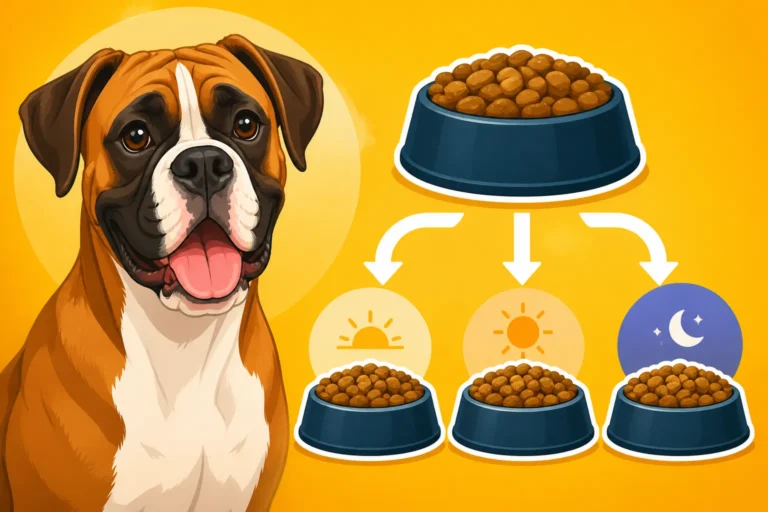
- Measure Daily Allowance: At the start of the day, measure out your Boxer's entire daily treat allowance (following the 10% rule) and put it in a separate container. Only use treats from that container. Once it's gone, it's gone. This simple trick prevents accidental overfeeding.
- Break Them Up: Even if a treat seems small, break it into even tinier pieces. Your Boxer doesn't care about the size of the treat; they care about the act of receiving a reward. You can get many more rewarding moments out of a single treat by breaking it into three or four pieces.
- Timing Matters: Avoid giving treats right before meals, as it can spoil their appetite for their nutritionally complete food. Instead, use them for specific purposes throughout the day. A small, healthy chew after a walk might be a good way to help them settle, or a low-calorie treat for a quiet moment. Be mindful of not giving them too many treats if they are on Medication for a Boxer With an Arrhythmia or other specific health protocols, as certain ingredients can interfere or add unnecessary calories.
Non-Food Rewards: Alternatives to Treats
While treats are fantastic, they don't have to be the only way to reward your Boxer. Integrating non-food rewards is excellent for their overall health and teaches them that good behavior earns many types of good things.
- Praise and Affection: A sincere "Good boy!" delivered with enthusiasm, a gentle ear scratch, or a belly rub can be incredibly rewarding for a Boxer. They thrive on attention and approval from their people.
- Playtime: A quick game of fetch, a tug session, or even just chasing a favored toy can be a highly motivating reward, especially for a high-energy Boxer. This reinforces the bond and burns a little energy at the same time. This is especially effective for a breed that often prefers play over food in certain situations. Whether a Boxer Trains Better for Food or Play is a good question to ask yourself and observe in your dog.
- Access to Privileges: Want your Boxer to lie down politely? Reward them by opening the door to the yard for some supervised play. Want them to sit calmly? Reward them by letting them jump in the car for a ride. These everyday privileges can become powerful rewards.
- Verbal Markers: Using a clear verbal marker like "Yes!" or a clicker immediately after the desired behavior tells your Boxer they did the right thing, even if a physical treat follows a moment later. This precision helps them understand exactly what they're being rewarded for.
By combining careful selection of healthy treats with smart, strategic use and a healthy dose of non-food rewards, you can keep your Boxer happy, motivated, and most importantly, healthy, for many years to come. It’s all about balance and making informed choices that support their unique needs.
Disclaimer
This article is for general informational purposes only and does not constitute professional advice. Laws, prices and regulations vary by location and change over time. Consult a qualified professional for guidance on your specific situation.