Coats and Sweaters for a Boxer
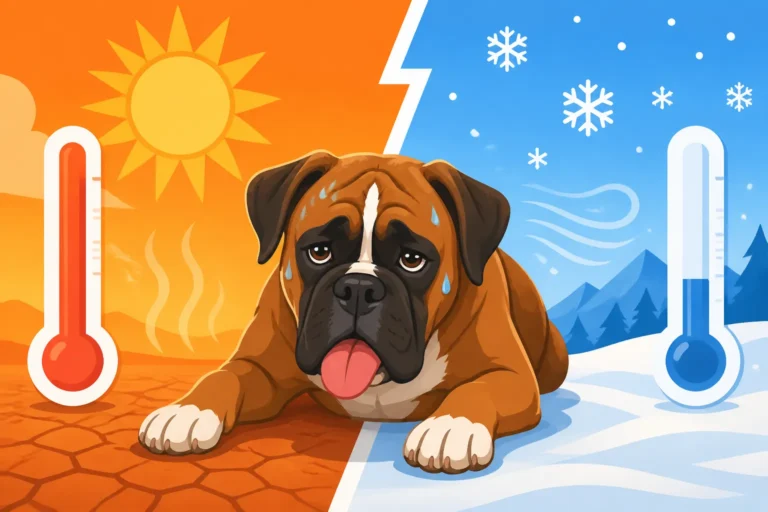
Few things are quite as heartbreaking as seeing your beloved Boxer shiver, whether it's on a crisp autumn morning walk or huddled by the door during a winter chill. Despite their muscular build and boundless energy, Boxers are surprisingly susceptible to cold weather, and it can be a real worry for owners trying to keep them comfortable and healthy. This guide is dedicated to helping you understand why your Boxer feels the cold more than you might expect, and how to choose and use coats and sweaters effectively to keep them warm, snug, and happy through every season.
Understanding Your Boxer's Unique Needs for Warmth
It's easy to look at a powerful, athletic Boxer and assume they're built to withstand anything. However, when it comes to cold weather, our beloved companions have some distinct characteristics that make them particularly vulnerable, setting them apart from many other breeds. Recognizing these traits is the first step in providing them with the proper protection.
The Boxer's Short Coat and Lack of Undercoat
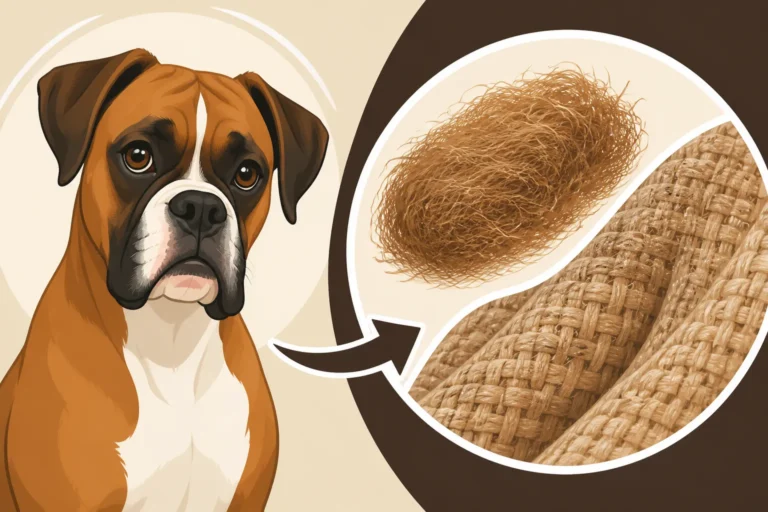
One of the most defining features of a Boxer is their sleek, short, and often shiny coat. While beautiful to look at and wonderfully low-maintenance in terms of grooming, this single layer of fur offers very little insulation against the cold. Unlike breeds with thick double coats, like a Siberian Husky or a German Shepherd, Boxers lack that dense, fluffy undercoat that acts as a natural thermal barrier.
Think about putting on a thin t-shirt in winter versus a thick wool sweater. That's essentially the difference between a Boxer's coat and a dog with an undercoat. When the temperature drops, especially combined with wind or dampness, their skin is almost directly exposed to the elements. This means that a Boxer can start to feel chilly long before a more heavily coated dog would, making them prone to shivering and discomfort even in temperatures that might seem mild to us. It's not just about extreme cold; even a breezy 50-degree day can be enough to make a Boxer uncomfortable if they're not actively running around.
Boxer Body Type and Heat Regulation
Beyond their coat, the Boxer's physical structure also plays a significant role in their ability to regulate body temperature. Boxers are lean, muscular dogs with a relatively low body fat percentage compared to some other breeds. While this contributes to their athletic prowess, it also means they have less natural insulation to fall back on when temperatures drop. A dog's fat layer helps to keep them warm, and with less of it, Boxers lose heat more quickly.
Furthermore, Boxers are a brachycephalic breed, meaning they have a "flat" or "short" muzzle. While this primarily impacts their ability to cool down efficiently in hot weather by panting, it can also indirectly affect their cold tolerance. A dog that struggles to breathe might expend more energy just to move around, leaving less energy reserve for maintaining body warmth. Their deep chests are a hallmark of the breed, but their legs are not overly long, bringing their bodies closer to cold ground or snow, which can draw heat away from them faster. This combination of a sparse coat, lean build, and sometimes compromised breathing efficiency means we, as their guardians, need to be extra vigilant in cold conditions. This is why paying attention to how they regulate temperature is crucial. Keeping a Short-Coated Boxer Warm in Winter covers this in more detail.
When a Boxer Absolutely Needs Extra Layers
It's not always just about the thermometer reading; several scenarios demand that you dress your Boxer in a protective layer. Recognizing these situations can prevent discomfort or even health issues.
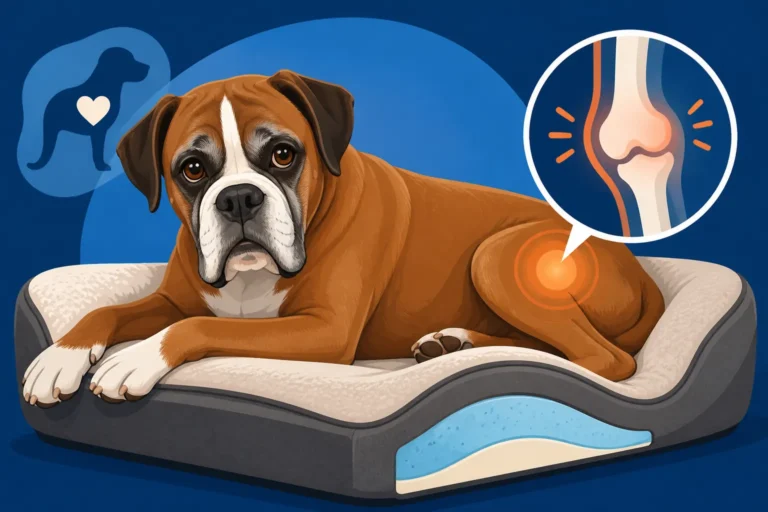
Firstly, elderly Boxers are almost always in need of extra warmth. As dogs age, their metabolism slows down, their circulation can become less efficient, and they often lose muscle mass, all of which reduce their natural ability to stay warm. An older Boxer might have arthritis, and cold can exacerbate joint pain, making a cozy sweater not just comfortable but therapeutic. If your Boxer is Caring for a Boxer Past Eight, a sweater or coat isn't just a nicety, it's a necessity.
Secondly, Boxers recovering from illness or surgery have compromised immune systems and may struggle more to maintain their core body temperature. A surgical site might also be sensitive to cold air. For instance, if your Boxer has recently had surgery, even indoor temperatures might feel too cool. A soft, warm sweater can provide much-needed comfort and aid in recovery. Similarly, if your Boxer has been diagnosed with a heart condition like ARVC, their body might be working harder internally, and conserving energy on warmth becomes vital.
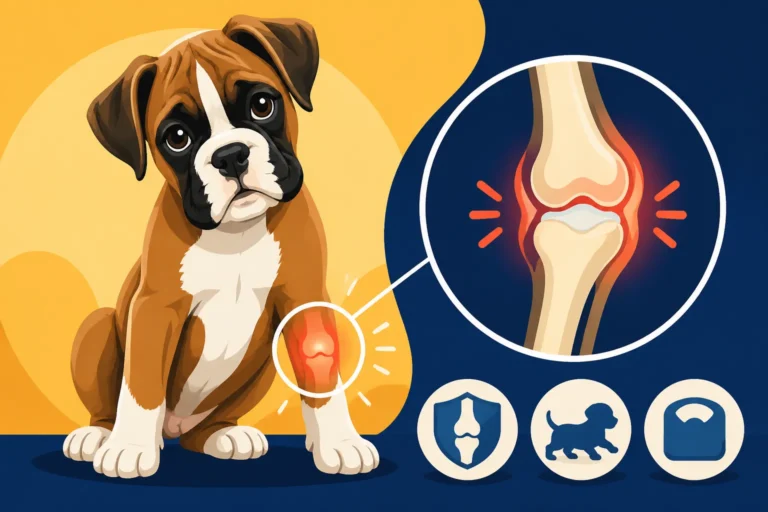
Thirdly, very young Boxer puppies are not as efficient at regulating their body temperature as adult dogs. Their small size means they lose heat quickly, and their sparse coats offer little protection. A tiny puppy sweater can be a lifesaver during chilly periods, especially if they are venturing outside for potty breaks.
Finally, any time the temperature drops significantly, especially below freezing, or if there's a biting wind or precipitation (rain, sleet, snow), a coat is absolutely essential for any Boxer spending time outdoors. It’s not just about walking; even quick trips out to the yard can expose them to enough cold to make them shiver. Pay attention to The Degrees at Which a Boxer Struggles to better understand safe temperature limits for your Boxer.
Choosing the Right Coat or Sweater for Your Boxer
With so many options on the market, picking the perfect coat or sweater for your Boxer can feel overwhelming. However, focusing on material, fit, and functionality will help you make the best choice for your furry friend's comfort and protection.
Material Matters: What Fabrics Offer the Best Warmth and Comfort
The fabric a coat or sweater is made from is paramount to its effectiveness. Not all materials offer the same level of warmth, water resistance, or breathability.
For sweaters, which are generally for milder cold or indoor wear, fleece is a fantastic choice. It's soft, lightweight, and excellent at trapping body heat. Many Boxers adore fleece because it's comfortable and non-restrictive. Look for anti-pill fleece to ensure it holds up through washes. Wool blends can also be very warm, naturally moisture-wicking, and breathable, though pure wool might be too itchy for some sensitive Boxer skin. Cotton blends can be comfortable for very light indoor warmth but offer little protection outdoors, especially if they get wet.
For outdoor coats, especially in wet or very cold conditions, you'll want something more robust. A good winter coat for a Boxer should have an outer shell that is water-resistant or waterproof, often made from nylon or polyester blends. This layer is crucial for keeping out rain, sleet, or snow, which can quickly turn a chilly Boxer into a dangerously cold one. Beneath this shell, an insulating layer is key. This could be a thicker fleece lining, synthetic fill, or even a down alternative. These layers work together to keep your Boxer dry and warm. Some specialized coats even incorporate reflective linings to bounce body heat back to the dog. The best materials balance warmth, weather protection, and durability for an active Boxer.
Fit and Sizing: The Importance of a Proper Fit
A coat or sweater is only effective if it fits properly. A poorly fitting garment can be uncomfortable, restrict movement, or simply fail to provide adequate warmth. Boxers have a unique body shape – deep chest, relatively short back, and a powerful neck – which can make finding off-the-rack clothing a bit of a challenge.
To get the right fit, you'll need to measure your Boxer. The three key measurements are:
- Back Length: From the base of the neck (where the collar sits) to the base of the tail. This ensures the coat covers enough of their body.
- Chest Girth: Around the widest part of their chest, just behind their front legs. This is crucial for Boxers due to their deep chests; a coat that's too tight here will restrict movement and breathing.
- Neck Girth: Around the base of their neck. This ensures a comfortable fit that isn't too tight or too loose.
Many brands provide sizing charts, and it’s always best to consult them. A coat that’s too loose can shift, allowing cold air in or getting caught on things. One that's too tight can chafe, cause discomfort, restrict their natural gait, or even interfere with circulation. Pay attention to how the garment sits around their armpits and belly. There should be enough room for them to move freely, lie down comfortably, and relieve themselves without soiling the garment. Sometimes, going up a size to accommodate their chest and adjusting other areas with straps or elastic can work wonders. You can find a wide range of sizing options and styles on platforms like Chewy or Amazon, which often include customer reviews with sizing advice specific to different breeds.
Style and Functionality: Different Types for Different Needs
Just like human apparel, dog coats and sweaters come in various styles, each designed for different purposes and levels of protection.
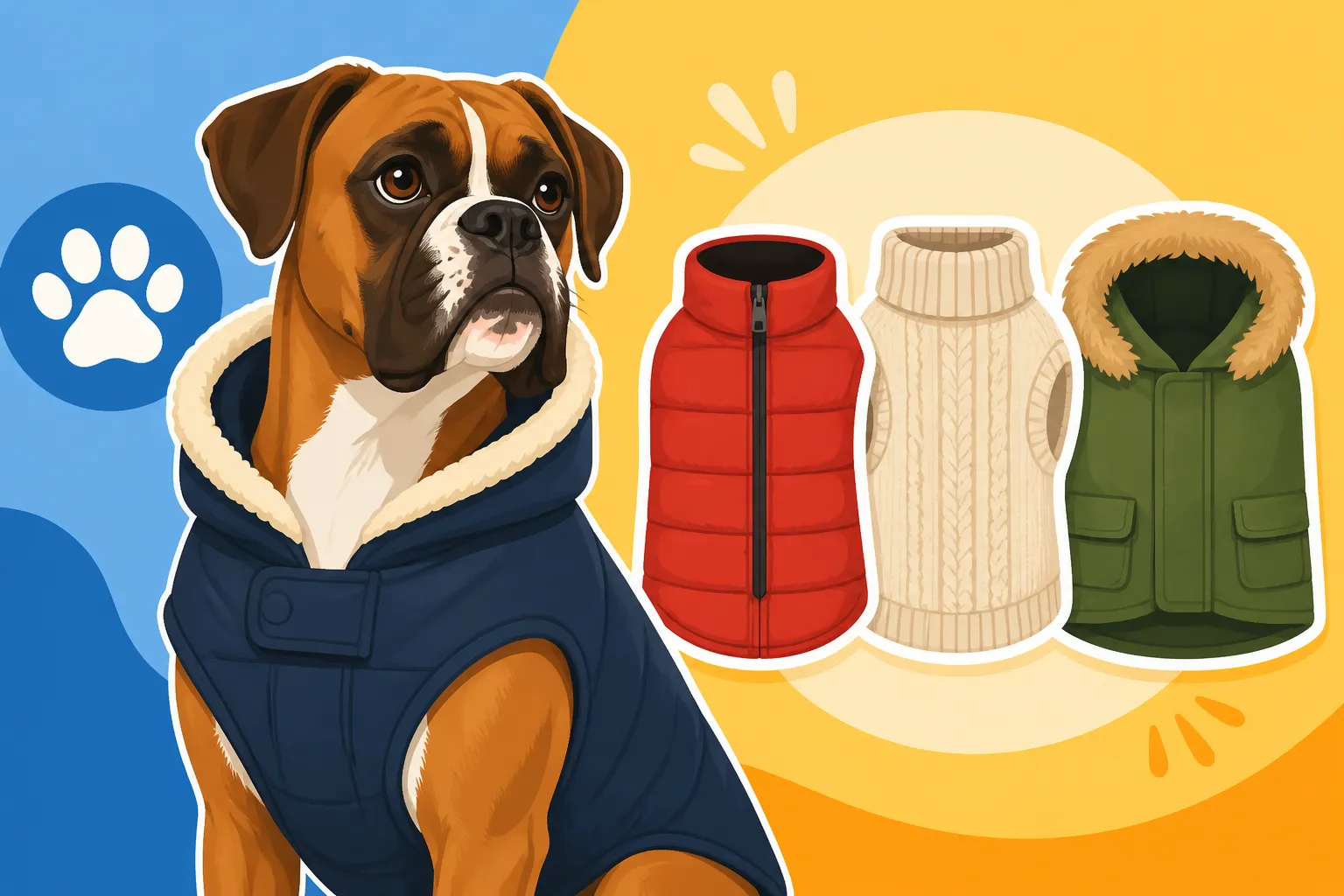
For general indoor wear or slightly chilly outdoor excursions in dry weather, a simple pullover sweater is often sufficient. These are usually made of fleece or knit materials and cover the torso, leaving the legs and belly mostly exposed. They're great for adding a layer of warmth without being cumbersome.
When heading outdoors in colder or wet conditions, a full-coverage coat is ideal. These coats typically feature a water-resistant outer layer, an insulating lining, and often extend further down the back and sometimes include a collar for neck warmth. Many also have belly straps or panels that offer protection to their underside, which is important since Boxers have short fur there. Some coats even come with integrated harnesses or leash attachments, which can be convenient.
For extreme cold, consider an insulated jacket that might cover more of the legs or have a hood. These are often designed with extra features like reflective strips for visibility during evening walks, which is a fantastic safety feature, especially with Boxers who love to explore. If your Boxer is sensitive to rain or snow, a rain slicker might be a smart choice to keep them dry, even if it's not particularly cold. Remember, staying dry is just as important as staying warm. Thinking about your local climate and your Boxer's activity level will help you narrow down the best style for their needs.
| Coat/Sweater Type | Best Use | Key Features | Considerations for Boxers |
|---|---|---|---|
| Fleece Sweater | Mild cold, indoor warmth, layering | Soft, lightweight, good heat retention | Great for deep chests, allows full movement |
| Insulated Winter Coat | Cold, windy, light snow/rain outdoors | Waterproof/resistant shell, warm lining, good coverage | Look for chest and belly coverage; ensure non-restrictive |
| Rain Slicker | Wet weather, light chill | Waterproof outer layer, minimal insulation | Essential for keeping them dry, often lightweight |
| Puffer Jacket | Very cold, dry conditions | Thick insulation (down/synthetic), often bulky | Excellent warmth, ensure it's not too restrictive |
| Thermal Base Layer | Extreme cold, under another coat, indoor | Thin, snug, wicking material | Can add extra warmth without bulk; useful for elderly dogs |
Practical Considerations and Care
Getting a coat or sweater is one thing, but making sure your Boxer is comfortable wearing it and that the garment itself lasts is another. A little preparation and consistent care can go a long way.
Introducing Your Boxer to Their New Wardrobe
Some Boxers take to wearing clothes like a duck to water, while others might be a bit wary. The key is to introduce their new wardrobe slowly and positively.
Start by letting your Boxer sniff and investigate the coat or sweater. Offer praise and a high-value treat just for being near it. Then, gently drape it over their back for a few seconds, immediately removing it and offering another treat. Repeat this process a few times a day, gradually increasing the duration they wear it. Don't force it; if they seem stressed, take a break and try again later.
When they are comfortable with it draped, try to put one paw through an armhole, then the other, again with lots of praise and treats. For sweaters, gently guide their head through the opening. Keep initial wearing sessions short, perhaps just for a minute or two, and distract them with a favorite toy or a quick training session. Take them outside for a potty break while wearing it, as the excitement of being outside might overshadow any initial discomfort. Make sure the first few times they wear it are associated with positive experiences, like a fun walk, playtime, or a car ride. Soon enough, they'll associate the coat with going on an adventure, and they'll likely be eager to put it on! This gradual introduction helps build positive associations, rather than making it a battle every time the weather turns chilly.
Cleaning and Maintenance
Just like your own clothes, your Boxer's coats and sweaters will get dirty. Mud, dirt, slobber, and even potty accidents are all part of a Boxer's life. Regular cleaning is essential not only for hygiene but also for the longevity and effectiveness of the garment.
Always check the care label on the coat or sweater. Most dog apparel is machine washable on a gentle cycle with cold water, but some might require specific care, especially those with waterproof coatings or delicate insulation. It's often best to use a mild, pet-safe detergent that is free of harsh chemicals or strong perfumes, as these can irritate your Boxer's sensitive skin or nose. Air drying is usually recommended, especially for waterproof materials, as high heat can damage the fabric's integrity. If you're using a dryer, opt for a low-heat setting.
Having a couple of coats or sweaters on hand can be really helpful, allowing one to be washed while the other is being worn. For quick clean-ups, especially on waterproof outer shells, a damp cloth can often wipe away mud or dirt. Regular cleaning prevents odors, keeps the fabric performing as intended, and helps to reduce any potential skin irritations from accumulated grime. Washing a Boxer Without Drying Out Its Skin might offer complementary advice for keeping their coat healthy when bathing after particularly muddy adventures.
When to Skip the Coat
While coats and sweaters are fantastic tools for keeping your Boxer warm, there are times when they are unnecessary or even detrimental. Overheating can be just as dangerous as being too cold for a Boxer.
Firstly, if the weather is mild or warm, your Boxer doesn't need a coat. Boxers can overheat easily, especially with their brachycephalic airway. If you're comfortable in a light jacket or t-shirt, your Boxer is likely fine without extra layers. Always consider the ambient temperature, the intensity of their activity, and whether they are in direct sunlight.
Secondly, avoid coats that are too tight or restrictive. If a coat prevents your Boxer from moving naturally, lying down comfortably, or breathing easily around their chest, it's doing more harm than good. Ill-fitting garments can cause chafing, sores, and unnecessary stress.
Finally, pay attention to your Boxer's individual cues. Some Boxers naturally run warmer or colder than others. If your Boxer is panting excessively, seeking out cool spots, or seems uncomfortable, remove their coat immediately. While a coat helps retain warmth, it doesn't allow for efficient heat dissipation, which Boxers rely on through panting. This is why How Fast a Flat-Faced Boxer Overheats is a critical piece of information for all Boxer owners. Always err on the side of caution; if in doubt, it's better to remove the coat and reassess.
In conclusion, dressing your Boxer in appropriate outerwear isn't just about fashion; it's a practical and often essential aspect of their care, ensuring their comfort and well-being in cooler climates or specific situations. By understanding their unique physical needs and making informed choices about materials, fit, and functionality, you can keep your energetic companion snug and happy throughout the year.
Disclaimer
This article is for general informational purposes only and does not constitute professional advice. Laws, prices and regulations vary by location and change over time. Consult a qualified professional for guidance on your specific situation.