Weight Gain and Coat Loss in a Boxer
It's incredibly disheartening when you start to notice subtle, or sometimes not-so-subtle, changes in your beloved Boxer. One day they're their usual bouncy, energetic selves, and the next you might catch them looking a bit heavier, or notice their beautiful, sleek coat isn't quite as lustrous as it used to be. These changes—especially weight gain and coat loss occurring together—can be a real cause for concern, and it's natural to feel worried. This guide will walk you through the common reasons behind these symptoms in Boxers, what they might signify, and what steps you can take with your veterinarian to get to the bottom of it.
Spotting the Subtle Shifts: What Weight Gain and Coat Loss Actually Look Like
When your Boxer is part of your daily life, it can be easy to miss the gradual changes that happen right under your nose. They might not suddenly put on ten pounds overnight, nor will their coat vanish in a single shedding spree. Instead, these things often creep up slowly, making them harder to pinpoint until they're quite noticeable.
Gradual Weight Creep and Body Changes
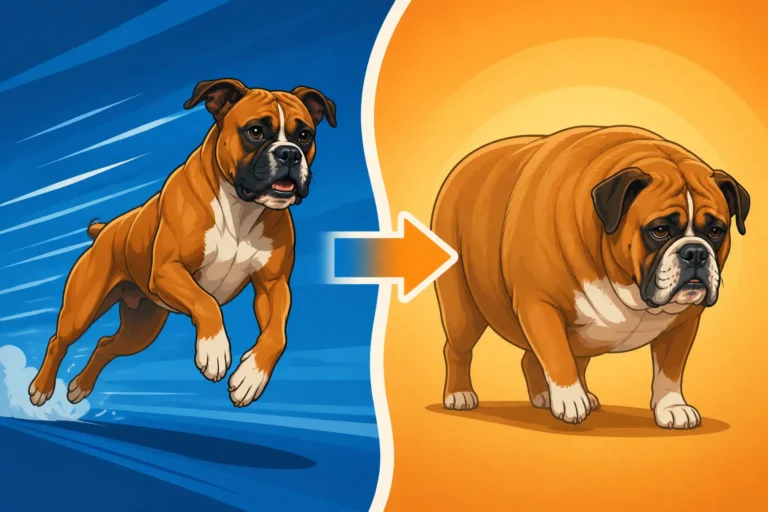
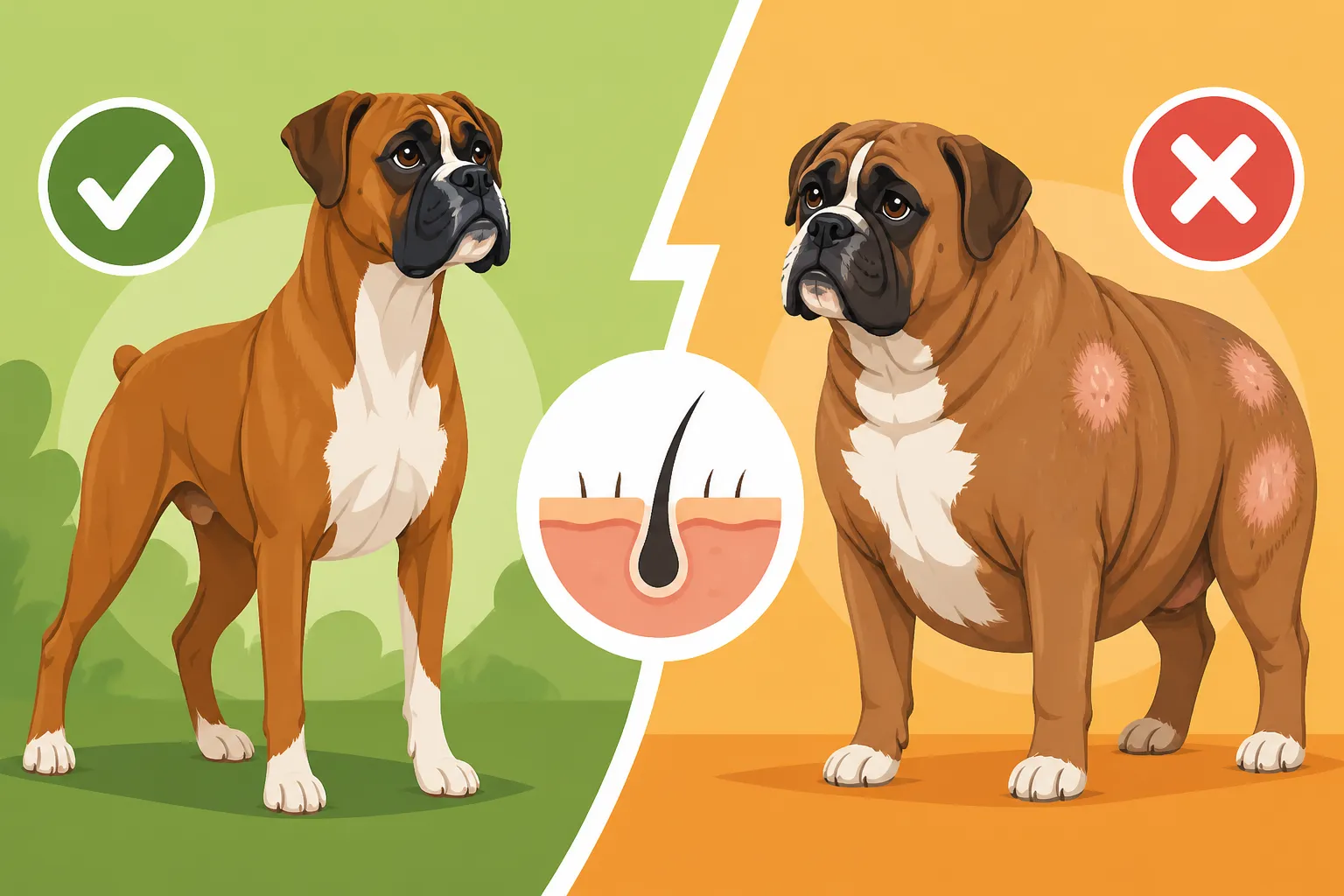
For many Boxer owners, the weight gain isn't about them suddenly looking obese, but more a "softening" of their typically muscular physique. You might notice their waist, which is usually quite defined, seems to fill out. Their ribs become harder to feel, even if you run your hands along their sides with gentle pressure. Their beautiful, athletic frame might start to look a little thick or even "barrel-chested" in a way that wasn't there before. Sometimes, it's not even a huge increase on the scale, but a redistribution of weight. They might appear a bit more rotund, or their legs might seem a little chunkier than usual.
It's also worth noting how their energy levels might shift. A Boxer is generally a high-energy dog, full of zest and playfulness. If they start to seem less inclined to jump for the frisbee, or their usual walk around the block leaves them more winded, it could be tied to this weight gain. A heavier dog naturally has more strain on its joints and heart, and for a breed already predisposed to cardiac conditions like Boxer Cardiomyopathy and the Holter Monitor, carrying extra pounds can exacerbate these issues. You might even find yourself asking, "What a fit Boxer Weighs" to gauge if your dog's current weight is within a healthy range for the breed.
The Unmistakable Decline in Coat Quality
A Boxer's coat is naturally short, dense, and shiny. When you start to see coat loss, it's rarely dramatic balding all over. Instead, it often manifests as a thinning, dullness, or even a brittle texture. You might notice more hair on your furniture, their bed, or even clinging to your clothes after a cuddle session. The areas most commonly affected by non-seasonal coat loss are usually symmetrical, meaning it happens on both sides of the body in the same places. This can include their flanks, the back of their thighs, or along their belly. The skin underneath might also look different – it could be dry, flaky, discolored (often darker or more pigmented), or even feel cool to the touch.
Sometimes, the hair loss comes with other skin issues, like recurrent infections, itching, or a greasy feel to the skin. This isn't just a cosmetic problem; a compromised coat and skin barrier can leave your Boxer more vulnerable to environmental irritants and infections. It's not just about shedding; it's about a lack of regrowth or hair follicles entering a prolonged resting phase. Instead of a healthy sheen, their coat might appear dull, brittle, or sparse in places it shouldn't be. This can be particularly noticeable on their typically short and sleek coat, where even minor thinning stands out.
The Hypothyroidism Connection: Why Boxers Are Prone
When weight gain and coat loss present together in a Boxer, the first thing many veterinarians consider is hypothyroidism. This condition, where the thyroid gland doesn't produce enough thyroid hormone, is surprisingly common in Boxers. It's a frustrating situation because the symptoms can be vague at first, slowly chipping away at your dog's vitality.
Understanding Hypothyroidism in Boxers
The thyroid gland, located in the neck, plays a crucial role in regulating metabolism. It produces hormones that control everything from energy use to skin and coat health. When there isn't enough of these hormones, the body's processes slow down. For a Boxer, this means their metabolism dips, leading to weight gain despite no increase in food intake or even a decrease in activity. Simultaneously, the lack of thyroid hormones disrupts the hair growth cycle, causing hair follicles to stay in a resting phase for too long, resulting in the characteristic thinning or loss of coat.
Boxers, unfortunately, have a genetic predisposition to certain autoimmune conditions, and autoimmune thyroiditis (where the immune system attacks the thyroid gland) is a leading cause of hypothyroidism in the breed. This means it's not just bad luck; there's a higher chance your Boxer might face this challenge compared to some other breeds. It’s one of those things that responsible breeders will monitor, but it can still develop later in life. This is also why many owners ask, "Whether Boxer Hypothyroidism Explains Behavior", as changes in thyroid levels can sometimes even impact their demeanor, making them lethargic or even slightly irritable.
Common Symptoms Beyond Weight and Coat
While weight gain and coat loss are hallmark signs, hypothyroidism in Boxers often comes with a whole suite of other symptoms that can really hit home and show you that something is truly off with your usually spirited companion.
- Lethargy and Decreased Activity: This is often one of the earliest signs. Your once-playful Boxer might seem less interested in games, prefer to nap more, or be noticeably slower on walks. You might find them less enthusiastic about things they once loved, which can be heartbreaking for an owner.
- Cold Intolerance: Since thyroid hormones regulate body temperature, a hypothyroid Boxer might get cold easily. They might seek out warm spots, shiver more, or be reluctant to go outside in cooler weather. You might notice them curled up tighter than usual.
- Skin Changes: Beyond just coat loss, the skin itself can suffer. It might become dry, flaky, or even greasy. Some Boxers develop "rat tail," where the hair on the tail thins significantly, or "puppy coat," where the adult coat becomes soft and downy. Recurrent skin infections are also common, as the skin's natural defenses are weakened. You might see hyperpigmentation (darkening of the skin) in areas of hair loss, or a thickening of the skin, often described as "myxedema," which can give the face a puffy appearance.
- Mental Dullness: This is a tougher one to spot, but some owners report their hypothyroid Boxers seem less alert or less responsive. Their usual cleverness might seem dimmed, or they might seem a bit "slow."
Recognizing these symptoms together is key. If your Boxer is exhibiting several of these signs, especially the classic combination of A Boxer That Thickens and Slows Down, it's definitely time for a vet visit.
| Symptom Category | Hypothyroidism | Allergies / Skin Conditions | Cushing's Disease (Hyperadrenocorticism) |
|---|---|---|---|
| Weight | Gain (often despite normal eating) | Variable, often secondary to diet changes | Gain (pot-belly appearance) |
| Coat | Symmetrical thinning/loss, dull, brittle | Patchy loss, redness, itching, hot spots | Thinning, fragile, easily bruised skin |
| Energy | Lethargy, decreased activity, sluggishness | Variable, may be restless due to itching | Lethargy, muscle weakness |
| Skin | Dry, flaky, hyperpigmented, recurrent infections | Red, itchy, inflamed, scabs, oily/dry | Thin, stretch marks, recurrent infections |
| Other Key Signs | Cold intolerance, mental dullness, puffy face | Excessive licking/chewing, ear infections | Excessive thirst/urination, panting, pot-belly |
Getting a Diagnosis: What to Expect at the Vet
When you bring your Boxer to the vet with concerns about weight gain and coat loss, your veterinarian will start with a thorough physical examination. They'll check their weight, feel their body condition, assess their coat and skin, and look for any other subtle signs. This is also a good time to mention if your Boxer has been acting differently, perhaps if you've noticed "Whether Boxer Hypothyroidism Explains Behavior".
The Diagnostic Workup
The primary way to diagnose hypothyroidism is through blood tests that measure thyroid hormone levels.
- Baseline Thyroid Levels (T4): This is usually the first step. A low total T4 level can indicate hypothyroidism, but it's not always definitive. Other factors, like certain medications (steroids, NSAIDs) or other illnesses (sick euthyroid syndrome), can temporarily suppress T4 levels, even in a dog with a healthy thyroid.
- Free T4 (fT4) by Equilibrium Dialysis: This test measures the amount of unbound, active thyroid hormone in the blood. It's considered more accurate than total T4 and is less affected by non-thyroidal illnesses or medications.
- TSH (Thyroid-Stimulating Hormone): TSH is produced by the pituitary gland to stimulate the thyroid. In hypothyroidism, the pituitary tries to "kickstart" a failing thyroid, so TSH levels are often elevated. A low T4/fT4 combined with a high TSH is a strong indicator of primary hypothyroidism.
- Thyroid Autoantibody Tests (TgAA, T3AA, T4AA): These tests look for antibodies that attack the thyroid gland. If positive, it confirms an autoimmune cause for the hypothyroidism, which is common in Boxers. This information can be useful for breeding animals, as positive antibodies can indicate a genetic predisposition.
Your vet might also recommend a general blood panel (CBC and chemistry profile) to rule out other underlying health issues. These tests can help assess overall organ function, including "Kidney and Liver Values in an Aging Boxer," which can be important for tailoring treatment plans. Sometimes, the vet might also consider other endocrine disorders that can mimic hypothyroid symptoms, such as Cushing's disease, particularly if there are other signs like increased thirst and urination or a pot-bellied appearance.
Living with a Diagnosis: Management and Ongoing Care
Receiving a diagnosis of hypothyroidism for your Boxer can feel like a relief and a challenge all at once. The good news is that it's a very manageable condition with appropriate treatment. The challenging part is that it requires lifelong medication and regular monitoring.
Lifelong Medication and Dietary Adjustments
The primary treatment for hypothyroidism is daily thyroid hormone replacement therapy, typically with a synthetic levothyroxine (L-T4) medication. This medication is usually given twice a day, on an empty stomach, to ensure optimal absorption. It's important to give the medication consistently and exactly as prescribed by your vet. You'll likely start at a certain dose, and then your vet will perform follow-up blood tests, usually 4-8 weeks after starting treatment and again after any dose changes, to ensure the levels are within the therapeutic range.
As for diet, while there's no magic "hypothyroid diet," focusing on a high-quality, balanced diet is essential. If your Boxer has gained a significant amount of weight, your vet might recommend a controlled calorie diet to help them return to a healthy weight. This isn't about deprivation, but about finding the right balance to help your Boxer lose weight gradually and safely. You might even consult articles like "How Fast a Heavy Boxer Should Come Down" for guidance on healthy weight loss strategies. Ensuring your Boxer maintains a lean body condition is critical, especially given the breed's propensity for joint issues like Boxer Hip Dysplasia and Spondylosis and cardiac concerns.
Monitoring and What to Expect from Treatment
Once your Boxer starts on thyroid medication, you should begin to see improvements within a few weeks to a couple of months.
- Energy Levels: You'll likely notice the most dramatic change here. Your Boxer should regain their sparkle, their energy levels will pick up, and they'll be more eager to play and engage.
- Weight: Weight loss will be gradual. It usually takes several months for a Boxer to shed the excess pounds, combined with a healthy diet and increased activity.
- Coat and Skin: Skin and coat changes take the longest to resolve. It can take 3-6 months, or even longer, for their coat to grow back fully and regain its luster. The skin discoloration may fade, and any dryness or flakiness should improve.
- Behavior: If your Boxer's behavior was impacted, you should see them return to their normal, bright selves. This is often a huge relief for owners who were worried about their dog's personality shift.
Regular follow-up blood tests are crucial to ensure the medication dose is correct. Too little, and symptoms persist; too much, and your Boxer could develop hyperthyroidism symptoms like restlessness, increased thirst, and weight loss. These checks usually become less frequent once a stable dose is found, perhaps once or twice a year, as part of your Boxer's annual health check. These ongoing costs are something to factor into your budget, and many owners find that pet insurance, like a policy from Healthy Paws, can be incredibly helpful in covering the expenses of both diagnostics and long-term medication. It’s part of the "The Yearly Bill for a Seventy-Pound Boxer" that comes with responsible Boxer ownership.
It's a journey, but with consistent treatment and vigilant care, a Boxer with hypothyroidism can live a long, happy, and fulfilling life, bringing you many more years of their goofy charm and unwavering companionship. Knowing "What Changes in a Boxer After Seven" years can also prepare you for other age-related health shifts.
Other Potential Causes for Weight Gain and Coat Loss
While hypothyroidism is a prime suspect, it's crucial to remember that it's not the only cause for weight gain and coat loss in Boxers. Sometimes, these symptoms can point to other underlying issues, making a thorough veterinary investigation essential.
Cushing's Disease (Hyperadrenocorticism)
Another endocrine disorder that can present with similar symptoms is Cushing's disease, which is caused by an overproduction of cortisol by the adrenal glands. While less common than hypothyroidism, Boxers can certainly be affected. The symptoms of Cushing's can overlap, including symmetrical hair loss (often sparing the head and legs), a pot-bellied appearance, and sometimes lethargy. However, Cushing's typically also involves increased thirst and urination (polydipsia and polyuria), excessive panting, and sometimes thin, fragile skin that bruises easily. If your vet suspects Cushing's, additional blood and urine tests, and potentially imaging of the adrenal glands, would be necessary. Managing Cushing's is often more complex than hypothyroidism and might involve different medications or, in some cases, surgery.
Allergies and Chronic Skin Issues
While allergies might not cause significant weight gain directly, chronic inflammation and discomfort from severe skin allergies can lead to changes in activity levels and overall health that mimic some aspects of hypothyroidism. A Boxer constantly itching, licking, and chewing due to environmental or food allergies might develop patchy hair loss, skin infections, and a dull, unhealthy coat. The skin itself can become thickened, discolored, and greasy due to chronic irritation.
If allergies are the primary culprit, you might also notice:
- Intense Itching: Much more pronounced than with hypothyroidism.
- Red, Inflamed Skin: Often with scabs, hot spots, or recurring ear infections.
- Foot Chewing: Boxers will often chew or lick their paws incessantly when suffering from allergies.
Diagnosis for allergies involves ruling out other causes, potentially trying elimination diets if food allergies are suspected, or allergy testing. Treatment focuses on managing the allergic reaction through diet, antihistamines, steroids, or newer immunomodulatory drugs. This ongoing management can also be a significant financial commitment, reinforcing the value of comprehensive pet insurance plans from providers like Healthy Paws.
Nutritional Deficiencies or Imbalances
While less common in Boxers fed a high-quality commercial dog food, severe nutritional deficiencies can manifest as a poor coat and general ill health. For instance, deficiencies in essential fatty acids can lead to a dry, flaky coat and hair loss. Malabsorption issues, where your Boxer isn't properly absorbing nutrients from their food, can also cause a dull coat and weight loss (though sometimes weight gain if they're eating excessively to compensate).
It's important to discuss your Boxer's diet with your vet if you suspect a nutritional component. They can help you assess if the current food is appropriate or if a supplement might be beneficial. However, always consult your vet before adding supplements, as an imbalance can sometimes do more harm than good.
Other Health Conditions
In some cases, chronic pain (such as from arthritis in an older Boxer), heart disease, or even certain types of cancer can lead to lethargy and weight changes. While these might not directly cause symmetrical coat loss, they can certainly contribute to a general decline in health and vitality. This is why a thorough veterinary check-up is always the first and best step when you observe significant changes in your Boxer's health. It ensures that whatever the cause of your Boxer's weight gain and coat loss, you get an accurate diagnosis and the most effective treatment plan to get them back to their best.
Disclaimer
This article is intended for informational purposes only and does not constitute medical advice. Always consult with a qualified veterinarian for any health concerns or before making any decisions about your Boxer's health or treatment.