Whether Boxer Hypothyroidism Explains Behavior
It’s truly disheartening to see your once-vibrant Boxer start to act differently. They might become withdrawn, easily startled, or just seem… off. As Boxer owners, we know these dogs are full of life and personality, so when their behavior shifts, it’s natural to worry and wonder if there’s a deeper medical reason. This guide will explore whether hypothyroidism could be the hidden culprit behind those puzzling behavioral changes you’re noticing in your beloved Boxer.
Understanding Hypothyroidism in Boxers
When your Boxer isn’t quite themselves, a common underlying medical issue that often comes to mind for many Boxer parents is hypothyroidism. This condition, where the thyroid gland doesn’t produce enough thyroid hormones, can really throw a dog’s system out of whack. It’s not just about weight gain or a dull coat; these hormones play a crucial role in almost every bodily function, including brain chemistry and overall metabolism. Boxers, unfortunately, are among the breeds genetically predisposed to developing hypothyroidism, often showing signs as they move into their middle years.
The Hormonal Imbalance and Its Physical Impact
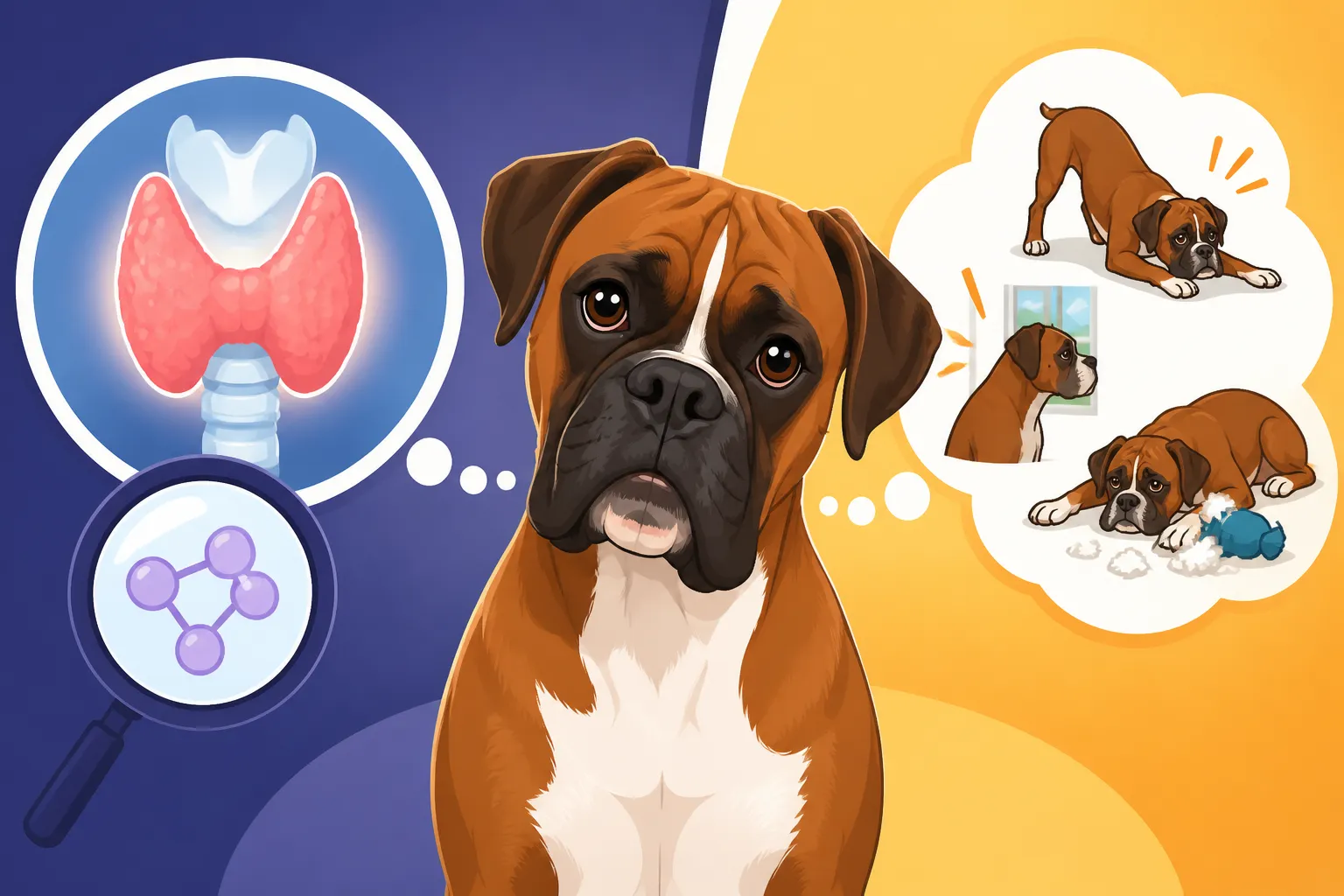
Imagine trying to run a complex machine when a vital component isn't working at full capacity. That's essentially what happens with a hypothyroid dog. The thyroid gland, located in the neck, produces hormones (primarily T3 and T4) that regulate metabolism. When these levels drop, everything slows down. This isn't just about how quickly they burn calories; it affects their heart rate, body temperature, energy levels, and even nerve function.
Think about a human feeling constantly sluggish, cold, and mentally foggy – that’s a glimpse into what a hypothyroid dog might experience physically. Their once-gleaming coat might become dry and brittle, perhaps even thinning, especially over the flanks. You might notice them gaining weight even if their diet hasn’t changed, or they seem less interested in their usual walks and playtime. These are all classic physical manifestations of a body struggling with insufficient thyroid hormones. Sometimes, these subtle physical changes precede any noticeable behavioral shifts, making it even harder to pinpoint the problem.
Common Physical Signs Beyond Behavior
While our focus here is on behavior, it's really important to know the physical signs that often accompany hypothyroidism, as they can sometimes be more obvious indicators. Owners might first notice a general "slowing down" that they initially attribute to age. They might sleep more, play less, and just seem less enthusiastic about life in general.
A common sign is unexplained weight gain, even if you’re feeding them the same amount. Their metabolism has just downshifted. Then there are the skin and coat issues: a dry, brittle, or thinning coat; excessive shedding; and sometimes even recurrent skin infections that don't seem to clear up completely. Some Boxers might develop a "tragic" facial expression, a thickening of the skin that gives them a puffy look around the eyes. Their body temperature might be slightly lower, and they might seek out warm spots more often. Occasionally, you might even notice some muscle weakness or a reluctance to exercise. These physical cues are often the first red flags that prompt a vet visit, which is good because early diagnosis can make all the difference. It's also worth noting that many of these symptoms could overlap with A Boxer That Thickens and Slows Down, so a thorough vet check is crucial.
Connecting Hypothyroidism to Behavioral Shifts
Now, let's get to the heart of the matter: can this hormonal imbalance really mess with your Boxer's personality? The answer is a resounding yes. While not every hypothyroid Boxer will display severe behavioral changes, it's absolutely a possibility, and sometimes these changes are the most distressing for owners. When a dog feels physically unwell, cold, or just generally "off," it can manifest in significant shifts in their temperament and how they interact with the world around them.
Increased Anxiety, Fear, or Irritability
One of the most heartbreaking behavioral changes linked to hypothyroidism is an increase in anxiety, fear, or even irritability. Imagine feeling constantly unwell, low on energy, and perhaps a bit achy or uncomfortable without really knowing why. This underlying sense of malaise can make a dog more reactive and less tolerant of things that never bothered them before. Your Boxer, who was once a social butterfly, might start to shy away from visitors, or even growl when approached unexpectedly. They might become easily startled by loud noises or sudden movements, jumping or retreating where they once would have just blinked.
This isn't aggression for aggression's sake; it often stems from a place of fear or discomfort. A dog feeling vulnerable or unwell is more likely to lash out to create space or protect themselves. What looks like "bad behavior" to us might actually be a desperate plea from a dog who simply doesn't feel safe or well enough to cope with normal daily interactions. They might even become clingier with one family member while being intolerant of others.
Lethargy, Dullness, and Lack of Interest
Another common behavioral change, which often goes hand-in-hand with the physical signs, is a noticeable decrease in energy, mental dullness, and a general lack of interest in activities they once loved. Your Boxer, once renowned for their boundless energy and goofy antics, might suddenly become a "couch potato." They might ignore their favorite toys, skip their usual greeting dance at the door, or turn down opportunities for a walk or a game of fetch.
It's easy to dismiss this as just "getting old," especially if your Boxer is past seven, but a sudden or dramatic shift warrants investigation. This isn't just physical laziness; it's a mental disengagement. Their cognitive function might be slightly impaired, making them seem less sharp, slower to respond to commands, or generally less "present." They might stare blankly, seem to forget routines, or have trouble focusing. For an owner used to their Boxer's bright, intelligent gaze and playful nature, this can be incredibly distressing. It really makes you wonder What Changes in a Boxer After Seven beyond just physical slowing.
Changes in House Training or Cognitive Function
While less common than generalized anxiety or lethargy, some Boxers with untreated hypothyroidism might experience subtle changes in their house training or more pronounced cognitive dysfunction. If your previously perfectly house-trained Boxer starts having accidents indoors, especially when they were always reliable, it's a huge red flag. It’s important to first rule out other medical causes like a urinary tract infection, but if those are clear, hypothyroidism could be a contributing factor.
The lethargy and dullness we discussed can extend to their awareness of bodily functions or their motivation to go outside. They might simply "forget" or be too slow to react to the urge. In some severe cases, the reduced metabolic function can lead to more significant cognitive issues, similar to canine cognitive dysfunction (CCD), but potentially reversible with treatment. This might manifest as disorientation, staring at walls, getting stuck in corners, or altered sleep-wake cycles. These behavioral shifts, when considered alongside other physical symptoms, paint a clearer picture that something internal is definitely out of balance.
Diagnosing and Treating Hypothyroidism in Boxers
If you're noticing any of these behavioral or physical changes in your Boxer, the very best thing you can do is talk to your veterinarian. Early diagnosis and treatment of hypothyroidism can lead to a remarkable turnaround, not just in their physical health but often in their personality too. It's a condition that, once identified, is relatively straightforward to manage.
The Diagnostic Process
Diagnosing hypothyroidism typically involves a thorough physical exam and a series of blood tests. Your vet will be looking for key indicators that point towards a low thyroid function. The most common tests include:
- Total T4 (TT4): This measures the total amount of thyroid hormone in the blood. However, this can be affected by other illnesses or medications, so it's not always a definitive answer on its own.
- Free T4 (fT4): This measures the "unbound" thyroid hormone, which is the biologically active form. It's often considered a more accurate indicator than TT4 because it's less affected by non-thyroidal factors.
- Canine TSH (cTSH): This hormone, produced by the pituitary gland, stimulates the thyroid to produce T4. If TSH is high, it suggests the thyroid isn't responding, indicating hypothyroidism.
- Thyroid Autoantibodies (TgAA): These tests look for antibodies that attack the thyroid gland itself, which can be indicative of autoimmune thyroiditis, a common cause of hypothyroidism in Boxers.
A full thyroid panel, often including all these markers, gives the most comprehensive picture. It's important for your vet to interpret these results carefully, as "normal" ranges can sometimes be tricky with Boxers. What might be considered a low-normal for another breed could be a concern for a Boxer. Sometimes, a specialist consultation might be recommended if the results are ambiguous or if other conditions are suspected. Understanding Kidney and Liver Values in an Aging Boxer might also be relevant if your vet is performing a broader blood panel to rule out other issues.
Here's a quick overview of what those blood test results might suggest:
| Test Result Combination | Interpretation |
|---|---|
| Low T4, Low fT4, High TSH | Consistent with Primary Hypothyroidism. The most common scenario. |
| Low T4, Low fT4, Normal/Low TSH | Could be early hypothyroidism, other illness (e.g., "euthyroid sick syndrome"), or certain medications. Further investigation needed. |
| Normal T4, Normal fT4, Normal TSH | Thyroid function is likely normal. Behavioral changes are likely due to another cause. |
| Normal T4, Normal fT4, High TSH | Suggests early or "compensated" hypothyroidism where the body is working harder to maintain normal T4/fT4. Requires monitoring. |
Treatment and Expected Changes
Once diagnosed, treating hypothyroidism in Boxers is relatively straightforward: it involves daily oral medication, typically synthetic levothyroxine (L-thyroxine), which is essentially a replacement for the missing thyroid hormone. The dosage will be carefully calculated by your vet based on your Boxer's weight and the severity of their condition.
The good news is that treatment often yields impressive results! Owners frequently report seeing improvements within a few weeks to a couple of months.
- Energy Levels: You'll likely see a return of their old spark. They might be more eager for walks, more playful, and generally more engaged with family activities.
- Behavioral Improvements: If anxiety, fear, or irritability were present, these can often significantly diminish as the dog feels better physically and mentally. Their confidence may return, and they might be more tolerant of visitors or new situations.
- Physical Signs: Weight management becomes easier, their coat quality improves, and any skin issues often resolve. The "tragic" facial expression may soften.
It's not an overnight fix, but the change can be profound. Treatment is lifelong, and your Boxer will need regular blood tests (initially every few weeks, then usually every 6-12 months) to ensure the medication dosage is optimized. This consistent monitoring is crucial for their long-term health and well-being. Think of it as investing in their happy, healthy future, and it’s why having a good pet insurance plan, like one from Healthy Paws, can be a real lifeline for managing these ongoing medication costs.
When Behavior Isn't Hypothyroidism
It's important to remember that while hypothyroidism can explain behavioral changes in Boxers, it's not the only possible cause. Our beloved Boxers are prone to a range of health issues, and many conditions can manifest with puzzling shifts in behavior. Therefore, even if you suspect hypothyroidism, it’s vital to work closely with your vet to rule out other possibilities and ensure an accurate diagnosis.
Other Medical Conditions Mimicking Thyroid Issues
Many other health problems can present with symptoms similar to those of hypothyroidism, both physically and behaviorally.
- Pain: Chronic pain from conditions like arthritis (common in Boxers, especially as they age, even if it's not Boxer Hip Dysplasia and Spondylosis), dental issues, or spinal problems can make a dog irritable, withdrawn, or reluctant to move. A dog in pain might snap if touched or handled, avoid interactions, or become lethargic.
- Organ Disease: Conditions affecting the kidneys, liver, or heart can lead to lethargy, appetite changes, and a general feeling of malaise that could be mistaken for hypothyroidism. What Boxer ARVC Actually Does to the Heart is a significant concern in Boxers, and a dog with heart issues might show reduced exercise tolerance and lethargy.
- Neurological Conditions: Seizures (which can sometimes be subtle, especially at onset), or even early stages of a brain tumor, can cause disorientation, behavioral shifts, or cognitive decline. For example, Seizures That Signal a a Boxer Brain Tumor would present very differently from hypothyroidism but still involve significant behavioral changes.
- Cancer: Sadly, Boxers are highly susceptible to various cancers, including lymphoma and mast cell tumors. A Boxer with cancer may experience pain, lethargy, loss of appetite, and general malaise, which can certainly affect their demeanor. Knowing The Cancers That Take Most Boxers and The Age Boxer Cancer Usually Appears highlights the importance of keeping cancer on the differential list when investigating any health changes.
- Vision or Hearing Loss: As Boxers age, their senses can dull. A dog who can't see or hear as well might become more anxious, easily startled, or appear disoriented because their world feels less predictable.
- Other Endocrine Disorders: While less common, other hormonal imbalances could also be at play, so a comprehensive veterinary work-up is always the safest approach.
This is why a thorough diagnostic process, including blood work, potentially X-rays, or even specialized consultations, is so important. You want to make sure you're treating the actual problem, not just guessing. It truly gives you peace of mind to know you've explored all avenues, and having comprehensive pet insurance from a provider like Healthy Paws can certainly ease the financial stress of these investigations.
Age-Related Cognitive Decline and Behavioral Training Needs
Sometimes, behavioral changes in older Boxers are genuinely a part of the aging process, specifically canine cognitive dysfunction (CCD), which is akin to Alzheimer's in humans. Signs of CCD can include:
- Disorientation: Getting lost in familiar places, staring at walls.
- Changes in social interaction: Increased clinginess or withdrawal.
- Sleep-wake cycle disturbances: Pacing at night, sleeping more during the day.
- House-soiling: Accidents indoors despite being trained.
- Activity changes: Decreased interest in play, increased anxiety.
While these symptoms overlap with hypothyroidism, specific tests can help differentiate. There are also medications and supplements available to help manage CCD.
Beyond medical issues, sometimes behavioral changes can simply be a result of unmet needs, a lack of consistent training, or environmental stress. A bored Boxer, for instance, can become destructive, noisy, or attention-seeking, behaviors that might be mistaken for medical issues. Remember, The Boxer Puppyhood That Lasts Three Years means they mature slowly, and even adult Boxers thrive on routine, mental stimulation, and plenty of exercise. If their exercise needs aren't being met, or if there's been a significant change in their household, these can all contribute to behavioral shifts that aren't rooted in illness. It’s always worth reviewing their daily routine and training consistency alongside any medical investigations.
Disclaimer
The information provided in this article is for educational purposes only and is not intended to be a substitute for professional veterinary advice, diagnosis, or treatment. Always seek the advice of your veterinarian or other qualified pet health provider with any questions you may have regarding a medical condition.