The SOD1 Test for Boxer Myelopathy
The heartbreaking reality for many Boxer owners is watching their beloved, energetic companions slowly lose the use of their back legs, often mistaking it for arthritis or old age. This decline can be agonizing, and often, the true culprit is a devastating neurological condition called Degenerative Myelopathy (DM). This comprehensive guide is here to shed light on DM in Boxers and, crucially, to explain the SOD1 genetic test that can provide invaluable information, offering clarity and empowering owners to make informed decisions for their dog's health and future.
Understanding Degenerative Myelopathy in Boxers
Degenerative Myelopathy is a progressive neurological disease that affects the spinal cord, specifically the white matter, which contains nerve fibers that transmit commands from the brain to the limbs. For Boxers, it's a particularly cruel twist of fate because this active, joyful breed is among those genetically predisposed to the condition. It's not a pain-driven disease, which can sometimes make it even harder for owners to pinpoint, as their dog isn't crying out in agony but rather losing function silently.
The Subtle Onset and Crushing Progression
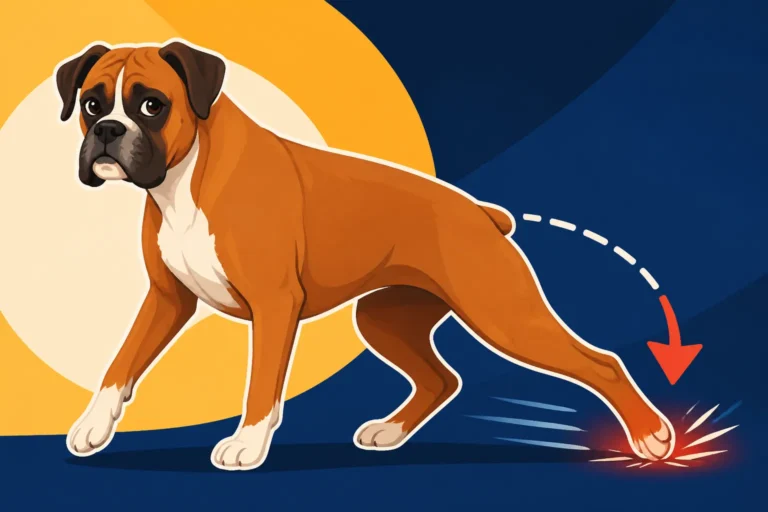
Imagine your typically boisterous Boxer, full of bounce and enthusiasm, suddenly seeming a little clumsier. Maybe they drag a back paw just slightly, scuffing their nails on the pavement, or struggle a bit more to get up from a lying position. These are often the first, insidious signs of Degenerative Myelopathy. It's so easy to dismiss these early symptoms as a minor sprain or just a sign of them getting a little older, especially since Boxers, being such stoic and eager-to-please dogs, often try to hide any discomfort or weakness.
As the disease progresses, these subtle signs become more pronounced. You might notice them having trouble with stairs, a distinct wobble in their hindquarters, or even seeming like they're "dancing" a bit on their back legs as they walk, trying to compensate for the weakness. Over time, the coordination deteriorates further, leading to more frequent tripping, falling, and eventually, the inability to stand or walk without significant assistance. The emotional toll of Watching a Boxer Lose Its Back Legs is immense, transforming a vibrant dog into one that is largely immobile. This progression typically unfolds over 6 months to 3 years, leaving families grappling with difficult choices and a profound sense of helplessness.
Differentiating DM from Other Conditions
One of the biggest frustrations for owners and vets alike is that the early symptoms of Degenerative Myelopathy can mimic so many other common canine ailments, particularly those affecting the hind limbs. Arthritis, hip dysplasia, intervertebral disc disease (IVDD), and even certain types of cancer can all present with similar lameness or weakness. It’s not uncommon for a Boxer to undergo extensive workups for these conditions—X-rays, anti-inflammatory trials, even MRI scans—only for them to offer no clear explanation or solution. This diagnostic journey can be costly and emotionally draining, leaving owners feeling frustrated and confused.
A Boxer might receive a diagnosis of Boxer Hip Dysplasia and Spondylosis based on X-rays, which, while potentially present, might not fully explain the rapid, progressive neurological decline characteristic of DM. The key difference lies in the type of weakness. DM primarily affects proprioception – the dog's sense of where its limbs are in space. They might not realize their foot is knuckling over, leading to scuffed nails and an uncoordinated gait, even when their muscles still have strength. This is where the SOD1 genetic test becomes a game-changer, offering a definitive piece of the puzzle much earlier than traditional diagnostics.
What Exactly Is the SOD1 Gene and Its Role?
At the heart of Degenerative Myelopathy in Boxers lies a specific genetic mutation. We're talking about the SOD1 gene, short for Superoxide Dismutase 1. Now, that might sound like a mouthful, but understanding this gene is absolutely crucial for grasping why DM affects Boxers and how the genetic test works. It’s not just a random mutation; it’s a specific change in the genetic code that impacts a protein vital for cellular health.
The Genetics of SOD1 and Disease Development
The SOD1 gene's job in a healthy dog is to produce an enzyme that helps protect cells from damage caused by free radicals. Think of it like a tiny cellular clean-up crew, keeping things tidy and preventing oxidative stress. However, in Boxers susceptible to DM, a specific mutation in this SOD1 gene leads to a faulty version of this protein. When this abnormal protein builds up, particularly in the spinal cord, it causes nerve fibers to degenerate. This degeneration is what ultimately disrupts the communication between the brain and the body, leading to the progressive weakness and paralysis that characterizes DM.
It's important to understand that Boxers, like humans, inherit two copies of every gene, one from each parent. The mutation that causes DM is considered an autosomal recessive trait. This means that a dog usually needs to inherit two copies of the mutated gene (one from each parent) to be "at-risk" of developing the disease. A dog with only one copy of the mutated gene is called a "carrier." Carriers typically do not develop DM themselves but can pass the gene on to their offspring. This pattern of inheritance is why careful screening of breeding dogs is so vital.
Why Boxers Are Uniquely Affected by SOD1
While other breeds can also get Degenerative Myelopathy, Boxers are particularly prone, and the SOD1 mutation is especially relevant to them. The reason for this heightened prevalence in Boxers, as well as in breeds like German Shepherds, Welsh Corgis, and Bernese Mountain Dogs, is due to specific genetic lines where the mutation became more widespread through breeding practices over generations. It's a testament to the fact that while we adore our Boxers for their vibrant personalities and striking looks, their unique genetic blueprint also carries certain vulnerabilities.
For a long time, the diagnosis of DM was often a "diagnosis of exclusion," meaning veterinarians would rule out every other possible cause of hind-end weakness before landing on DM. This was frustrating and time-consuming. The discovery of the SOD1 gene mutation has transformed this landscape, allowing for a much earlier and more definitive identification of dogs at risk, or those who are carriers. This knowledge empowers breeders to make more responsible pairings and allows owners of pet Boxers to understand the potential health challenges ahead, enabling them to plan for supportive care earlier.
How the SOD1 Genetic Test Works
Getting your Boxer tested for the SOD1 gene is a straightforward and non-invasive process, which is a huge relief for both you and your dog. Gone are the days when diagnosing something like DM was purely a post-mortem affair or a lengthy process of elimination. The genetic test offers a window into your Boxer's future health risks, providing actionable information right from the comfort of your home.
The Simple Collection Process
The most common method for collecting a sample for the SOD1 test is a buccal swab, which is essentially a fancy term for a cheek swab. You'll receive a kit from a reputable genetic testing company, such as Embark, Wisdom Panel, or the Canine Genetic Diseases Network. Inside, you'll find sterile swabs, often resembling large Q-tips, and instructions. The process involves gently rubbing the swab inside your Boxer's cheek pouch, along their gums, for about 10-30 seconds to collect enough cheek cells. It's important to make sure your dog hasn't eaten or drunk anything for at least an hour beforehand, as food particles can contaminate the sample.
Once you've collected the sample, you'll let the swab air dry and then place it back into its sterile packaging. This simple, pain-free method means you don't need a vet visit just for sample collection, though your vet can certainly guide you through it or collect it for you if you prefer. This ease of collection makes it accessible to any Boxer owner who wants to understand their dog's genetic predisposition, whether they are concerned about current symptoms or simply being proactive about their dog's long-term health.
What Happens at the Lab
After you've sent your Boxer's cheek swab back to the laboratory, the real science begins. The lab extracts DNA from the cells collected on the swab. Using specialized genetic sequencing techniques, they then analyze the SOD1 gene specifically, looking for the presence or absence of the known mutation linked to Degenerative Myelopathy. This analysis is incredibly precise, allowing them to determine whether your Boxer has two normal copies of the gene, one normal and one mutated copy, or two mutated copies.
The turnaround time for results typically varies depending on the lab and their current volume, but it's usually a matter of a few weeks. You'll receive a detailed report that clearly indicates your Boxer's genetic status for DM. This report is what empowers you to understand their risk and plan accordingly. Having this concrete information can alleviate the stress of uncertainty and help you focus on providing the best possible care for your Boxer, especially as they get older and issues like Degenerative Myelopathy in an Older Boxer might start to become a concern.
Interpreting Your Boxer's SOD1 Test Results
Receiving your Boxer's genetic test results can be a moment of anxiety, but understanding what those results actually mean is key to managing any potential concerns or simply gaining peace of mind. The report will typically categorize your Boxer's status into one of three main groups, each with different implications for their health and, if applicable, for breeding.
Decoding the Three Genetic Statuses
Most SOD1 test reports will use shorthand to explain your Boxer's genetic status, usually expressed as combinations of 'N' (Normal/Clear) and 'A' (At-risk/Affected).
- N/N (Normal/Clear): This is the best possible result. It means your Boxer has two normal copies of the SOD1 gene and does not carry the mutation. They are considered genetically clear and are highly unlikely to develop DM related to this specific SOD1 mutation. They also cannot pass the mutation on to any offspring.
- N/A (Carrier): A Boxer with an N/A result has one normal copy and one mutated copy of the SOD1 gene. This means they are a "carrier" for Degenerative Myelopathy. In most cases, carriers themselves will not develop DM because the single normal copy of the gene is usually sufficient to prevent the disease from manifesting. However, they can pass the mutated gene on to approximately 50% of their offspring. This status is critical for breeders to understand. The question of Whether one copy of the Boxer Myelopathy gene matters is primarily for breeding decisions, not usually for the health of the individual carrier dog.
- A/A (At-Risk/Affected): This result indicates your Boxer has inherited two copies of the mutated SOD1 gene, one from each parent. Boxers with an A/A result are considered "at-risk" of developing Degenerative Myelopathy during their lifetime. It's vital to understand that "at-risk" does not mean a 100% guarantee of developing the disease; rather, it means they have a significantly higher probability compared to N/N or N/A dogs. If they do develop DM, they will pass one copy of the mutated gene to all of their offspring.
What "At-Risk" Really Means
When a Boxer receives an A/A "at-risk" result, it's natural for owners to feel a wave of fear and sadness. However, it's crucial to process this information thoughtfully. As mentioned, an "at-risk" status means there's a strong genetic predisposition, but not an absolute certainty. Environmental factors, other genetic modifiers, and even lifestyle choices might play a role in whether the disease manifests and how quickly it progresses, though research is still ongoing in these areas. For most Boxers with the A/A genotype, clinical signs of DM will appear sometime between 8 and 14 years of age, but some may never show symptoms, or only very mild ones.
The value of this early information is immense. Knowing your Boxer is at-risk allows you to be hyper-vigilant for early symptoms like A Boxer That Drags a Back Foot and to proactively discuss preventative or supportive measures with your veterinarian. It shifts the dynamic from a reactive response to a progressive disease to a proactive approach to managing your Boxer's health and quality of life. This knowledge empowers you to plan for potential mobility aids like Carts and Slings for a Boxer With Myelopathy long before they might be needed and to ensure your pet insurance policy, like those offered by Healthy Paws, is in place well before any symptoms might arise, as many policies have waiting periods or exclude pre-existing conditions.
Managing Life with a Boxer and SOD1 Risk
Discovering your Boxer is a carrier or, more significantly, at-risk for Degenerative Myelopathy can be overwhelming. It’s natural to feel a mix of emotions – worry, sadness, perhaps even guilt. However, this knowledge is a powerful tool. It allows you to shift from uncertainty to proactive management, focusing on optimizing your Boxer's health and preparing for their future needs. While there is currently no cure for DM, there are many things you can do to support your dog.
Proactive Care for At-Risk Boxers
For Boxers identified as "at-risk" (A/A), the focus shifts to maintaining overall health and supporting neurological function for as long as possible. This means a strong emphasis on preventative care and a watchful eye for the earliest signs of the disease. Regular veterinary check-ups are paramount, especially as your Boxer ages, to monitor their gait, muscle tone, and neurological reflexes. Discussing early physical therapy exercises, even before symptoms appear, can be beneficial. These might include gentle stretching, balance exercises, and controlled leash walks to maintain muscle strength and proprioception.
Nutrition also plays a role. A balanced, high-quality diet that supports overall health, muscle mass, and contains antioxidants can be helpful. Some veterinarians might recommend supplements like Omega-3 fatty acids (fish oil), B vitamins, and antioxidants, though their direct impact on DM progression is still being studied. The goal isn't to prevent DM entirely, as it's a genetic disease, but to support the nervous system and body as a whole, potentially slowing the onset of symptoms or mitigating their severity. This proactive approach can make a real difference in your Boxer’s Boxer Lifespan and the Years That Decide It and overall quality of life.
Supportive Measures for Symptomatic Boxers
Once a Boxer starts showing clinical signs of DM, the management strategies revolve around maintaining mobility, comfort, and independence for as long as possible. This is where the empathetic side of Boxer ownership truly shines. Regular, gentle exercise tailored to their abilities is crucial to prevent muscle atrophy and maintain joint health. Hydrotherapy (swimming or underwater treadmill) can be particularly beneficial as it allows movement without bearing full weight, strengthening muscles and improving coordination in a low-impact way.
As the disease progresses, physical assistance becomes necessary. Non-slip rugs throughout the house can prevent falls on slick floors. Ramps can replace stairs, and supportive harnesses (front and rear) can help you lift and steady your Boxer during walks or when getting up. When walking becomes too difficult, a canine wheelchair or cart can restore a remarkable amount of mobility and independence, allowing your Boxer to continue enjoying walks and playtime. This support is not just physical; it's also deeply emotional, allowing you to cherish every moment with your loyal friend. Understanding that Whether Boxer Myelopathy Is Painful is often a concern, it's reassuring to know DM is not generally painful, but the loss of mobility can certainly lead to secondary discomfort from muscle strain or pressure sores, which also need diligent management.
The Broader Implications for Boxer Breeding
The SOD1 genetic test has revolutionized responsible breeding practices for Boxers. For generations, breeders tried to avoid producing puppies with DM, but without a genetic test, it was largely guesswork and hoping for the best, based only on observable symptoms in parent dogs. Now, breeders have a powerful tool to make informed decisions that can gradually reduce the incidence of this devastating disease in the Boxer population.
Ethical Breeding Practices with Genetic Screening
Responsible Boxer breeders view the SOD1 test as an indispensable part of their health screening protocol, alongside cardiac evaluations for Boxer Cardiomyopathy and the Holter Monitor and other breed-specific tests. The ethical imperative is to prevent producing "at-risk" (A/A) puppies. This means avoiding breeding two carriers (N/A x N/A) together, as such a pairing has a 25% chance of producing A/A puppies, a 50% chance of producing N/A carriers, and a 25% chance of producing N/N clear puppies. Breeding an N/A carrier with an N/N clear dog will produce 50% N/N clear and 50% N/A carriers, with no A/A at-risk puppies.
A truly ethical breeder will be transparent about the SOD1 status of their breeding dogs and can explain the implications. They understand that The Health Screening a Boxer Breeder Owes You extends beyond just the parents' physical health, delving into their genetic predispositions. While removing all carriers from the breeding pool might seem like a straightforward solution, it's more complex. Boxers have a relatively small gene pool, and removing all carriers could drastically reduce genetic diversity, potentially leading to other health problems. The more nuanced approach is to breed carriers strategically with clear dogs, ensuring no "at-risk" puppies are produced, while slowly working to reduce the carrier population over generations without sacrificing other valuable traits.
The Role of Owners in Supporting Responsible Breeding
As prospective Boxer owners, you have a critical role to play in supporting responsible breeding. Always ask breeders about their health testing protocols, specifically inquiring about SOD1 testing. A reputable breeder will not only have results for their breeding dogs but will be happy to share and explain them. They should be able to tell you the SOD1 status of both the dam and sire and confirm that no "at-risk" (A/A) puppies are being produced. If a breeder avoids the topic, claims it's not important, or doesn't have test results, it should be a major red flag.
By choosing a puppy from parents who have been genetically screened, you are not only increasing the likelihood of bringing home a healthy puppy but also supporting the breeders who are actively working to improve the health of the Boxer breed as a whole. This diligence helps to ensure that future generations of Boxers can continue to be the joyous, loving companions we all adore, free from the burden of preventable genetic diseases. Knowing the costs associated with caring for a Boxer, especially if they face health challenges, makes the initial investment in a well-bred puppy even more crucial. It's why many owners opt for pet insurance, but even with coverage from providers like Healthy Paws, preventative testing and responsible breeding are the first lines of defense against costly and heartbreaking illnesses.
Financial Planning for Degenerative Myelopathy
Even though the SOD1 test can inform you about your Boxer's risk for Degenerative Myelopathy, the reality is that managing any chronic health condition comes with financial implications. Being prepared for these potential costs is a crucial part of responsible pet ownership, allowing you to provide the best possible care without undue stress during an already challenging time.
Understanding the Costs Involved
The costs associated with managing Degenerative Myelopathy can vary widely depending on the stage of the disease, the interventions chosen, and where you live. Initially, diagnostic tests to rule out other conditions (X-rays, blood work, specialist consultations) can add up, even before a DM diagnosis is suspected or confirmed. Once DM symptoms begin, ongoing expenses include regular veterinary visits to monitor progression, medication for secondary issues (e.g., pain from muscle strain, bladder infections), and various supportive therapies.
Physical rehabilitation, which often includes hydrotherapy, massage, and therapeutic exercises, can be incredibly beneficial but typically costs anywhere from $50 to $150 per session, and often requires multiple sessions per week. Mobility aids are another significant expense: slings can range from $20-$100, while custom-fit canine wheelchairs can cost several hundred to over a thousand dollars. Home modifications, such as ramps and non-slip flooring, also represent an investment. Over the course of the disease, these cumulative costs can easily reach into the thousands of dollars, making prior financial planning vital for maintaining your Boxer's quality of life.
The Value of Pet Insurance and Savings
This is where having a robust pet insurance plan can truly be a lifesaver. Companies like Healthy Paws, for instance, offer comprehensive coverage that can help mitigate the financial burden of managing chronic conditions. However, it is absolutely essential to enroll your Boxer in pet insurance before any signs or symptoms of Degenerative Myelopathy appear, and ideally, as a young puppy. Pet insurance policies almost universally consider conditions that manifested or were diagnosed before enrollment (or during a waiting period) as "pre-existing conditions," which means they will not be covered. This principle applies to all health issues, not just DM. For many Boxer owners, asking Whether Pet Insurance Pays Off for a Boxer becomes a very real question when facing a serious diagnosis.
Even with insurance, there will likely be deductibles, co-pays, and services not fully covered, so having a dedicated "rainy day" fund for your Boxer's health is always a wise decision. Setting aside a small amount each month into a separate savings account can provide a buffer for unexpected costs or for treatments that insurance might not cover. While we all hope our Boxers live long, healthy lives without major illness, being financially prepared for conditions like DM ensures that you can always prioritize their well-being and provide them with the best possible care when they need it most.
Disclaimer
This article is for general informational purposes only and does not constitute professional advice. Laws, prices and regulations vary by location and change over time. Consult a qualified professional for guidance on your specific situation.