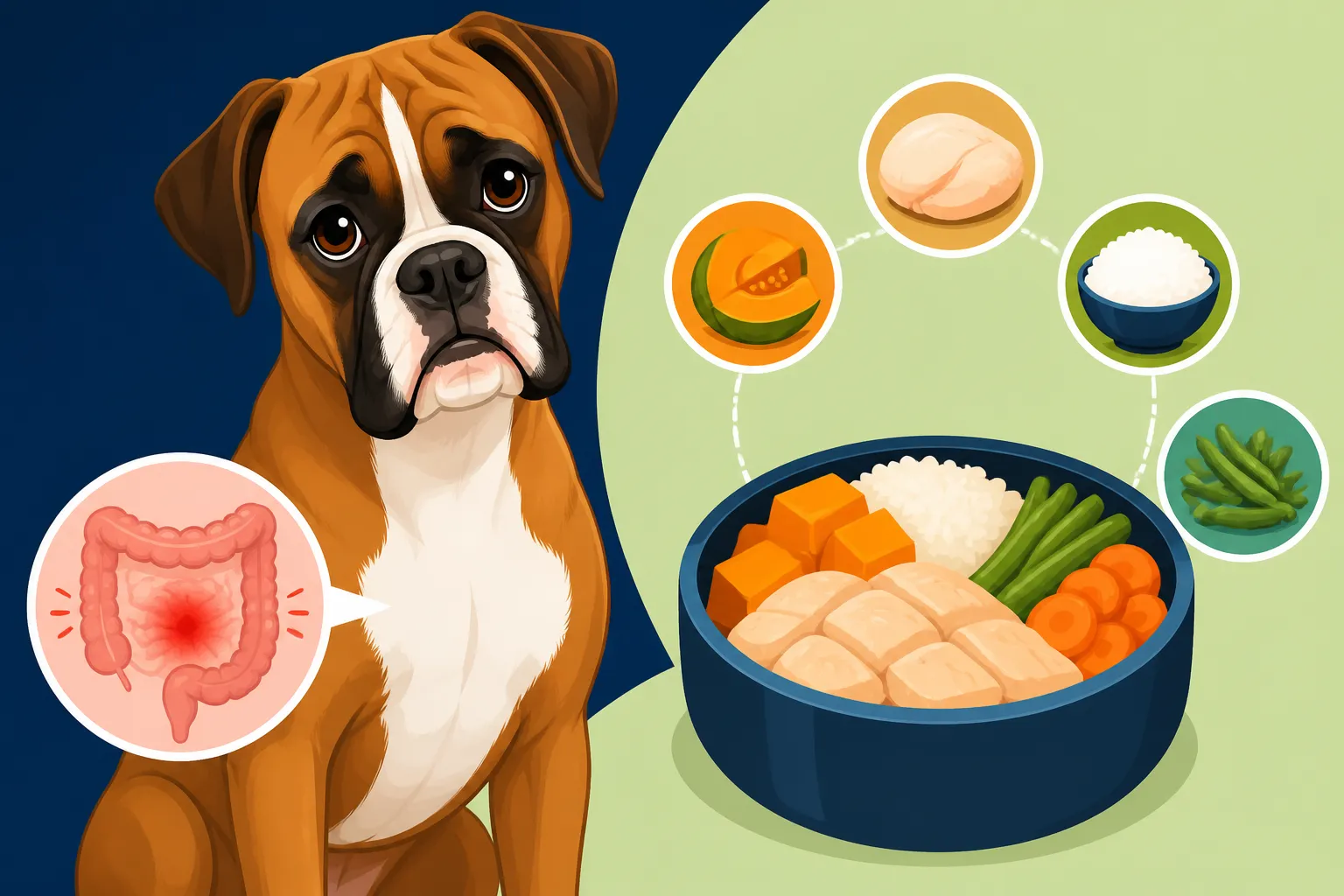
Prescription Diets for a Boxer With Colitis
Few things are more disheartening than seeing your usually vibrant Boxer suffer through chronic digestive upset, especially when it manifests as recurring bouts of colitis. The endless cycles of diarrhea, straining, and that terrible urgency can make both you and your beloved dog utterly miserable. This guide is here to walk you through how prescription diets can be a crucial tool in managing and providing relief for your Boxer's colitis, offering a path to more comfortable, predictable days.
The Frustration of Boxer Colitis and Why Prescription Diets Are Often Key
It's a common story for Boxer owners: one day, your pup is fine, full of bounce and mischief, and the next, they're having explosive diarrhea, often with mucus or even blood. This isn't just a simple tummy ache; it's often a sign of colitis, an inflammation of the colon that's notoriously persistent in Boxers. The breed seems to have a particular predisposition to this condition, sometimes even referred to as "Boxer colitis," making it a uniquely challenging problem for us to tackle. You might feel like you're constantly on edge, watching every stool, wondering if this next meal will trigger another flare-up.
The frustrating part is that traditional methods that might work for a quick bout of diarrhea, like bland diets of chicken and rice, often only offer temporary relief for a Boxer with colitis. You might see improvement for a day or two, only for the symptoms to return with a vengeance as soon as you try to reintroduce their regular food. This cycle of hope and disappointment is exhausting, and it leaves you searching for a more lasting solution.
This is where prescription diets enter the picture, not as a quick fix, but as a medically formulated tool designed to directly address the underlying inflammation and sensitivities that fuel your Boxer's colitis. Unlike over-the-counter foods, these diets are crafted with specific nutritional profiles and ingredients chosen to reduce digestive workload, minimize allergic reactions, and promote gut healing. They are not just "special food"; they are a fundamental part of veterinary treatment, aiming to break that frustrating cycle of inflammation. You might want to learn more about The Age Boxer Colitis Usually Starts to understand the typical onset.
Understanding the Boxer's Sensitive Gut
Boxers, by their very nature, often have sensitive digestive systems. Their enthusiastic eating habits, combined with a propensity for certain inflammatory bowel conditions, means their gut biome can be a delicate balance. Colitis, specifically, involves the large intestine, leading to symptoms like straining (tenesmus), frequent small amounts of stool, bloody mucus, and sometimes urgency that makes house-training a nightmare even for an adult dog. It's not always about infection; sometimes it's an immune response to dietary components.
The inflammation can be triggered by various factors, from bacterial overgrowth (which is very common in Boxers, often involving a specific type of E. coli that burrows into the colon wall) to food allergies or intolerances. Even stress can play a role, making diagnosis and management a multi-faceted challenge. Knowing that your Boxer's gut is particularly vulnerable helps you appreciate why a targeted dietary approach is so critical rather than just guessing. If you've ever seen Bloody Mucus in a Young Boxer's Stool, you know the alarm it causes.
Without proper intervention, chronic colitis can lead to malabsorption, weight loss, and a generally poor quality of life for your Boxer. They might become lethargic, lose their appetite, and just not be their usual joyful selves. Relying solely on medications without addressing the diet can lead to temporary symptom suppression without long-term resolution, leaving you constantly battling flare-ups. A comprehensive approach, often led by diet, is essential for truly managing this condition.
Deciphering Prescription Diet Options for Your Boxer's Colitis
When your vet first suggests a prescription diet for your Boxer's colitis, it can feel a bit overwhelming. There are several categories, each designed to tackle different aspects of gut sensitivity. These aren't just "expensive kibble"; they are carefully engineered meals. The good news is that reputable brands like Purina Pro Plan Veterinary Diets, Royal Canin Veterinary Diet, and Hill's Prescription Diet all offer lines specifically for gastrointestinal issues.
The main goal of these diets is to either reduce the likelihood of an immune reaction to food proteins, or to provide highly digestible nutrients that put less strain on an inflamed colon. Sometimes, it's about boosting fiber to regulate bowel movements and feed beneficial gut bacteria. Understanding the nuances of each type can help you have a more informed conversation with your veterinarian about the best choice for your particular Boxer.
Hydrolyzed Protein Diets
These diets are a fantastic option when a food allergy or intolerance is suspected to be fueling your Boxer's colitis. The concept behind hydrolyzed protein is quite clever: the proteins in the food (often chicken or soy) are broken down into such tiny fragments that your Boxer's immune system doesn't recognize them as allergens. Think of it like a puzzle being broken into so many minuscule pieces that your dog's body can't put them back together to form the "picture" of an allergen.
Because the proteins are essentially "invisible" to the immune system, the likelihood of an inflammatory reaction in the gut is drastically reduced. This allows the colon to calm down and heal. These diets are also often highly digestible, meaning more nutrients are absorbed and less waste is passed through the inflamed gut. They are a true elimination diet in a bag, often prescribed for a trial period (typically 8-12 weeks) to see if symptoms resolve. You can often find these specialized foods, along with many other veterinary diets, available through online retailers like Chewy, requiring a vet authorization for purchase.
Novel Protein Diets
Another common approach for suspected food sensitivities involves novel protein diets. The idea here is to feed your Boxer a protein source they have never encountered before, making an allergic reaction highly unlikely. Common novel proteins might include duck, venison, rabbit, or even kangaroo. These diets often pair the novel protein with a novel carbohydrate source as well, like potato or pea.
The challenge with novel protein diets is ensuring true novelty. If your Boxer has eaten a wide variety of foods in the past, finding a truly "novel" protein can be tricky. However, for many Boxers, especially those who have primarily eaten chicken or beef-based foods, these diets can be very effective in calming an inflamed gut. They work by simply removing the common allergens from the diet, giving the digestive system a much-needed break from the usual suspects. This is particularly relevant if you're exploring Diet Changes for a Boxer With Colitis.
High Fiber/Prebiotic Diets
Sometimes, colitis isn't solely about allergies but rather an imbalance in gut bacteria or a need for better fecal consistency. High fiber and prebiotic-rich prescription diets address these needs. Fiber plays a crucial role in gut health; soluble fiber ferments in the colon, producing beneficial short-chain fatty acids that nourish colon cells and help maintain a healthy gut microbiome. Insoluble fiber helps regulate bowel movements, which can be beneficial for both diarrhea and constipation associated with colitis.
These diets are designed to promote a healthier environment in your Boxer's colon, encouraging the growth of good bacteria and helping to form more consistent, less urgent stools. Prebiotics are non-digestible food ingredients that selectively stimulate the growth and/or activity of beneficial bacteria in the colon. Think of them as food for the good bugs in the gut. While fiber-rich foods can sometimes be found over-the-counter, prescription diets offer carefully balanced levels and specific types of fiber, often combined with prebiotics, to maximize therapeutic effect. These specialized formulations can make a big difference in regulating your Boxer's bowel function and reducing inflammation.
| Diet Type | Primary Mechanism | When It's Often Recommended | Key Benefit for Colitis | Potential Drawback |
|---|---|---|---|---|
| Hydrolyzed Protein | Proteins broken down to unrecognisable fragments | Suspected food allergy/intolerance, severe inflammation | Eliminates immune response to food | Can be less palatable for some dogs, generally higher cost |
| Novel Protein | Utilizes rare protein sources your dog hasn't eaten | Suspected food allergy/intolerance, less severe reactions | Avoids known allergens | Finding a truly "novel" protein can be difficult |
| High Fiber/Prebiotic | Increased soluble/insoluble fiber, added prebiotics | Imbalanced gut flora, stool consistency issues, stress colitis | Promotes gut health, regulates bowel movements | May not be enough for severe food-driven inflammation |
Transitioning Your Boxer to a New Colitis Diet and What to Expect
Once you and your vet have decided on a prescription diet, the transition phase is critical. Rushing the change can actually make your Boxer's colitis worse, leading to more upset stomachs and frustration. Slow and steady is the name of the game, giving your dog's sensitive digestive system time to adapt to the new food. This period is also when you'll be keenly observing for improvements, which, thankfully, can often be quite dramatic once the right diet is found.
Remember, patience is a virtue here. It's easy to get discouraged if you don't see immediate results, but healing an inflamed colon takes time. Your vet will likely give you a specific timeline for how long to feed the prescription diet exclusively, often several weeks, before re-evaluating symptoms. It's a journey, not a sprint, and consistency is your biggest ally.
The Gentle Transition Process
Introducing a new food to a Boxer, especially one with a sensitive stomach, needs to be done gradually. A typical transition period is about 7-10 days, slowly mixing increasing amounts of the new food with decreasing amounts of the old food. On day one, you might mix 25% new food with 75% old food. By day three or four, you'd move to a 50/50 split, and so on, until you're feeding 100% new food by day seven or ten.
For Boxers with very severe colitis, your vet might recommend an even slower transition, or even a sudden switch if the old food is strongly suspected as the culprit. Always follow your vet's specific instructions. During this time, it's crucial to avoid any other treats, table scraps, or supplements unless specifically approved by your vet, as even a tiny amount of an offending ingredient can set back progress. Stick strictly to the prescription diet. This meticulousness can be tough when your Boxer gives you those pleading eyes, but it's for their own good.
Observing for Improvement and Troubleshooting
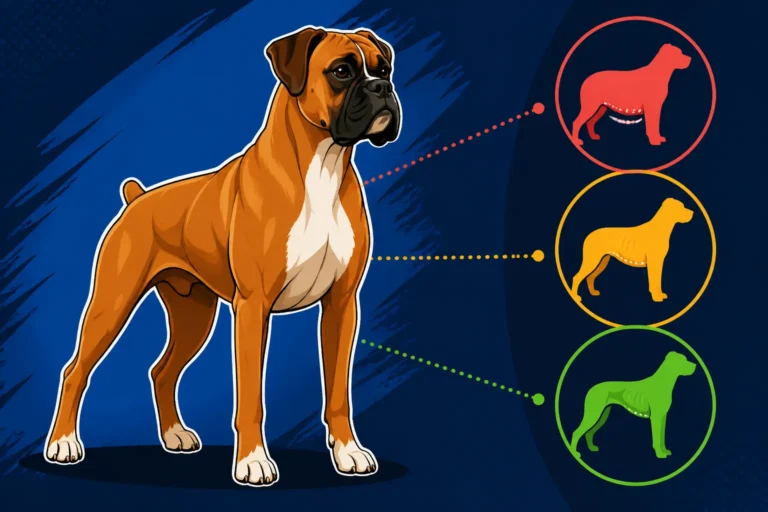
As your Boxer transitions and settles onto the new prescription diet, you'll want to keep a careful eye on their stool quality, frequency, and overall demeanor. Look for firmer, less urgent stools, a reduction in mucus or blood, and improved appetite and energy levels. It's a good idea to keep a journal of these observations, noting the date, stool consistency (you can even use a fecal scoring chart like the Bristol Stool Chart for dogs), and any other relevant symptoms. This data will be invaluable for your vet.
It's not uncommon for Boxers to experience minor digestive upsets during the initial days of a transition, but if symptoms worsen significantly or new ones appear, contact your vet. Sometimes, a diet simply isn't the right fit, and another option might need to be tried. Don't be afraid to voice your concerns or report any lack of improvement. This is a collaborative effort between you and your veterinary team. They might also suggest complementary treatments, such as Probiotics for a Boxer After Antibiotics, if antibiotics were part of the initial treatment plan.
Managing Life on a Prescription Colitis Diet: Long-Term Strategies
For many Boxers, a prescription diet isn't a temporary fix; it becomes a long-term, perhaps even lifelong, management strategy for their colitis. This means integrating the diet seamlessly into your daily routine and understanding how to maintain its effectiveness. It also means being vigilant about what else goes into your Boxer's mouth, as consistency is paramount for continued gut health.
Living with a Boxer on a special diet requires a bit more planning, especially when it comes to treats, training, and travel. But with a little preparation, it's entirely manageable, and the payoff of a happy, healthy Boxer with a comfortable tummy is absolutely worth it. Your dog's well-being relies on your commitment to their prescribed dietary regimen.
Treats, Supplements, and Chews: Staying Compliant
One of the biggest challenges when feeding a prescription diet is navigating treats and supplements. It's hard to say no to your Boxer's charming antics when they're expecting a reward! However, even small amounts of an "illegal" treat can undermine the entire diet's effectiveness and trigger a colitis flare-up. Many prescription diet brands offer their own line of treats that are formulated to be compatible with their therapeutic diets. This is often the safest bet.
If compatible treats aren't available or suitable, you might be able to use small pieces of your Boxer's actual prescription kibble as treats. It may not be as exciting for them, but it maintains dietary compliance. Always discuss any supplements you're considering with your vet, even seemingly innocuous ones like fish oil, as they need to ensure it won't interfere with the diet or exacerbate colitis. For obtaining these specialized items, many owners find it convenient to order their Boxer's prescription food and approved treats from online pet suppliers like Chewy, which can deliver right to your door with vet authorization. Alternatively, for items like slow-feeder bowls or easy-to-clean feeding mats, Amazon is a great resource.
What Happens If Symptoms Return on the Diet?
Even on a prescription diet, Boxers can occasionally experience a return of colitis symptoms. Don't panic, but do contact your vet promptly. There are several reasons this could happen:
- Dietary indiscretion: Your Boxer might have gotten into something they shouldn't have, even just a tiny crumb off the floor.
- Stress: Changes in routine, travel, or even new people in the house can sometimes trigger a flare-up in sensitive Boxers.
- Other medical conditions: Colitis symptoms can sometimes be indicative of another underlying issue, or a different type of colitis that requires a different approach. Your vet might want to re-evaluate for other digestive issues or internal parasites.
- Need for adjunctive therapy: Sometimes, diet alone isn't quite enough, and your vet might recommend adding a course of antibiotics (like metronidazole or enrofloxacin, which is often effective for Boxer colitis), probiotics, or anti-inflammatory medications to get the inflammation under control.
Your vet might also suggest performing a Needle Biopsy on a Boxer Lump if they suspect a more serious underlying issue, though this is less common for typical colitis management. They'll help you determine the next steps, which could involve adjusting the diet, adding medication, or further diagnostic testing. The key is open communication and working as a team with your veterinary professional.
Disclaimer
This article is for general informational purposes only and does not constitute professional advice. Laws, prices and regulations vary by location and change over time. Consult a qualified professional for guidance on your specific situation.