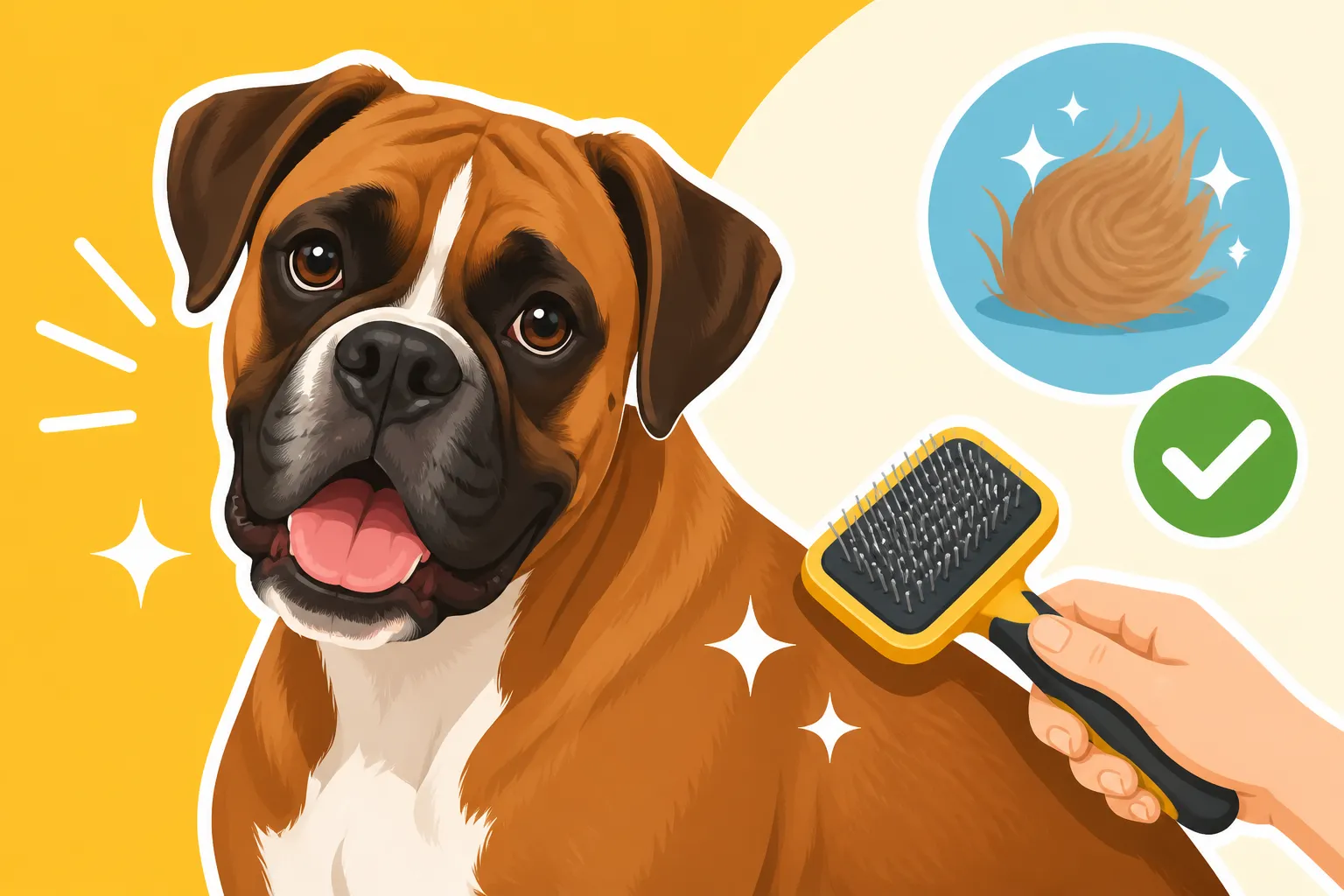
Boxer Grooming on a Coat That Looks Like No Work
It's a common misconception, isn't it? Many people look at a Boxer's sleek, short coat and think, "Oh, that's easy! No grooming needed." The reality, however, is that while a Boxer might not need weekly trips to the professional groomer for elaborate trims, their unique coat, sensitive skin, and expressive wrinkles require consistent, thoughtful care to keep them healthy and comfortable. This guide is here to walk you through everything you need to know about truly caring for your Boxer's coat and skin, debunking myths and ensuring your beloved companion looks and feels their best.
Understanding the Boxer's Unique Coat and Skin
The Boxer's coat is often described as low-maintenance, and in some ways, it is. You won't find yourself battling mats or tangled dreadlocks like with some longer-haired breeds. However, that smooth, short hair and the skin underneath it come with their own set of considerations that often surprise new Boxer owners.
The Short, Smooth, and Deceptively Sheddy Coat
Your Boxer's coat is undeniably beautiful: short, close-lying, hard, and shiny. It comes in gorgeous fawn and brindle shades, often with those iconic white markings that give them a "flashy" look. This smooth texture means that dirt often brushes right off, and they typically dry quickly after a dip or a walk in the rain. These qualities certainly contribute to their low-maintenance reputation.
However, anyone who shares their home with a Boxer will quickly tell you that "short coat" does not mean "no shedding." In fact, Boxers shed quite a bit, consistently, year-round. Their short, stiff hairs are notorious for weaving themselves into carpets, furniture, and clothing, almost like tiny needles. It's a very different shedding experience than, say, a Retriever's soft undercoat, but it's shedding nonetheless. You might think a quick pat is all it takes, but trust me, those little hairs are everywhere. Owners often wonder How Much Hair a Boxer Really Sheds given its short length. It's more than you'd expect!
Boxer Skin: Sensitive and Prone to Issues
Beneath that seemingly fuss-free coat lies skin that can be surprisingly sensitive. Boxers, by nature, can be prone to various dermatological issues, from environmental allergies to bacterial infections in their skin folds. This sensitivity means that whatever comes into contact with their skin — be it shampoo, pollen, or even certain foods — can potentially trigger a reaction.
I've seen countless Boxers develop redness, itchiness, and hot spots because of something as simple as a new laundry detergent used on their bedding, or grass they’ve rolled in. This makes regular skin checks and a proactive approach to grooming absolutely critical. You can't just ignore it and hope for the best; their comfort and health depend on your vigilance. Ignoring even minor irritations can quickly escalate into more serious conditions requiring veterinary intervention.
Essential Grooming Tools for Your Boxer
Having the right tools makes all the difference in making grooming a positive experience for both you and your Boxer. Forget the fancy gadgets you might see for long-haired breeds; Boxers need specific items that cater to their unique coat and skin.
Brushes That Actually Work on a Boxer Coat
When it comes to brushing a Boxer, you're not trying to detangle knots, but rather to remove loose hair, stimulate blood circulation, and distribute natural oils for a healthy shine. Traditional wire slicker brushes or pin brushes just aren't effective on their short coats.
What you do need is a rubber curry brush or a grooming mitt. These tools are fantastic for Boxers. The rubber nubs gently massage the skin while effectively grabbing onto those short, stiff hairs before they have a chance to migrate onto your couch. A good quality rubber curry brush will quickly become your best friend, especially during heavier shedding periods. Another option is a deshedding tool, designed to reach through the topcoat and gently remove loose undercoat without damaging the healthy hair. While Boxers don't have a thick undercoat like some breeds, these tools can still be surprisingly effective at reducing the amount of hair floating around your home. Many owners swear by a simple grooming mitt, which fits over your hand, allowing you to "pet" away loose hair. You can find a wide selection of these brushes, grooming mitts, and deshedding tools from online retailers like Amazon, offering convenience and often a better variety than local stores. For some, the ideal choice might be The One Brush a Boxer Coat Actually Needs.
| Tool Type | Best Use Case | Benefits |
|---|---|---|
| Rubber Curry Brush | Daily or weekly deshedding, massage, distributing oils | Excellent for short coats, stimulates skin, durable, easy to clean |
| Grooming Mitt | Quick daily wipe-downs, bonding, gentle hair removal | User-friendly, good for sensitive dogs, collects surface hair |
| Deshedding Tool (short-blade) | Seasonal heavier shedding | Reaches deeper to remove loose undercoat, reduces overall shedding |
| Soft Bristle Brush | Polishing the coat for shine, removing dust | Creates a glossy finish, gentle for daily use |
Shampoos and Conditioners for Sensitive Boxer Skin
Choosing the right shampoo and conditioner is paramount for Boxers. Because their skin is prone to sensitivity, harsh chemicals, strong fragrances, and artificial dyes found in many generic pet shampoos can strip their natural oils, leading to dryness, itchiness, and irritation.
Look for hypoallergenic, soap-free, or oatmeal-based formulas. These are specifically designed to be gentle on sensitive skin, providing soothing relief while still effectively cleaning. Ingredients like aloe vera, chamomile, and vitamin E can be beneficial for their skin. While conditioners aren't always seen as essential for short coats, a good, light conditioner can help replenish moisture, improve coat shine, and reduce static, especially in drier climates or during winter. Always opt for formulas that are free of parabens and sulfates. Remember, what feels good on human skin can be entirely wrong for your dog, so don't be tempted to use your own shampoo on your Boxer. There are many excellent veterinary-approved brands available that cater to sensitive skin, ensuring you're not inadvertently causing discomfort. When choosing, consider Shampoo for a Boxer With Sensitive Skin specifically.
The Art of Bathing Your Boxer Without Drying Out Its Skin
Bathing a Boxer might seem straightforward, but doing it correctly—especially for their sensitive skin—involves a bit more nuance than simply hosing them down. The goal is to get them clean without stripping their natural skin oils or causing irritation.
Pre-Bath Prep and Water Temperature
Before you even think about getting your Boxer wet, do a thorough pre-bath brush. This step is often overlooked, but it's incredibly important. Brushing before a bath helps to remove any loose hair that's clinging to their coat, which means less hair going down the drain and a more effective cleaning of the skin. It also helps to loosen any trapped dirt or debris, making the shampooing process much easier.
When it comes to water, always use lukewarm water – imagine what you’d use for a baby. Water that's too hot can dry out their skin, and water that's too cold can be uncomfortable and cause them to shiver, making the whole experience stressful. Before introducing your Boxer to the tub or shower, have all your supplies ready: shampoo, conditioner (if using), towels, and even some treats for positive reinforcement. A non-slip mat in the tub is also a good idea to prevent slips and make your Boxer feel more secure. Getting everything organized beforehand minimizes stress for both of you and makes the process much smoother.
Gentle Washing and Thorough Rinsing
Once your Boxer is comfortably in the tub and wet, it's time to apply the shampoo. Start by working a small amount of shampoo into a lather in your hands before applying it to their coat. Distribute it evenly, massaging it gently into their skin, paying special attention to any grimy areas, paw pads, and especially those skin folds around their muzzle and under their tail. Use gentle, circular motions, almost like giving them a massage. This not only cleans but also allows you to feel for any new lumps or bumps you might have missed during your weekly checks.
The most critical part of bathing a Boxer, or any dog with sensitive skin, is the rinsing. You absolutely must rinse, rinse, and then rinse again. Any shampoo residue left on the skin can cause severe irritation, dryness, and itchiness, often leading to skin flare-ups. Take your time, making sure the water runs clear from every part of their body. Pay extra attention to their armpits, groin, and under their chin. Once you think you’ve rinsed enough, rinse for another minute. This thoroughness is key to Washing a Boxer Without Drying Out Its Skin. After rinsing, gently squeeze excess water from their coat, and then wrap them in a towel. For drying, blot rather than rub vigorously, especially for Boxers prone to sensitive skin. You can follow up with a soft, absorbent towel or even a low-setting hairdryer (held at a distance and never aimed directly at their face) if they tolerate it well, ensuring they are completely dry, especially in their folds, to prevent moisture-related issues.
Beyond the Bath: Routine Skin and Coat Care
Grooming a Boxer is much more than just an occasional bath. It’s an ongoing commitment to their health and well-being, focusing on prevention and early detection of potential problems.
The Weekly Skin Check Every Boxer Needs
This is arguably the most vital part of your Boxer's grooming routine. Because Boxers are unfortunately predisposed to certain health issues, particularly various forms of cancer, regular hands-on checks are non-negotiable. At least once a week, take the time to run your hands thoroughly over every inch of your Boxer's body. Start from their nose and work your way down to their tail, paying close attention to their head, neck, armpits, groin, and between their toes.
What are you looking for? Any new lumps, bumps, scabs, rashes, areas of redness, or changes in skin texture. Feel for anything unusual beneath the surface. Boxers are notorious for developing mast cell tumors, which can appear as innocent-looking bumps, but early detection makes a significant difference in treatment outcomes. If you find anything suspicious, mark its location (mentally or even on a diagram) and monitor it. If it persists, grows, changes, or causes your Boxer discomfort, it's time for a vet visit. This diligent habit of Weekly Lump Checks on a Boxer is a gift you give your dog, potentially catching serious issues before they become life-threatening. Don't underestimate the power of your own touch in safeguarding their health.
Managing Folds and Wrinkles for Health
The Boxer's charming, expressive face comes with those adorable wrinkles and jowls that make them so distinctive. However, these folds, along with others that might be present in their armpits, groin, or at the base of their tail, can trap moisture, food debris, and dirt, creating a perfect breeding ground for bacteria and yeast. This can lead to skin fold dermatitis, an irritating and often painful infection.
To prevent this, these areas need daily attention. Gently lift the folds and wipe them clean with a soft, damp cloth or a pet-safe, unscented wipe. After cleaning, it's crucial to dry the area thoroughly. You can use a clean, dry cloth or even a cotton ball. For Boxers particularly prone to moisture in their folds, a small amount of cornstarch or a veterinary-approved medicated powder can help keep the area dry, but always consult your vet before using any powders, as some ingredients can be irritating. Being proactive about Wrinkle Care Around a Boxer's Nose can save your Boxer from significant discomfort and you from costly vet bills. Make it a part of your daily bonding time.
Addressing Boxer Shedding and Hair Management
Even with their short coats, Boxers do shed year-round, and sometimes quite a bit. Those stiff hairs can be a nuisance, embedding themselves into upholstery and clothing. While you can't stop a Boxer from shedding entirely, you can certainly manage it effectively.
Regular brushing, ideally daily or at least every other day, with a rubber curry brush or grooming mitt, is your best defense. This physically removes the loose hairs from their coat before they have a chance to fall out naturally onto your furniture. This also helps to stimulate their skin and distribute natural oils, contributing to a healthier, shinier coat. During seasonal shedding periods (often in spring and fall, though less dramatic than with double-coated breeds), you might increase brushing sessions. Beyond brushing, simply running a damp cloth or grooming mitt over your Boxer's coat daily can pick up a surprising amount of loose hair. Investing in a good vacuum cleaner with pet hair attachments, using lint rollers on your clothes, and frequently washing dog beds and blankets can also help keep your home tidier. Remember, the goal isn't to eliminate shedding, but to minimize its impact and keep your Boxer's coat healthy.
Nail Trimming, Ear Cleaning, and Dental Hygiene
Grooming a Boxer extends far beyond just their coat and skin. Keeping their nails, ears, and teeth in good shape is fundamental to their overall health and comfort, and these are areas where neglect can lead to serious problems.
Boxer Nail Trimming: A Crucial Task
Long nails are not just an aesthetic issue; they can significantly impact your Boxer's health and mobility. When a Boxer's nails get too long, they push up against the ground, forcing the toes to splay and altering the natural alignment of their paw and leg structure. This can lead to pain, arthritis, joint problems, and even difficulty walking. Imagine walking in shoes that are too small and push your toes back constantly – that's what long nails feel like to a dog.
You should aim to trim your Boxer's nails every 2-4 weeks, or whenever you hear them clicking on the floor. Use high-quality nail clippers designed for large dogs or, even better, a Dremel-style rotary tool, which can provide a smoother finish and is less likely to cause splitting. Introduce nail trimming early in puppyhood to help your Boxer get used to it. Positive reinforcement with treats and praise is key. If your Boxer is resistant, don't force it; take it slow, trim just a few nails at a time, or consider professional help. Many Boxers struggle with nail trims, so getting them comfortable is a process. For tips on managing a difficult Boxer during this essential task, check out Cutting Nails on a Boxer That Will Not Sit. Don't forget their dewclaws (the thumbs on the inner side of their front legs), as these don't wear down naturally and can grow into the paw pad if left untrimmed. For a full breakdown on the topic, refer to Boxer Nail Trimming.
Ear Care for Both Cropped and Natural Ears
Whether your Boxer has naturally floppy ears or historically cropped ears, regular cleaning is important, though the approach differs slightly. Cropped ears, being erect, tend to have better air circulation and are generally less prone to ear infections. However, they still need to be kept clean, particularly if they are still being posted.
Natural, floppy Boxer ears, on the other hand, cover the ear canal, creating a warm, dark, and often moist environment that is ideal for yeast and bacteria to flourish. This means they are more susceptible to infections. For Boxers with natural ears, a weekly check and cleaning are advisable. Gently lift the ear flap and inspect the ear canal for redness, discharge, odor, or excessive wax. Use a veterinarian-approved ear cleaner and a cotton ball (never a cotton swab, which can push debris deeper into the ear or damage the eardrum). Squirt a small amount of cleaner into the ear canal, massage the base of the ear, and then wipe away any excess. For more detailed instructions, see Natural Ears on a Boxer and How to Clean Them. If you notice any signs of infection, such as strong odor, redness, swelling, or excessive head shaking, consult your vet immediately.
Boxer Dental Care and the Undershot Bite
Dental hygiene is often overlooked but is incredibly important for a Boxer's overall health. Boxers have a distinctive undershot jaw, where their lower jaw extends beyond the upper, giving them that unique, often serious, expression. While charming, this bite can sometimes lead to crowded teeth, particularly in the lower jaw, making them more prone to plaque and tartar buildup.
Just like in humans, dental disease in dogs can lead to painful infections, tooth loss, and even systemic health problems affecting the heart, kidneys, and liver. The best defense is regular tooth brushing, ideally daily, with a vet-approved enzymatic toothpaste (never use human toothpaste). Use a dog toothbrush or a finger brush and gently brush all surfaces of their teeth, paying special attention to the back molars and any crowded areas. Dental chews can help reduce tartar, but they are not a substitute for brushing. Look for products on sites like Chewy that are specifically designed for dental health and appropriate for a Boxer's chewing style. Regular professional dental cleanings under anesthesia, as recommended by your vet, are also an essential part of maintaining optimal oral health. For more detailed guidance, explore Boxer Dental Care and the Undershot Bite.
Special Grooming Considerations for Boxers
Beyond the routine, there are certain aspects of Boxer care that require extra attention, either due to their genetic makeup or environmental factors. These considerations are vital for their comfort and long-term health.
Caring for a White Boxer's Skin
White Boxers, while striking and beautiful, often come with specific care needs, particularly regarding their skin. Genetically, white Boxers lack significant pigment, not just in their coat but also in their skin. This absence of pigment makes their skin much more susceptible to sunburn and, consequently, increases their risk of developing skin cancers, particularly squamous cell carcinoma. This is very similar to how fair-skinned people need more sun protection.
If you have a white Boxer, sun protection is paramount. Limit their exposure during peak sun hours (typically 10 AM to 4 PM), especially in summer. When they are outside, apply a pet-safe sunscreen to vulnerable areas like their nose, ear tips, and any thinly coated spots on their belly or inner thighs. Sun shirts or cooling vests can also offer an extra layer of physical protection. Regularly check their skin for any unusual lesions or growths. Early detection is key for any skin cancer. For comprehensive advice on protecting your pale-coated companion, make sure to read Caring for a White Boxer's Skin and understand how to choose Sunscreen Safe for a White Boxer. Their unique beauty comes with a responsibility to protect them from the sun's harsh rays.
Seasonal Grooming Adjustments
A Boxer's short coat doesn't provide much insulation, meaning they are more sensitive to extreme temperatures. This requires you to adjust your grooming and general care routine with the changing seasons.
In winter, while they don't grow a thick undercoat, cold weather can still affect their skin. The dry indoor air, combined with chilly outdoor walks, can lead to dry, flaky skin. Avoid over-bathing, which can strip natural oils, and use moisturizing shampoos and conditioners if baths are necessary. Consider a dog coat or sweater for outdoor excursions to keep them warm. Hydration is also important, so ensure fresh water is always available. In summer, the primary concern is overheating. Boxers are a brachycephalic (flat-faced) breed, which means they have difficulty regulating their body temperature through panting alone. This makes them highly susceptible to heatstroke. Grooming efforts should focus on keeping them cool and comfortable. While a short coat can't be "cut shorter," regular brushing to remove loose hair can help improve air circulation against their skin. Cooling vests, damp towels, and access to shaded, cool areas are essential. Understand the signs of overheating and how quickly a Boxer can become distressed in warm weather. Knowing the correct use of Cooling Vests and Fans for a Boxer can be a lifesaver.
Professional Grooming vs. Home Care
For many Boxer owners, a trip to the professional groomer isn't a regular occurrence, given their low-maintenance coat. However, there are times when professional help can be incredibly beneficial, or even necessary.
For instance, if your Boxer is particularly difficult with nail trims, a professional groomer or vet tech can quickly and safely get the job done, preventing stress for both of you. Some groomers also offer de-shedding treatments that, while not transformative for Boxers, can help reduce the amount of loose hair. If your Boxer develops a persistent skin issue, a professional groomer who is knowledgeable about skin conditions might offer specialized bathing services or products that complement veterinary treatment. They can also offer valuable advice on specific challenges you might be facing. However, for the most part, a Boxer's grooming needs can be met quite effectively at home with the right tools and a consistent routine. This saves money and allows for consistent bonding time. The key is to be diligent and informed, ensuring that you're addressing all aspects of their care, whether you do it yourself or seek expert assistance.
Nutrition's Role in a Healthy Coat and Skin
It's easy to think of grooming as purely external, a surface-level activity. But the truth is, what goes into your Boxer has just as much, if not more, impact on the health and appearance of their coat and skin as what you put on them. Nutrition is a cornerstone of overall well-being, and its effects are often visible in the luster of their coat and the health of their skin.
The Link Between Diet and Skin Health
A dull coat, excessive shedding, dry, flaky skin, or chronic itchiness can often be direct indicators of a suboptimal diet. Just like humans, dogs need a balanced intake of nutrients, vitamins, and minerals to maintain healthy skin and a shiny coat. High-quality dog food should be at the foundation of your Boxer's diet. Look for foods that list a named meat source (e.g., "chicken meal," "beef") as the first ingredient, rather than generic "meat by-products."
Crucially, essential fatty acids, particularly Omega-3 and Omega-6, play a pivotal role in skin and coat health. These "good fats" help maintain the skin's barrier function, reduce inflammation, and contribute to that coveted glossy Boxer coat. Many premium dog foods include these, often from sources like fish oil, flaxseed, or chicken fat. If your Boxer's diet is lacking, your vet might recommend supplements. Some owners choose fresh dog food options, like those offered by Ollie, which focus on whole, human-grade ingredients that can often lead to noticeable improvements in coat shine and skin health due to their high bioavailability and quality fats. Always ensure the food you choose aligns with your Boxer's life stage and activity level.
Addressing Food Allergies and Sensitivities
Boxers are known for having sensitive stomachs, and sometimes, this sensitivity extends to food allergies or intolerances that manifest as skin issues. If your Boxer is persistently itchy, has recurrent ear infections, or develops skin rashes despite a diligent external grooming routine, diet might be the culprit. Common allergens in dogs include chicken, beef, dairy, wheat, and soy.
If you suspect a food allergy, your vet might recommend a food elimination trial. This involves feeding your Boxer a novel protein diet (one they haven't eaten before, like duck or venison) or a hydrolyzed protein diet for a strict period, then reintroducing potential allergens one by one to identify the trigger. This process requires patience but can be incredibly effective in pinpointing and resolving chronic skin issues. Beyond complete diet changes, certain supplements can also boost skin health. Omega-3 fatty acid supplements, often in the form of fish oil, can reduce inflammation and improve skin barrier function. Probiotics can support gut health, which is intricately linked to skin health. Before adding any supplements or making drastic dietary changes, always consult with your veterinarian. They can guide you through the process and ensure your Boxer is receiving all the nutrients they need while addressing their specific sensitivities. Dive deeper into the benefits of Fish Oil for a Boxer's Skin and Heart for more insights.
Disclaimer
This article is for general informational purposes only and does not constitute professional advice. Laws, prices and regulations vary by location and change over time. Consult a qualified professional for guidance on your specific situation.