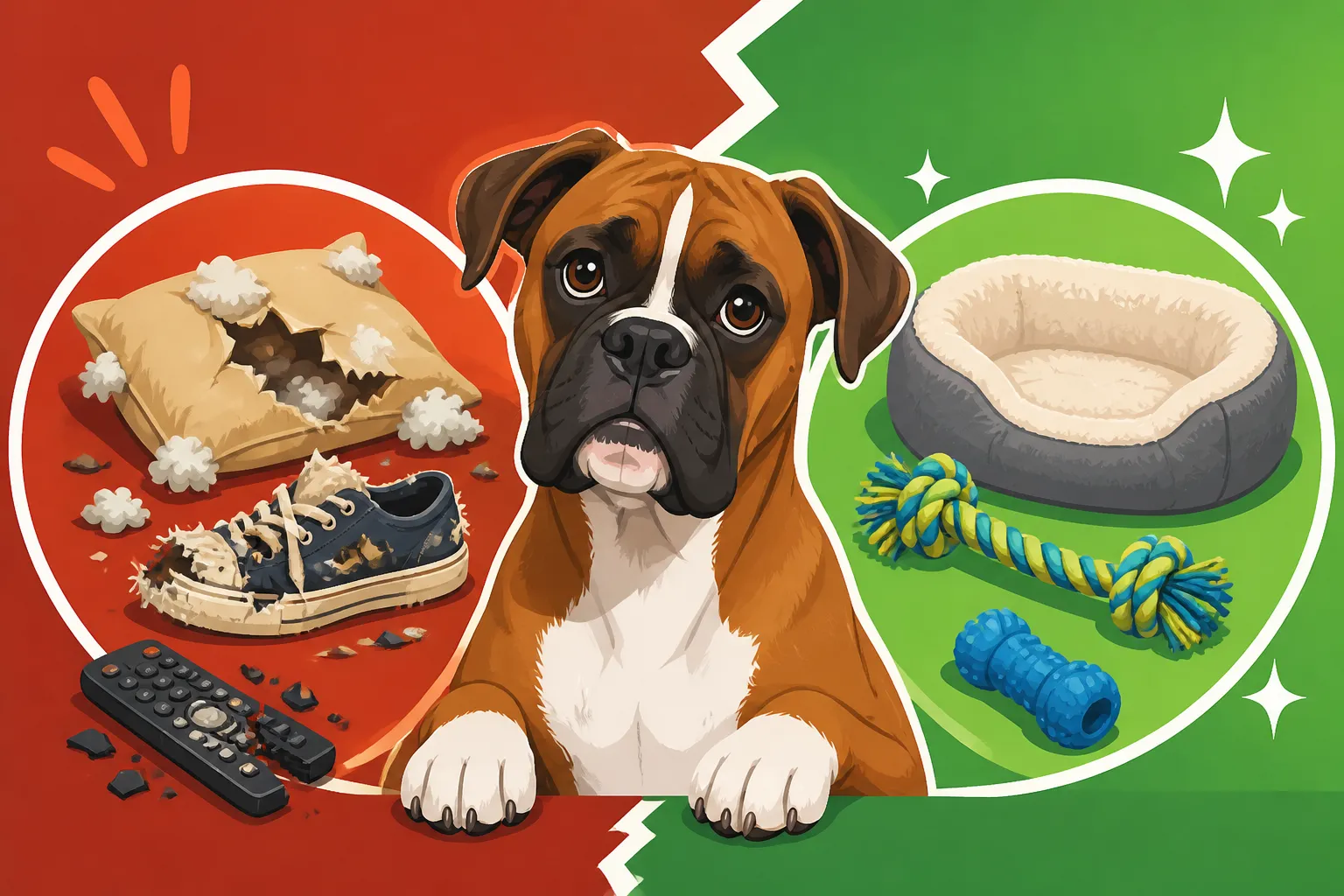
Replacing What a Bored Boxer Destroys
It’s a scenario far too many Boxer owners know all too well: you walk through the door after a long day, perhaps already bracing yourself, and there it is. A ripped couch cushion, a suspiciously gnawed table leg, or a trail of what used to be a remote control. The frustration is real, the damage can be extensive, and the thought of replacing what a bored Boxer destroys can feel overwhelming. This guide is here to walk you through understanding why your Boxer might be turning your home into their personal demolition derby, what the common targets are, and most importantly, how to proactively prevent it, saving your sanity and your wallet in the long run.
Understanding the Boxer's Need for Engagement
Boxers are not just dogs; they are intelligent, athletic, and deeply social creatures who thrive on interaction and mental stimulation. When these needs aren't met, destructive behavior isn't a sign of naughtiness, but a clear cry for help.
The Energetic and Intelligent Boxer
If you've spent any time around a Boxer, you know they come with a boundless zest for life. They are renowned for their playful, often goofy antics, and a seemingly endless well of energy. Beneath that goofy exterior, however, lies a sharp mind. Boxers are incredibly intelligent, capable of learning complex commands and problem-solving, which is a fantastic trait when channeled correctly. However, this high intelligence also means they bore easily. Imagine a highly skilled craftsperson with no tools or materials; they'd quickly get restless and find something, anything, to occupy their hands. Your Boxer is much the same.
Leaving a Boxer alone for extended periods without adequate mental or physical outlets is like handing them a blank canvas and expecting them to just sit quietly. They’re going to find their own "project," and unfortunately for your home, that project often involves deconstructing household items. They aren't trying to be defiant; they're simply trying to entertain themselves, to engage their powerful jaws and keen minds, and to release pent-up energy in the only way they know how.
When Boredom Turns Destructive
The transition from a mildly bored Boxer to a destructive force can happen surprisingly quickly. It often starts subtly: a little nibble on a shoe, a tentative scratch at a doorframe. If these early signs are ignored or misinterpreted, the behavior can escalate. For a Boxer, chewing isn't just about destroying; it's a natural, often self-soothing activity. It relieves stress, explores textures, and, yes, passes the time. The sheer power of a Boxer’s jaw and their tenacity means that once they set their mind on dismantling something, they can do a significant amount of damage.
It's heartbreaking to come home to a shredded sofa or a chewed-up coffee table, and it's easy to feel angry or frustrated. But it's crucial to remember that your Boxer isn't acting out of spite. They're acting out of unmet needs. The destructive behavior is a symptom, not the root cause. This understanding is the first step toward effective prevention, which ultimately saves you from the recurring costs of replacing beloved possessions and home fixtures.
Common Targets of a Bored Boxer's Destruction (and Their Replacement Costs)
Boxers are indiscriminate destroyers when bored. Whatever is accessible and offers a satisfying texture or challenge can become a target. Knowing what's most vulnerable can help you "Boxer-proof" your home.
Furniture and Home Fixtures
Perhaps the most common and certainly the most expensive targets are your home's fixed assets. A Boxer's powerful jaws can quickly turn a comfortable living space into a wreck.
- Couches and Upholstered Chairs: These are prime targets because they offer a combination of soft, shreddable fabric and sturdy, chewable frames. A bored Boxer might start by meticulously plucking threads from a cushion, which can quickly escalate to tearing open the upholstery, pulling out stuffing, and then moving on to the wooden or metal frame underneath. Replacing a couch can range from hundreds to thousands of dollars, depending on its size and quality. Even just reupholstering a section can be a significant expense.
- Table and Chair Legs: Wood furniture, especially chair legs and the lower parts of coffee tables, are often gnawed. The satisfaction of splintering wood provides both a physical and mental workout for a bored dog. You might find deep tooth marks, chunks missing, or even a leg chewed down to a nub. Repairing or replacing wooden furniture can involve skilled craftsmanship, pushing costs well beyond just the material.
- Carpets and Rugs: Whether it's digging at a loose fiber or systematically unraveling an edge, carpets provide an irresistible texture for many Boxers. This can result in bald patches, frayed edges, or even holes. Depending on the extent of the damage, you might be looking at professional repair, replacing a section of carpet, or even needing to re-carpet an entire room, which is a considerable cost.
- Baseboards and Doorframes: These are often targeted if a Boxer is trying to "escape" a room or simply has nothing else to chew. The damage can be deep, requiring not just cosmetic repair but sometimes structural fixes. Repairing or replacing these can involve carpentry work, patching, sanding, and repainting, adding up in labor and materials. A Boxer can make quick work of a doorframe if left to their own devices. For more specific insights into this, check out A Boxer That Eats Furniture Stuffing.
Personal Belongings and Clothing
Beyond the furniture, a bored Boxer often gravitates towards things that smell like their favorite people – you! This makes shoes, clothes, and other personal items particularly vulnerable.
- Shoes: Oh, the shoes! They are an almost universal target for destructive dogs. They carry your scent, have interesting textures (leather, laces, rubber), and are often left conveniently at floor level. A Boxer can turn a pair of expensive sneakers or beloved leather boots into an unrecognizable pulp in minutes. The cost here isn't just monetary; it's the frustration of losing your favorite pair, or realizing the shoes you needed for an event are now unwearable.
- Remote Controls, Glasses, Cell Phones: These items are often small, within reach, and offer a curious combination of hard and soft components that are highly satisfying to chew. The plastic casing, the rubber buttons – it's a sensory feast for a bored Boxer. Replacing electronics or prescription glasses can be incredibly expensive, and the inconvenience of being without them is immense. This type of destruction often happens quickly and quietly, only discovered when you reach for your phone or the TV remote.
- Clothing and Linens: Laundry baskets, clothes left on the floor, or even bed linens can become targets. The act of ripping and shredding fabric is a primal instinct for dogs, and for a bored Boxer, it's an easy way to release energy. Imagine coming home to find your favorite shirt in tatters or your clean sheets torn to shreds. The replacement cost for clothing might seem lower than furniture, but losing multiple items adds up, not to mention the sentimental value.
Yard and Garden Damage
Sometimes, the destruction moves outdoors. A Boxer with pent-up energy and nothing to do in the yard can quickly re-landscape your garden or compromise your fencing.
- Digging: Boxers are not typically renowned diggers like some terrier breeds, but a bored Boxer can certainly take up the hobby. They might dig elaborate holes under fences, uproot plants, or create craters in your lawn. This is often an attempt to find cooler earth, to bury "treasures," or simply to occupy themselves. Repairing a lawn can involve reseeding, patching, or even new sod, which can be costly and labor-intensive, especially if it's a recurring issue.
- Chewing Fences and Decks: If your Boxer spends time alone in the yard, especially if they are trying to get to something on the other side, fences can become a chew toy. Wooden fences are particularly vulnerable, with posts and rails being gnawed down. Decks and outdoor furniture can also fall victim. Repairing a fence might mean replacing panels, posts, or reinforcing structures, which can be a significant expense to maintain security and aesthetics.
- Destroying Plants and Landscaping: Flowerbeds, vegetable gardens, and even small trees can be casualties of a bored Boxer. They might dig them up, chew on branches, or simply trample them during zoomies. Replacing landscaping can be surprisingly expensive, especially for mature plants or specific varieties. If your Boxer is turning your carefully cultivated garden into a war zone, you'll feel it in your wallet and your pride. If you're struggling with this, our guide A Boxer That Destroys the Yard has more insights.
Preventing Destruction: Investing in Your Boxer's Well-being
The good news is that most destructive behavior stemming from boredom is entirely preventable with the right approach and a consistent routine. It's about meeting your Boxer's needs before they have to find their own, less desirable, ways to meet them.
Adequate Exercise is Non-Negotiable
This is hands down the single most important factor for a Boxer. Their energy levels are high, and they need appropriate outlets for it. "A tired Boxer is a good Boxer" is an old adage for a reason.
- Daily Vigorous Exercise: This isn't just a leisurely stroll around the block. Boxers need vigorous exercise, typically 60-90 minutes daily, often split into two sessions. This could be a brisk walk, a run (once they are fully grown and vet-cleared), or an intense game of fetch in a securely fenced area. Getting them moving helps burn off physical energy and keeps them mentally stimulated by the changing environment. Consider a sturdy harness and lead for those strong pulling tendencies. For ideas on duration, check out Sixty to Ninety Minutes a Day With a Boxer.
- Varying Exercise Types: Don't just stick to one thing. Mix it up! Long walks are great, but so are games of fetch, tug-of-war, or even short bursts of agility practice in the yard. Fetch is a classic for a reason – it allows them to sprint and burn energy in short, intense bursts. You can find excellent, durable fetch toys at places like Chewy that stand up to a Boxer's enthusiasm. If you're looking for different play options, Fetch and Flirt Poles for a Boxer offers some great ideas. The key is to engage their body and mind.
Mental Stimulation and Enrichment
Physical exercise is crucial, but a Boxer's intelligent mind also needs a workout. Mental exhaustion can be just as effective as physical exhaustion in preventing boredom.
- Puzzle Toys and Interactive Feeders: These are lifesavers for solo time. Instead of just putting food in a bowl, make your Boxer work for it. There are many puzzle toys available that dispense treats or kibble as your dog manipulates them. This engages their problem-solving skills and turns mealtime into a stimulating activity. Look for durable, Boxer-proof options. Puzzle Feeders That Hold a Boxer's Attention can give you some excellent starting points.
- Regular Training Sessions: Just 10-15 minutes of training each day can make a huge difference. Practice basic obedience (sit, stay, come), or teach new tricks. This strengthens your bond, builds their confidence, and gives their brain a workout. Boxers love to please and respond well to positive reinforcement.
- Appropriate Chew Toys: A Boxer needs safe, durable chew toys that can withstand their powerful jaws. Invest in high-quality, long-lasting chews. Rotate them regularly to keep them novel and exciting. This provides an acceptable outlet for their natural chewing instinct, redirecting them from your furniture. You can find a wide variety of tough chew options on Chewy, designed for strong chewers. To help guide their chewing, read up on Chews That Redirect a Mouthy Boxer.
The Power of Crate Training
Crate training is not a punishment; it's a management tool that provides a safe, den-like space for your Boxer and helps prevent destructive behavior when you can't supervise them directly.
- A Safe Haven: A properly introduced crate should be a positive place where your Boxer feels secure. It's where they can rest, chew on their special toys, and feel safe when you're not home. For a Boxer, this sense of security can significantly reduce anxiety that might otherwise lead to destructive chewing.
- Management Tool: When you need to leave your Boxer unsupervised, the crate keeps them (and your house) safe. It prevents them from accessing tempting items and developing bad habits. Make sure the crate is appropriately sized – large enough for them to stand, turn around, and lie down comfortably. Choosing a sturdy, escape-proof crate is vital for a strong Boxer; consider something like Choosing a Crate a Boxer Cannot Wreck for ideas on what to look for.
Daycare, Walkers, and Pet Sitters
For busy individuals or families where everyone works full-time, relying solely on home efforts might not be enough. Professional help can bridge the gap.
- Dog Daycare: A few days a week at a reputable dog daycare can be a fantastic solution. Your Boxer will get hours of supervised playtime, socialization with other dogs, and mental stimulation, coming home happily exhausted. While it's an added expense, the cost of daycare often pales in comparison to replacing a sofa or dealing with emergency vet bills from ingesting foreign objects. For more information on what to expect, read Daycare Prices for a Boxer With Energy to Burn.
- Dog Walkers: If daycare isn't an option, a professional dog walker can break up your Boxer's day with a much-needed mid-day exercise session. Even a 30-minute brisk walk can make a huge difference in their overall well-being and reduce the likelihood of destructive behavior. Finding a reliable, insured walker who understands the Boxer's energy level is key. To understand the costs involved, check out Dog Walkers for a Boxer in a Working Household.
- Pet Sitters: For longer absences or if your Boxer has specific needs, a pet sitter can provide one-on-one attention and ensure their routine is maintained. This can be particularly beneficial for Boxers who might be prone to separation anxiety, as it offers a consistent human presence.
Long-Term Solutions and Budgeting for a Boxer
Beyond the immediate fixes, a holistic approach to your Boxer's care, including smart financial planning, will set you up for success and prevent future destructive episodes.
High-Quality, Satisfying Food
While it might not seem directly related to destruction, a well-fed and nourished Boxer is generally a happier, more content Boxer. Sometimes, dogs chew out of nutritional deficiencies or simply because they're not feeling satisfied.
- Nutritional Needs: Ensure your Boxer is on a high-quality, balanced diet that meets their energy requirements. Boxers are muscular dogs, and good nutrition supports their overall health, energy levels, and even their mood. Sometimes, dietary sensitivities can manifest as anxiety or discomfort, which might contribute to destructive behavior. If you notice sensitivities, a novel protein diet or fresh food options, like those from Ollie, might be worth exploring. For those considering home-cooked meals, Cooking for a Boxer That Reacts to Kibble provides useful information.
- Mental Satisfaction at Mealtime: As mentioned with puzzle toys, making mealtime an engaging activity through slow feeders or interactive bowls can be mentally satisfying. This ensures they don't just wolf down their food and immediately look for other ways to occupy their mouths.
Insurance as a Safety Net
It's a grim reality, but destructive chewing can sometimes lead to serious health issues if your Boxer ingests something they shouldn't. From fabric stuffing to bits of plastic, foreign objects can cause intestinal blockages, perforations, or poisoning, leading to expensive emergency vet visits.
- Coverage for Accidents: Pet insurance, from providers like Healthy Paws, can be an invaluable safety net. While it typically won't cover the cost of replacing your couch, it will cover the potentially astronomical costs of emergency surgery or treatment if your Boxer eats something dangerous. It's an investment in their health and your peace of mind. Getting insurance early, ideally when they are a puppy, helps ensure that any future issues aren't deemed pre-existing. More on this can be found in Insuring a Boxer Before the First Lump.
- Peace of Mind: Knowing you won't have to choose between your dog's life and your financial stability if an accident happens is priceless. The financial stress of a sudden, huge vet bill can be immense, and insurance can significantly alleviate that burden.
Recognizing and Addressing Underlying Issues
Sometimes, destruction is more than just simple boredom; it can be a sign of a deeper behavioral issue, like separation anxiety.
- Separation Anxiety: If your Boxer's destruction occurs primarily when you leave and is accompanied by other signs like excessive barking, house-soiling, or intense greetings upon your return, it might be separation anxiety. This requires a more nuanced approach than just boredom prevention. For instance, a Boxer that chews doorframes when left alone is often exhibiting signs of distress related to separation. You can learn more in A Boxer That Chews Doorframes When Left.
- Professional Help: If you've tried all the prevention methods and the destruction persists, it's time to consult with a professional. A certified professional dog trainer or a veterinary behaviorist can help diagnose the root cause of the behavior and develop a tailored modification plan. They have the expertise to recognize subtle cues and implement effective strategies. Don't hesitate to seek help; early intervention is always best. When seeking a trainer, it's worth asking Whether a Trainer Has Worked With a Boxer Before to ensure they understand the breed's specific needs.
| Problem Behavior | Common Targets | Why It Happens | Prevention Strategies | Potential Costs (Shape) |
|---|---|---|---|---|
| Chewing | Furniture, shoes, remotes, baseboards | Boredom, teething, anxiety, seeking stimulation | Ample exercise, puzzle toys, durable chews, crate training | High (replacement of furniture, electronics) |
| Digging | Yard, carpets | Boredom, comfort, prey drive, anxiety | Outdoor enrichment, designated digging area, secure fencing, exercise | Medium (landscaping repair, carpet repair) |
| Shredding/Tearing | Pillows, laundry, curtains, paper | Play, boredom, stress relief | Interactive toys, supervised play, proper exercise, crate training | Medium (replacement of textiles, personal items) |
| Mouthing/Nipping | Hands, clothing | Play, attention-seeking, lack of bite inhibition | Consistent training, redirect to toys, early socialization | Low (minor clothing damage, but can escalate to injury) |
Disclaimer
This article is for general informational purposes only and does not constitute professional advice. Laws, prices and regulations vary by location and change over time. Consult a qualified professional for guidance on your specific situation.