Chews That Redirect a Mouthy Boxer
It's incredibly frustrating when your sweet Boxer puppy or even an adult dog seems to think your hands, furniture, or favorite shoes are just another chew toy. That insistent gnawing, the sharp puppy teeth, or the powerful adult jaw can quickly turn affection into annoyance, and property into a ragged mess. But don't despair! The solution often lies in understanding why your Boxer mouths and then offering the right, irresistible alternatives. This guide will help you navigate the world of chew toys, identifying the best options to redirect that mouthy energy and save your belongings (and your hands) in the process.
Understanding Why Your Boxer Is So Mouthy
Before we dive into the best chew toys, let's take a moment to understand why your Boxer is so mouthy in the first place. It's not usually out of malice; it's often a deeply ingrained part of their canine nature and their particular breed traits. Recognising the root cause helps you address the behavior more effectively rather than just reacting to it.
The Boxer Puppy Teething Phase
Just like human babies, Boxer puppies go through a significant teething phase. This typically starts around three to four weeks of age, when their needle-sharp deciduous (baby) teeth erupt. Then, between three and six months old, these baby teeth fall out, and their permanent adult teeth come in. This entire process can be quite uncomfortable and even painful for a puppy. Their gums are sore, swollen, and itchy, and the only way they know to relieve this discomfort is to chew. They're not trying to be naughty; they're genuinely trying to soothe themselves.
During this time, everything becomes fair game. Your fingers, the leg of a chair, your child's toy, the corner of the rug – if it provides pressure and relief to their aching gums, they'll go for it. If you're struggling with persistent biting, you might find more help in understanding Boxer Puppy Biting That Does Not Stop. Providing appropriate chews during this crucial period is not just a nicety; it's a necessity for your puppy's comfort and your sanity.
Play Biting and Communication
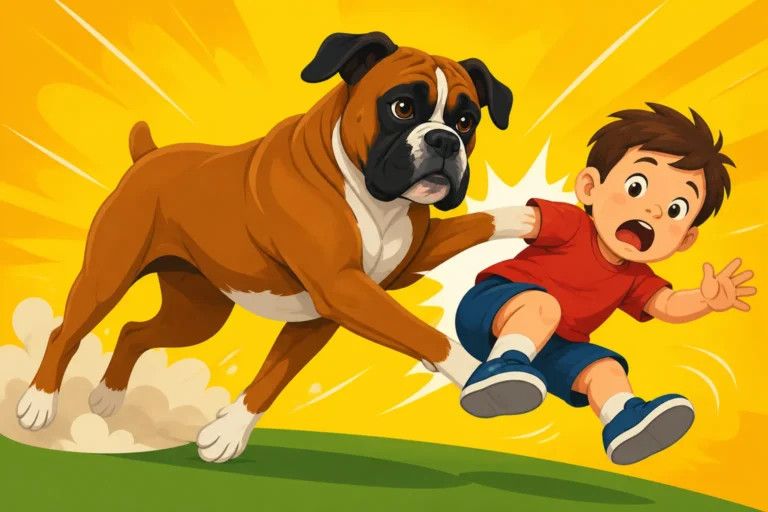
Beyond teething, Boxers are renowned for their playful, sometimes boisterous, nature. They are often called "the Peter Pan of dogs" because they retain their puppy-like exuberance well into adulthood. A big part of a Boxer's play style involves their mouth and paws. They use their mouths to interact with the world, to investigate, to grab, and to play "fight" with littermates or other dogs. This is where the breed likely got its name, as their use of front paws in play can look uncannily like boxing. You can read more about this fascinating behavior in Why a Boxer Boxes With Its Front Paws.
When they play with you, they might try to mouth your hands or clothing as a form of invitation or continuation of play. They're not necessarily trying to hurt you, but they haven't learned where the line is yet, or that human skin is much more delicate than another dog's fur. This type of mouthing is less about discomfort and more about communication and energy expression. They might nip and then back off, or hold your hand gently, then get carried away in the excitement. It's up to us to teach them appropriate play and redirect that natural instinct to acceptable chew items.
Boredom, Anxiety, and Attention-Seeking
Sometimes, a Boxer's mouthy behavior isn't about teething or play at all, but a symptom of unmet needs. Boxers are intelligent, high-energy dogs that require significant physical and mental stimulation. If they're bored, under-exercised, or feeling anxious, they will often find their own "entertainment," and that frequently involves chewing. A Boxer left alone all day with nothing to do might turn to destructive chewing of furniture or shoes simply because it's engaging. It provides a release for pent-up energy and can even be self-soothing in times of stress.
Consider the classic scenario: you leave your Boxer alone, and you come home to a mangled cushion. This isn't revenge; it's often a sign of boredom or separation anxiety. A dog, like a Boxer, needs a structured routine that includes plenty of opportunities to burn off energy. They need both physical activity and mental challenges to keep their busy minds engaged. If your Boxer is chewing on things they shouldn't be, it’s worth considering if their daily exercise and enrichment schedule is sufficient. Think about their Boxer Exercise Needs and the Heat That Limits Them and if you’re really meeting those demands. Otherwise, you might find yourself dealing with situations like A Boxer That Chews Doorframes When Left, and believe me, that's not fun for anyone!
What Makes a Good Chew Toy for a Boxer?
Choosing the right chew toy for your Boxer isn't just about grabbing the first thing off the shelf. Boxers have powerful jaws, and a poorly chosen toy can quickly become a choking hazard, cause dental damage, or simply not hold up to their chewing prowess. You need chews that are safe, durable, engaging, and appropriately sized for their unique bite.
Durability and Safety First
Boxers are not dainty chewers. They have incredibly strong jaws and a determined chewing style. This means that flimsier toys, or those not designed for power chewers, will be destroyed in minutes, sometimes even seconds. When a toy breaks apart, small pieces can be swallowed, leading to potential choking hazards or internal blockages. Therefore, durability is paramount. Look for toys specifically marketed for "power chewers" or "strong chewers."
Equally important is safety. The materials used should be non-toxic. Avoid toys with small attachments, bells, or easily detachable parts that could be chewed off and ingested. Check the toy regularly for wear and tear. Once a toy starts to break down, forming sharp edges or small, ingestible pieces, it's time to replace it. A worn-out toy is a dangerous toy. Many responsible owners are vigilant about this, understanding that even items like Chew-Proof Bedding for a Boxer That Digs need to be carefully selected to prevent ingestion hazards.
Engagement and Variety
Even the most durable chew toy will eventually lose its appeal if it's the only chew toy. Boxers are intelligent and can get bored easily. Providing variety in texture, shape, and even scent can keep them interested and engaged. Think about how different toys offer different chewing experiences:
- Textured chews can stimulate gums and help clean teeth.
- Oddly shaped chews can be more challenging to hold and chew, prolonging interest.
- Stuffable toys offer a whole new level of mental engagement when filled with treats or peanut butter.
Rotating your Boxer's chew toys is a fantastic strategy. Instead of leaving all toys out all the time, offer a few, then swap them out every few days. This keeps the "newness" factor alive and prevents boredom. If your Boxer has a favorite, you can still keep that one in circulation, but having a few others to rotate in will make a big difference in their engagement. This variety also helps tap into their innate need for different sensory experiences, keeping their minds sharp.
Appropriate Size for a Boxer's Jaw
This might seem obvious, but it's a critical point often overlooked. A chew toy that's too small for your Boxer is an immediate choking hazard. They could swallow it whole or get it lodged in their throat. Conversely, a toy that's too large might be awkward for them to hold or not provide the satisfying chewing action they crave.
The ideal chew toy should be too large to be swallowed, but small enough for them to comfortably get their mouth around and chew effectively. As your Boxer grows from a puppy into an adult, you'll need to upgrade their chew toys accordingly. A puppy-sized chew will quickly become dangerous for a full-grown Boxer. Always consider your individual Boxer's size and jaw strength when selecting a new chew, and remember that a seventy-pound Boxer needs a significantly larger and sturdier toy than a smaller breed.
Top Chew Categories for Redirecting Boxer Mouthing
Now that we understand the "why" and "what makes a good chew," let's explore some specific categories of chew toys that are often highly successful in redirecting a mouthy Boxer.
Durable Rubber Toys
When it comes to power chewers like Boxers, durable rubber toys are often the gold standard. Brands like KONG have made a name for themselves in this category, and for good reason. These toys are typically made from tough, non-toxic rubber compounds designed to withstand vigorous chewing. They come in various shapes and sizes, with the classic "snowman" shape being particularly popular due to its unpredictable bounce during play and its stuffable interior.
The real magic of many rubber toys is their ability to be stuffed. You can fill them with a variety of treats – peanut butter, plain yogurt, canned dog food, mashed banana, or even a blend of kibble moistened with a little water. For an extra challenge, freeze the stuffed toy! This significantly extends the time your Boxer spends working on it, providing valuable mental stimulation and a long-lasting chewing experience. Many Boxer owners find these indispensable, easily stocking up from online retailers like Amazon, ensuring they always have a few on hand. They satisfy the chewing instinct while preventing boredom, making them an excellent choice for times when you need your Boxer to settle down.
Hard Nylon Chews
Hard nylon chews are another excellent option for Boxers, especially those who are particularly destructive with other types of toys. These chews are designed to be extremely tough and are meant to be gnawed on over a long period rather than consumed quickly. They come in a wide array of shapes, including bones, sticks, and even textured designs that can help promote dental health by scraping against teeth as your Boxer chews.
One of the main benefits of nylon chews is their longevity. They are almost indestructible, standing up to even the most determined Boxer. However, it's crucial to monitor your Boxer with these. While designed not to break into small pieces, they can sometimes develop sharp edges over time from continuous chewing. If this happens, they should be replaced to prevent injury to your Boxer's mouth and gums. They don't offer the same mental engagement as a stuffable rubber toy, but for pure, unadulterated chewing satisfaction, they are hard to beat.
Edible Chews With Caution
Edible chews can be a great way to reward your Boxer and provide a satisfying, consumable chewing experience, but they come with important caveats, especially for a breed known for sensitive stomachs. Popular choices include bully sticks, dental chews, and certain types of natural chews. They offer a highly engaging and palatable chewing session.
However, moderation and supervision are key. Some edible chews can be very rich and may upset a Boxer's sensitive digestive system, leading to diarrhea or an upset stomach. Always introduce new edible chews slowly and in small amounts. Ensure the size is appropriate – too small, and it's a choking hazard; too large, and it might be too much for one session. Always supervise your Boxer when they have an edible chew to prevent them from trying to swallow large pieces whole. Be particularly cautious with rawhide, as it can be difficult to digest and poses a significant choking risk if large pieces are torn off. For a deeper dive into what your Boxer can safely consume, you might want to read Whether a Boxer Can Eat Bones to understand the risks involved.
Puzzle and Treat-Dispensing Toys
These aren't always traditional "chews" in the sense of something your Boxer will gnaw on for hours, but they are incredibly effective at redirecting mouthy behavior by engaging your Boxer's mind. Puzzle toys require your dog to figure out how to get treats out, which can involve nudging, pushing, flipping, or shaking. Treat-dispensing toys, like rolling balls or specific KONG models, slowly release kibble or small treats as your Boxer plays with them.
The mental effort involved in solving these puzzles is exhausting in a good way, often more so than physical exercise alone. This engagement reduces boredom, which, as we discussed earlier, is a common driver of inappropriate chewing. They are excellent for keeping your Boxer occupied when you can't actively supervise them, such as during meal prep or when you're working. Companies like BAXTER & Bella, which offer comprehensive training programs, often emphasize the importance of mental stimulation tools like these to build a well-behaved dog. Integrating these into your routine can be a game-changer for redirecting your Boxer's focus. You can also explore specific recommendations in Puzzle Feeders That Hold a Boxer's Attention.
| Chew Toy Category | Benefits | Considerations | Best Use |
|---|---|---|---|
| Durable Rubber Toys | Highly durable, stuffable, provides mental work | Requires filling, can be messy, some Boxers may still destroy | Boredom prevention, crate time, calming activity |
| Hard Nylon Chews | Extremely durable, long-lasting, good for teeth | Can develop sharp edges, less mental engagement, non-consumable | Power chewers, pure chewing satisfaction |
| Edible Chews | Highly palatable, consumable, satisfying | Risk of upset stomach, choking hazard, requires supervision | Occasional high-value treat, reward |
| Puzzle/Treat Dispensers | Excellent mental stimulation, reduces boredom | Not primarily a "chew," can be noisy, some are less durable | Mental enrichment, independent play, slow feeding |
Strategies for Effective Redirection
Having the right chew toys is only half the battle. You also need to employ effective strategies to teach your Boxer that these chews are the only acceptable things to mouth.
Consistency and Timing
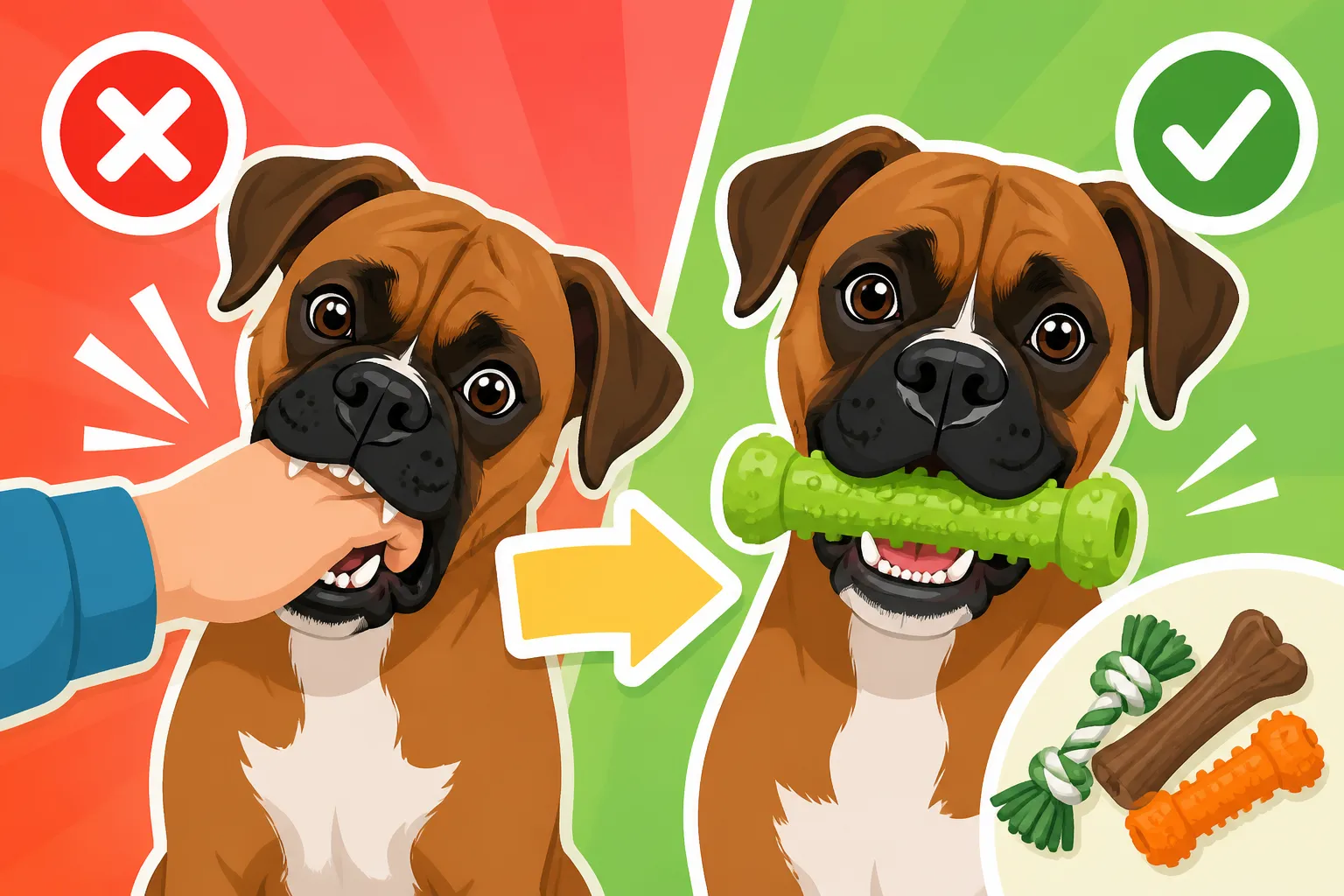
Consistency is the absolute cornerstone of any successful training, and redirecting mouthing is no exception. Every single time your Boxer mouths something inappropriate – your hand, a shoe, the furniture – you must immediately intervene and redirect them to an appropriate chew toy. This needs to happen 100% of the time, not just sometimes. If you sometimes let them mouth your hand, you're sending mixed signals, and your Boxer will be confused.
The timing of your redirection is also crucial. It needs to happen in the moment of the inappropriate behavior. If you wait even a few seconds, your Boxer won't connect the redirection with their previous action. A common technique is to yelp (like a puppy would if bitten too hard), immediately withdraw your hand or yourself, and then offer an appropriate chew. Once they take the chew, praise them calmly. This teaches them that mouthing humans stops the fun, while chewing their toy earns positive attention. This strategy is also vital when you're working on concepts like Teaching a Boxer Puppy to Soften Its Grip.
Making Chews More Appealing
Sometimes, a Boxer might prefer your hand or the remote because, frankly, it's more interesting than a plain old chew toy. Your job is to make the chew toy irresistible.
- Stuff it! As mentioned before, stuffing rubber toys with delicious, Boxer-safe treats makes them highly appealing.
- Rotate toys: Keep a selection of chew toys and rotate them every day or every few days. A "new" toy is always more exciting than one that's been lying around for weeks.
- Play with the toy: Engage your Boxer with the chew toy yourself. Make it fun! Roll it, toss it, and praise them when they interact with it. This builds positive association.
- High-value chews: Save the really good, long-lasting chews for specific times, like when you need your Boxer to settle in their crate or when you're leaving them alone for a short period.
The goal is to elevate the status of the chew toy in your Boxer's mind, making it the most rewarding thing they can chew. This is a continuous effort throughout their life, particularly during their extended puppyhood which can feel like it never ends, as highlighted in Boxer Mouthing From Puppy to Adult.
Supervision and Replacement
No chew toy, no matter how durable, is truly indestructible, especially with a Boxer's powerful jaws. Constant supervision, especially with new toys or edible chews, is non-negotiable. Watch for signs of wear and tear: cracks, tears, missing pieces, or sharp edges. As soon as a toy shows significant damage, it's time to discard it and replace it. Allowing your Boxer to continue chewing on a broken toy creates a choking hazard or can lead to ingestion of non-food items, which can be very dangerous.
Additionally, always supervise edible chews to ensure your Boxer is chewing safely and not attempting to swallow large chunks. This might mean holding one end of a bully stick or taking it away once it gets too small. Being proactive about toy maintenance and replacement is a small but crucial step in keeping your Boxer safe and healthy. After all, the aim is to find Toys a Boxer Cannot Destroy in a Day to maximize safety and longevity, but even the best will eventually need replacing.
Disclaimer
This article is for general informational purposes only and does not constitute professional advice. Laws, prices and regulations vary by location and change over time. Consult a qualified professional for guidance on your specific situation.