Fetch and Flirt Poles for a Boxer
Every Boxer owner knows the struggle: you've taken your energetic companion for a walk, but they still seem to have an endless well of energy, often leading to mischief or restlessness around the house. Finding engaging, high-intensity exercise that truly satisfies a Boxer's physical and mental needs, especially when the weather isn't cooperating or you're short on time, can feel like a constant puzzle. This guide will dive deep into two fantastic tools—fetch and flirt poles—that can transform your Boxer's exercise routine, channeling their boundless enthusiasm into constructive, fun activities that leave them happily tired.
Why Your Boxer Craves More Than Just a Walk
Boxers are not just any dog; they are powerful, intelligent, and famously playful animals bursting with vitality. A casual stroll around the block, while pleasant for sniffing and a potty break, rarely scratches the itch of their profound exercise requirements. Owners often find themselves wondering why their Boxer still seems to bounce off the walls even after a seemingly decent walk.
The Boxer's Unique Energy Profile
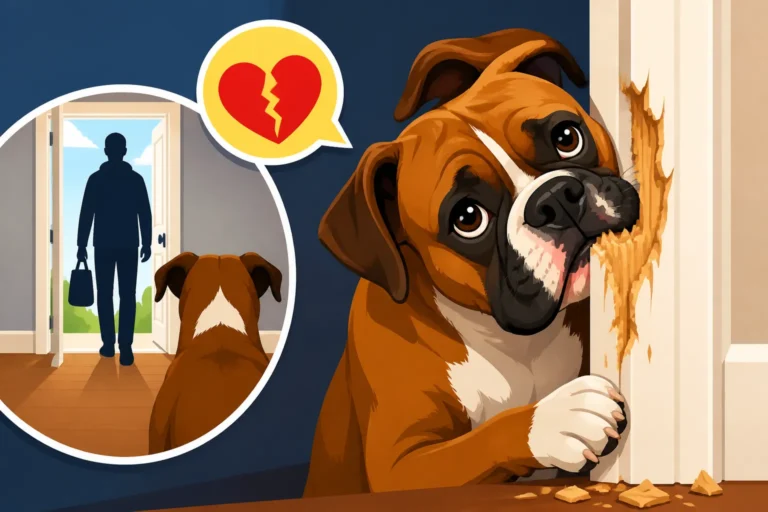
Imagine a highly athletic human who loves to run sprints, jump, and engage in high-octane sports. Now imagine telling them their daily exercise is a leisurely walk. That's often what we ask of our Boxers. Their muscular build, combined with a naturally exuberant temperament, means they thrive on bursts of intense activity. They were originally bred to be working dogs, needing both physical exertion and mental stimulation. If these needs aren't met, that coiled-up energy doesn't just dissipate; it can manifest in less desirable ways, like destructive chewing, incessant nudging, or "zoomies" around your living room at the most inconvenient times. They really do need purposeful activity, not just passive companionship. For more on managing their boundless energy, consider reading The Boxer Puppyhood That Lasts Three Years.
The Mental Stimulation Factor
Beyond the purely physical, Boxers are smart cookies. They learn quickly, but they also get bored quickly. A repetitive walk offers limited mental engagement once they've mapped out the neighborhood scents. Games like fetch and flirt pole play demand focus, problem-solving (even if it's just anticipating where a toy will land), and impulse control. This kind of mental workout is just as crucial as physical exercise in tiring out a Boxer. Think of it this way: a dog that has had to think and strategize during play is often more relaxed and satisfied than one who has simply run aimlessly. It's about engagement, not just exhaustion.
The Classic Game of Fetch, Boxer Style
Fetch might seem simple, but for a Boxer, it's a profound joy and an excellent workout. It taps into their natural chasing instincts and offers a fantastic way to burn off steam in a relatively contained area. But there's a difference between a casual toss and a structured, beneficial game of fetch.
Choosing the Right Fetch Toys
Not all toys are created equal, especially when dealing with a powerful Boxer jaw and their tendency to be enthusiastic, to say the least. Cheap, flimsy toys will be destroyed in minutes, creating a mess and potentially a choking hazard. You need durable options that can withstand repeated chewing and impact.
- Rubber Balls: High-quality, solid rubber balls are often a Boxer owner's best friend. Look for brands known for extreme durability. They should be too large to be swallowed but small enough for your Boxer to comfortably carry.
- Rope Toys: Thick, tightly woven rope toys can be good for fetch, especially if your Boxer enjoys a brief tug-of-war before or after retrieving. Just monitor for fraying, as ingested strings can cause serious issues.
- Frisbees/Discs: Soft, pliable discs designed specifically for dogs are great. Avoid hard plastic human frisbees, as they can shatter and injure your Boxer's mouth. These are fantastic for teaching them to jump and catch mid-air, adding another dimension to the exercise.
When shopping, online retailers like Amazon offer a vast selection, and you can often find reviews specifically from owners of powerful chewers like Boxers, which can be incredibly helpful in guiding your choice. Remember to regularly inspect toys for damage and replace them when they start to break down. For ideas on indestructible options, check out Toys a Boxer Cannot Destroy in a Day.
Fetch for Impulse Control and Focus
Fetch isn't just about throwing; it's a fantastic training opportunity.
- The "Wait" Command: Before throwing the toy, have your Boxer sit and wait. This builds impulse control, which is essential for a high-energy dog. Only release them with a clear "Go!" or "Fetch!" command. This helps prevent them from body-slamming you in their excitement.
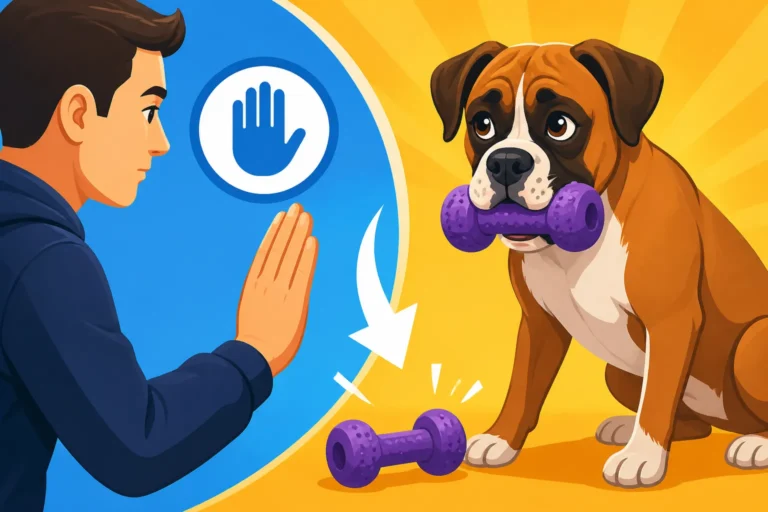
- The "Drop It" or "Give" Command: Once they retrieve the toy, teach them to drop it reliably. This prevents resource guarding and makes the game much smoother. Practice by offering a high-value treat in exchange for the toy, gradually fading the treat as the command becomes established. BAXTER & Bella, for example, offers online training programs that can guide you through these fundamental commands using positive reinforcement, making fetch a more structured and rewarding experience for both of you.
- Short Bursts vs. Endless Repetition: Boxers, despite their energy, can have a surprisingly short attention span for repetitive tasks if not kept engaging. Instead of 20 identical throws, try varying the direction, distance, or even the type of toy. Short, intense sessions of 5-10 minutes, perhaps a few times a day, are often more effective than one long, monotonous session. This aligns well with the advice in Why Short Sessions Suit a Boxer's Attention Span.
Unleashing the Inner Prey Drive with a Flirt Pole
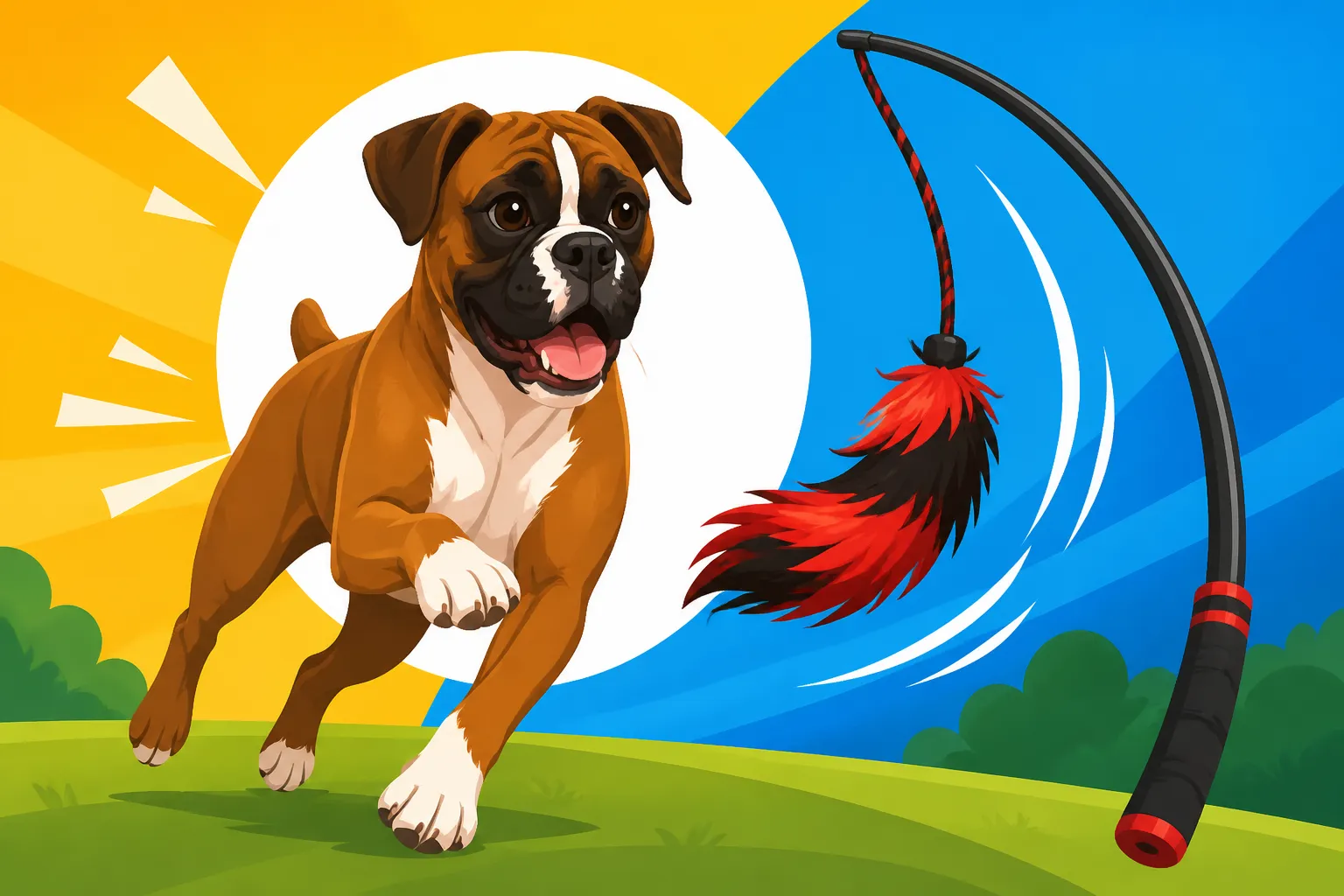
If you've never used a flirt pole, prepare to be amazed by your Boxer's reaction. This simple tool, essentially a long pole with a lure (often a fluffy toy or rag) attached to a rope, is designed to mimic the erratic movements of prey, driving dogs absolutely wild with excitement.
What is a Flirt Pole and How Does it Work?
A flirt pole taps directly into a dog's natural prey drive: the instinct to chase, stalk, and pounce. You hold the pole and drag the lure along the ground, making it dart, stop, and change direction, much like a small animal. Your Boxer will instinctively chase and try to "catch" the lure.
- The Mechanics: The pole extends your reach, allowing the lure to move at speeds and in patterns you couldn't achieve by just holding a toy. The rope adds an element of springiness, making the lure's movements even more tantalizing and unpredictable.
- Intense Workout: This isn't a gentle game. Your Boxer will be sprinting, leaping, twisting, and turning. It's an incredibly high-intensity workout that engages their entire body and mind. You'll be surprised how quickly even the most energetic Boxer can be tired out with a good flirt pole session.
- Safety First: Because of the intensity, it's crucial to play on a soft surface (grass is ideal) to minimize impact on their joints. Avoid hard surfaces like concrete. Watch for signs of overheating, especially in Boxers, who are prone to it due to their brachycephalic (flat-faced) nature. Short bursts of play with plenty of water breaks are key. For more on managing heat, consult The Degrees at Which a Boxer Struggles.
How to Use a Flirt Pole Safely and Effectively
Using a flirt pole is more nuanced than it looks. It's about controlled, exciting movement, not just wild flailing.
- Warm-Up: Always start with a short warm-up, perhaps a few minutes of slow walking or gentle fetch, to get their muscles ready.
- Controlled Movement: Drag the lure along the ground in sweeping arcs, making it dart and pause. Avoid lifting the lure too high, as this can encourage excessive vertical jumping which can be hard on their joints. Keep it low and enticing.
- The "Catch" and "Drop It": Allow your Boxer to "catch" the lure frequently enough to keep them motivated. When they catch it, celebrate! Then, immediately ask for a "drop it" or "give" command. This is crucial for teaching impulse control and ensuring the game remains fun and doesn't devolve into resource guarding. You can use a high-value treat to trade for the lure if needed, especially in the beginning. Again, resources from BAXTER & Bella can be invaluable for teaching these commands effectively.
- Scheduled Breaks: Boxers can push themselves too hard in the heat of the moment. Plan for short, intense play sessions (2-5 minutes) followed by a calm break for water and recovery. Repeat a few times.
- Cool-Down: End the session with a gentle cool-down period, like a slow walk or some calm sniffing, to bring their heart rate down.
Benefits of Flirt Pole Play
- Instant Energy Burn: Few activities tire a Boxer out as efficiently as a flirt pole.
- Builds Muscle and Agility: The quick changes in direction and pouncing strengthen their muscles and improve coordination.
- Mental Engagement: The chase and "hunt" are incredibly satisfying mentally, reducing boredom.
- Reinforces Commands: It's an excellent way to practice "leave it," "drop it," and "wait" in a highly stimulating environment.
- Safe Indoor/Yard Option: Great for days when outdoor conditions aren't ideal, or if you have a smaller yard. Indoor Exercise for a Boxer in a Heatwave offers more strategies for managing exercise indoors.
Integrating Fetch and Flirt Pole Play into Your Boxer's Routine
Making these activities a regular part of your Boxer's life can dramatically improve their behavior and well-being. It's about creating a balanced routine that addresses their innate needs.
Structuring Your Play Sessions
Varying the types of exercise keeps things fresh and prevents boredom. Instead of doing the same activity every day, rotate fetch, flirt pole, walks, and other training.
| Activity | Duration (Typical) | Key Benefits | Best Environment | Considerations |
|---|---|---|---|---|
| Structured Fetch | 10-20 minutes | Cardio, impulse control, recall, bonding | Open field, backyard | Durable toys, "drop it" command essential |
| Flirt Pole Play | 5-10 minutes (bursts) | High-intensity cardio, agility, prey drive satisfaction | Grassy area, soft ground | Overheating risk, joint impact, cool-down needed |
| Leisurely Walk | 30-60 minutes | Sniffing, mental enrichment, general exercise | Neighborhood, park | Supplement with higher intensity activities |
| Training Session | 5-10 minutes (short) | Mental stimulation, obedience, bond-building | Anywhere quiet | Focus on positive reinforcement |
A typical day might involve a morning walk, a midday fetch session, and an evening flirt pole workout, interspersed with short training bursts.
When to Utilize These Games
- Before Work/School: A vigorous game of fetch or flirt pole before you leave can help your Boxer settle down for a few hours, reducing the likelihood of boredom-induced destructive behavior. Read Why a Boxer Wrecks Things When Under-Exercised for more insight.
- On Bad Weather Days: When it's too hot, too cold, or too rainy for a long walk, a flirt pole can provide an intense workout in a smaller, sheltered area, even a garage or a large living room.
- To Burn Off "Zoomies": If your Boxer suddenly gets a burst of energy and starts racing around the house, a quick flirt pole session can effectively channel that energy into a more appropriate outlet.
- As a Reward: Use a few minutes of flirt pole play as a high-value reward after a successful training session or for good behavior. Boxers are incredibly motivated by play, as discussed in Rewards a Boxer Will Work Hard For.
- For Dogs with Limited Mobility (Modified): While intense, these games can be modified for Boxers recovering from injuries or older dogs who still need mental stimulation but can't run far. Shorter, slower movements with the flirt pole, or gentle rolling fetch, can still provide engagement.
Tips for Success
- Consistency is Key: Boxers thrive on routine. Try to incorporate these games at similar times each day.
- Read Your Boxer: Pay attention to their body language. Are they still eager? Or are they starting to look tired? Know when to end the session.
- Hydration: Always have fresh water available, especially after intense play.
- Positive Reinforcement: Keep the games fun and rewarding. Use praise, enthusiastic tones, and occasionally a small treat to reinforce good behavior during play.
- Variety: Don't let these games become monotonous. Change up the toys, the location, and the commands to keep your Boxer guessing and engaged. This goes back to the Boxer's tendency to get bored fast, a topic covered in Training a Boxer That Gets Bored Fast.
- Consider a Trainer: If you're struggling with getting your Boxer to reliably drop the toy or control their excitement, a professional trainer can offer personalized guidance. Many online platforms, including those from BAXTER & Bella, provide structured courses that can help you master these techniques.
By embracing fetch and flirt poles, you're not just providing exercise; you're strengthening your bond, building their confidence, and ensuring your Boxer lives a happier, more fulfilled life, one exciting chase at a time.
Disclaimer
This article is for general informational purposes only and does not constitute professional advice. Laws, prices and regulations vary by location and change over time. Consult a qualified professional for guidance on your specific situation.