Paddling Pools and a Boxer That Cannot Cool Itself
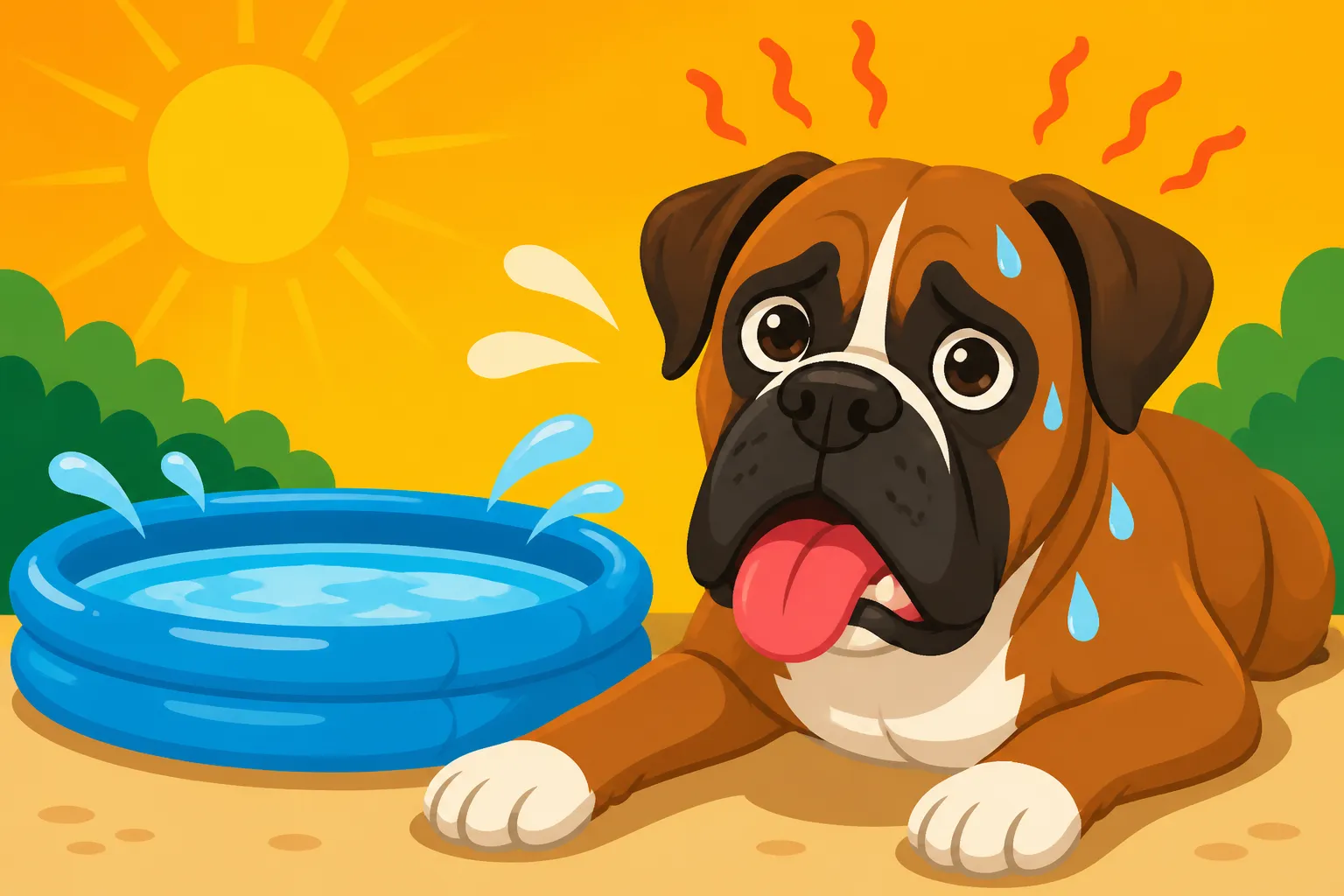
For Boxer owners, the struggle to keep our beloved, energetic clowns cool is a constant worry, especially when the mercury starts to climb. Their flat faces, while undeniably charming, make them particularly susceptible to overheating, and seeing them pant relentlessly with no relief is a truly heartbreaking sight. This guide is all about one fantastic, often overlooked solution to that problem: the humble paddling pool. We'll dive into why it's so vital for Boxers, how to choose the perfect one, and how to maximize its cooling power to keep your furry family member safe and happy all summer long.
Why Boxers Struggle with Heat More Than Other Dogs
It’s not just a myth that Boxers are particularly sensitive to heat; it’s a physiological reality rooted in their unique anatomy. Our Boxers are part of the brachycephalic family, which means "short-headed." This adorable facial structure comes with some inherent challenges when it comes to regulating their body temperature.
The Brachycephalic Challenge
Unlike dogs with longer snouts, a Boxer’s compacted respiratory system makes panting, their primary method of cooling down, far less efficient. Think about it: a longer snout acts like a radiator, allowing air to circulate and cool before it reaches the lungs. With a Boxer, their shortened nasal passages, often narrowed nostrils (stenotic nares), and sometimes an elongated soft palate mean the air has less space and time to cool down. It’s like trying to cool a room with a tiny fan stuck in a closet instead of a powerful fan in the open. They have to work much harder to move the same amount of air, leading to increased effort and, paradoxically, generating more heat. This is why even on a moderately warm day, you might notice your Boxer breathing heavily after just a short burst of play. It’s not just exertion; it’s their body fighting to stay cool.
Beyond just the physical structure, Boxers are also incredibly athletic and enthusiastic dogs. They possess a high drive and boundless energy, often pushing themselves beyond what's safe in warmer conditions because their desire to play overrides their discomfort. This combination of a compromised cooling system and a powerful play drive is a recipe for quick overheating. Understanding these limitations is the first step in being a responsible Boxer owner and recognizing why proactive cooling strategies are not just a luxury, but a necessity. If you've ever wondered How Fast a Flat-Faced Boxer Overheats, you now know it can be alarmingly quick.
Overheating Risks and Warning Signs
The consequences of a Boxer overheating can be severe, escalating rapidly from discomfort to a life-threatening emergency. Heatstroke is a very real danger, and for a Boxer, it can set in quicker than you might expect. Early signs might seem innocuous: excessive panting that sounds louder or more strenuous than usual, drooling more than their usual amount, or seeking shade and slowing down. As it progresses, you might notice reddened gums, a rapid heart rate, weakness, or even stumbling.
In more serious cases, a Boxer experiencing heatstroke might collapse, have vomiting or diarrhea, or even seizures. Their body temperature can soar to dangerous levels, leading to organ damage and, tragically, death if not addressed immediately. It's crucial to know Signs a Boxer Is Overheating and act swiftly. We want to avoid these dire situations entirely, which is why preventative measures like providing access to a paddling pool are so incredibly important. Waiting until your Boxer is clearly distressed is already too late; we need to offer avenues for cooling before they even start to struggle.
The Humble Paddling Pool: A Boxer's Best Friend in Summer
When it comes to effective and enjoyable cooling for Boxers, a paddling pool is truly a game-changer. It’s not just a splash of water; it’s a dedicated zone for safe, refreshing play and crucial temperature regulation.
Benefits Beyond Just Cooling
While the primary benefit is obviously cooling, a paddling pool offers so much more for our active Boxers. For one, it provides fantastic mental stimulation. Boxers are intelligent dogs who thrive on engagement, and a pool offers a new environment to explore. Watching them nose at the water, try to "catch" the ripples, or even attempt to herd the water can be incredibly entertaining for them and for you. It’s a novel experience that taps into their playful nature without the risk of overexertion that comes with running around in the heat.
Furthermore, it's a source of low-impact exercise. Splashing, wading, and even a bit of gentle swimming (if the pool is big enough and they're inclined) can help them burn off some energy without putting stress on their joints, which is especially beneficial for older Boxers or those with conditions like Boxer Hip Dysplasia and Spondylosis. For many Boxers, a paddling pool becomes their safe haven during the hottest parts of the day, offering a stress-free way to remain active and engaged when walks are too dangerous due to the soaring temperatures. It’s an essential tool in their daily routine, a place where they can truly be themselves, even when the thermometer is against them.
Choosing the Right Pool for Your Boxer
Selecting the perfect paddling pool for your Boxer isn't as simple as grabbing the first one you see. Our Boxers are strong, boisterous, and often have a penchant for destructive testing, especially if they're still in that long The Boxer Puppyhood That Lasts Three Years. Durability is key. Forget flimsy inflatable pools unless you enjoy patching them up every other day; a Boxer's claws and teeth are no match for thin vinyl. Look for pools made from heavy-duty PVC or, even better, hard plastic. Many brands specifically make "dog pools" that are much more robust.
Size matters too. While a shallow pool is good for just wading, a slightly deeper one allows them to actually lie down and submerge their chest, which is critical for core body cooling. Make sure it's wide enough for them to comfortably stand and turn around. You don't need Olympic-sized, but something they can really get into. When browsing options on sites like Chewy or Amazon, pay attention to reviews from owners of larger, more active breeds. A non-slip bottom is also a bonus, preventing slips and tumbles when they enthusiastically jump in and out. Some pools even fold up for easy storage, which is a nice perk for those of us with limited yard space.
Setting Up and Maintaining Your Boxer's Aquatic Oasis
Once you’ve got the perfect pool, setting it up correctly and maintaining it are crucial steps to ensure it remains a safe and inviting spot for your Boxer.
Location, Location, Location
Where you place the paddling pool makes a huge difference in its effectiveness and convenience. The absolute number one rule is shade. Direct sunlight will heat the water quickly, defeating the purpose of cooling and potentially creating a dangerously hot environment. Choose a spot under a large tree, an awning, or use a pop-up canopy. This also protects your Boxer from direct sun exposure, reducing the risk of sunburn, especially for lighter-colored Boxers or those with sparse coats. For instance, Caring for a White Boxer's Skin involves careful sun protection.
Consider proximity to a water source and drainage. You'll be filling and emptying this pool regularly, so having a hose nearby is a blessing. Think about where the water will go when you drain it. Will it create a muddy mess, or can it nourish a thirsty section of your lawn? A relatively flat, stable surface is also important to prevent the pool from tipping or becoming uneven as your Boxer splashes around. Avoid placing it near anything sharp or pointy that could puncture the material.
Keeping it Clean and Safe
Maintaining a clean pool is paramount for your Boxer's health. Still, stagnant water quickly becomes a breeding ground for bacteria, algae, and even mosquitoes. Aim to empty and rinse the pool daily, especially if it's heavily used. A good scrub with a dog-safe cleanser (or even just soap and water followed by a thorough rinse) at least once a week will prevent algae buildup and keep the water fresh. Don't forget to drain it if rain is coming, as rainwater can also introduce contaminants.
Making it inviting for your Boxer is also key. Some Boxers might be wary of water at first. Start by making it a positive experience – toss in a few floating toys (durable ones, of course!), or drop in some ice cubes for them to "fish" out. You can even try placing some of their favorite waterproof Treats That Survive Boxer Training Sessions in the water to encourage them to explore. Always supervise your Boxer, especially when they are new to the pool, to ensure they are comfortable and safe. Remember, the goal is a refreshing, fun experience, not a stressful one.
Creative Ways to Maximize Cooling Fun
A paddling pool is a fantastic start, but with a few extra tricks, you can turn it into an ultimate cooling station for your Boxer, offering even more relief during the oppressive heat.
Frozen Treats and Water Toys
Adding ice cubes to the pool water isn't just a simple gesture; it genuinely helps drop the water temperature, offering immediate relief. You can go a step further by making your own giant ice blocks with toys frozen inside, or even add a special treat. Consider freezing some low-sodium broth, or small portions of their regular food, perhaps from a high-quality brand like Ollie, into ice molds. These "pupsicles" can then be enjoyed in or near the pool, providing both hydration and a cooling snack. Floating, durable toys, specifically designed for water play, are also excellent. They encourage your Boxer to engage with the water without having to expend too much energy, turning cool-down time into playtime. A sturdy, buoyant fetch toy can make a world of difference for a Boxer who loves to "work" even when it's hot.
Combining with Other Cooling Strategies
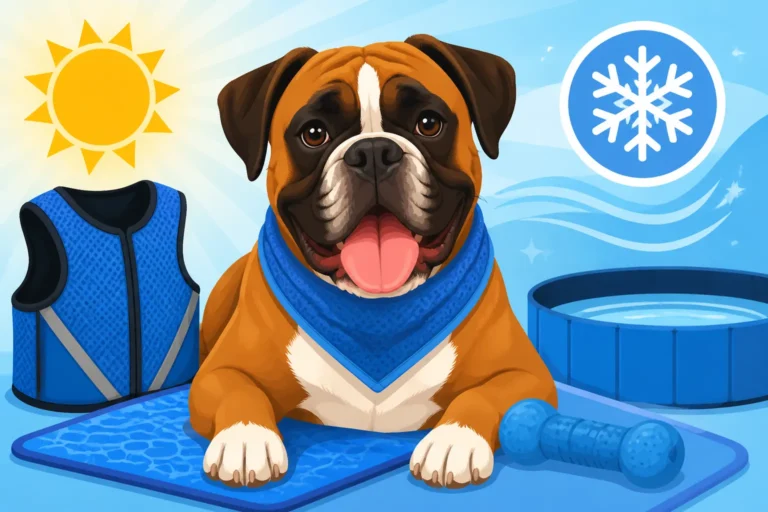
The paddling pool should be seen as one powerful tool in your overall heat management strategy for your Boxer. It works best when combined with other methods. For example, ensure your Boxer always has access to fresh, cool water in multiple spots around the house and yard. On really hot days, consider using cooling vests or bandanas, which use evaporative cooling to draw heat away from their body. A simple fan pointed at their resting spot can also make a significant difference, especially indoors. You might also want to explore Cooling Gear for a Flat-Faced Boxer for additional options.
Most importantly, adjust their exercise schedule. Walks should be limited to the very early morning or late evening when temperatures are much lower. On days when it's simply too hot, opt for indoor brain games or gentle playtime in the cool house, reserving the pool for their outdoor energy release. Knowing The Degrees at Which a Boxer Struggles helps you make informed decisions about when to stay indoors and when the pool is the only safe outdoor option. Integrating these various strategies ensures your Boxer stays as comfortable and safe as possible, even when summer is at its peak.
| Cooling Method | Effectiveness | Effort Level | Primary Benefit | Considerations for Boxers |
|---|---|---|---|---|
| Paddling Pool | High | Medium | Full body cooling, low-impact exercise | Requires durable pool, shade, regular cleaning. |
| Cooling Vest/Bandana | Medium-High | Low | Targeted evaporative cooling | Must be kept wet, monitor fit, check for chafing. |
| Frozen Treats | Low-Medium | Low | Internal cooling, hydration | Can be messy, avoid high-sugar items. |
| Ice Packs (Wrapped) | Medium | Low | Localized cooling | Apply to pulse points (groin, armpits), never directly on skin. |
| Indoor Fans | Medium | Low | Air circulation, evaporative cooling | Only effective if air temperature isn't excessively hot. |
| Shade Access | High (passive) | Low | Prevents overheating | Essential for all outdoor time, not just active play. |
| Timing Exercise | High (preventative) | Low | Avoids heat build-up | Crucial in hot climates; early morning/late evening only. |
Disclaimer
This article is for general informational purposes only and does not constitute professional advice. Laws, prices and regulations vary by location and change over time. Consult a qualified professional for guidance on your specific situation.