Rewards a Boxer Will Work Hard For
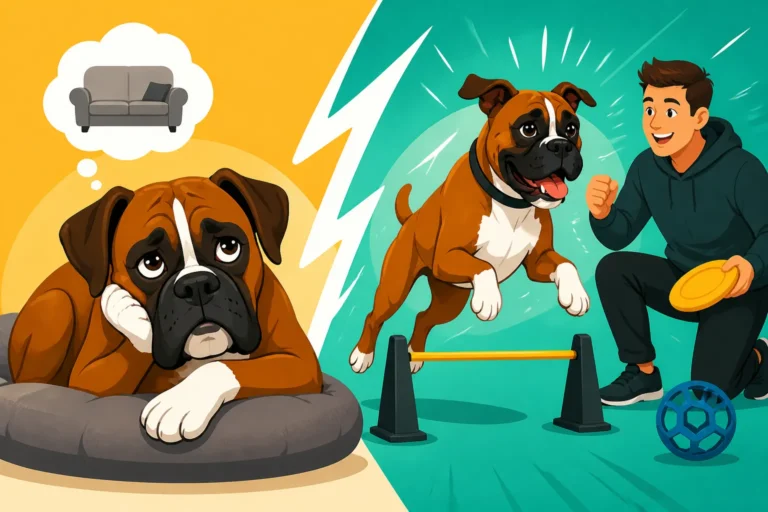
You know how it goes with a Boxer: one minute they're laser-focused, the next they've spotted a squirrel or decided their toy is far more interesting than your meticulously planned training session. It can feel like you're constantly competing for their attention, especially when it comes to finding that "thing" that truly makes them want to work. This guide is all about cracking the code to what truly motivates your Boxer, exploring the different kinds of rewards that will keep them engaged and eager to learn, and helping you tailor your approach so training becomes a joy for both of you.
Understanding Your Boxer's Motivation Palette
Every Boxer is a unique individual, full of quirks and personality, but they all share that underlying desire for engagement and fun. The key to successful training isn't just about what you offer, but understanding what truly lights up your particular Boxer. Sometimes what you think is a fantastic reward barely registers, while something simple gets their tail thumping wildly. It's a bit of an ongoing experiment, and the best trainers — or simply, the most effective Boxer parents — are always observing and adapting.
Think of it like this: what gets your Boxer up and moving with enthusiasm on a lazy Sunday afternoon? Is it the jingle of car keys, signaling an adventure? Is it the crinkle of a treat bag? Or perhaps the sight of their favorite tug toy? These everyday moments offer valuable clues into their deepest desires. Don't fall into the trap of thinking all dogs are the same or that one type of reward works for every task. A tiny piece of kibble might be enough for a "sit," but you'll need the big guns for a reliable recall around distractions.
The Ever-Changing Value of Rewards
What your Boxer considers high-value today might be old news tomorrow, or perhaps less exciting depending on the environment. A piece of plain kibble might work wonders in a quiet living room, but if you're asking for a "stay" at the bustling park, you'll need something far more enticing, like a bit of cooked chicken or cheese. The perceived value of a reward is directly tied to the difficulty of the task and the level of distraction.
It’s easy to get frustrated when your Boxer seems to “forget” a command they know perfectly well indoors when you take them outside. But it's not forgetfulness; it's the competition of the environment against your reward. If the squirrel is a ten out of ten on the excitement scale, and your reward is a two, you're not going to win. Always scale your rewards up when the challenge increases. Remember that consistency and a strong reward history built in easier environments will make those harder situations more manageable, but you still need to be ready to pull out the "jackpot" rewards when it truly matters. Keeping Boxer Training Sessions Interesting is all about staying one step ahead.
Food-Based Rewards: Fueling the Focus
For many Boxers, food is the ultimate motivator. Their enthusiastic, often goofy expressions when food is involved are hard to resist. But not all food is created equal, and understanding the hierarchy of treats can revolutionize your training.
High-Value vs. Low-Value Treats
This isn't just a fancy term; it's a critical concept. Low-value treats are your everyday kibble or a standard crunchy biscuit. They're good for quick, easy repetitions in low-distraction environments. High-value treats, however, are the gourmet meal of the training world. These are the rare, delicious, and often smelly morsels that your Boxer would do backflips for.
Think about what truly makes your Boxer's eyes light up. For some, it's tiny cubes of cheese. For others, it's cooked chicken, hot dogs, or even freeze-dried liver. These are your "big guns." Use them for new behaviors, for practicing in distracting environments, or for those moments when your Boxer really needs to push through a tough concept. If you use high-value treats too often for simple commands, they lose their special appeal. It's like having steak every night – eventually, it just becomes dinner. Treats That Survive Boxer Training Sessions are especially important for those high-energy moments.
| Treat Value | Examples | Best Use Cases | Notes |
|---|---|---|---|
| High | Cooked Chicken, Cheese, Hot Dogs, Sardines, Peanut Butter (xylitol-free) | New behaviors, high-distraction environments, proofing commands, jackpot rewards | Keep portions tiny to avoid upset stomachs. Use sparingly to maintain value. |
| Medium | Soft Training Treats, Commercial Deli Meat, High-Quality Kibble | Practicing known behaviors, moderate distraction, luring | Good for general reinforcement. Can be easily broken into smaller pieces. |
| Low | Regular Kibble, Hard Biscuits | Easy behaviors, low-distraction, quick repetitions, maintenance | Useful for high-volume practice without overfeeding. |
The Art of Delivery and Portion Control
It's not just what you give, but how. Delivering a treat quickly, within 1-3 seconds of the desired behavior, is crucial for your Boxer to associate the reward with their action. Think of it as a clear "yes!" signal. A delayed reward loses its impact. Also, keep treats tiny! A pea-sized piece of chicken is often just as exciting as a larger chunk, and it helps manage your Boxer's weight, which is always a consideration for a breed prone to heart conditions.
Many owners struggle with overfeeding treats, especially with an enthusiastic Boxer who seems perpetually hungry. You can offset this by reducing their regular meal portions on training days. For a focused training session, consider using their regular kibble for most repetitions and interspersing it with those high-value treats for extra challenges or particularly good efforts. This strategy keeps them engaged without packing on extra pounds. Using a treat pouch from a store like Amazon can make delivery quick and seamless, keeping your hands free for cues and leash handling.
Play and Social Rewards: Beyond the Edible
While food is a powerful motivator, Boxers are also incredibly playful and social creatures. Tapping into these natural drives can create even more enthusiastic and lasting training results.
The Power of Play
For many Boxers, a quick game of tug or fetch is just as rewarding, if not more so, than a piece of chicken. Play can be a fantastic reward for completing a difficult task or for simply maintaining focus. It's especially effective for high-energy Boxers who thrive on physical interaction and release.
Introduce a short play session – literally 30 seconds to a minute – immediately after a successful string of commands. This acts as a massive "jackpot" reward, reinforcing the idea that working with you leads to incredible fun. It’s vital to teach your Boxer an "all done" cue for play, so they know when it's time to switch back to focused training. This helps prevent them from getting over-aroused and ensures you maintain control. Fetch and Flirt Poles for a Boxer can be excellent tools for controlled play rewards.
When incorporating play, remember to:
- Keep it brief: You want to leave them wanting more, not exhausted.
- Be enthusiastic: Your excitement is contagious!
- Use their favorite toys: That raggedy tennis ball might be worth more than a brand-new squeaker.
- Vary the game: Tug, chase, retrieve – keep it interesting.
This approach can be particularly beneficial for behaviors that require a burst of energy, like a speedy recall or a dynamic agility sequence. The intrinsic joy of the game becomes tied to performing the command.
Affection and Praise: The Bond Builder
Never underestimate the power of genuine praise and affection from you. Boxers are deeply devoted dogs, and positive verbal affirmations like "Good boy!" or "Yes!" delivered in an upbeat tone, combined with a quick scratch behind the ears or a chest rub, are incredibly meaningful. This is particularly true once a behavior is well-established.
While praise alone might not be enough to teach a new, challenging behavior in a high-distraction environment, it's essential for maintaining morale and reinforcing the bond between you and your Boxer. It's the glue that holds all other rewards together. Think of it as the continuous positive feedback loop. When you combine verbal praise with a high-value treat or a quick play session, you're making the entire experience incredibly positive and memorable for your Boxer. Platforms like BAXTER & Bella often emphasize this holistic approach, incorporating both tangible and social rewards in their training methodologies.
Table: Types of Rewards and Their Effectiveness
| Reward Type | Description | Boxer Suitability | Pros | Cons |
|---|---|---|---|---|
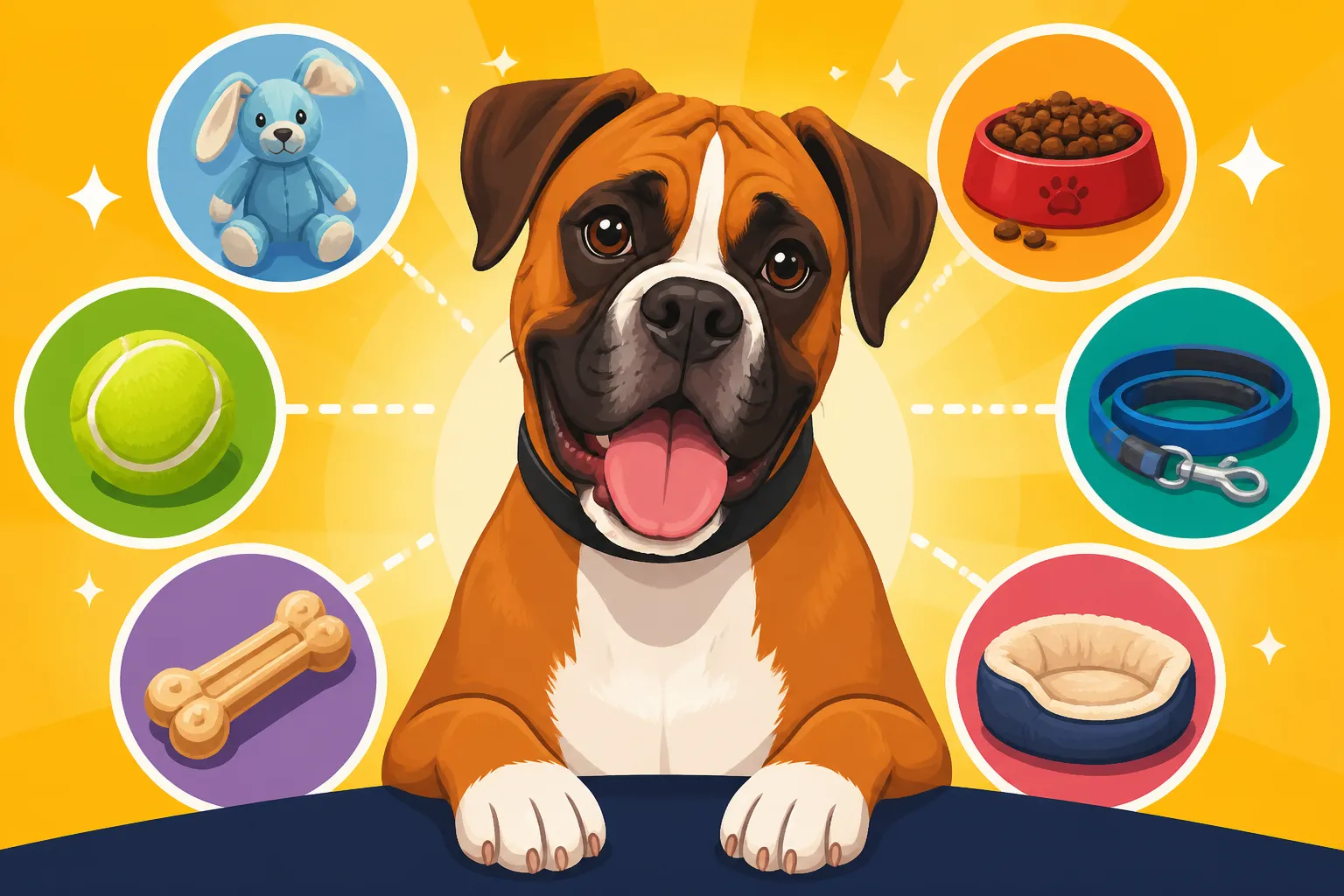
| Food Rewards | High-value treats (meat, cheese), medium-value (soft chews), low-value (kibble). | High | Versatile, easy to deliver, immediate gratification, high motivation. | Can lead to weight gain, loses value if overused, messiness. |
| Play Rewards | Tug, fetch, chase games with a favorite toy. | High | Great for high-energy Boxers, builds bond, releases energy. | Can lead to over-arousal, requires handler engagement, not always suitable for all situations. |
| Affection/Praise | Verbal praise, petting, enthusiastic cheering. | High | Strengthens bond, always available, cost-free. | Less effective for new or challenging behaviors, may not motivate highly distracted Boxers alone. |
| Environmental Rewards | Access to a desired activity or location (e.g., sniffing a bush, greeting a person, going outside). | Medium | Highly reinforcing for specific behaviors, teaches impulse control. | Requires careful timing, can be hard to implement quickly, can reinforce unwanted behaviors if misused. |
Life Rewards: The Real-World Payoff
Beyond treats and toys, the world itself is full of rewards your Boxer craves. Tapping into these "life rewards" teaches your Boxer that good behavior opens doors to all the things they love most. This is where training truly integrates into daily life, making your Boxer a more polite and enjoyable companion.
The "Premack Principle" in Action
The Premack Principle, simply put, states that a more probable behavior (something your dog wants to do) can be used to reinforce a less probable behavior (something you want your dog to do). For your Boxer, this means using access to desired activities as a reward.
Want to go outside? First, you sit politely at the door. Want to greet a visitor? First, you stay on your mat until released. Want to sniff that interesting spot on your walk? First, you walk nicely on a loose leash for a few steps. This teaches your Boxer impulse control and that you are the gatekeeper to all the good things in life. This is incredibly powerful for Boxers, who can be quite enthusiastic about life and sometimes struggle with waiting their turn. This concept is explored more in Getting a Boxer to Walk Without Towing You.
Some fantastic examples of life rewards for a Boxer include:
- Going for a walk: Make them sit calmly at the door before opening it.
- Greeting people: Ask for a "sit" or "four on the floor" before allowing them to approach. This is crucial for stopping A Boxer That Jumps on Every Visitor.
- Mealtime: Have them "wait" before digging into their food bowl.
- Playing with a favorite toy: A quick "sit" before you throw the ball.
- Getting attention: If your Boxer nudges you for attention, wait for them to offer a calm "sit" before you engage.
- Access to the yard: Sitting patiently at the back door before they bound out.
The Value of Choice and Freedom
Another crucial, often overlooked, reward for a Boxer is choice and freedom. Within safe boundaries, allowing your Boxer to choose an activity can be a huge motivator. For instance, after a successful training session, offer them a choice between a chew toy, a cuddle on the couch, or a short sniffari in the yard. Giving them a sense of agency, even small choices, can significantly boost their engagement and happiness.
This approach is particularly effective when you're working on building confidence or reducing anxiety. A Boxer who feels they have some control over their environment, rather than always being told what to do, will often be more willing to learn and cooperate. Remember, a happy, confident Boxer is a willing learner. Why a Boxer Was Given a Turned-Up Muzzle might speak to their unique physical traits, but their mental and emotional well-being are just as important.
Combining Rewards for Maximum Impact
The most effective training programs often utilize a combination of all reward types. It’s not about choosing one over the other, but knowing when and how to layer them for the best results.
The Reward Buffet
Think of your Boxer's reward system as a buffet. For simple, quick commands, you might offer a small piece of kibble. For a harder task, you might combine a high-value treat with enthusiastic verbal praise. For an extraordinary effort, you might use a "jackpot" reward: several high-value treats in a row, followed by a quick game of tug, and then released to sniff a particularly interesting spot.
Varying your rewards keeps your Boxer guessing and engaged. If they always know exactly what's coming, the reward can lose some of its excitement. Unexpectedly giving them an even better reward than they anticipated for a good effort can create a powerful positive association and make them more eager to work for you next time. This variety also helps prevent your Boxer from becoming reliant on just one type of reward, making them more adaptable to different situations. Whether a Boxer Trains Better for Food or Play is a question many owners ask, but the truth is often a nuanced combination.
Fading Lures and Rewards
As your Boxer masters a behavior, you'll naturally want to "fade" the more constant, tangible rewards. This doesn't mean stopping rewards entirely, but rather moving from continuous reinforcement (rewarding every time) to intermittent reinforcement (rewarding sometimes, unpredictably). This is how behaviors become truly reliable and durable.
Once your Boxer understands a command, you can start asking for a few correct repetitions before offering a reward. Gradually, you'll move to rewarding only the best efforts, or for performing the command in increasingly challenging environments. However, never completely remove rewards. Think of it like a paycheck: you wouldn't keep going to work if you stopped getting paid, even if you love your job! Your praise, affection, and occasional high-value rewards or play sessions will continue to be vital motivators throughout your Boxer's life. This allows your Boxer to move from external motivation to more intrinsic motivation, where performing the behavior itself becomes satisfying, especially when paired with your approval.
Remember, every Boxer is an individual journey, and finding what truly motivates yours is one of the most rewarding parts of sharing your life with them. Keep observing, keep experimenting, and most importantly, keep it fun!
Disclaimer
This article is for general informational purposes only and does not constitute professional advice. Laws, prices and regulations vary by location and change over time. Consult a qualified professional for guidance on your specific situation.