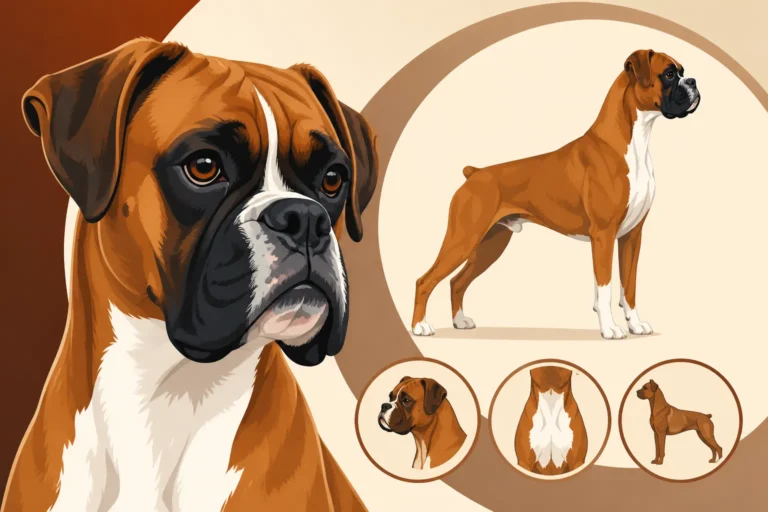
Whether a Fawn Boxer Can Be Almost Red
It's incredibly common for new and even experienced Boxer owners to feel a little lost when it comes to coat colors, especially when you see a beautiful, dark fawn Boxer and wonder if it's actually "red." The truth is, the world of Boxer colors is rich and varied, and what one person calls a deep fawn, another might lovingly refer to as red. This guide is here to help you navigate the nuances of the fawn Boxer coat, clarifying what the breed standard truly means and why some Boxers certainly appear to be a stunning shade of red.
The Spectrum of Fawn in Boxers
When we talk about "fawn" in Boxers, it's not a single, unchanging shade. It’s a wonderfully broad category that encompasses a whole rainbow of warm, earthy tones. Thinking of it as a spectrum rather than a fixed point will really help you appreciate the incredible diversity within the breed. From the palest gold to the deepest, most burnished hue, a fawn Boxer can truly surprise you with its depth of color.
From Pale Gold to Rich Mahogany
Imagine the lightest touch of warm sunlight on a field of wheat – that's often where the fawn spectrum begins for Boxers. These light fawns can be an almost creamy golden color, sometimes appearing quite pale, especially as puppies. They have that quintessential warm undertone, but without a lot of saturation. On the other end of the spectrum, you find the fawns that command attention, so saturated with pigment that they truly do look like rich mahogany or a burnished copper penny. These are the Boxers that often spark the "is that red?" question, and for good reason! Their coats have such an intensity that they practically glow.
The variation you see is all thanks to genetics. Boxers carry genes for different intensities of phaeomelanin, the pigment responsible for red and yellow tones. A dog with a high expression of this pigment will be a much darker, richer fawn, leaning heavily into those reddish-brown tones. It's a natural and beautiful part of the breed's genetic makeup. You might notice these deep red-fawn Boxers have a particularly striking appearance, often paired with a strong black mask that further accentuates their vibrant coat. It's a testament to the diverse beauty within the breed standard, which allows for this wide range of fawn intensity.
What Makes a Boxer Appear "Red"?
So, why does a fawn Boxer sometimes look so undeniably red? It largely comes down to the concentration of that phaeomelanin pigment we just discussed. When a Boxer has a very dense and rich deposition of this red-yellow pigment, their fawn coat takes on an intense, fiery hue that can easily be described as red. Think of the difference between a light blonde hair and a deep auburn hair – both are "yellow/red" pigments, but the intensity makes all the difference.
Beyond genetics, external factors can also play a subtle role. Sunlight, for example, can sometimes bring out hidden red tones or add a coppery sheen to a dog's coat, much like it can highlight red undertones in human hair. Also, while we're focusing on fawn, it's worth noting that if you compare a very dark fawn Boxer to a brindle Boxer, the brindle's black stripes can sometimes make its fawn base color appear even darker or more reddish in contrast. However, a truly "red" appearing Boxer is still fundamentally a fawn, just at the far, deep end of that color scale. It’s not a separate genetic color like black or white, but rather a descriptive term for a very rich fawn.
Understanding the Breed Standard's Fawn Description
The Boxer breed standard is the blueprint for the ideal Boxer, outlining everything from their head shape to their movement and, of course, their coat color. While it provides guidelines, it also leaves room for the beautiful natural variations we see in Boxers. Understanding how "fawn" is interpreted within this framework is key to appreciating the range of colors.
Interpretation of "Fawn"
The official breed standard typically describes fawn as ranging from light tan to mahogany. Notice that "red" isn't listed as a distinct, separate color, but "mahogany" certainly implies a very dark, reddish-brown. This broad definition allows for the glorious spectrum we discussed earlier. A judge in the show ring isn't looking for one specific shade of fawn; rather, they're assessing the overall quality of the coat and how it fits within the acceptable range. A Boxer with a coat that leans heavily towards a deep, rich red is simply considered a very dark fawn. It's perfectly within the standard, provided it meets all other criteria.
It's helpful to remember that "red" in this context is often a colloquial term used by owners and breeders to describe particularly vivid fawns, rather than a classification that implies a different genetic makeup. The true "red" isn't a separate color class like the distinct brindle pattern; it's an intense shade of fawn. When you see a Boxer that looks almost red, it just means they've hit the genetic jackpot for rich pigmentation within the fawn category. You can learn more about the specific expectations for the breed in The Boxer the Breed Standard Describes.
The Role of "Flashy" Markings
Many Boxer enthusiasts adore "flashy" Boxers, which refers to those fawn or brindle Boxers that have extensive white markings, usually on their chest, neck, face, and paws. These white markings, while technically not part of the base fawn or brindle color, can dramatically influence how the primary coat color is perceived. A deep, red-fawn Boxer with crisp, bright white flashy markings can look even more vibrant and striking. The contrast makes the fawn appear richer, highlighting its depth and intensity.
The white acts like a frame, drawing the eye to the vividness of the fawn coat. Without these flashy markings, a dark fawn Boxer might still be stunning, but the white provides an extra dimension of visual appeal. Whether your Boxer is a light fawn with minimal white or a deep, rich fawn with a "flashy" presentation, it’s all part of the unique charm of the breed. When selecting accessories, many owners find that colorful collars or leashes from retailers like Chewy beautifully complement these rich fawn coats, especially when paired with distinctive white markings. For more on how white impacts the breed, check out How Much White a Boxer May Carry or Boxer Colors and the White Question.
Practical Implications for Owners and Prospective Buyers
When you're looking for a Boxer, or just admiring the beautiful variety in the breed, understanding coat color nuances is interesting, but it's important to keep perspective. While a deep, red-fawn coat is certainly eye-catching, it's far from the most important factor in choosing a canine companion.
Does Color Affect Temperament or Health?
This is a really important point to stress: absolutely not. The specific shade of fawn a Boxer has — whether it’s a pale gold, a standard fawn, or a rich, almost red hue — has zero bearing on their temperament, intelligence, or overall health. A Boxer's personality, their loving and goofy nature, comes from their breeding lines, early socialization, and how they are raised, not the exact tint of their fur.
Similarly, coat color doesn't make a Boxer more or less prone to any of the breed's common health issues. Things like a predisposition to cancer, heart conditions like ARVC, or other health concerns are linked to genetics that are separate from coat color genes. This is why when you're considering a Boxer puppy, focusing on the health clearances of the parents, the breeder's reputation, and the puppy's individual temperament should always take precedence over finding a specific shade. A responsible breeder will prioritize health and temperament above all else. Always make sure to ask about The Health Screening a Boxer Breeder Owes You.
Why You Might See "Red Boxer" Advertised
Given the allure of a strikingly dark coat, it's not uncommon to see breeders or sellers use terms like "Red Boxer" in their advertisements. This is often a marketing choice, aiming to highlight that their fawn Boxers are on the deeper, richer end of the spectrum, rather than identifying a distinct color that is separate from fawn. They want to convey the vibrancy and intensity of the coat.
As a prospective buyer, it's always wise to look beyond the descriptive terms. Always ask for current photos of the puppy and, ideally, photos of both parents. This will give you the best sense of the actual color intensity. Remember that puppy coats can sometimes change slightly as they mature, so a very dark fawn puppy might mellow slightly, or conversely, a moderately fawn puppy might deepen as their adult coat comes in. Don't be swayed by just a catchy phrase; assess the dog visually and prioritize their health and lineage. You might also want to explore Whether a Flashy Fawn Boxer Costs More to understand how different color descriptions can influence pricing perception. For everyday supplies that suit any Boxer, regardless of color, Chewy offers a huge selection, ensuring you can find everything from food to toys that cater to your dog's needs.
Caring for a Fawn Coat
Caring for a fawn Boxer's coat is generally quite straightforward, no matter how light or deep their particular shade of fawn happens to be. Boxers have naturally short, smooth coats that are relatively low-maintenance. They do shed, despite appearances, so regular brushing is beneficial.
Here's a quick look at routine coat care:
| Aspect | Description |
|---|---|
| Brushing | Weekly brushing with a rubber curry brush or a shedding blade helps remove loose hair and stimulate the skin. This keeps the coat healthy and shiny. |
| Bathing | Boxers don't require frequent bathing, typically only when they get visibly dirty or start to smell. Over-bathing can strip natural oils, leading to dry skin. |
| Skin Checks | Regularly run your hands over your Boxer, paying attention to their short coat. This is crucial for early detection of lumps, bumps, or skin irritations, which can sometimes be more noticeable on a lighter fawn coat. For tips, read Weekly Lump Checks on a Boxer. |
| Cleaning Folds | Boxers have facial folds (though not as deep as some other brachycephalic breeds). These should be wiped clean regularly to prevent irritation and infection, especially around the muzzle where drool can accumulate. |
Regardless of your Boxer's specific shade, a healthy diet contributes to a healthy, shiny coat. You can find a wide range of high-quality foods and grooming supplies on Chewy that support skin and coat health. For the best tools, you might find guidance in The One Brush a Boxer Coat Actually Needs. A good grooming routine is part of Caring for a Boxer Past Eight, keeping their skin healthy as they age.
In the end, while a fawn Boxer can indeed appear to be almost red, especially those with rich, deep pigmentation, they are fundamentally variations within the fawn color spectrum recognized by the breed standard. The beauty of the Boxer comes in all shades, and what truly matters is the healthy, happy, loving companion beneath that magnificent coat.
Disclaimer
This article is for general informational purposes only and does not constitute professional advice. Laws, prices and regulations vary by location and change over time. Consult a qualified professional for guidance on your specific situation.