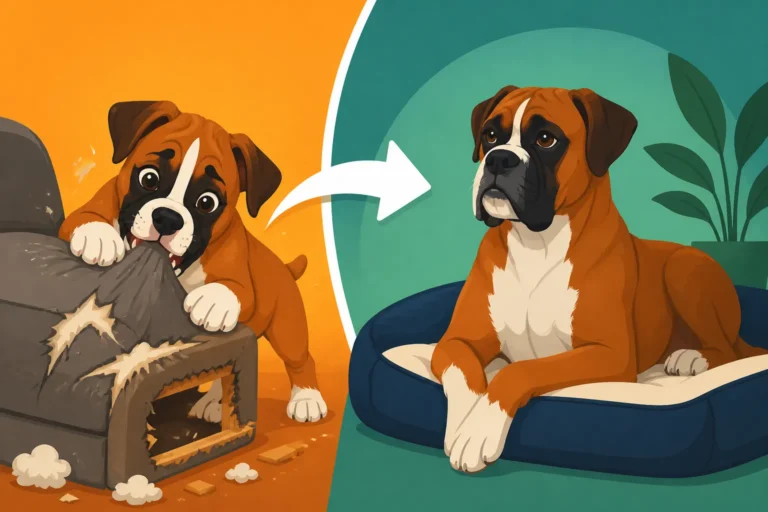
Whether a Second Dog Fixes a Bored Boxer
It's incredibly frustrating to come home to a house that looks like a tornado went through it, or to find your sweet Boxer giving you those sad, pleading eyes because they're simply not stimulated enough. Many of us have been there, watching our high-energy, intelligent Boxers get bored and wondering if the answer lies in a companion. This guide will delve into whether adding a second dog truly solves a bored Boxer's problems, exploring the nuances, potential pitfalls, and viable alternatives to ensure a happy, well-adjusted household for everyone.
Understanding Boxer Boredom: What It Actually Looks Like
Boxers are not just dogs; they're intelligent, sensitive, and incredibly people-oriented companions. When a Boxer gets bored, it's not just a minor inconvenience; it can manifest in ways that are genuinely destructive and heartbreaking for their owners. It's easy to assume they're just "being a Boxer," but often, these behaviors are a cry for more engagement.
The Subtle and Not-So-Subtle Signs of an Understimulated Boxer
Sometimes, the signs of a bored Boxer are as subtle as a sigh or an extra long nap. Other times, they're as obvious as finding your favorite couch cushion completely disemboweled. If your Boxer is pacing, seemingly restless even after a walk, or constantly nudging you for attention, these can be early indicators. They might start "shadowing" you around the house, unable to settle, or engage in compulsive behaviors like excessive licking of their paws or chewing on objects they usually ignore. These are their ways of self-soothing or trying to find an outlet for their pent-up mental and physical energy.
On the more destructive end, boredom often leads to things like digging craters in the yard, despite having plenty of space, or developing an intense chewing habit that targets furniture legs, shoes, or even doorframes. This isn't naughtiness; it's often a desperate attempt to find something, anything, to do. Think about it: if you were stuck in a room with nothing to do, wouldn't you eventually start fiddling with things or trying to find an escape? For a Boxer, chewing is a natural, calming behavior that can quickly become problematic when overused due to lack of other stimulation. You might also notice an increase in barking, especially at things that previously didn't warrant a peep, simply because barking offers some kind of interaction or release. Many owners describe their Boxers as having "zoomies" that last longer and seem more frantic than usual, indicating an excess of unchanneled energy.
Why Boxers Get Bored So Easily It's Not Always What You Think
Boxers were originally bred as working dogs, to hold down game and, later, as guard and police dogs. This heritage means they come with a significant drive for both physical activity and mental engagement. They're not content to just be pretty couch potatoes, even though they excel at snuggling when their needs are met. Many people underestimate The Energy New Boxer Owners Underestimate and think a quick stroll around the block is enough. For a Boxer, that's barely a warm-up. Their intelligence means they need puzzles, new challenges, and consistent training to keep their minds sharp. Without this, their powerful brains can quickly turn to "trouble-making" as a way to entertain themselves.
Beyond physical and mental needs, Boxers are also incredibly social creatures. They thrive on interaction with their human families. If they are left alone for extended periods without meaningful interaction, they can quickly become lonely and bored. This isn't just about walks; it's about play, training sessions, cuddles on the couch, and simply being part of the family's daily rhythm. A Boxer wants to be involved, to know what's going on, and to have a job, even if that job is just being your shadow. When they're deprived of this social connection, even if they're physically exhausted, they can still experience a deep sense of boredom and loneliness. This is why A Boxer Left Alone All Day often struggles significantly.
The Appeal of a Second Dog: Why Owners Consider It
The idea of a second dog, especially another Boxer, can be incredibly appealing. You picture two happy pups tumbling in the yard, entertaining each other, and leaving your shoes (and sanity) intact. It feels like a natural solution to a bored or lonely dog, a way to double the love and halve the responsibility for entertainment. For many, it seems like the perfect answer, creating a harmonious multi-dog household.
The Hope for Built-In Entertainment and Companionship
The primary draw of a second dog is the promise of built-in companionship. You imagine your first Boxer, who might spend several hours alone while you're at work, suddenly having a playmate. No more guilt about leaving them; now they have a buddy to wrestle with, chase around the yard, and nap with. This can be especially tempting if your Boxer is particularly social or seems to enjoy interactions with other dogs at the park. The thought of them being less dependent on you for constant stimulation, because they have each other, can be a huge relief. It’s not just about playtime either; dogs provide a unique kind of emotional support and communication for one another that we, as humans, can’t entirely replicate. A second dog could offer that crucial canine connection.
Furthermore, a second dog might even help reinforce good behaviors. Puppies often learn quickly from older, well-behaved dogs. You might envision the new dog learning house manners or basic commands more easily by mimicking your existing Boxer. This dynamic can certainly happen, and when it does, it's a beautiful thing to witness. Your older Boxer might even take on a nurturing role, teaching the younger one the ropes, which can be incredibly enriching for both animals. The daily interactions, the shared snuggles, and the constant presence of another furry friend can indeed alleviate loneliness and provide endless opportunities for play, giving your bored Boxer the stimulation it craves without you having to be the sole source.
The Social Dynamics and Play Styles of Multiple Boxers
Boxers are known for their enthusiastic, physical play style – often called "boxing" because they use their front paws so much. They love to wrestle, chase, and engage in rough-and-tumble games. When you have two Boxers, especially if they are well-matched in size, energy, and temperament, this can be a truly joyful sight. They can burn off energy together in ways that a human simply can't always keep up with. Think about how much fun they could have with a durable toy from Amazon, tugging and wrestling each other! This shared activity can be incredibly fulfilling for both dogs and can definitely reduce destructive behaviors stemming from boredom.
However, the "boxing" play style can also be quite intense. It's important to consider if your current Boxer enjoys this level of roughhousing. Some Boxers prefer more sedate play or might not appreciate constant wrestling. If you introduce another Boxer with a similar high-energy play drive, it could be a perfect match. If one is more reserved, however, it could lead to stress or conflicts. Understanding your Boxer's Boxer Play Style With Other Dogs is crucial before introducing another companion. Age also plays a role; a younger, energetic Boxer might overwhelm an older, more sedate one, or vice-versa. The ideal scenario is two dogs whose play styles complement each other, providing mutual enjoyment and stimulating interaction, rather than creating friction or an imbalance of energy.
The Realities of Adding Another Dog: What Can Go Wrong
While the dream of two Boxers happily playing together is lovely, the reality isn't always so rosy. Introducing a second dog is a significant decision that comes with its own set of challenges, and it doesn't automatically solve the underlying issues of a bored dog. In fact, it can sometimes exacerbate them, leading to double the trouble.
Doubling the Trouble: When One Bored Dog Becomes Two
The biggest misconception is that a second dog will magically cure boredom. The truth is, if your first Boxer is bored because they aren't getting enough exercise, mental stimulation, or training from you, adding another dog simply means you now have two dogs with those unmet needs. Instead of one dog destroying the couch, you might have two. Instead of one dog demanding attention, you're fielding demands from two. All the responsibilities you have for one dog—feeding, walking, training, veterinary care—are now doubled. This includes the financial commitment, from food to vet bills, which can be substantial for a breed like the Boxer known for certain health issues. The Yearly Bill for a Seventy-Pound Boxer can already be high, imagine doubling that.
Moreover, if your current Boxer has behavioral issues stemming from boredom, like excessive barking or destructive chewing, these can sometimes rub off on the new dog, or even be reinforced. The new dog might learn these undesirable habits from the resident dog, or the added stress of a new household member could cause them to develop new issues. It's not uncommon for owners to find themselves with two dogs vying for attention, potentially leading to competition, resource guarding (over toys, food, or even your affection), or increased anxiety if not managed properly. A new dog requires significant time and energy for proper integration, training, and socialization, especially if it's a puppy. This means you'll still need to dedicate substantial time to each dog individually, in addition to managing their relationship.
Personality Clashes and Unexpected Stress
Just like people, dogs have distinct personalities, and not every dog will get along with every other dog. While Boxers are generally known for their friendly and playful nature, individual temperaments vary widely. You might bring home a new dog with the best intentions, only to find that your existing Boxer resents the newcomer, or the new dog is intimidated by your Boxer's boisterous play style. This can lead to ongoing tension, growling, fights, or one dog constantly trying to escape the other. Same-Sex Boxer Pairs in One House can sometimes present specific challenges due to dominance dynamics, which need careful management.
Introducing a new dog is a huge adjustment for everyone in the household. Your resident Boxer might feel displaced, jealous, or simply overwhelmed by the change. This stress can manifest in unexpected ways, such as house-training regressions, increased anxiety, changes in appetite, or even aggression. The new dog also has to adjust to a new environment, new routines, and a new pack dynamic. It takes time, patience, and often a lot of controlled introductions to ensure a smooth transition. If personalities clash severely, the stress on both dogs (and you!) can be immense, potentially leading to a situation where one or both dogs are unhappy, and the hoped-for companionship never materializes. It’s vital to consider whether your home truly has the space, resources, and emotional capacity to support two distinct personalities and their potential needs.
| Factor | One Dog Scenarios | Two Dog Scenarios |
|---|---|---|
| Boredom Source | Lack of exercise, mental stimulation, human interaction. | Same as one dog, plus potential for competitive boredom if needs aren't met. |
| Required Time/Effort | Significant daily exercise, training, play, attention. | Doubled daily exercise, training, play, attention for each dog, plus relationship management. |
| Potential Issues | Destructive chewing, barking, anxiety, attention-seeking. | Doubled destructive behaviors, resource guarding, personality clashes, increased anxiety/stress for both dogs. |
| Financial Cost | Food, vet care, supplies, training for one dog. | Doubled food, vet care, supplies, training. Increased insurance costs. |
| Emotional Impact (You) | Frustration, guilt, exhaustion from one bored dog. | Amplified frustration, stress, and potential heartbreak if dogs don't bond. |
| Ideal Outcome | Well-adjusted, happy single dog. | Two well-adjusted, happy dogs who genuinely enjoy each other's company. |
Alternatives to Another Dog: Addressing Boredom Directly
Before considering a second dog, it's crucial to exhaust all other options for addressing your Boxer's boredom. Often, the solution lies not in adding another animal, but in making fundamental changes to your current Boxer's routine and environment. There are many ways to enrich your dog's life and provide the stimulation they crave without doubling your responsibilities.
Enriching Your Boxer's Environment
One of the most effective ways to combat boredom is to make your Boxer's daily life more interesting and challenging. This starts with ensuring they get adequate physical exercise. Boxers are powerful, energetic dogs. A short walk might be enough for an older, less active dog, but a young, healthy Boxer often needs Sixty to Ninety Minutes a Day With a Boxer of vigorous activity. This could be a brisk walk, a run, fetch in a secure yard, or even swimming (with supervision, given their flat faces). Remember to always be mindful of Boxer Exercise Needs and the Heat That Limits Them, especially for a brachycephalic breed.
Beyond physical exertion, mental stimulation is paramount. Boxers are smart! Use puzzle feeders for their meals, which make them work for their food rather than just gobbling it down. There are many options available on Amazon, from snuffle mats to complex treat-dispensing toys that can keep them occupied for a good chunk of time. Rotating toys regularly keeps them novel and interesting. Teach them new tricks, even advanced ones like "find it" games where they use their nose to locate hidden treats or toys. Enrollment in obedience classes, beyond basic puppy kindergarten, can provide structure, mental exercise, and reinforce good habits. Consider enrolling in an online program like those offered by BAXTER & Bella, which provides structured learning from the comfort of your home. These methods directly target the cognitive needs of a Boxer, preventing their intelligent minds from seeking destructive outlets.
Professional Guidance and Training Solutions
Sometimes, boredom isn't just about lack of activity; it can be tied into underlying behavioral issues or simply a communication breakdown between you and your dog. This is where professional help can be invaluable. A certified professional dog trainer can assess your Boxer's behavior, identify the root causes of their boredom-driven actions, and help you implement a tailored plan. They can teach you effective training techniques that keep your Boxer engaged and mentally stimulated, such as advanced obedience, trick training, or even dog sports. Training a Boxer That Gets Bored Fast often requires creative, varied approaches that a professional can help you develop.
Another excellent option for an under-stimulated Boxer is doggie daycare. If your Boxer is well-socialized and enjoys the company of other dogs, a few days a week at a reputable daycare can be a game-changer. It provides supervised play, social interaction, and a structured environment where they can burn off energy safely. This means they come home tired and happy, ready to relax with you. Before committing, ensure the daycare facility is clean, staff are experienced with high-energy breeds, and that they have appropriate spaces for play and rest. For Boxers, who can sometimes be sensitive, a trial day or half-day is always a good idea. Ultimately, addressing boredom effectively means understanding your individual Boxer's needs and committing to providing consistent physical and mental outlets, whether that's through increased owner engagement, professional training, or specialized dog services.
Disclaimer
This article is for general informational purposes only and does not constitute professional advice. Laws, prices and regulations vary by location and change over time. Consult a qualified professional for guidance on your specific situation.